Mom's Best Recipes
Recipe

Juicy Boneless Skinless Chicken Thighs

Crispy edges, tender middle, and a fast pan sauce that tastes like you tried harder than you did. Weeknight-proof and wildly replayable.

Author By Matt Campbell
4.8
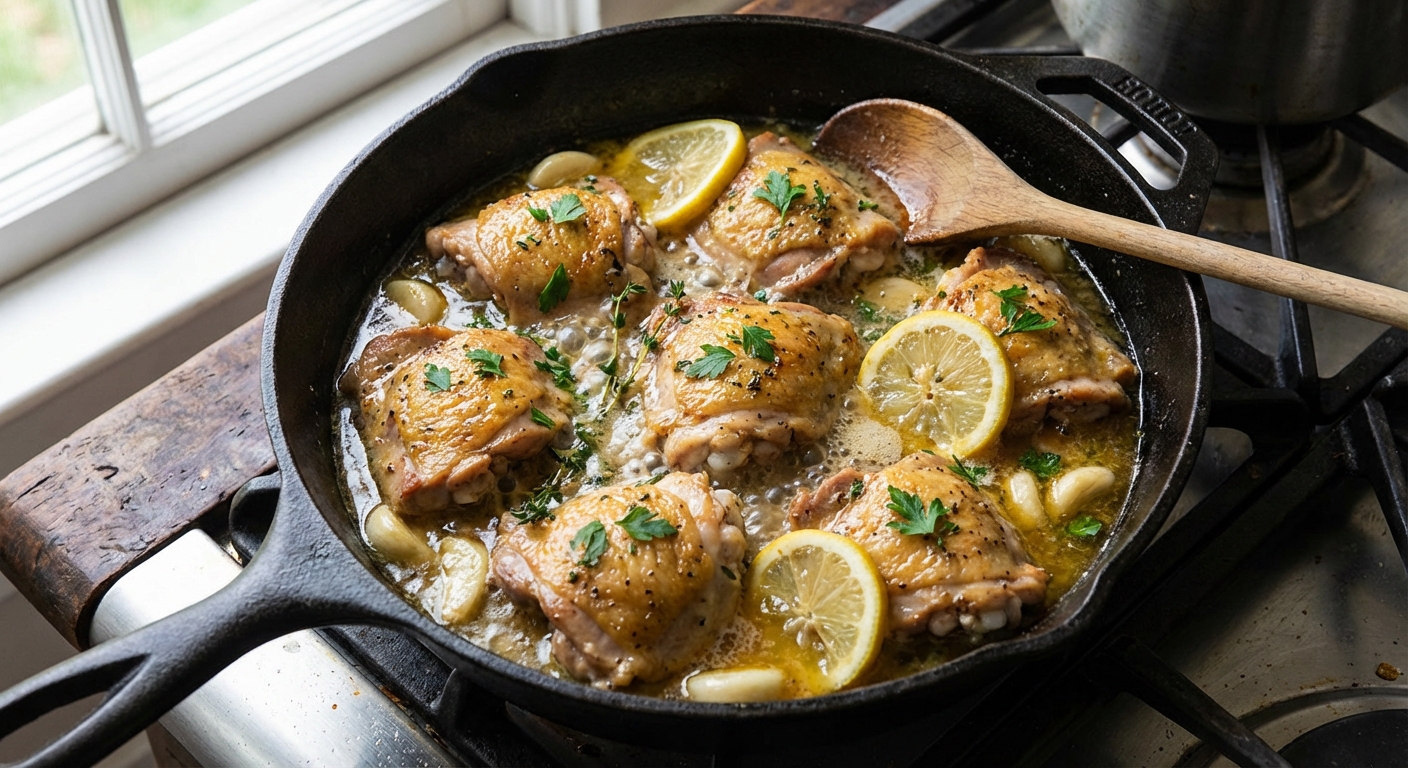
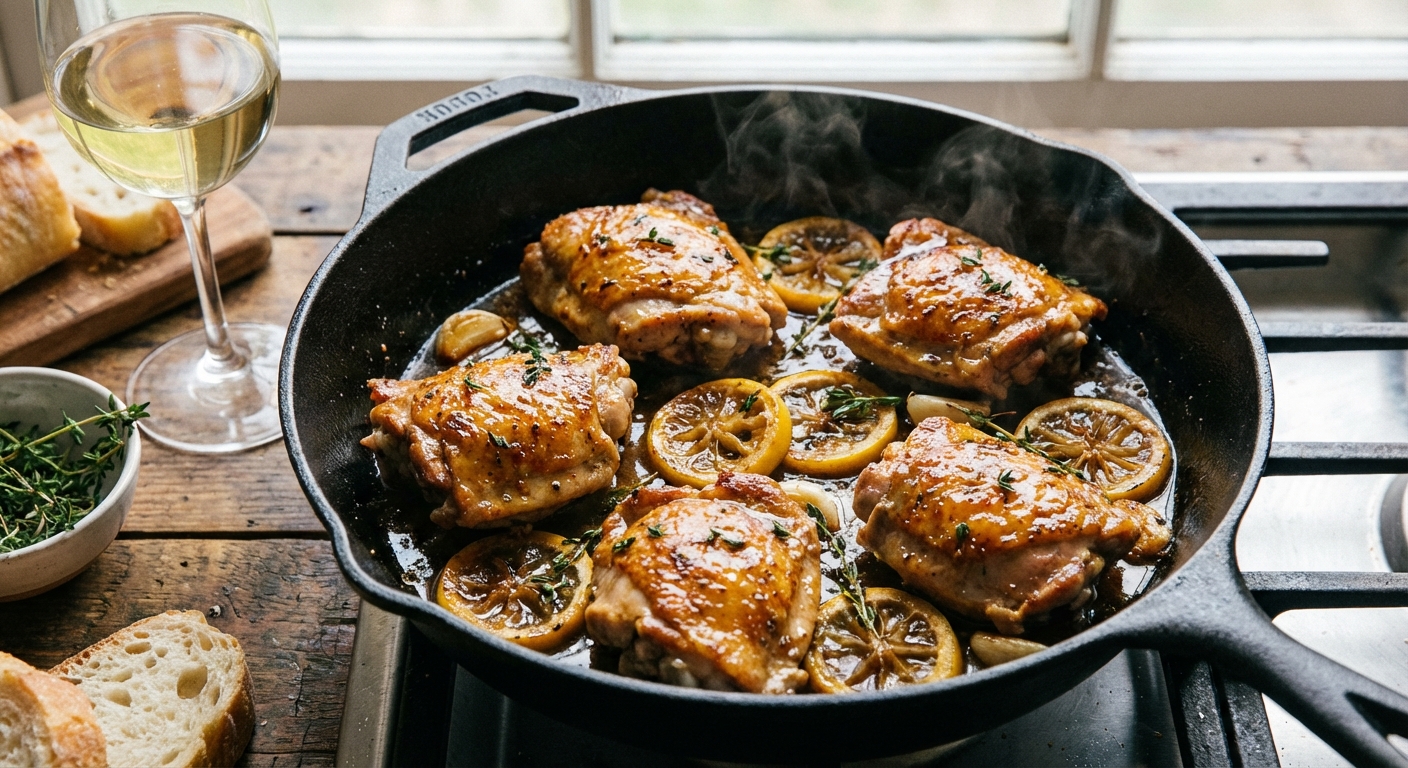
Golden-brown boneless skinless chicken thighs in a skillet with a glossy pan sauce and lemon slices

If chicken breast is the coworker who replies to emails instantly but never laughs at your jokes, chicken thighs are the friend who shows up with snacks and somehow makes everything better. They are forgiving, flavorful, and basically built for real life cooking, meaning you can get crispy edges and a juicy center without babysitting the stove like it owes you money.

This is my go-to method for boneless skinless chicken thighs: a quick spice rub, a hard sear, then a short finish with a simple lemon-garlic pan sauce. It is the kind of dinner that makes you feel like you have it together, even if your sink is full of mugs and your playlist is still stuck on “sad acoustic.”
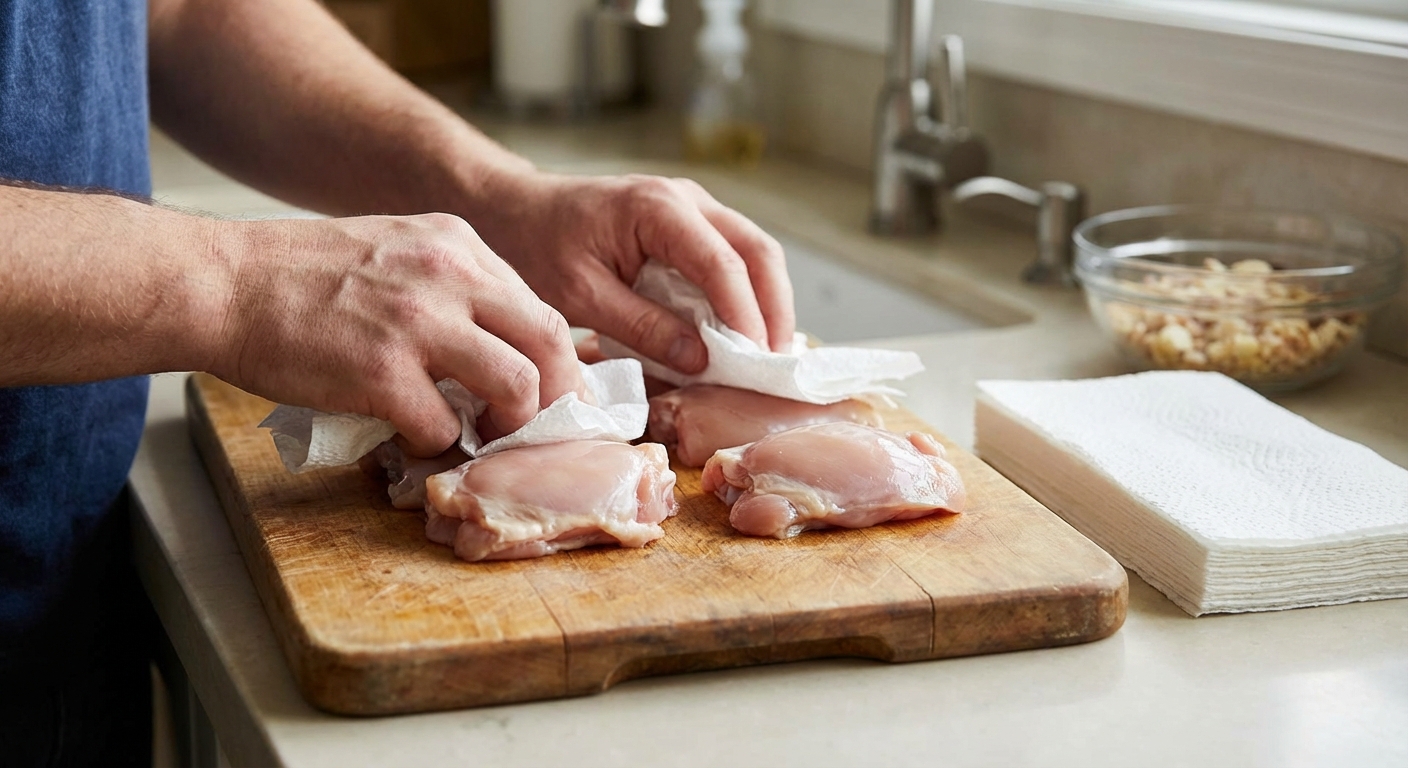
Boneless skinless chicken thighs on a cutting board being patted dry with paper towels

Why It Works

  • High heat sear = flavor and texture. Thighs can take the heat, so you get browned bits and crispy edges fast (the good kind of kitchen drama).
  • Temperature, not vibes. 165°F is safe, and 170°F to 185°F is where thighs turn extra tender without you hovering like a helicopter parent.
  • Pan sauce from real drippings. A splash of broth plus lemon lifts the rich chicken flavor, and butter ties it all together.
  • Flexible seasoning. The base rub works with whatever you have: smoked paprika, Italian herbs, Cajun seasoning, or just salt and pepper in a pinch.

Storage Tips

How to Store Leftovers

These thighs reheat like champions, which is one reason I cook extra on purpose.

Refrigerator

  • Store chicken and sauce together in an airtight container for up to 4 days.
  • If you are meal prepping, keep sauce separate for the crispiest reheats.

Freezer

  • Freeze cooled chicken (with or without sauce) in a freezer-safe container for up to 3 months.
  • Thaw overnight in the fridge for best texture.

Reheating

  • Skillet (best): Add a splash of water or broth, cover, and warm over medium-low until hot.
  • Oven: 350°F for 10 to 15 minutes in a covered dish.
  • Microwave: Use medium power and short bursts, especially if you want to avoid rubbery edges.

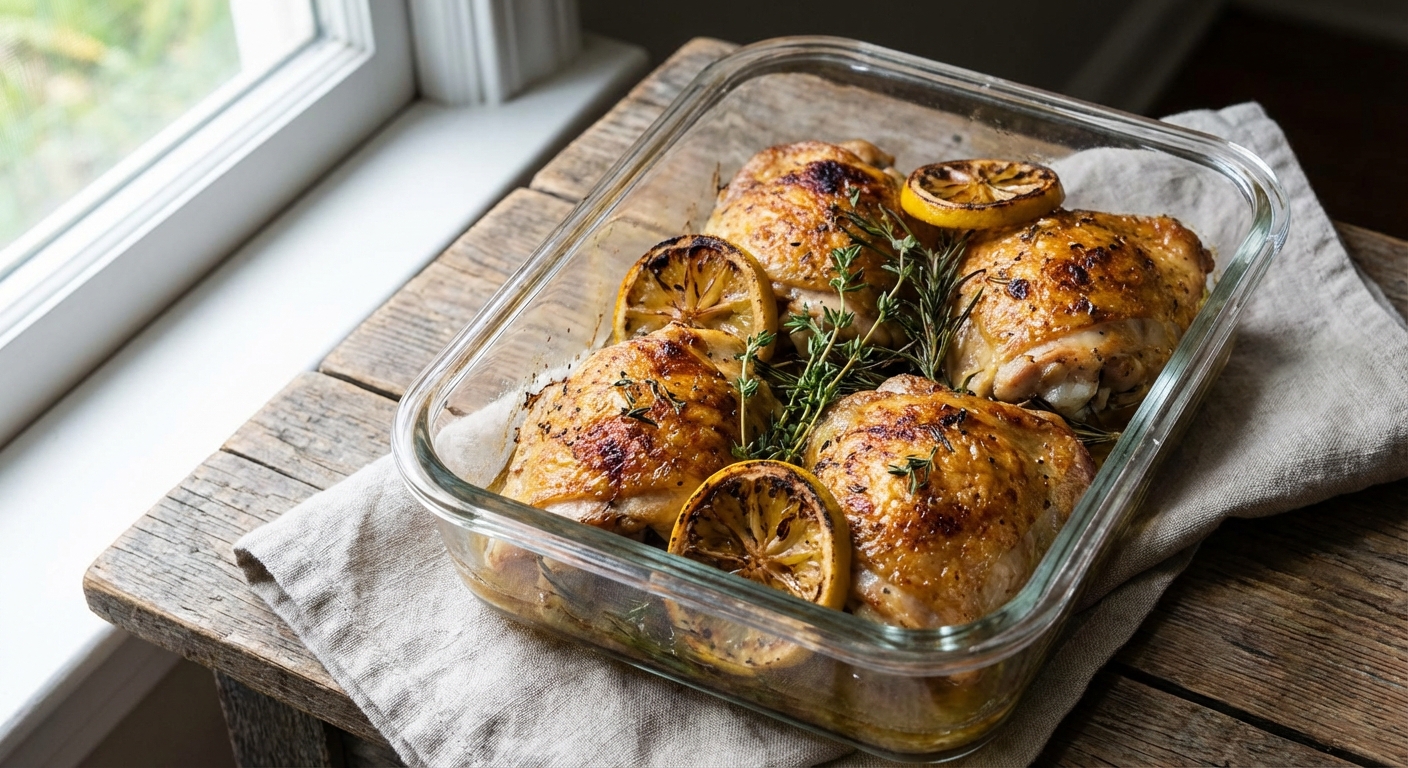
Cooked chicken thighs stored in a glass container with lemon slices

Common Questions

Common Questions

How do I know chicken thighs are done?

The safest and least stressful answer: use an instant-read thermometer. Chicken is food-safe at 165°F (USDA). For thighs, I prefer cooking a bit higher, around 170°F to 185°F, because they get more tender as the connective tissue relaxes. Think of 165°F as safe, and 170°F to 185°F as the juicy, forgiving sweet spot.

Why are my boneless skinless thighs not browning?

Usually one of these: the chicken was wet, the pan was not hot enough, or the pan was crowded. Pat dry, preheat until the oil shimmers, and cook in batches if needed. Also, nonstick pans tend to brown less aggressively.

Can I bake these instead of pan-searing?

Yes. You will lose a little of the crispy edge, but they will still be juicy. Bake at 425°F until the thickest part hits 170°F to 185°F, usually 18 to 22 minutes depending on thickness, then broil 1 to 2 minutes for color.

Can I use frozen chicken thighs?

For this method, thaw first. Searing frozen chicken leads to steaming and uneven cooking. Thaw overnight in the fridge or use a cold-water thaw (sealed bag, change water every 30 minutes).

Is this recipe spicy?

Not as written. The red pepper flakes are optional and very adjustable. If you want heat, add more flakes or a pinch of cayenne.

What should I serve with this?

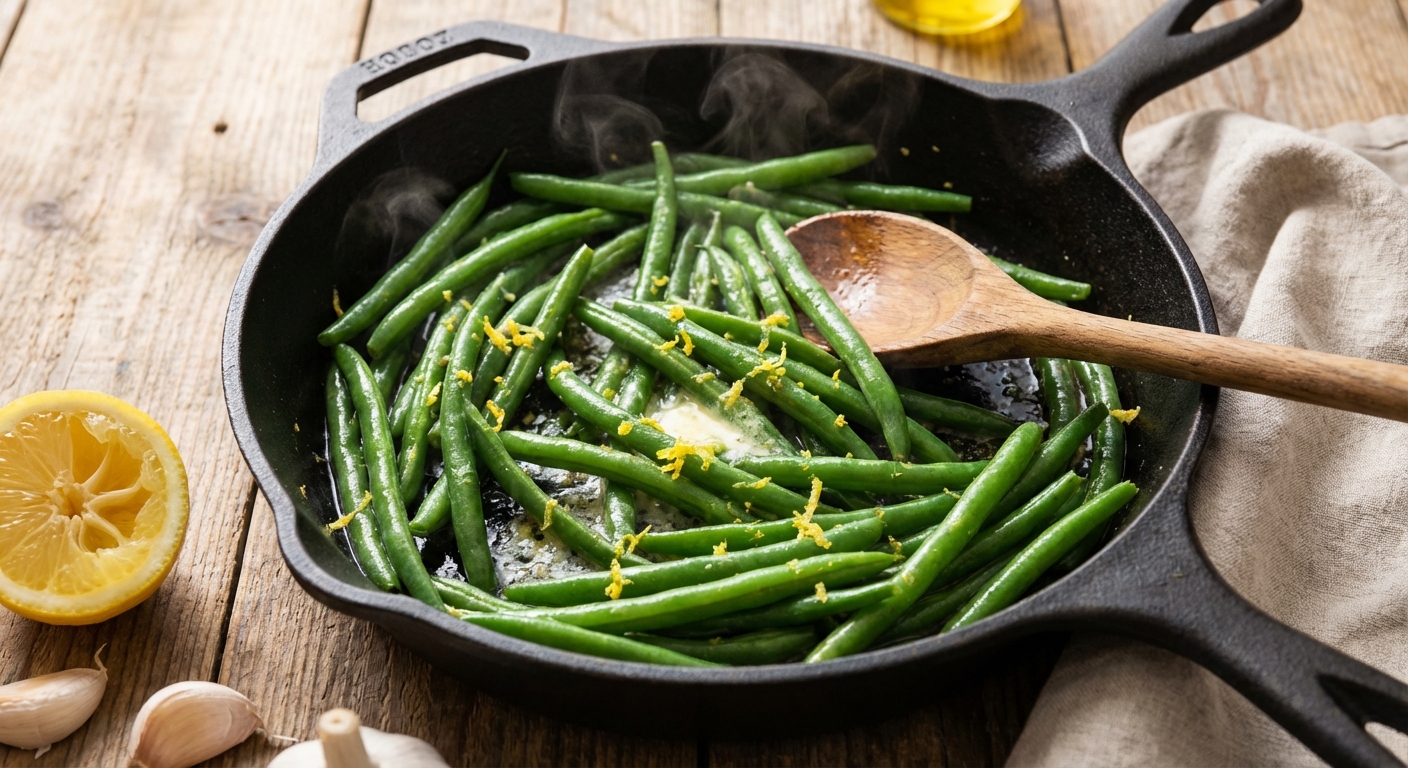
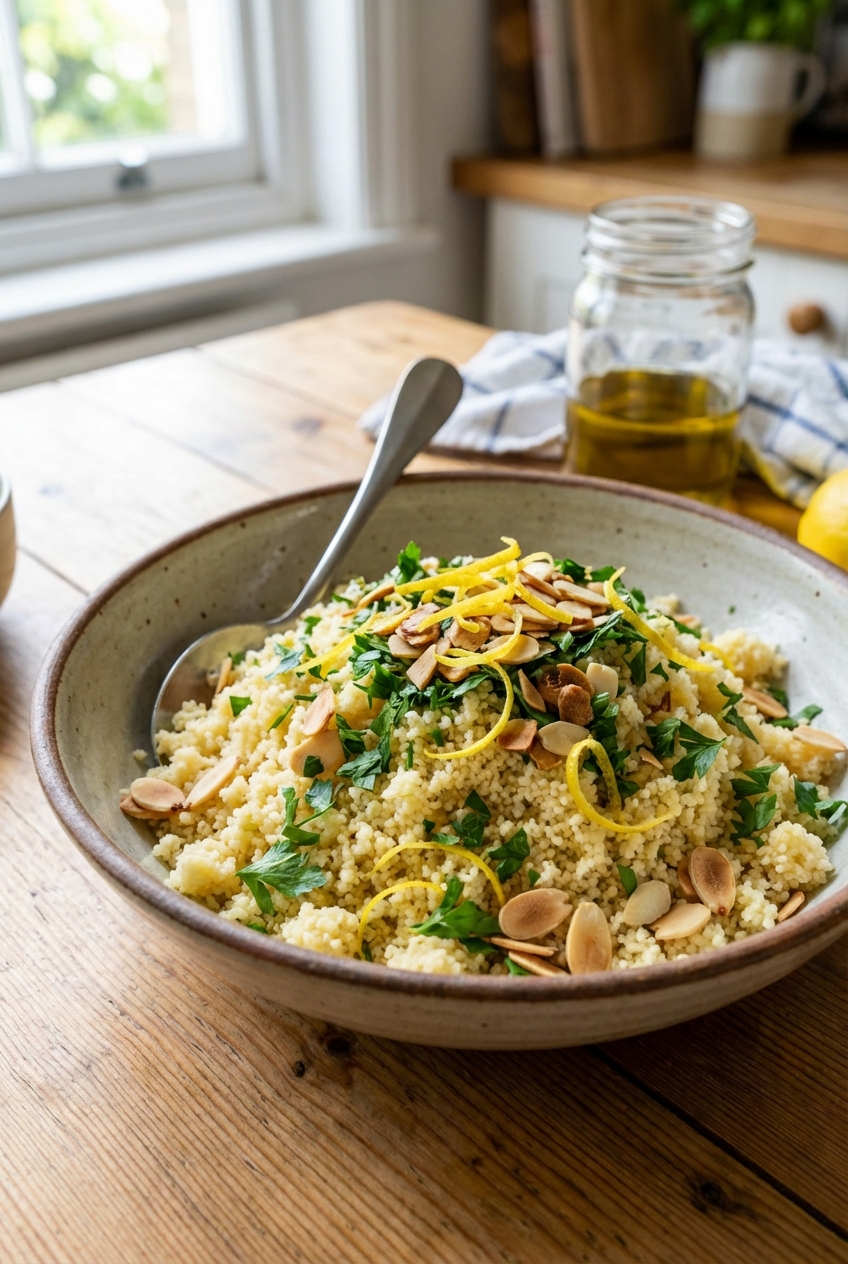
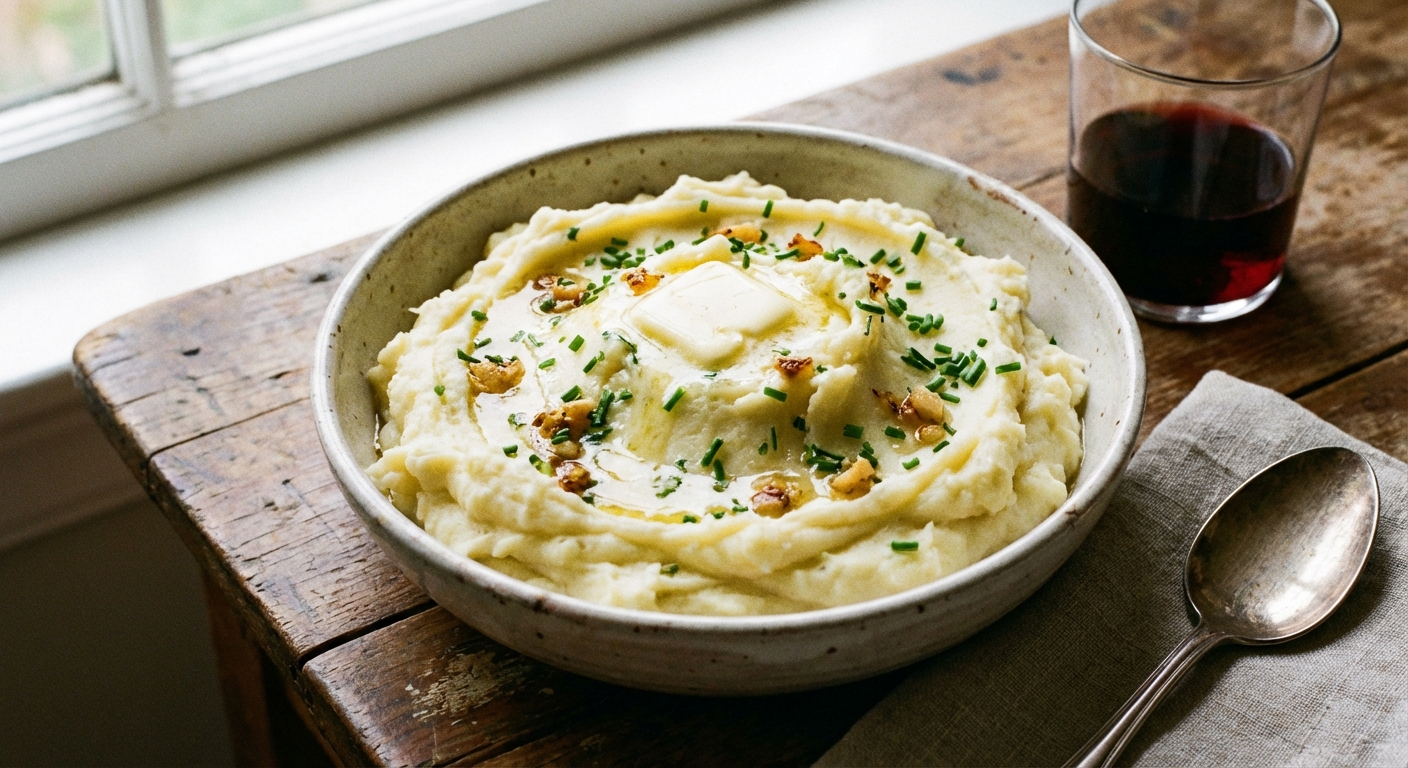
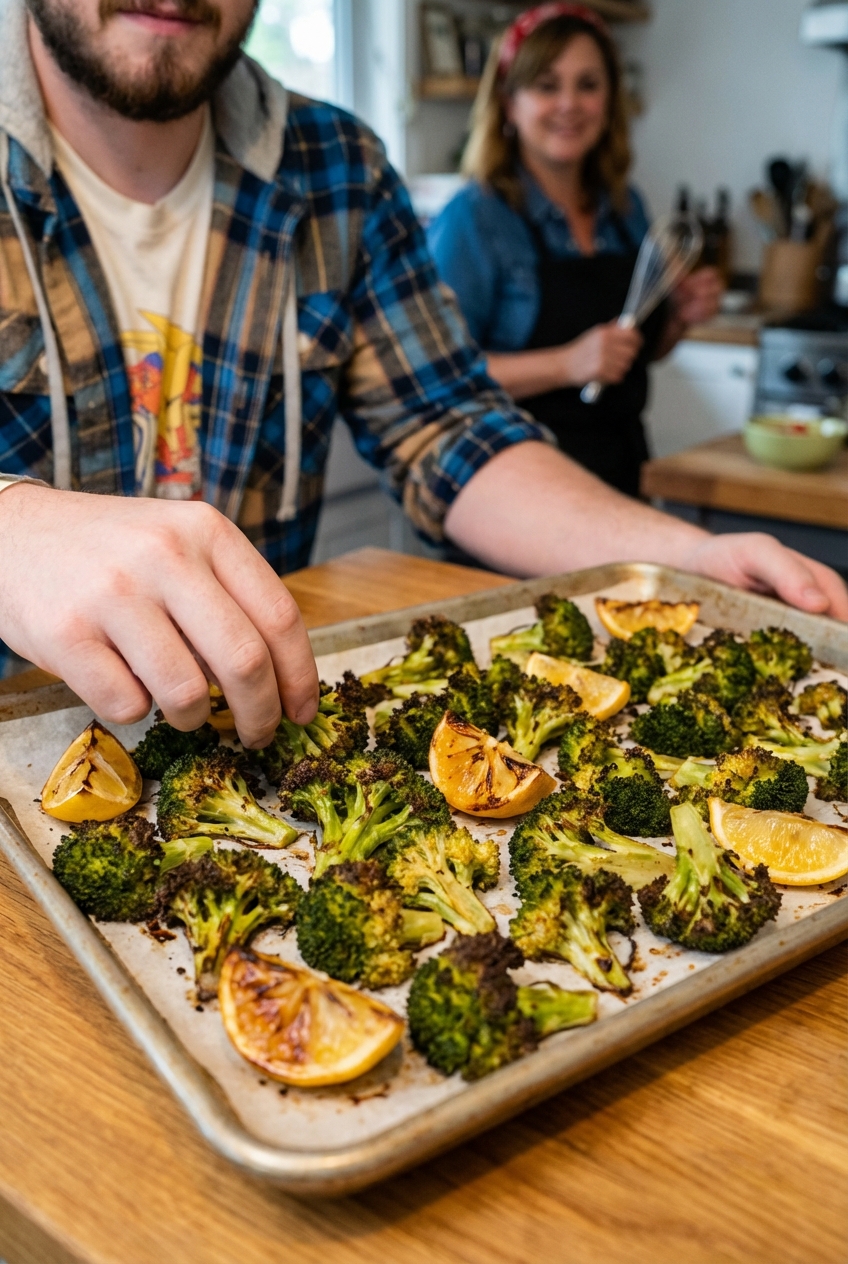
Anything that loves sauce: mashed potatoes, rice, couscous, buttered noodles, or crusty bread. For vegetables, try roasted broccoli, a simple salad, or green beans sautéed with garlic.

I started making these thighs on nights when I wanted “real dinner” energy but had “cereal for dinner” motivation. The first time I got the sear right, I stood at the stove doing that little satisfied nod like I had just won an argument I did not even start. Now it is my favorite way to turn a package of chicken into something that feels restaurant-y with minimal drama, plus the leftovers have a suspiciously impressive habit of becoming lunch salads, rice bowls, and midnight fridge masterpieces.