What ground beef is best for hamburger patties?
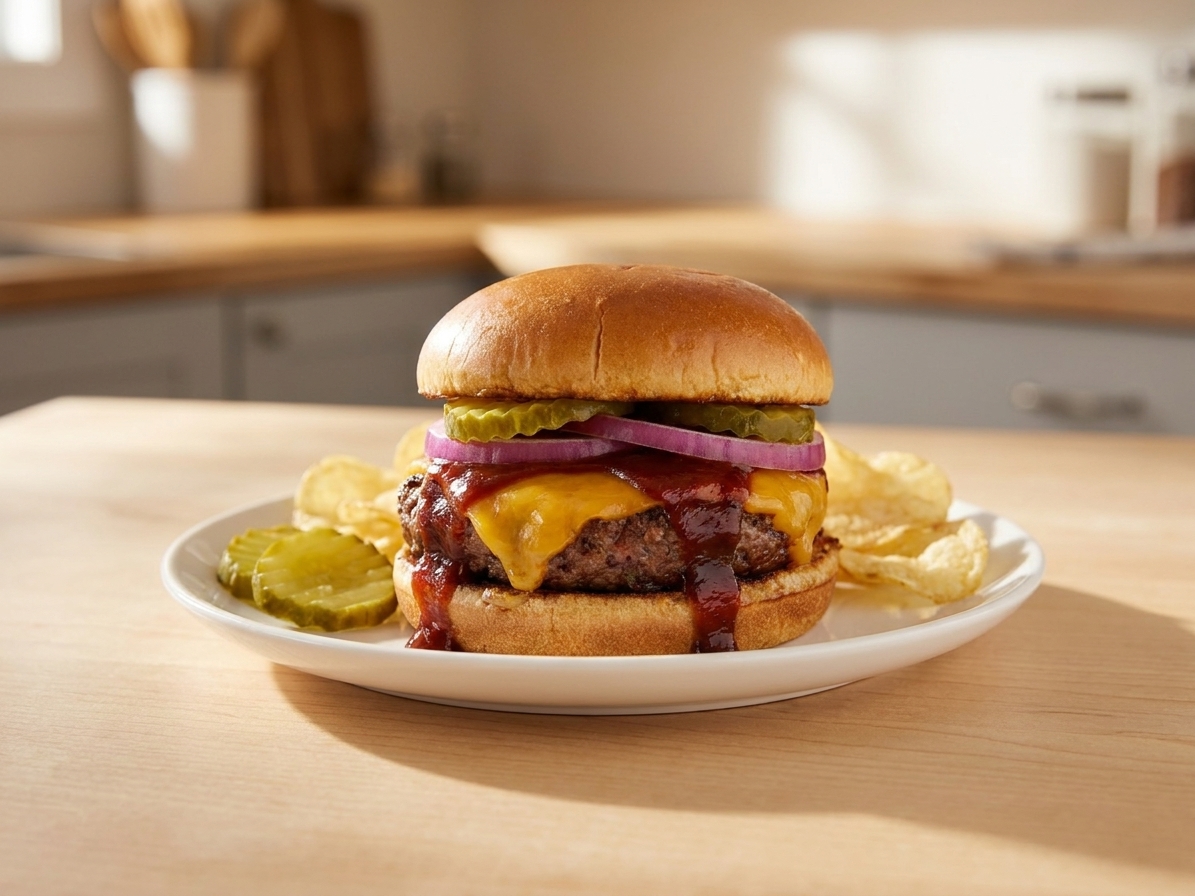
Go for 80/20 (80% lean, 20% fat). Leaner blends can work, but they dry out faster and need extra help from toppings or sauce.
Should I mix seasoning into the meat or season the outside?
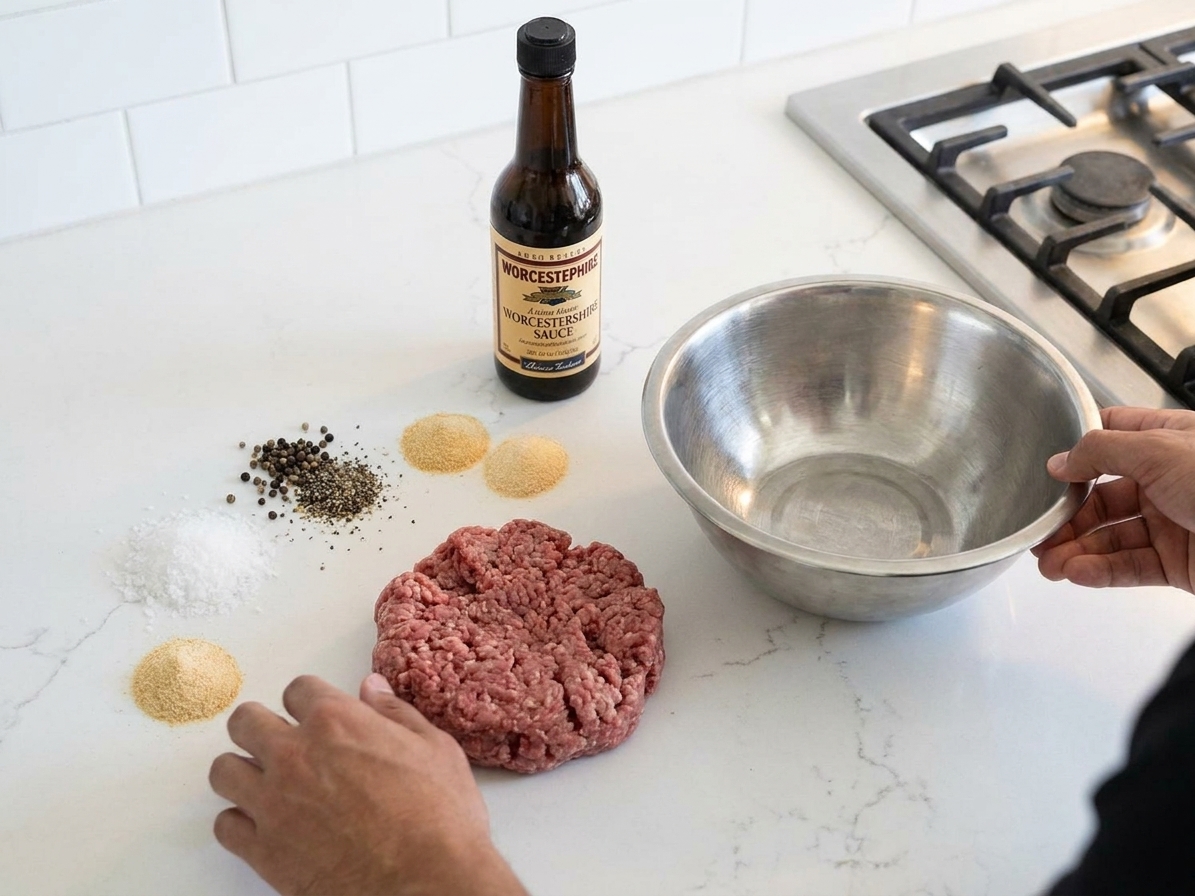
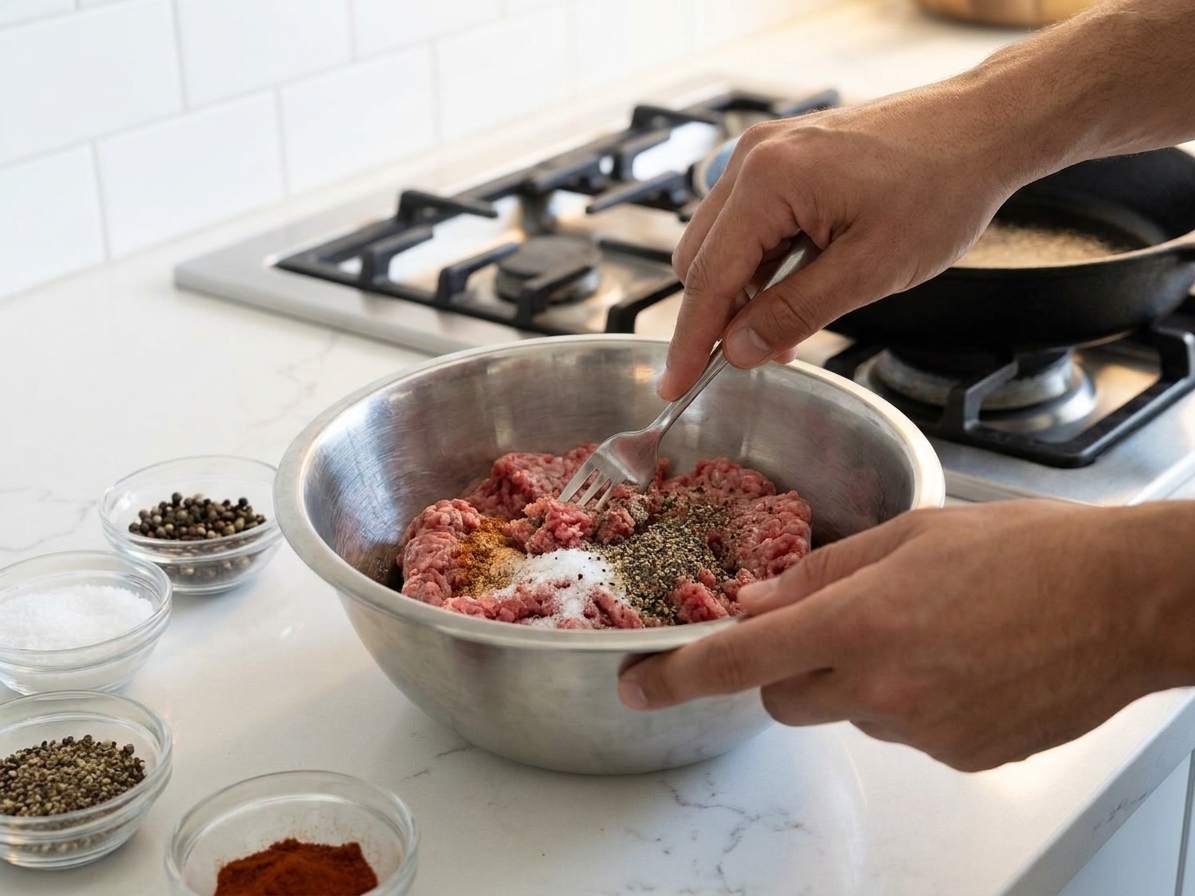
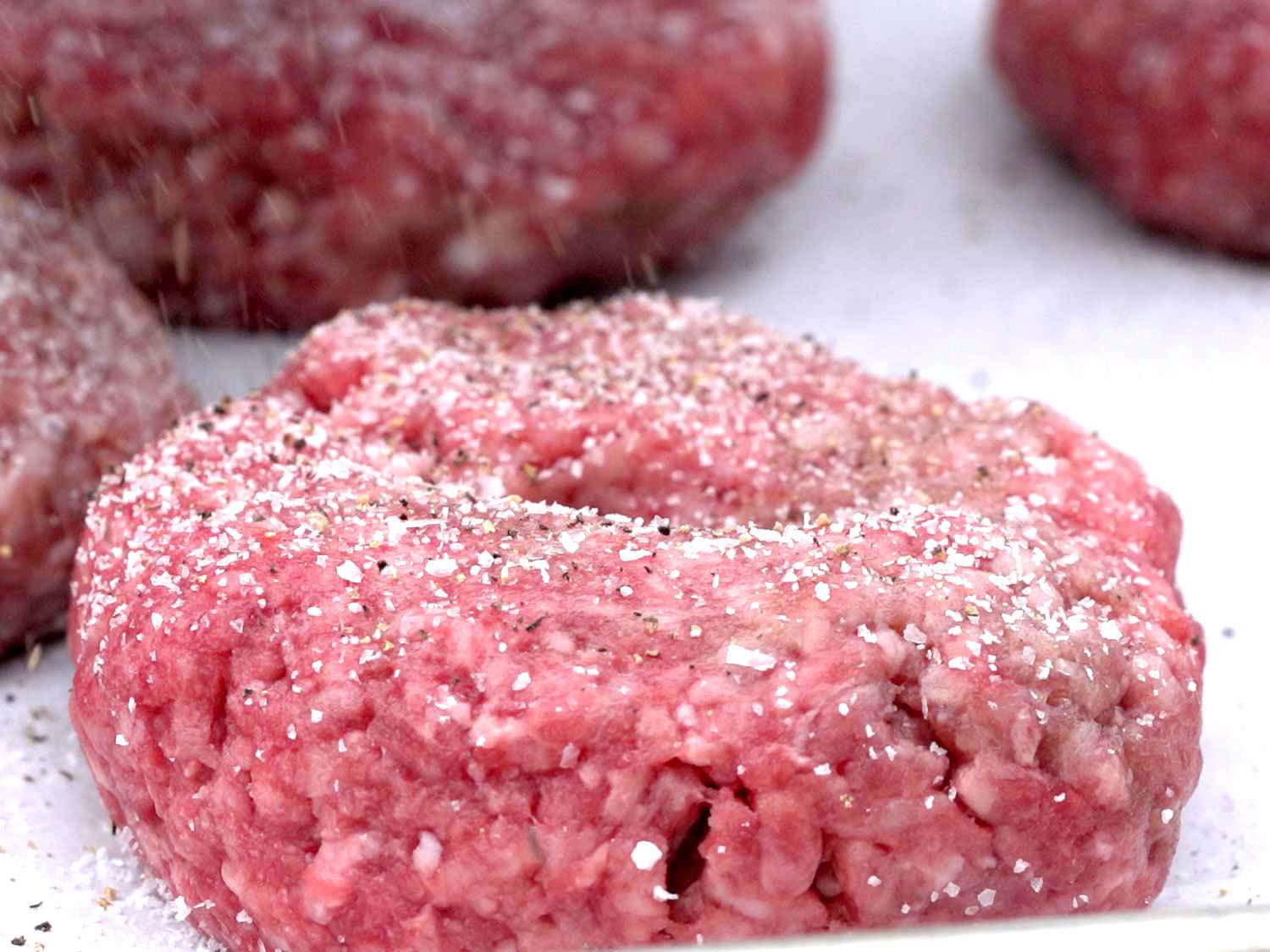
For classic burgers, I like a light seasoning mix inside and a stronger salt and pepper on the outside right before cooking. The key is timing and how much you work it: if you salt early and mix aggressively or let it sit a long time, the patties can turn tight and bouncy. If you are cooking right away and mixing gently, a small amount inside is totally fine.
Why do my patties fall apart?
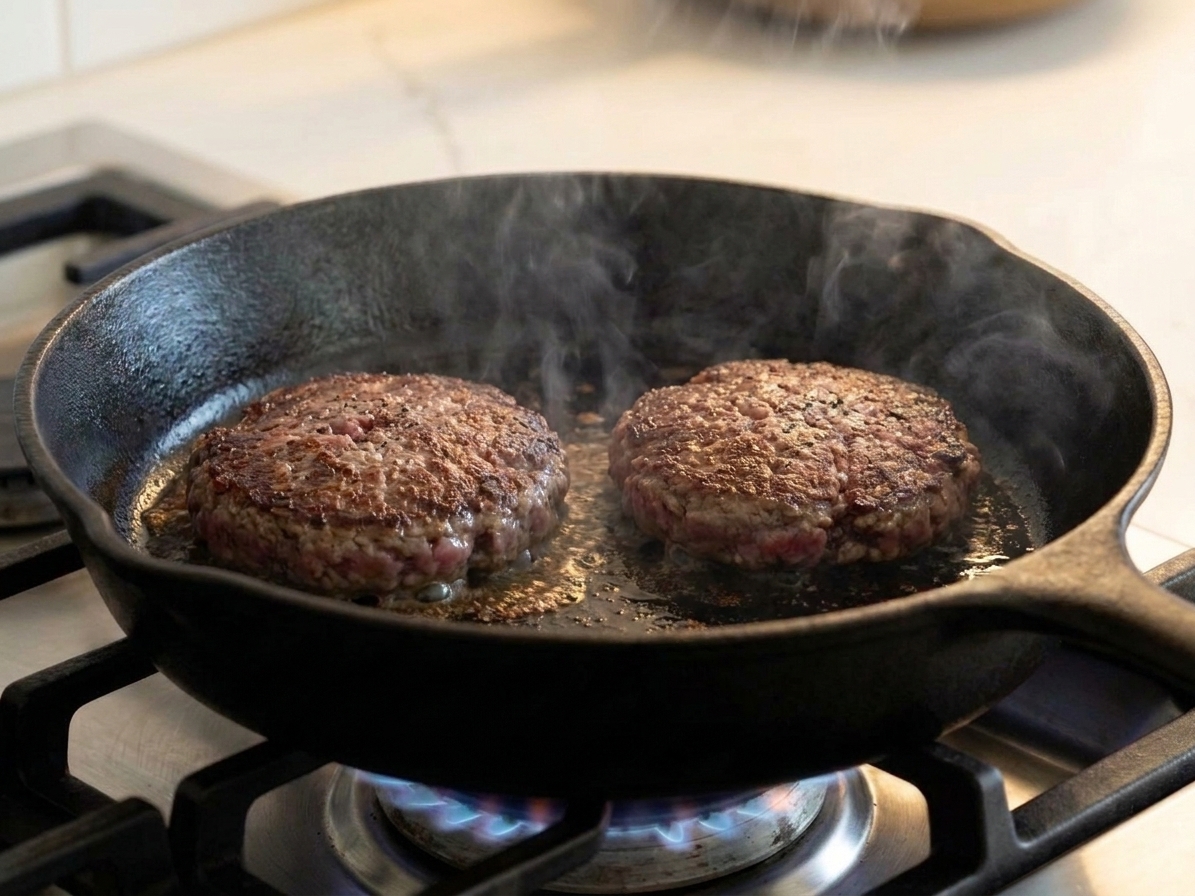
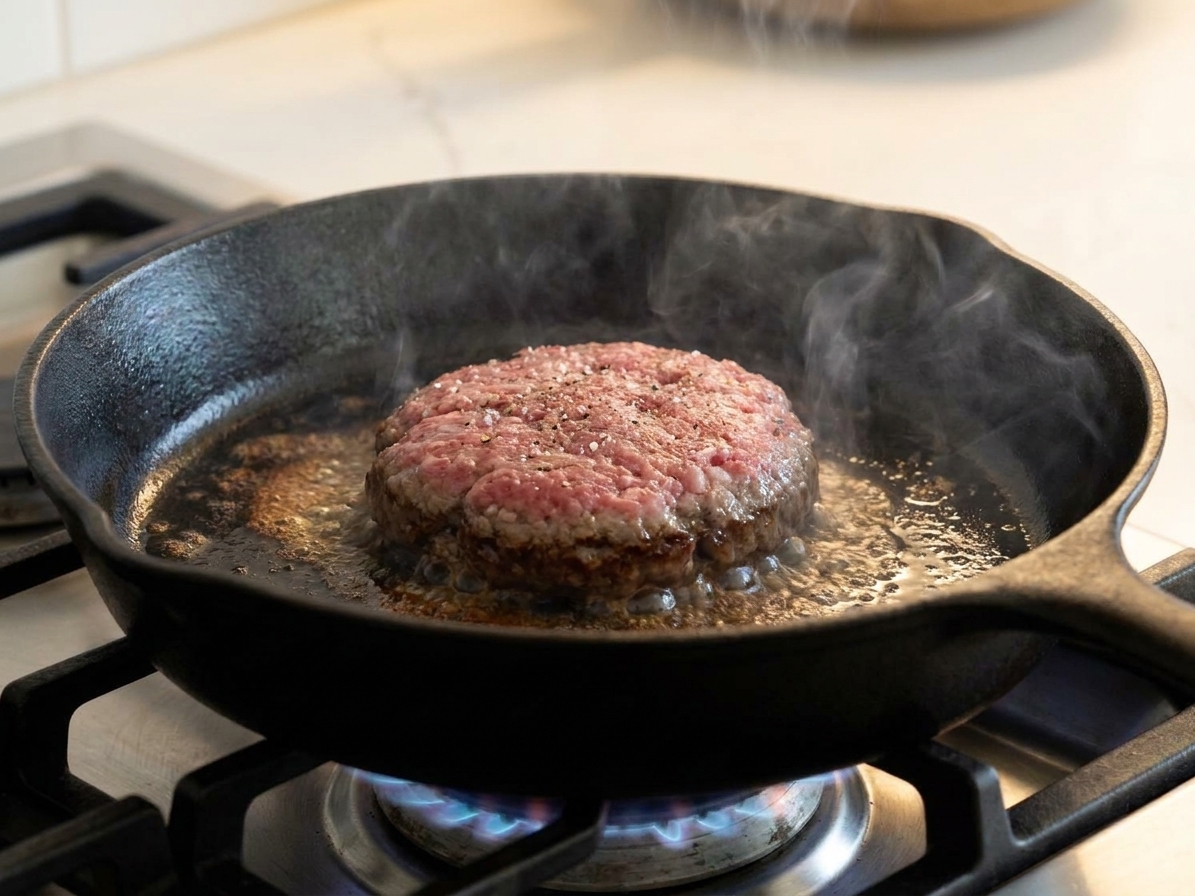
Common causes are meat that is too lean, patties that are too thin at the edges, or flipping too early. Make them about 3/4-inch thick, press firmly enough to hold together, and wait until a crust forms before flipping.
How do I stop burgers from puffing up?
Make a shallow dimple in the center of each patty. It evens out the expansion so you do not end up with a burger dome.
Can I cook these in the oven?
You can, but you lose the best part, which is the crust. If you want oven-friendly, sear in a skillet first, then finish at 375°F until the center hits your target temperature (for food safety, 160°F). Depending on thickness, that usually takes about 4 to 8 minutes.
What internal temperature should hamburgers be cooked to?
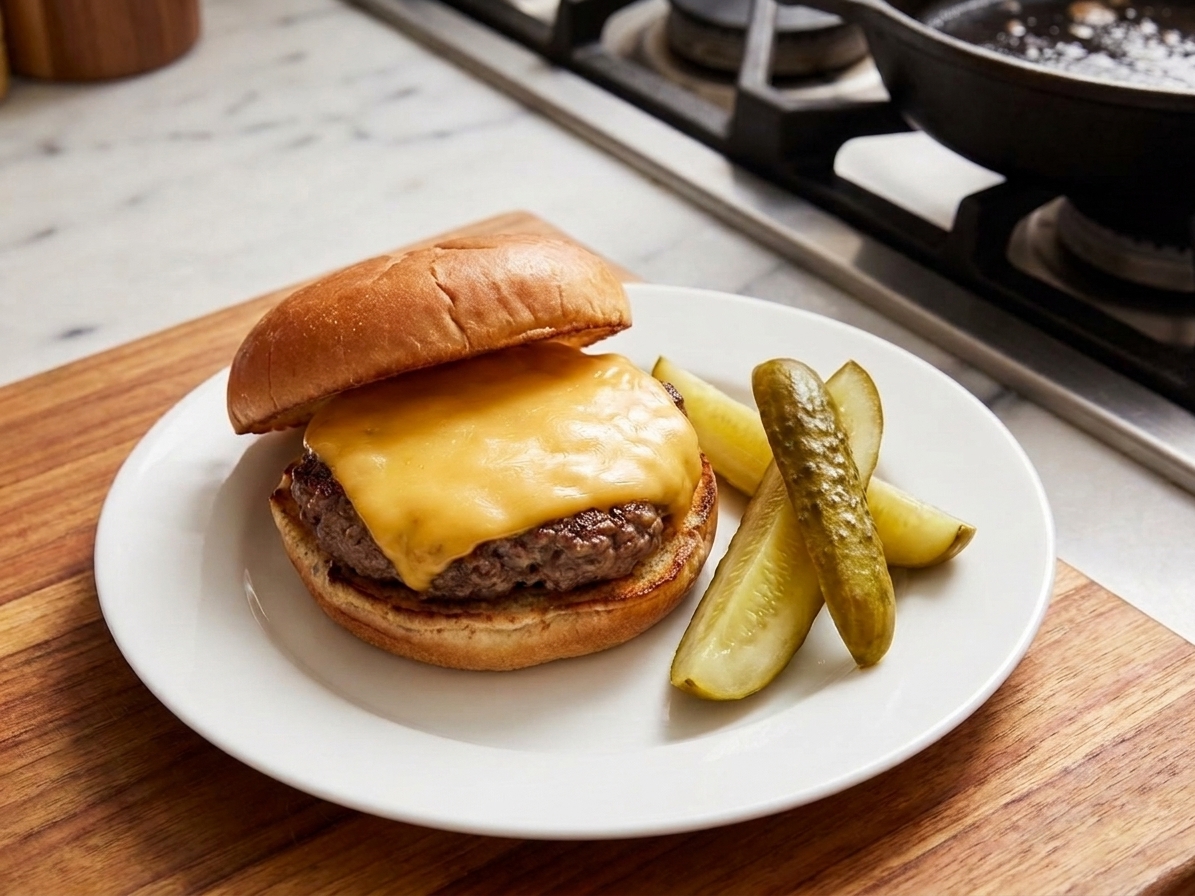
For food safety, ground beef is typically recommended at 160°F. If you choose to cook below that, use your best judgment and high-quality beef, and consider who you are serving. Also note that patties can rise a few degrees as they rest.