Mom's Best Recipes
Recipe

Juicy Lemon Garlic Chicken Breasts

A fast, forgiving chicken breast recipe with crisp edges, a glossy lemon garlic pan sauce, and zero dry bites.

Author By Matt Campbell
4.8
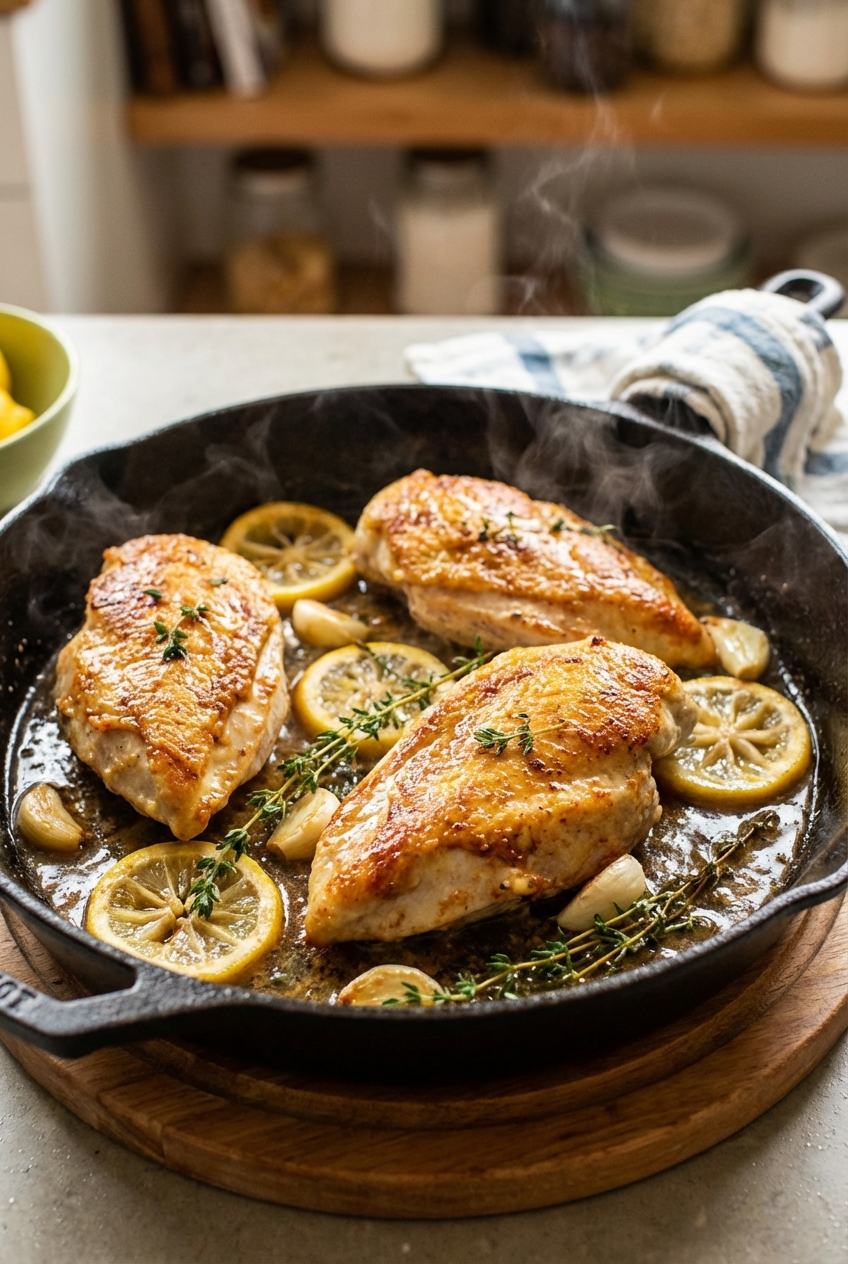
Golden seared chicken breasts in a skillet with lemon slices, garlic, and a glossy pan sauce

Chicken breasts get a bad rap because they are one minute away from dry at all times. I get it. You blink, they go from juicy to “why is my mouth suddenly the Sahara.”

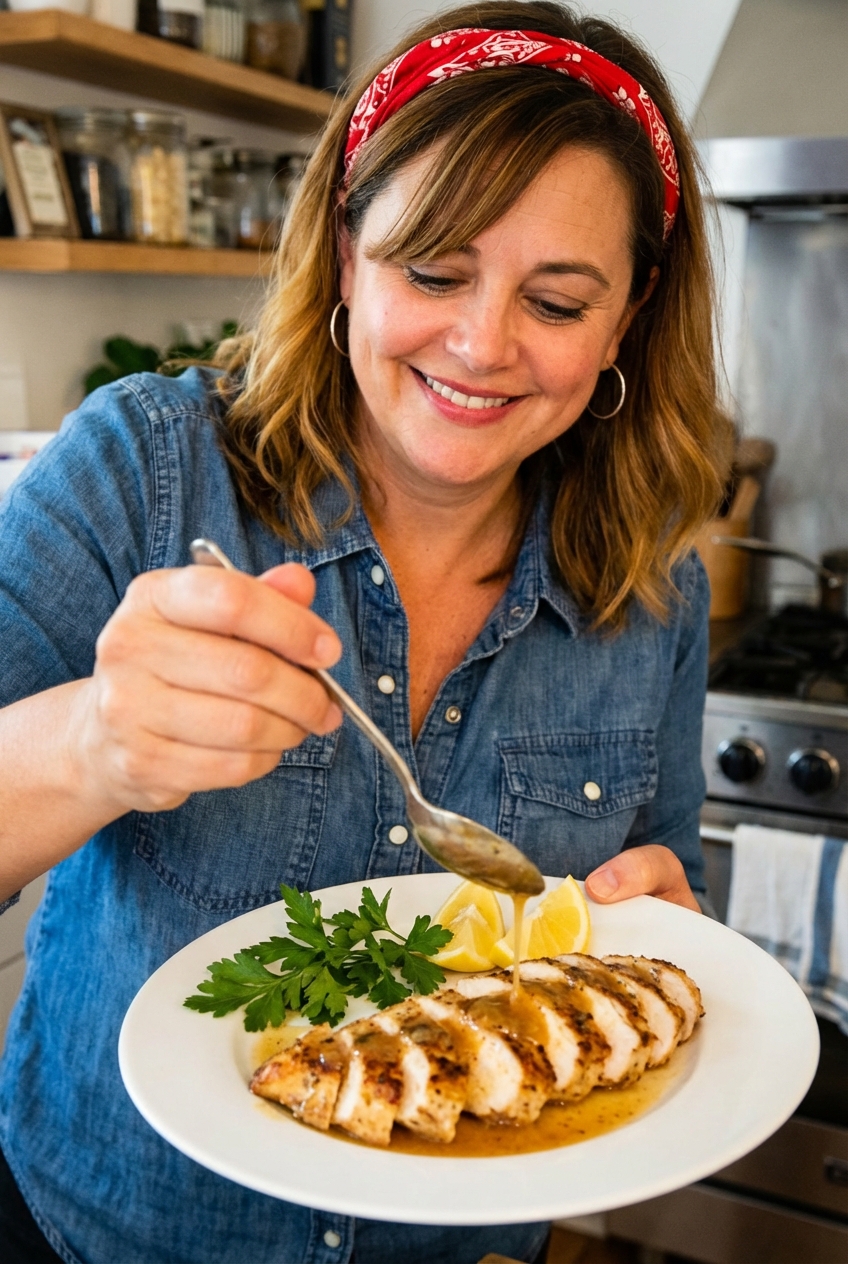
This recipe fixes that with three simple moves: even thickness (so it cooks evenly), a quick brine (so it stays juicy), and a hot sear plus a short rest (so the juices stay where they belong). Then we do the best part: a bright, cozy, spoonable lemon garlic pan sauce that makes plain chicken feel like you tried harder than you did.

If you want easy chicken breast recipes for juicy meals, keep this one in your weeknight rotation. It is fast, family-friendly, and the leftovers actually stay good.
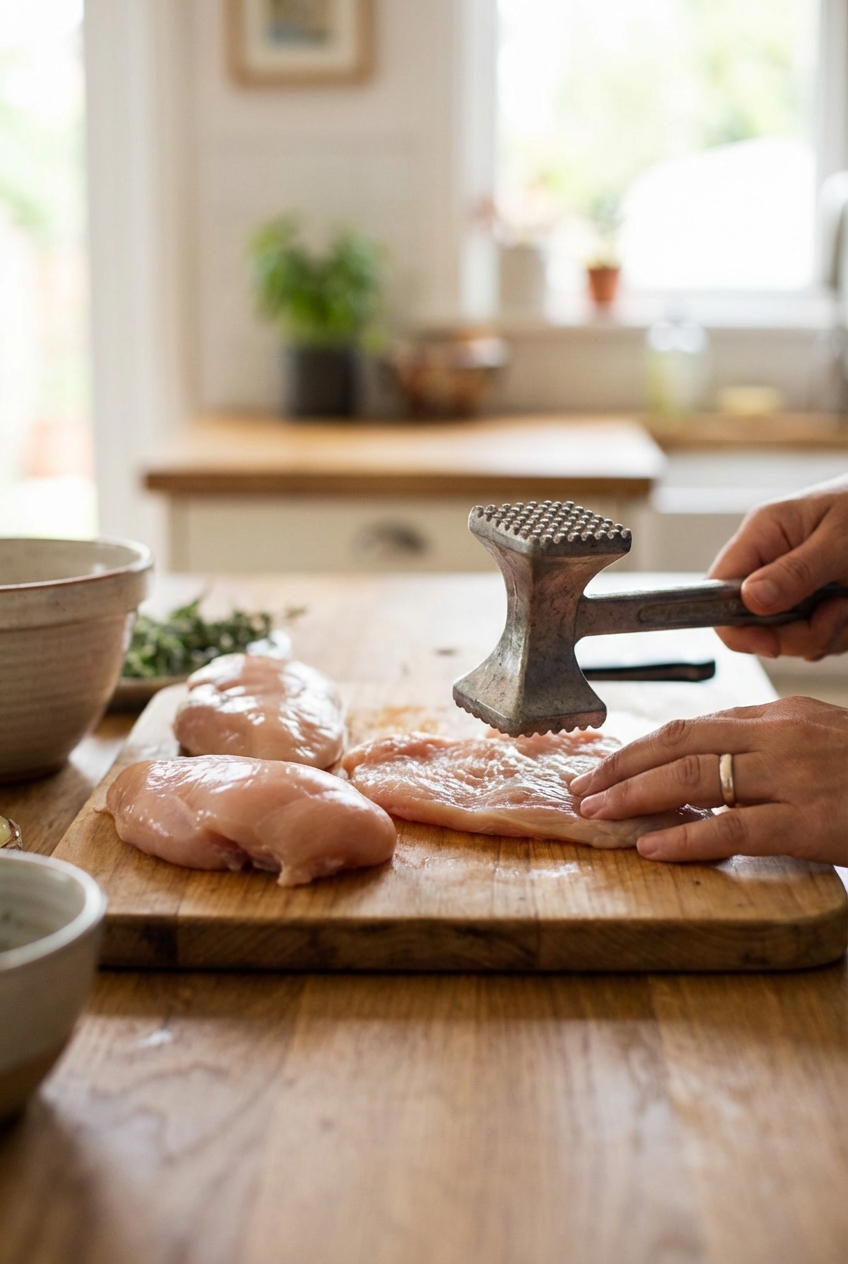
Raw chicken breasts on a cutting board being pounded to an even thickness with a meat mallet

Why It Works

  • Quick brine = built-in insurance. A short soak in salted water helps the chicken hold onto moisture, even if you slightly overcook it.
  • Even thickness cooks evenly. Pounding the thicker end prevents the skinny end from drying out while the center finishes.
  • High heat sear, then gentle finish. You get golden edges without blasting the inside. Do not crowd the pan, or you will steam instead of sear.
  • Pan sauce uses the good bits. Lemon, garlic, and butter pick up the browned fond in the skillet, so every bite tastes seasoned and intentional.

Juicy target: Pull the chicken when the thickest part hits 160°F, then rest 5 minutes. It will typically coast to about 165°F, which is the USDA instant-read guideline.

Pairs Well With

Storage Tips

  • Cool fast: Get leftovers into the fridge within 2 hours.
  • Store: Keep chicken and sauce together in an airtight container for maximum moisture. Refrigerate up to 4 days.
  • Freeze: Freeze in a freezer-safe container up to 2 months. Thaw overnight in the fridge.
  • Reheat without drying out: Add a splash of water or chicken broth, cover, and warm gently in a skillet over low heat until just hot. Microwave works too, just use 50 to 70% power and short bursts.
  • Leftover glow-up: Slice cold chicken for salads, tuck into wraps, or chop and toss with pasta and extra lemon.

Common Questions

How do I keep chicken breasts juicy every time?

Three things: even thickness, do not skip the rest, and use a thermometer. Pull at 160°F and let it coast. The USDA instant-read guideline is 165°F, and 160°F plus a 5 minute rest will typically get you there. If you have 15 minutes, a quick saltwater brine helps a lot.

Is brining necessary?

No, but it is the easiest “home cook cheat code” for juicy chicken. If you skip it, season generously and be extra careful not to overcook.

Can I use chicken thighs instead?

Yes. Boneless thighs are forgiving and stay juicy. Cook to at least 165°F for safety, then go to 175°F to 185°F if you like a more tender, silky bite.

What if my chicken is thick and won’t cook through without burning?

Pound it thinner next time. For now, after searing, lower the heat and cover the pan for a few minutes, or finish in a 375°F oven until it reaches temperature.

My sauce tastes too sour. How do I fix it?

Whisk in a little extra butter, or add a pinch of sugar or honey. Also make sure you are using enough salt. Lemon needs salt to taste balanced.

I used to cook chicken breasts like they were on a timer I could not see. I would guess, cut one open, panic, cook it longer, and then wonder why dinner tasted like chewy regret. The first time I started pulling them at 160°F and letting them rest, it felt like a magic trick that was somehow legal. This lemon garlic version is the one I make when I want weeknight comfort but still want that “okay, wow” seasoning moment when the sauce hits the plate.