Mom's Best Recipes
Recipe

Juicy Oven-Baked Chicken Breast

Tender, never-dry chicken breasts with crisp edges, a bright pan sauce option, and a foolproof method you can use on repeat.

Author By Matt Campbell
4.8
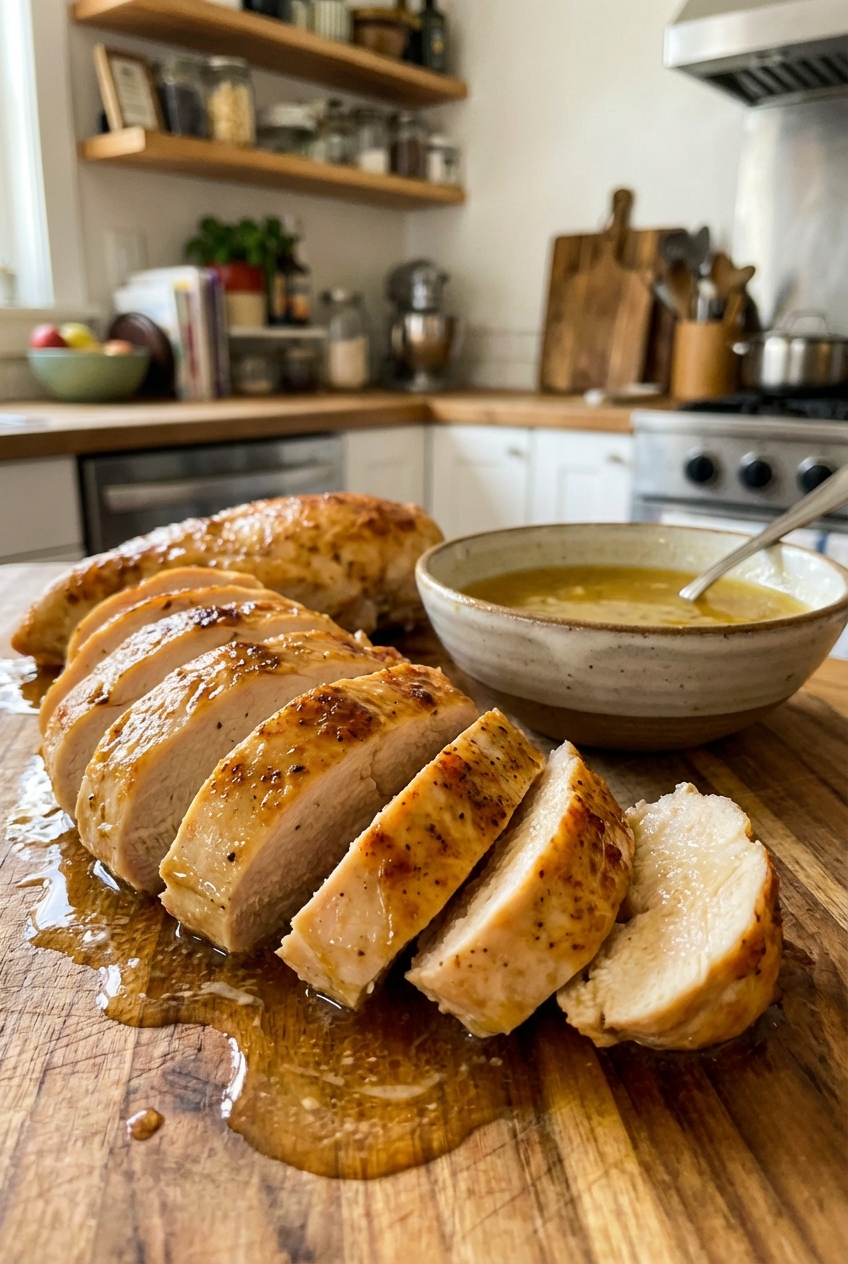
Sliced juicy oven-baked chicken breast on a sheet pan with roasted lemon halves and fresh herbs

Chicken breast gets a bad reputation for being dry, boring, and one missed timer away from heartbreak. But it does not have to be that way. This is my go-to method for juicy oven-baked chicken breast that feels weeknight-easy and still tastes like you tried.

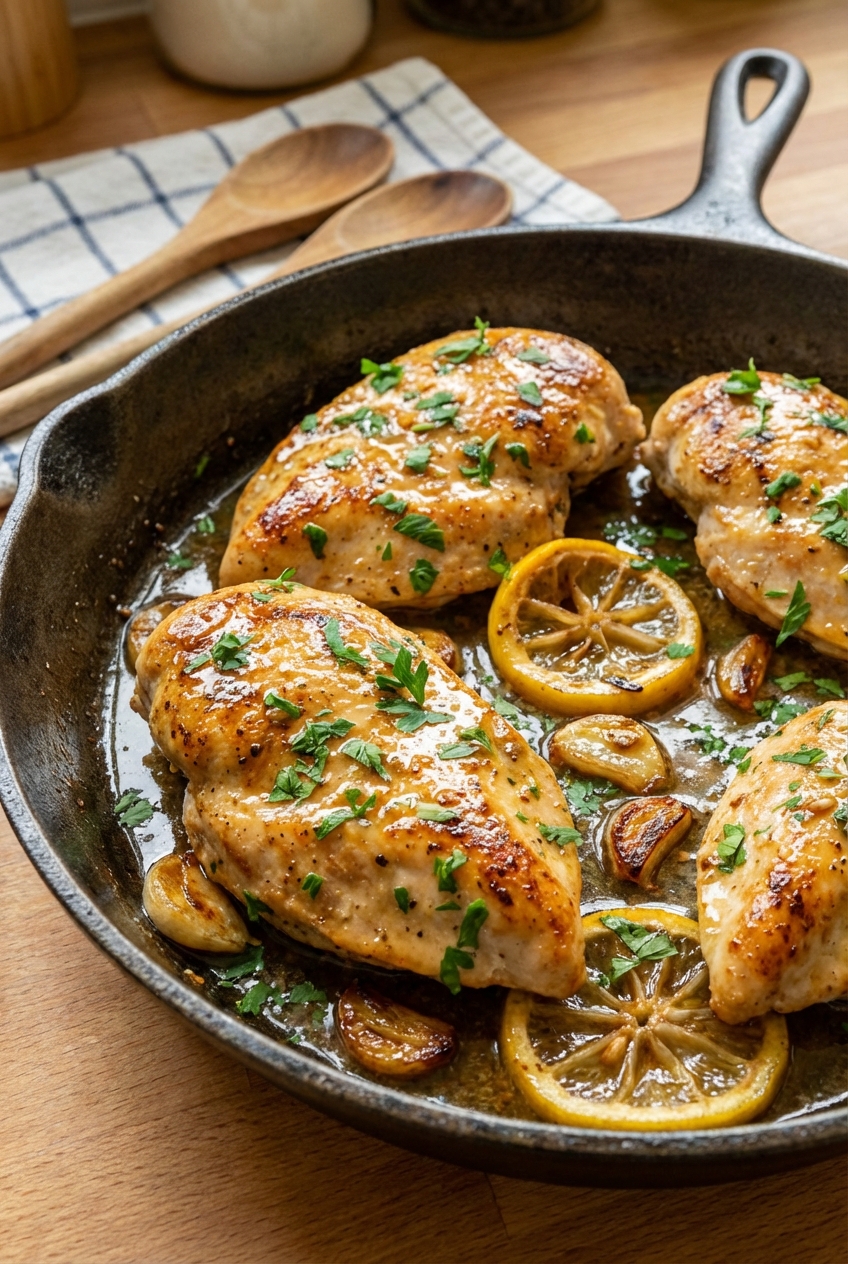
We are doing three things that actually matter: even thickness so it cooks evenly, a quick brine to lock in moisture, and a hot oven so you get those crisp, browned edges without overcooking the center. You can keep it simple and slice it over salads, bowls, and pasta, or go one tiny step further and turn the pan juices into a bright lemony sauce that makes people ask what your secret is.
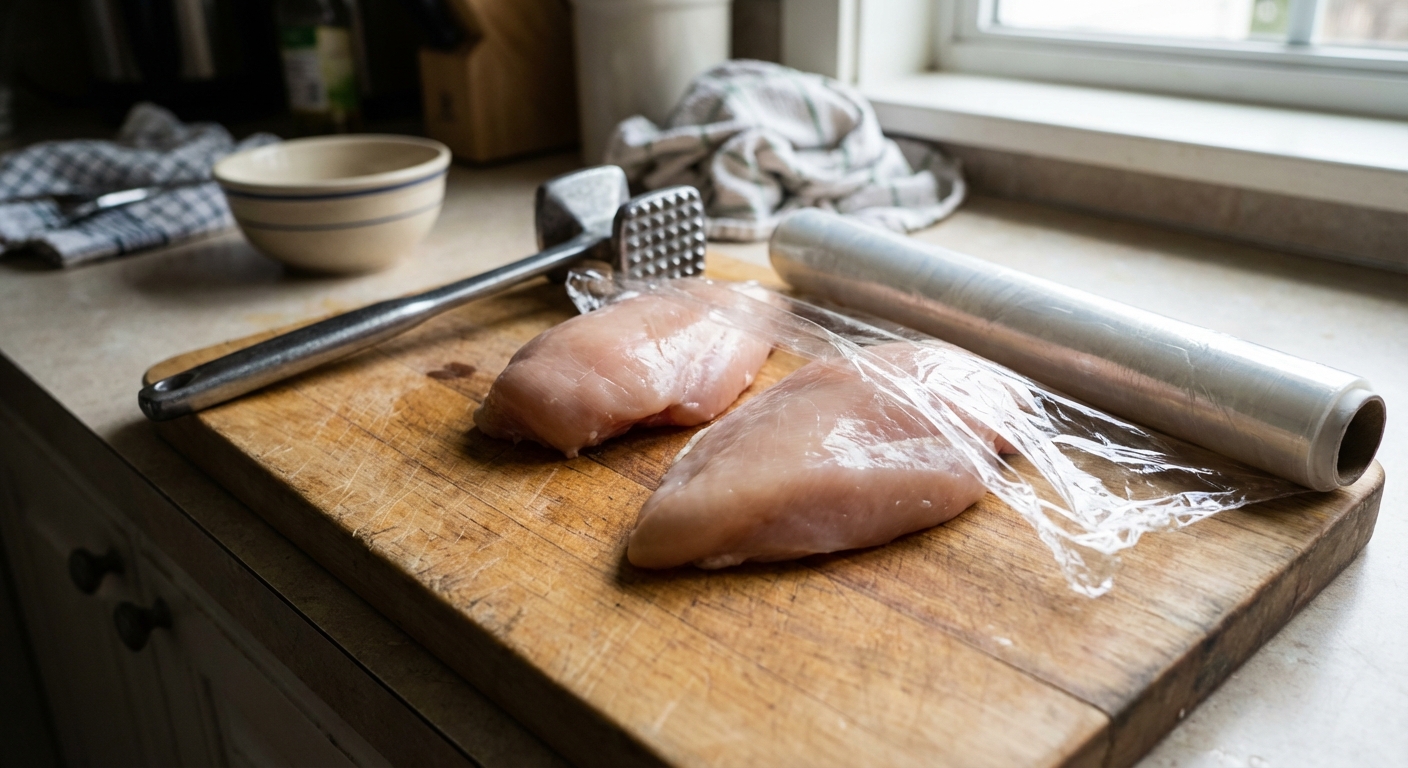
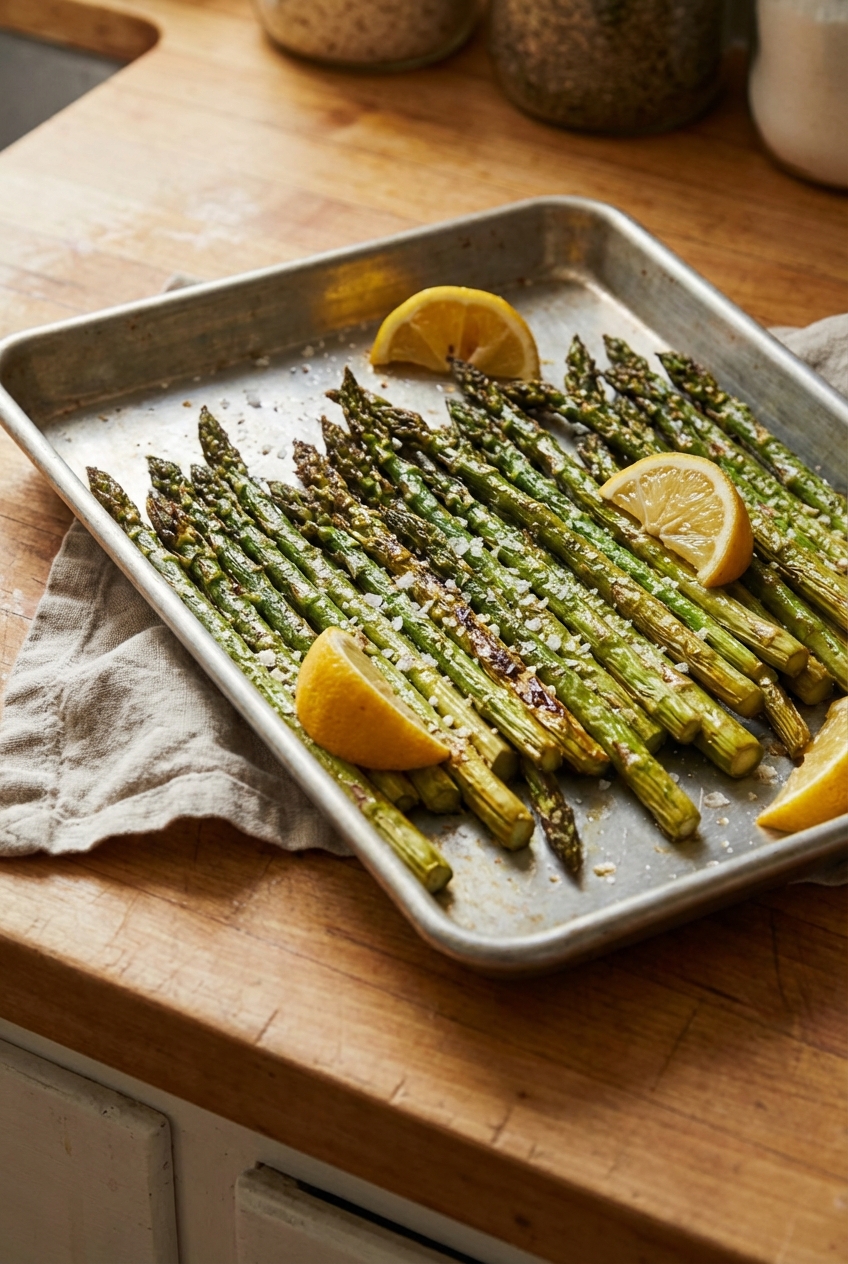
Raw chicken breasts on a cutting board with a meat mallet and plastic wrap, ready to be pounded to an even thickness

Why It Works

  • Quick brine = real moisture. A short saltwater soak seasons the chicken all the way through and helps it stay juicy even if you slightly overbake it.
  • Even thickness cooks evenly. Flattening the thick end prevents that classic problem where the outside is overdone while the center is still catching up.
  • High heat builds color fast. Baking at 425°F gives you browning and crisp edges before the meat has time to dry out.
  • Resting is non-negotiable. Five to ten minutes lets the juices redistribute so they stay in the chicken, not on your cutting board.
  • Flexible flavor. The seasoning blend is pantry-friendly and works with any side, and the optional pan sauce turns this into a “company’s coming” situation fast.

Pairs Well With

Storage Tips

How to Store Leftovers

Cool first. Let the chicken cool to room temp for about 20 to 30 minutes, then store. Do not leave it out for more than 2 hours total.

  • Fridge: Store in an airtight container for up to 4 days. Add any pan juices to the container to keep slices moist.
  • Freezer: Wrap individual breasts or sliced portions tightly and freeze up to 3 months. Thaw overnight in the fridge.
  • Reheat without drying out: Warm in a covered skillet with a splash of water or broth over low heat, or microwave at 50 to 70% power in short bursts. If you have time, slice first so it heats faster and stays tender.

Meal prep tip: Slice one breast, keep another whole. Sliced is great for salads and wraps, whole reheats a little juicier for dinner plates.

Common Questions

FAQ

What temperature should chicken breast be cooked to?

The safe minimum is 165°F in the thickest part. For the juiciest result, I like to pull it at 160 to 162°F and let carryover heat bring it up to 165°F while it rests. But carryover is not guaranteed for every breast size and pan setup, so only pull early if you are confident it will reach 165°F during the rest and confirm with a thermometer.

Do I really need to brine?

You do not have to, but it makes a noticeable difference. Even 15 minutes in a simple saltwater brine helps prevent dryness and seasons the meat beyond the surface.

Why did my chicken breast turn out tough?

Usually one of three things: it was overcooked, it was cooked unevenly (one end too thick), or it was sliced immediately without resting. A thermometer plus a short rest fixes most issues.

Can I use frozen chicken breasts?

For best texture, thaw first. If you are in a pinch, you can bake from frozen, but it will cook less evenly and take longer. If baking from frozen, skip the brine and bake at 400°F until it reaches 165°F, then rest.

How do I add more flavor without making it complicated?

Two easy upgrades: add lemon zest to the seasoning, or brush with a thin layer of Dijon mustard before baking. Both make the chicken taste like more than “just chicken.”

Does convection change anything?

Yes, a little. Convection ovens run hotter in practice and brown faster. If you use convection, keep the temp the same and start checking a few minutes earlier.

I used to treat chicken breast like a chore. I would bake it, hope for the best, then cover the evidence with sauce and call it dinner. When I started cooking on teams, I learned the unsexy truth: the difference between dry chicken and juicy chicken is not talent, it is process. Salt it, even it out, hit it with the right heat, then let it rest. Now this is the recipe I make when I want something reliable but still crave that moment where you cut in and the chicken actually looks, well, alive. Juicy. Not chalky. Not sad. Just dinner that shows up.