Mom's Best Recipes
Recipe

Juicy Pan-Seared Sirloin Steak

A weeknight steak that tastes like you booked a reservation. Crisp sear, buttery pan sauce, and a foolproof doneness guide.

Author By Matt Campbell
4.8 (312)
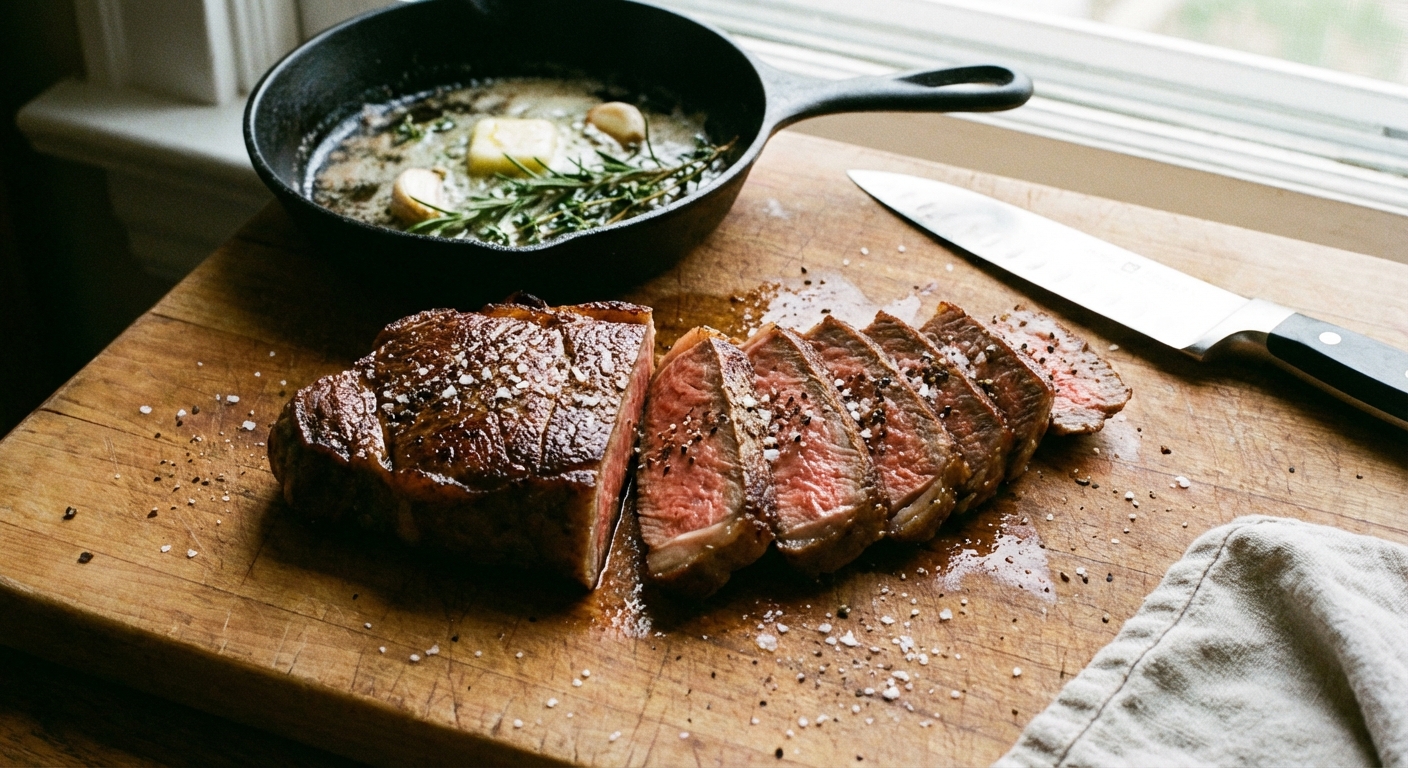
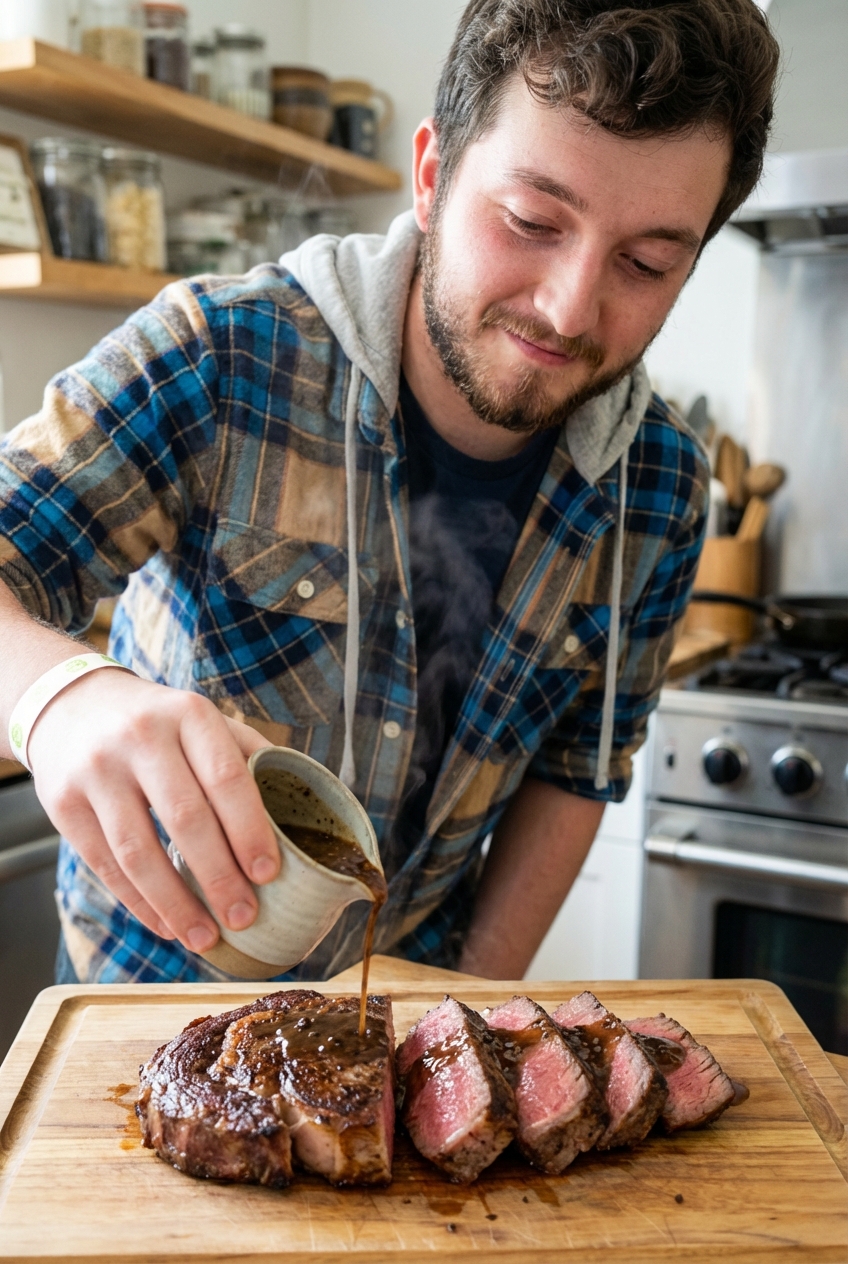
Sliced pan-seared sirloin steak on a cutting board with a browned crust and a small skillet of butter and herbs in the background

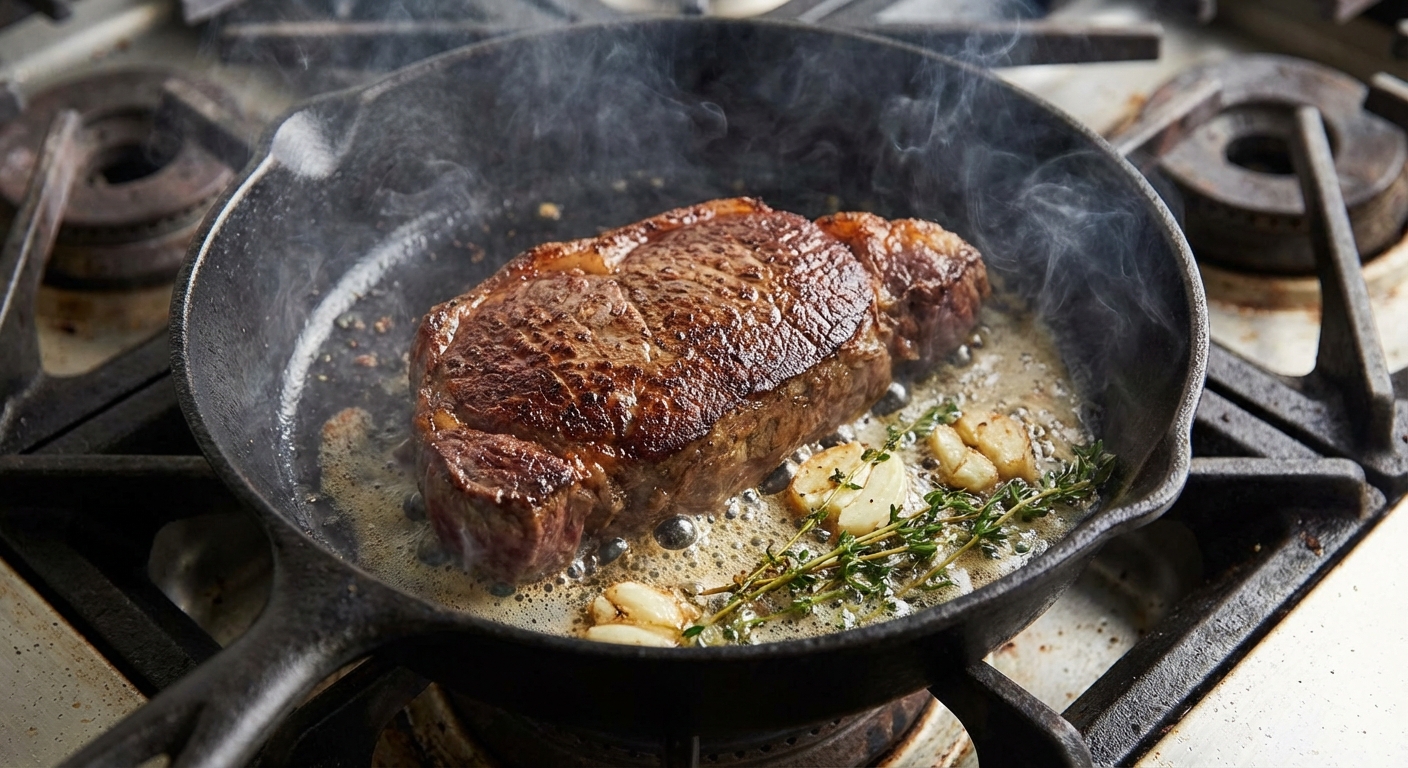
Sirloin is the “no one’s impressed until they are impressed” steak. It is affordable, easy to find, and when you treat it right, it eats like a much pricier cut. The trick is not complicated. You dry it, you salt it, you get your pan properly hot, and you let the steak do its dramatic little sizzle-monologue without poking it every six seconds.

This recipe is built for real life: one pan, minimal ingredients, maximum payoff. You get a deep brown crust, a juicy interior, and an optional pan sauce that tastes like you tried harder than you did. (We love that for us.)
Why It Works

  • Dry surface = better sear: Patting the steak dry and letting it air out for a few minutes helps the crust brown instead of steam.
  • Salt timing that works: If you can, salt at least 40 minutes ahead for deeper seasoning. If not, salt right before searing. (That in-between window can pull moisture to the surface.)
  • High heat, then control: You start hot to build crust, then use butter and aromatics to baste for flavor without burning.
  • Resting is non-negotiable: A 5 to 10 minute rest keeps juices in the steak where they belong, not all over your cutting board. A little juice is normal, just do not rush it.
  • Simple pan sauce option: A splash of stock or wine plus a little butter turns browned bits into something you want to spoon on everything.

Storage Tips

Leftover steak is a gift. Store it like you actually want to enjoy it tomorrow.

Refrigerate

  • Cool steak completely, then store in an airtight container for up to 3 to 4 days.
  • If you made the pan sauce, store it separately so the steak does not get soggy.

Freeze

  • Wrap slices tightly and freeze up to 2 months for best quality (it is still safe longer, but texture can start to slide).
  • Thaw overnight in the fridge.

Reheat without turning it into shoe leather

  • Best: Warm slices in a covered skillet over low heat with a splash of broth or water, 1 to 2 minutes per side.
  • Fast: Microwave at 50% power in 20 second bursts until just warm.
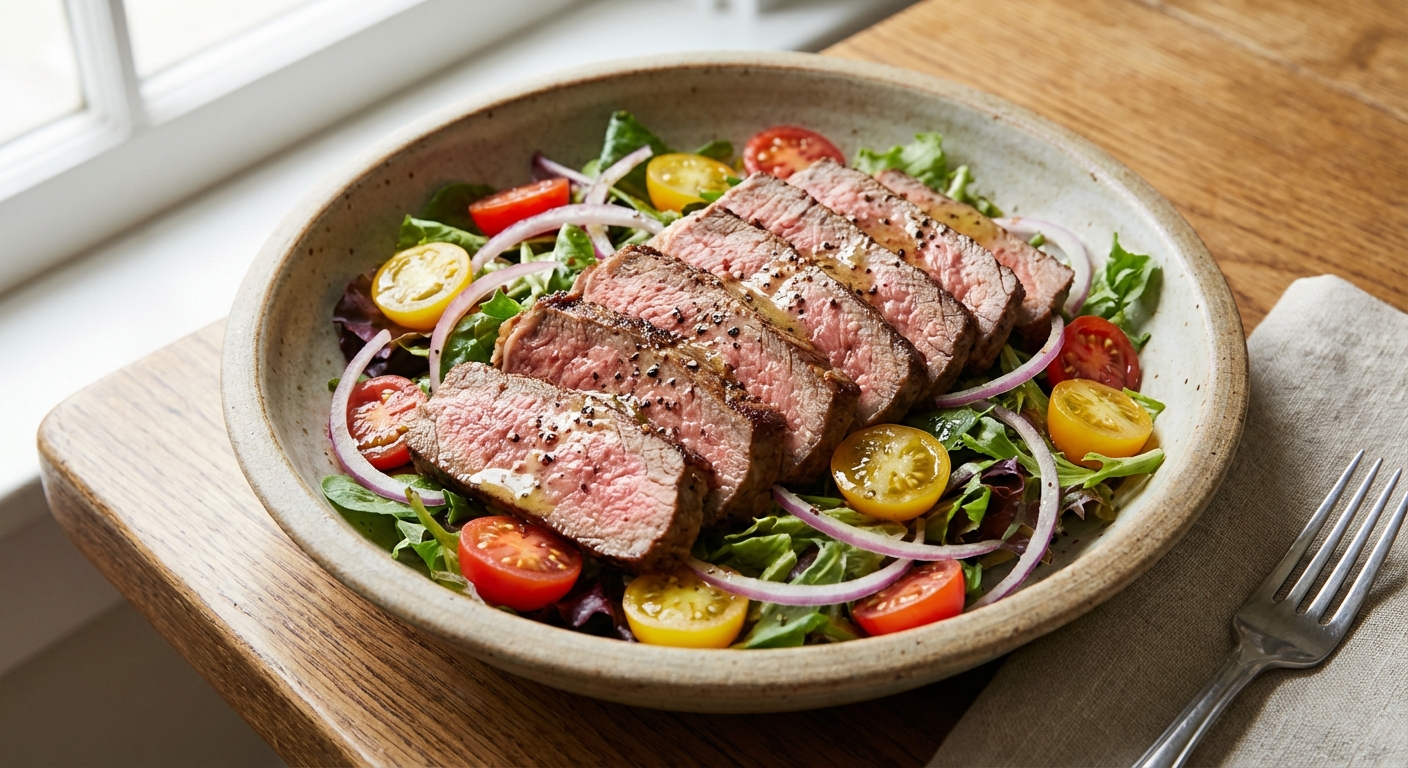
  • Even better: Eat it cold in a steak salad and pretend you are effortlessly glamorous.
Thinly sliced leftover sirloin steak fanned over a salad with cherry tomatoes and onions in a shallow bowl

Common Questions

What kind of sirloin should I buy?

Look for top sirloin steaks that are about 1 to 1 1/4 inches thick with some marbling. Very thin steaks can still work, but the window between “beautifully seared” and “overcooked” is basically one distracted glance away.

Do I need a cast iron skillet?

No, but it helps. Any heavy-bottomed skillet that holds heat well works. Avoid nonstick for high-heat searing.

How do I know when the steak is done?

A thermometer is the least dramatic way. Pull the steak when it is 5°F below your target since it keeps cooking as it rests. Carryover depends on thickness and rest time, so for thicker steaks, expect more like 5 to 10°F.

  • Rare: pull at 120°F, rest to ~125°F
  • Medium-rare: pull at 125°F, rest to ~130°F
  • Medium: pull at 135°F, rest to ~140°F
  • Medium-well: pull at 145°F, rest to ~150°F

Food safety note: USDA recommends 145°F plus a 3-minute rest for whole cuts of beef. Many people prefer lower temperatures for tenderness, so use your best judgment.

Why is my steak not browning?

Most common culprits: the steak was wet, the pan was not hot enough, or the pan was crowded. Pat dry, preheat properly, and sear one steak at a time if needed.

Can I season with more than salt and pepper?

Absolutely. Just be careful with sugar-heavy rubs at high heat because they burn. Garlic powder, smoked paprika, or steak seasoning are all fair game.

How do I keep smoke under control?

Use a high-smoke-point oil, turn on your vent, and do not overcrowd the pan. A little smoke is normal. A smoke alarm solo is not required for good steak.

I started making pan-seared sirloin during a phase of my life I call “I refuse to pay steakhouse prices, but I still want steakhouse feelings.” It began as a practical dinner, then quickly turned into a weekly ritual: hot pan, loud sizzle, butter bubbling like it has gossip to share. The first time I nailed the crust and sliced into a juicy center, I did the most humble thing possible: I ate standing at the counter, directly over the cutting board, like a tiny victorious caveperson with good seasoning.