Mom's Best Recipes
Recipe

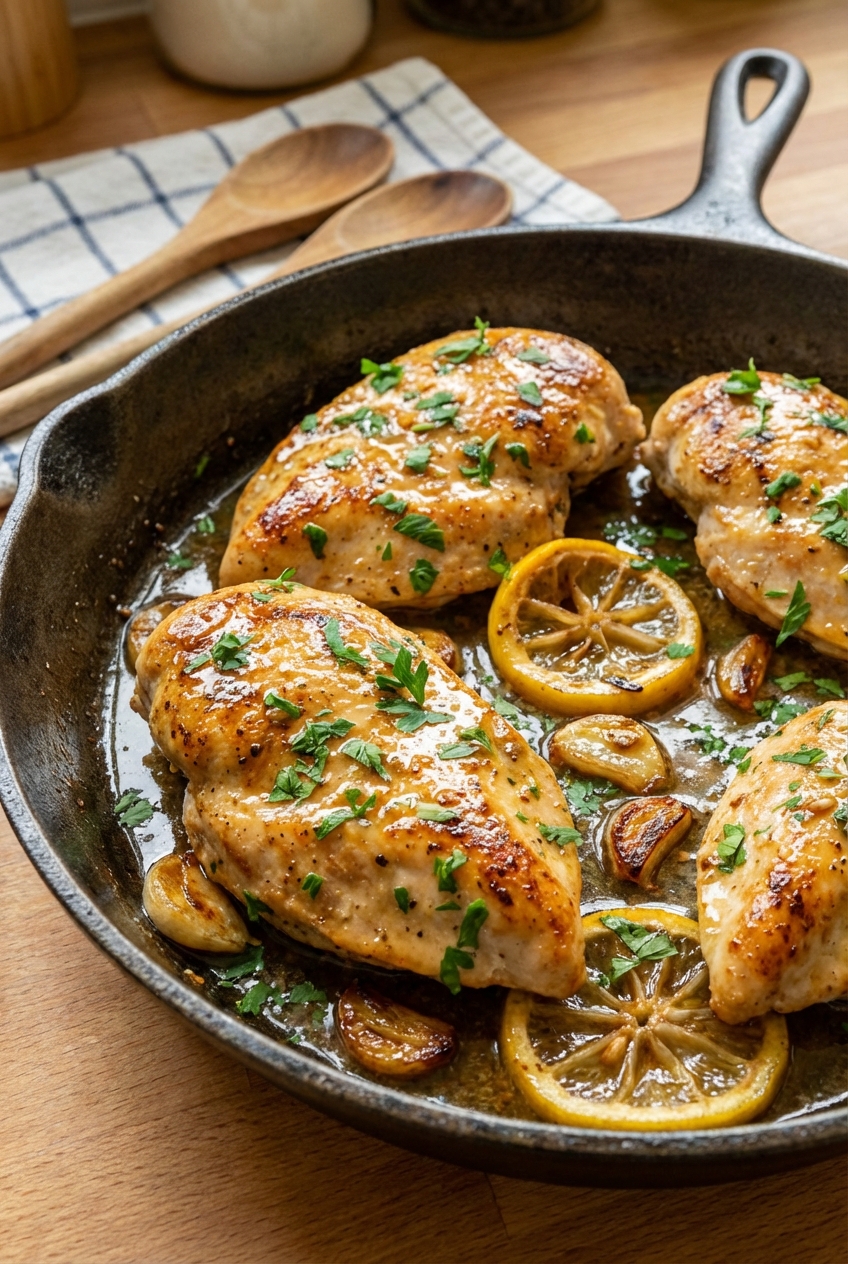
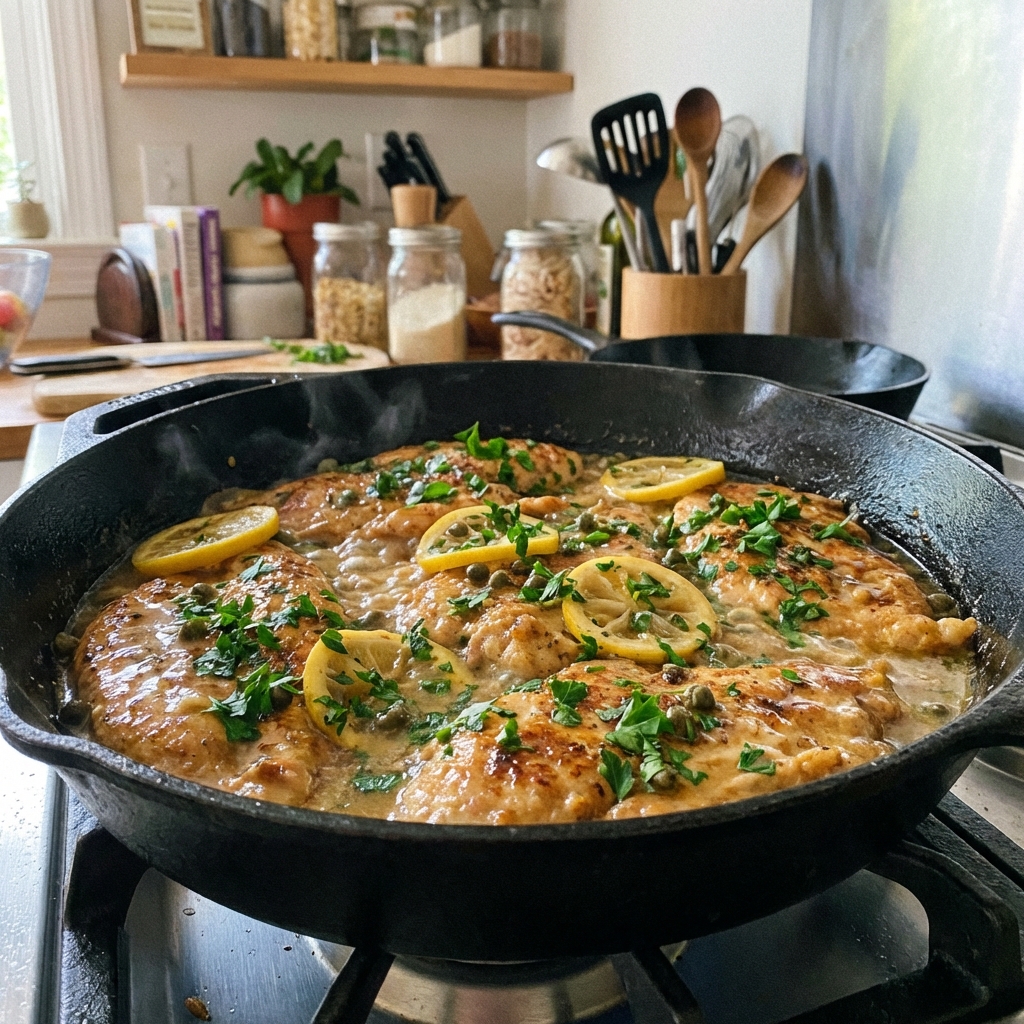
Juicy Skillet Chicken Breast

A fast, cozy skillet chicken breast with crisp edges, a bright pan sauce, and zero dry bites. Weeknight-friendly, restaurant vibes.

Author By Matt Campbell
4.8

Chicken breast gets a bad rap because it is so easy to overcook. One minute it is juicy and proud, the next it is giving “chewing politely.” This recipe is my no-drama fix: a quick skillet sear for crisp edges, then a simple pan sauce that makes everything taste like you tried harder than you did.

It is simple food in the best way. A handful of accessible ingredients. Clear steps. A sauce you can spoon over rice, pasta, or whatever carb is currently keeping your life together. If you are feeding picky eaters, meal prepping for the week, or just want chicken that actually tastes like something, you are in the right place.
Why It Works

  • Juicy, tender chicken from even thickness plus gentle finishing heat.
  • Crisp, golden edges thanks to a hot pan and a quick flour dusting that is optional but highly recommended.
  • A bright, silky pan sauce built from the browned bits, lemon, and a little butter.
  • Weeknight speed with big payoff. One skillet, about 25 minutes.

Pairs Well With

Storage Tips

Refrigerate: Store chicken and sauce in an airtight container for up to 4 days.

Reheat (best method): Warm in a skillet over low heat with a splash of water or chicken broth. Cover for 2 to 4 minutes, just until heated through. Low and slow keeps it tender.

Microwave method: Slice the chicken first, add a spoonful of sauce, cover loosely, and microwave in 20 to 30 second bursts until warm. For safety, the most reliable check is that it reaches 165°F.

Freeze: Freeze in a freezer-safe container for up to 2 months for best quality (it stays safe longer if kept continuously frozen). Thaw overnight in the fridge. The sauce may look separated after thawing, but a gentle reheat and stir brings it back.

Common Questions

How do I keep chicken breast from drying out?

Three things: get it to an even thickness, do not crank the heat the whole time, and use a thermometer. For this recipe, pull the chicken when the thickest part hits 150°F to 155°F, then finish it gently in the sauce or with a rest. You are aiming for 165°F at the end, but carryover heat is real and it varies depending on thickness.

Do I have to use a meat thermometer?

It is the easiest way to get consistent results, especially with chicken breast. If you do not have one, slice into the thickest part. The center should be opaque, not glossy. Visual cues help, but temperature is the most reliable.

Can I use chicken thighs instead?

Yes. Boneless, skinless thighs work great and are even more forgiving. They are safe at 165°F. If you like them extra tender, you can take them higher (around 175°F to 185°F) for texture, not safety.

Is the flour necessary?

No, but it helps you get that lightly crisp exterior and it gives the sauce a little body. If you are gluten-free, use cornstarch or a gluten-free flour blend, or skip it entirely.

What if my sauce tastes too sharp or too bland?

If it is too sharp, add another small knob of butter or a tiny pinch of sugar. If it is bland, add salt first, then a squeeze of lemon, then a little more pepper. Taste as you go. You are in charge.

How do I keep the chicken from steaming instead of searing?

Do not crowd the pan. If your skillet is not big enough for the chicken in one layer with space around each piece, cook in batches. A hot pan plus breathing room equals golden edges.

I started making this kind of chicken when I got tired of the “healthy chicken breast” routine that somehow always tasted like punishment. The first time I nailed it, it was because I stopped rushing the rest and actually let the pan do its job. Hot skillet, golden crust, then a quick lemony sauce that felt like a secret weapon. Now it is the meal I make when I want dinner to be easy but still get that little pause at the table like, “Okay, wow.”