Mom's Best Recipes
Recipe

Best Pork Chop Recipe

One foolproof method, three easy flavor spins, and the quick pan sauce that makes pork chops taste restaurant-good on a Tuesday.

Author By Matt Campbell
4.8
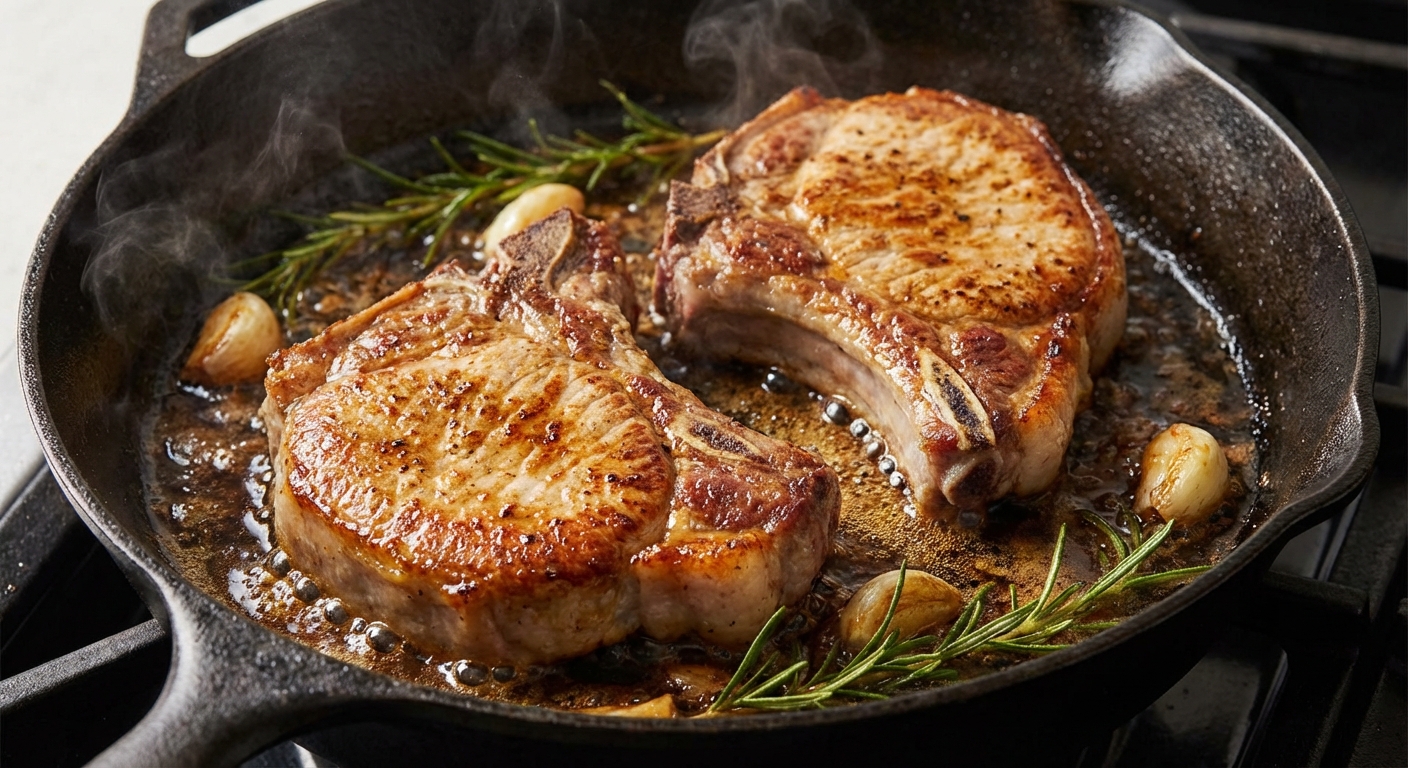
Golden-brown bone-in pork chops sizzling in a cast iron skillet with rosemary, garlic, and bubbling pan sauce

Pork chops have a reputation problem. Someone, somewhere, overcooked one in 1997 and we have all been paying for it ever since. But here is the truth: pork chops can be juicy, tender, and borderline luxurious with a couple small moves that stack the odds in your favor.

This page is my go-to pork chop playbook for Mom’s Best Recipes: one simple skillet method that works with bone-in or boneless chops, plus three easy flavor spins so you can keep dinner exciting without turning your kitchen into a science lab.

We are chasing crisp edges, a rosy, juicy center, and a bright, glossy pan sauce you will want to mop up with whatever carb is nearby. Taste as you go. You are allowed.
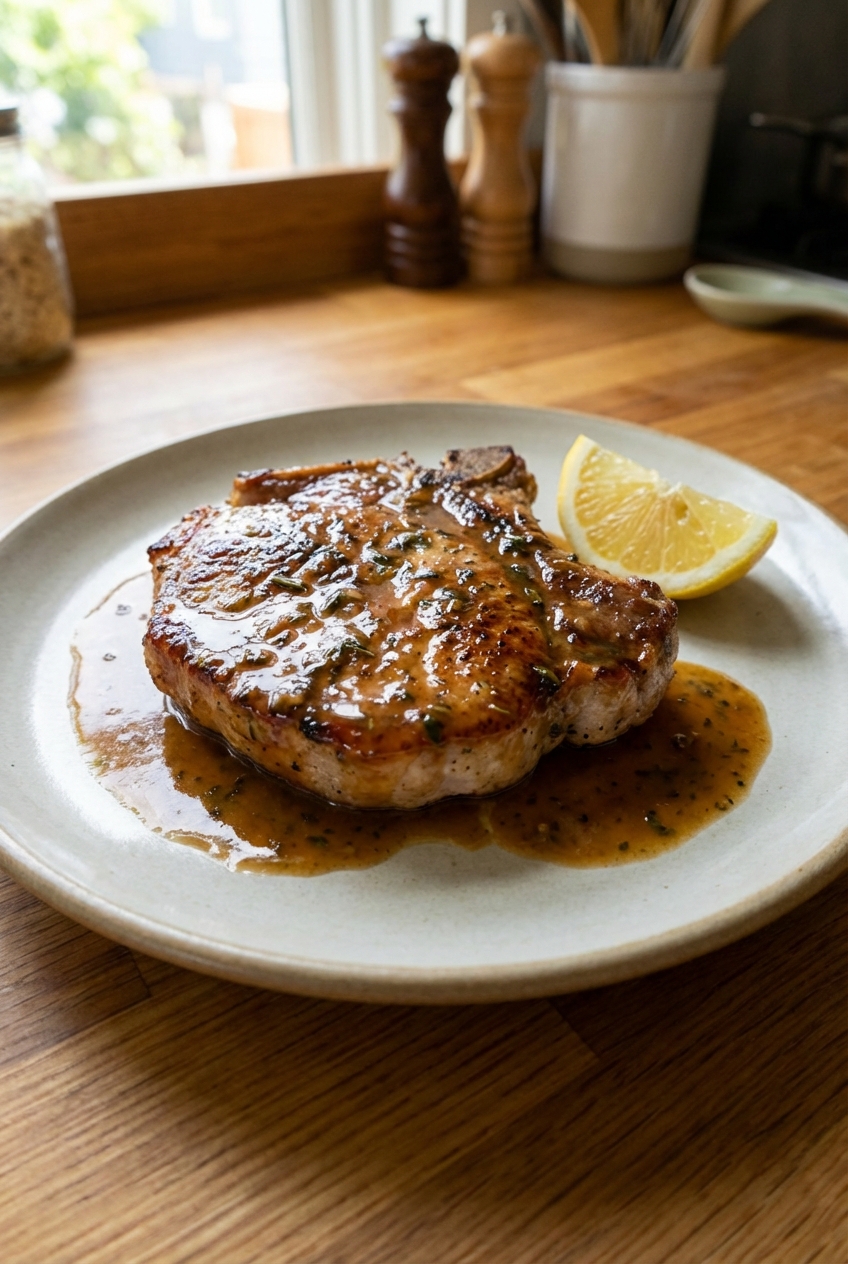
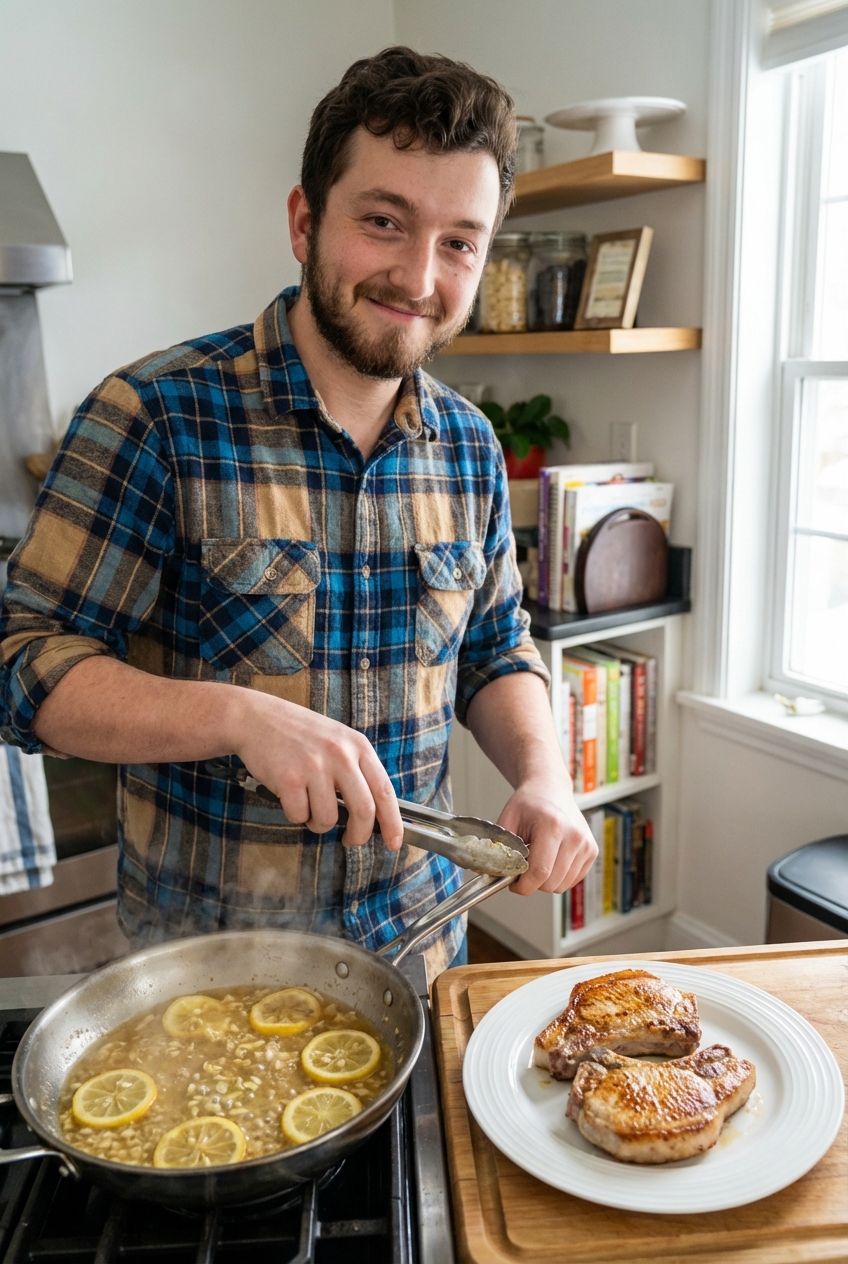
A plated pork chop with glossy pan sauce and a wedge of lemon on a simple weeknight dinner plate

Why It Works

  • Quick brine option: 15 minutes in salted water boosts moisture and seasoning all the way through.
  • Hard sear, gentle finish: You get that golden crust first, then finish cooking without drying the chop out.
  • Temperature wins: Cooking to 145°F and resting at least 3 minutes means juicy pork, not chewy pork.
  • Pan sauce built in: The browned bits are flavor. A splash of broth and lemon turns them into a sauce in minutes.

Pairs Well With

Storage Tips

Fridge: Store pork chops in an airtight container for up to 3 to 4 days. Keep any pan sauce separate if you can so you can rewarm it gently and spoon it over the top.

Freezer: Freeze cooked chops up to 2 months for best quality. (They are safe longer, but quality is best within that window.) Wrap tightly and freeze with a little sauce to protect them from drying out.

Reheat without sadness: Warm in a covered skillet over low heat with a splash of broth or water until just heated through. Or microwave at 50% power in short bursts. The goal is warm, not “cooked again.”

Leftover idea: Slice thin and toss into a salad, ramen, or a quick sandwich with mustard and pickles.

Common Questions

What internal temperature should pork chops be?

For juicy (and safe) chops, cook to 145°F and rest for at least 3 minutes. If you like to pull a little early, you can pull around 140°F only if you are confident carryover heat will bring the center up to 145°F while resting. An instant-read thermometer makes this easy.

Bone-in or boneless, which is better?

Bone-in chops are a little more forgiving and stay juicy. Boneless chops cook faster and are easier to slice. The method here works for both. Just watch thickness and temperature, and do not treat minute marks as universal.

Why are my pork chops tough?

Most of the time it is overcooking. Second place is thin chops that overcook while you chase browning. Buy chops that are 1 to 1 1/2 inches thick when possible and use a thermometer.

Do I need to brine?

No, but it helps. A quick brine (salt water) is an easy win for moisture and seasoning. If you are short on time, salt the chops and let them sit while the pan heats up.

Can I bake these instead?

Yes. Sear first, then finish in a 400°F oven until they reach 145°F, then rest at least 3 minutes. Baking alone works, but you will miss out on the best crust and the pan sauce magic.

The first time I made pork chops that were actually juicy, I felt like I had unlocked a secret level of weeknight cooking. It was not a complicated recipe. It was just a couple of small choices: thicker chops, a hot pan, and cooking them to the right temperature instead of “done done.”

Now this is the meal I reach for when I want dinner to feel like I tried, without spending my whole evening trying. Also, that lemony pan sauce has a way of making everyone hover near the stove with a piece of bread. I respect that energy.