Mom's Best Recipes
Recipe

Keto Cheesecake

A rich, tangy, baked keto cheesecake with an almond flour crust and a creamy, lower-crack-risk filling.

Author By Matt Campbell
4.8
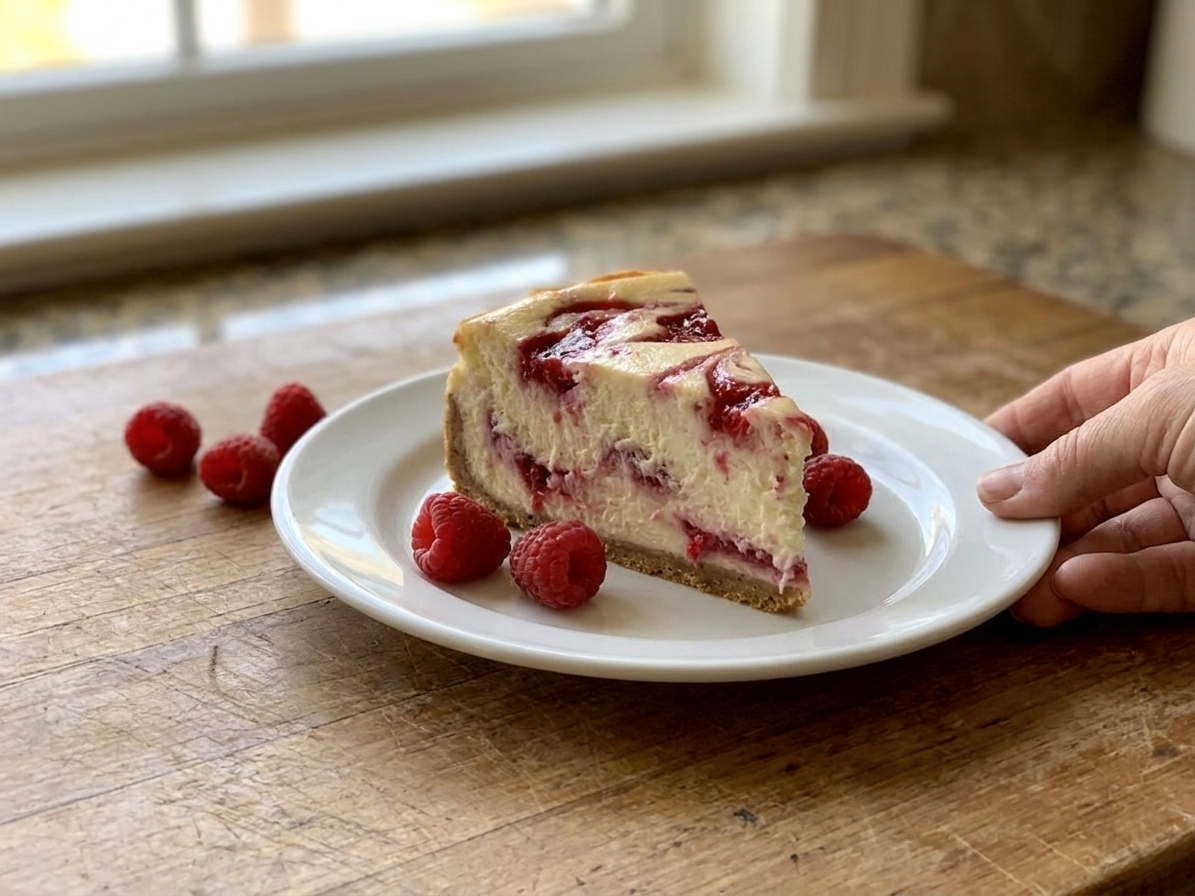
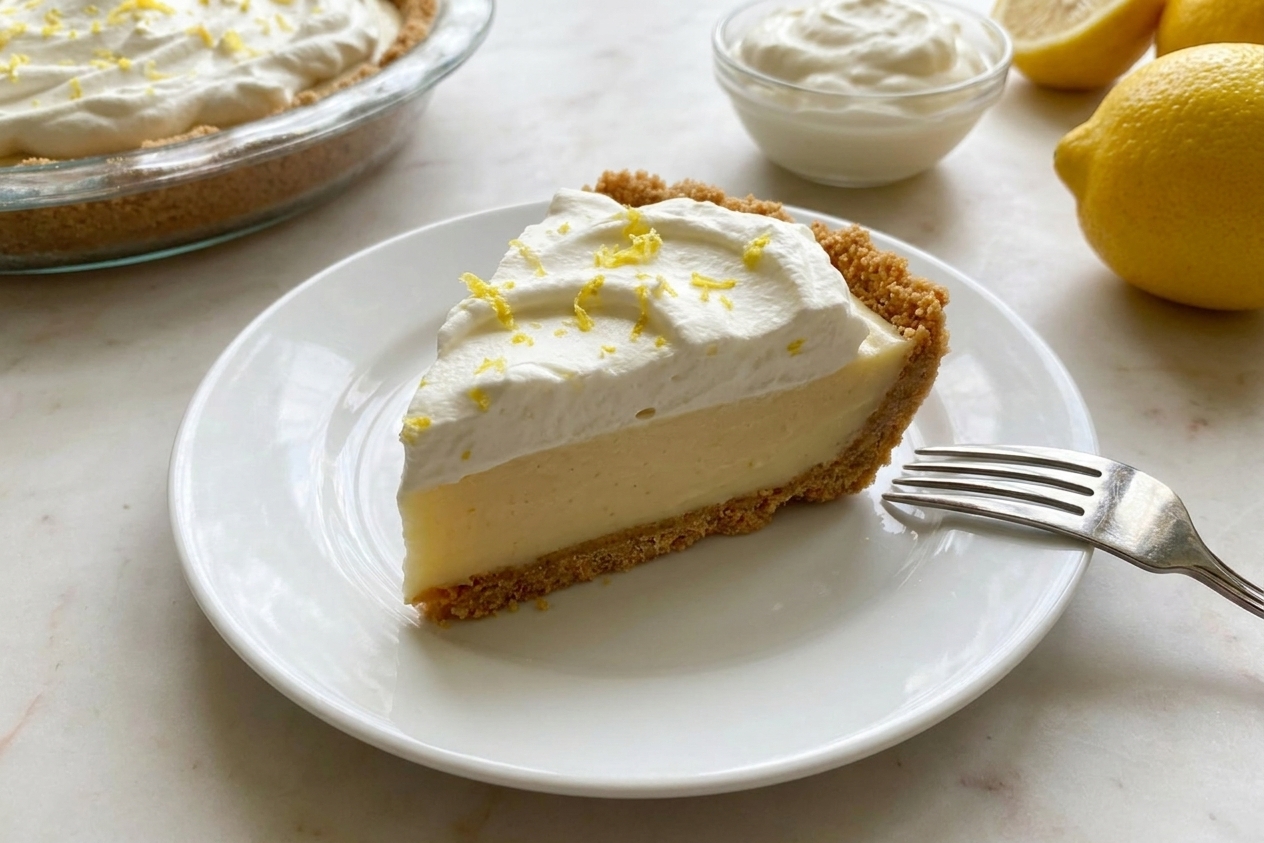
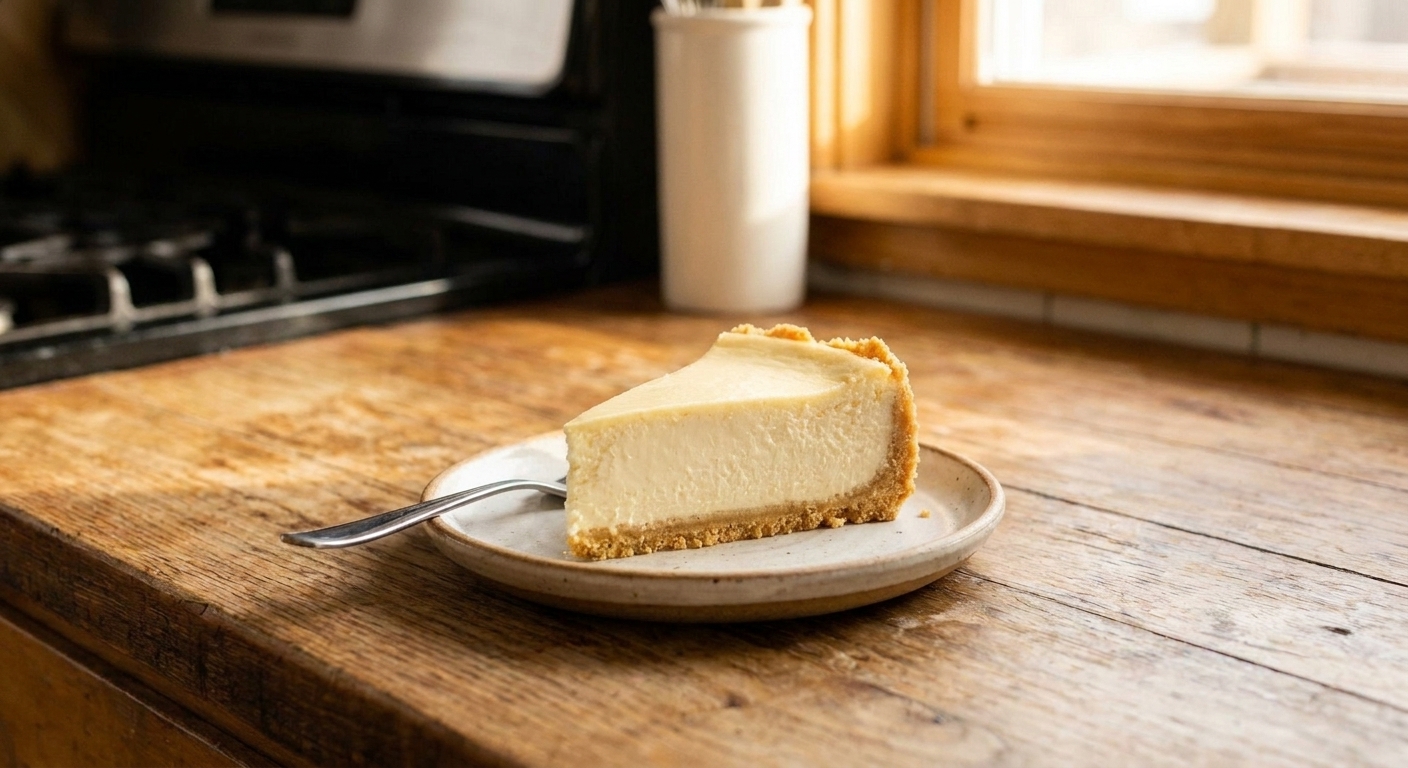
A single slice of creamy keto cheesecake with an almond flour crust on a small plate on a simple kitchen table

Cheesecake is one of those desserts that feels like a flex even when you barely did anything. It is creamy, a little tangy, and somehow always tastes like you planned your life better than you did. This keto cheesecake keeps that classic, bakery-style vibe, but swaps the sugar and graham crackers for ingredients that still feel normal in a regular grocery cart.

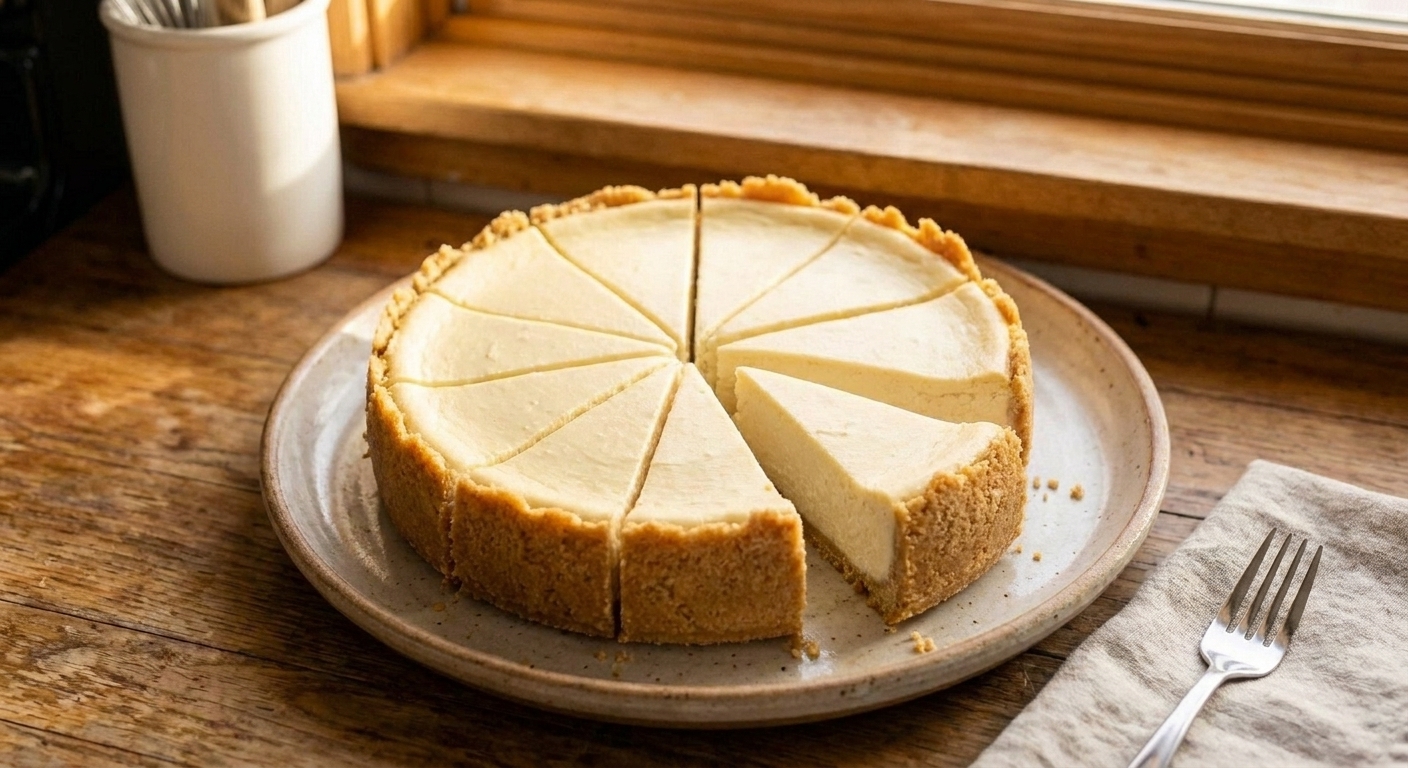
We are going baked here, because I want that dense-but-silky slice that cuts clean and melts slow. No weird aftertaste, no sad texture, no “it is basically mousse” energy. Just a legit cheesecake with crisp crust edges and a filling that is designed to keep the top calm and the cracks minimal.

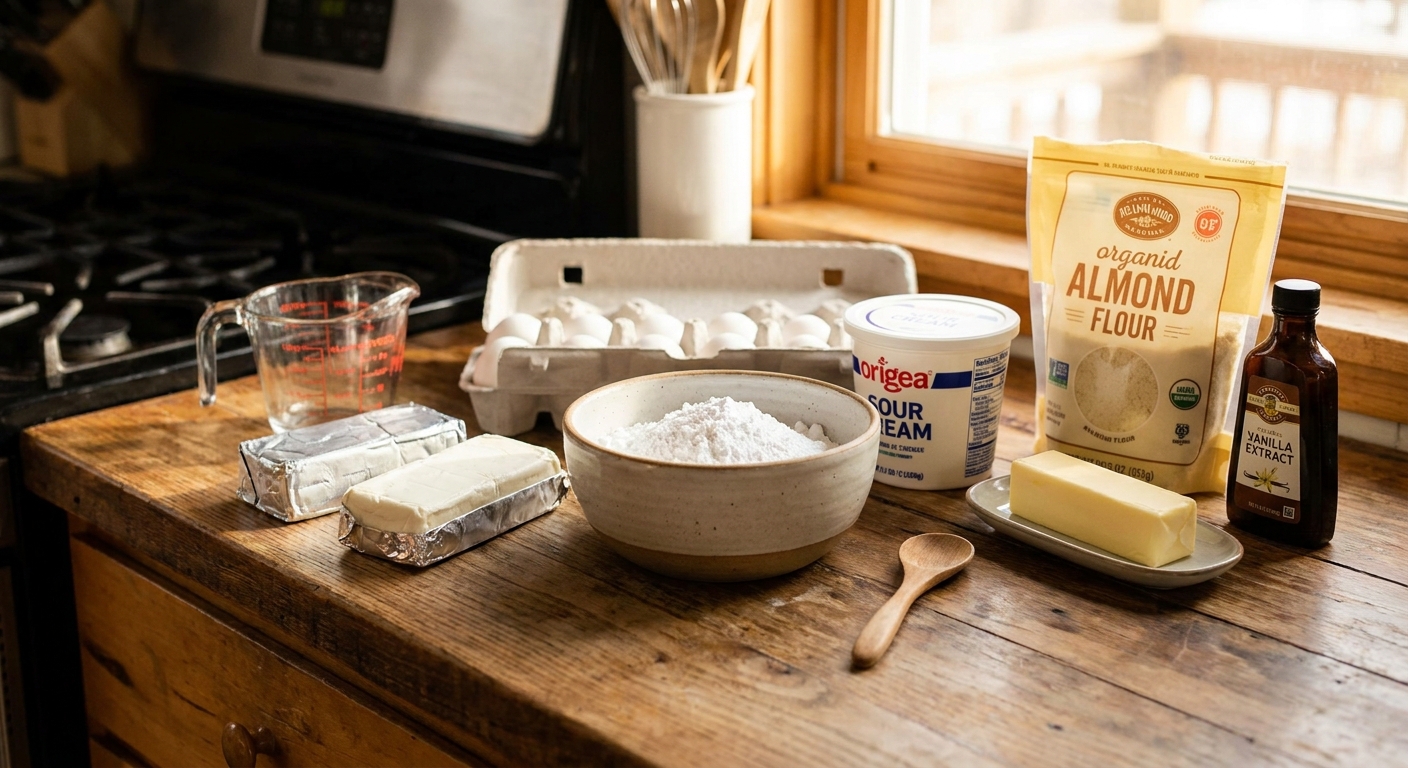
Cream cheese, eggs, sour cream, almond flour, butter, vanilla, and a bowl of powdered sweetener arranged on a kitchen counter

Why It Works

  • Classic texture without the carbs: Full-fat dairy plus gentle baking gives you that smooth, rich, sliceable cheesecake.
  • Almond flour crust that actually holds: Butter, almond flour, and a little sweetener bake into crisp edges that do not crumble into dust.
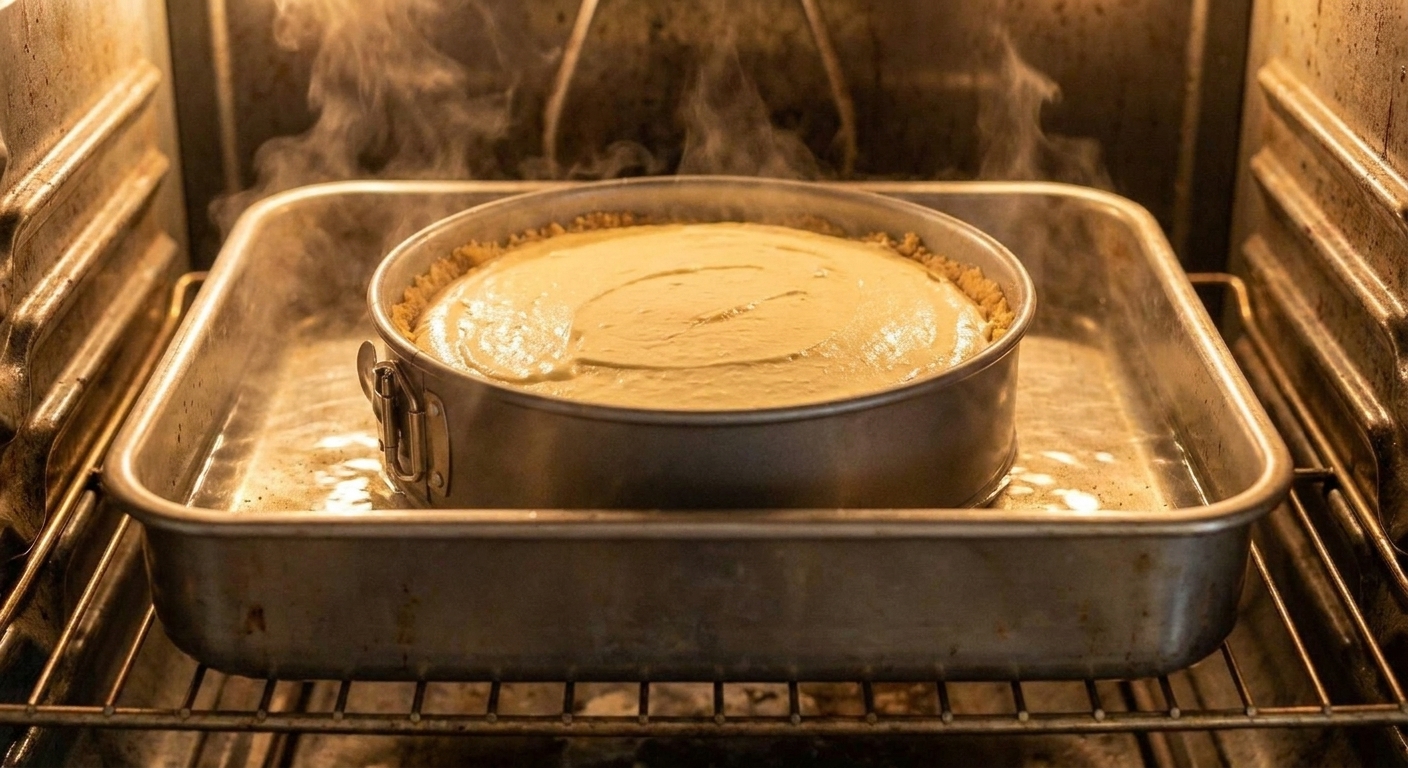
  • Lower crack risk: Room-temperature ingredients, low mixing, and an optional water bath keep the top calm and creamy.
  • Make-ahead friendly: This is better after a long chill, which means you can bake it a day early and look like a genius.

Pairs Well With

Storage Tips

Refrigerator: Cover the cheesecake (or individual slices) and refrigerate for up to 5 days. I like storing slices in a single layer in an airtight container so they are grab-and-go.

Freezer: Freeze slices for up to 2 months. Wrap each slice in parchment, then plastic wrap, then place in a freezer bag. Thaw overnight in the fridge.

Best serving texture: For the creamiest bite, let a slice sit at room temperature for 10 to 15 minutes before eating.

Net carbs note: Net carbs vary a lot by sweetener brand and any toppings you add, so I do not list a single number here. If you track closely, plug your exact ingredients into your preferred calculator.

Common Questions

What is the best sweetener for keto cheesecake?

Powdered allulose is my favorite for cheesecake because it dissolves smoothly and tends to stay softer once chilled, which can help you avoid that gritty, re-crystallized texture some sweeteners develop in the fridge. Powdered erythritol also works, but it can feel a bit “cooling,” and it is more likely to firm up or get slightly grainy when cold.

Brand and blend note: Results vary a lot by brand and by blend (pure erythritol vs erythritol plus monk fruit, for example). If you have a sweetener you love, use it. Just powder it and taste-adjust before the eggs go in.

How much sweetener should I use if I swap brands?

Here is a simple starting point, then adjust to taste (before adding eggs):

  • Allulose: start with the full amount listed in the recipe. It is usually less sweet than sugar.
  • 1:1 “sugar replacement” blends (often erythritol plus monk fruit): start with 1/2 to 2/3 of the amount listed, then add more if needed.
  • Pure erythritol: start around 2/3 to 3/4 of the amount listed, then adjust.

If you use a granulated sweetener, blitz it into a powder first for the smoothest filling.

Do I really need a water bath?

Not strictly, but it helps a lot with even baking and fewer cracks. If you skip it, keep the oven temperature steady, do not overmix, and let the cheesecake cool slowly in the turned-off oven with the door cracked.

Why did my cheesecake crack?

Most cracks come from too much air in the batter (overmixing), baking too hot, or cooling too fast. Room-temperature cream cheese and eggs help, and mixing on low just until smooth is the move. A water bath helps too, but nothing is truly crack-proof. It is more “crack-resistant,” not “crack-proof.”

Can I make this without a crust?

Yes. Grease the pan well and line the bottom with parchment. The bake time is similar, but the cheesecake will be more delicate when slicing, so chill thoroughly.

How do I know it is done?

The edges should look set, and the center should still have a gentle wobble, like set Jell-O. If you have an instant-read thermometer, aim for about 145°F to 155°F in the center, keeping in mind carryover heat will continue setting it as it cools.

  • Pull at 145°F to 150°F for a creamier, silkier center.
  • Pull at 150°F to 155°F for a slightly firmer, more classic “New York” slice.

Can I use an 8-inch or 10-inch pan?

Yes, but bake time changes. An 8-inch cheesecake will be thicker and usually needs a bit more time. An 10-inch will be thinner and often bakes faster. Use the wobble test and the temperature cue instead of the clock.

I love cheesecake because it is the ultimate “quiet confidence” dessert. Nobody needs to know you basically made a fancy dairy situation and let time do the hard part. The first time I tested a keto version, I got cocky, cranked the mixer, and baked it too hot. The top looked like a map of tiny earthquakes. Still delicious, but not cute.

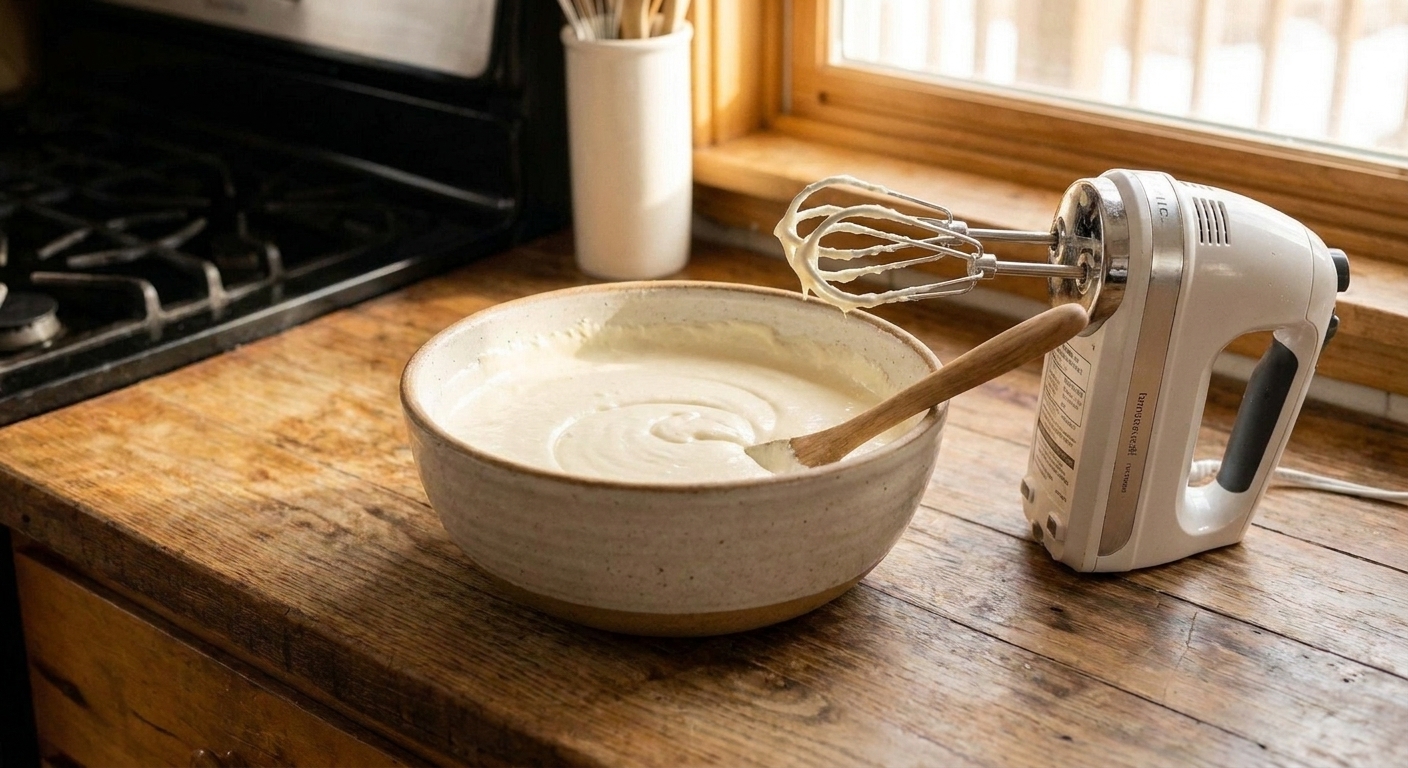
Now I treat cheesecake batter like a lazy Sunday. Gentle mixing, low drama heat, and a long chill. It is the kind of recipe that rewards patience, and luckily the reward is cheesecake.

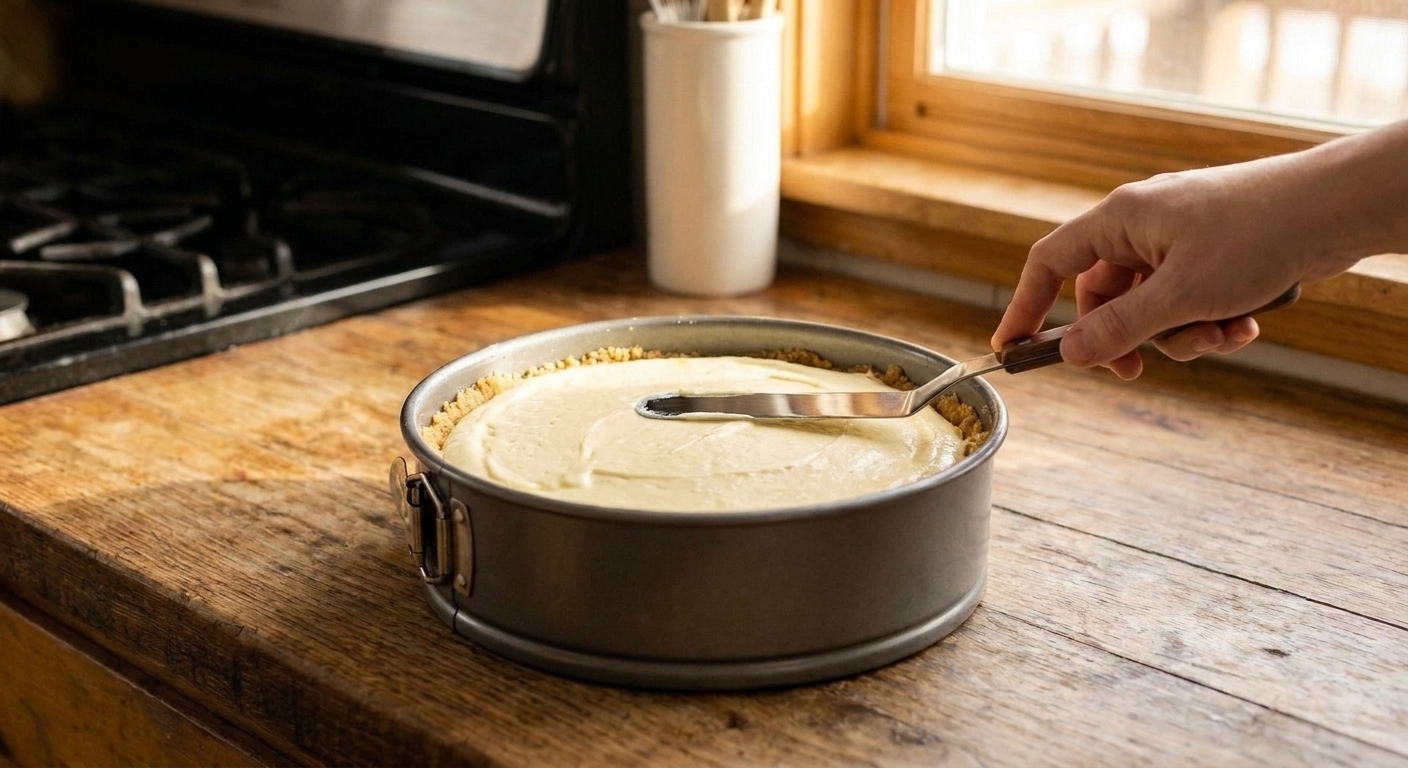
A spatula smoothing creamy cheesecake batter in a springform pan on a kitchen counter