Is dhokla the same as khaman?
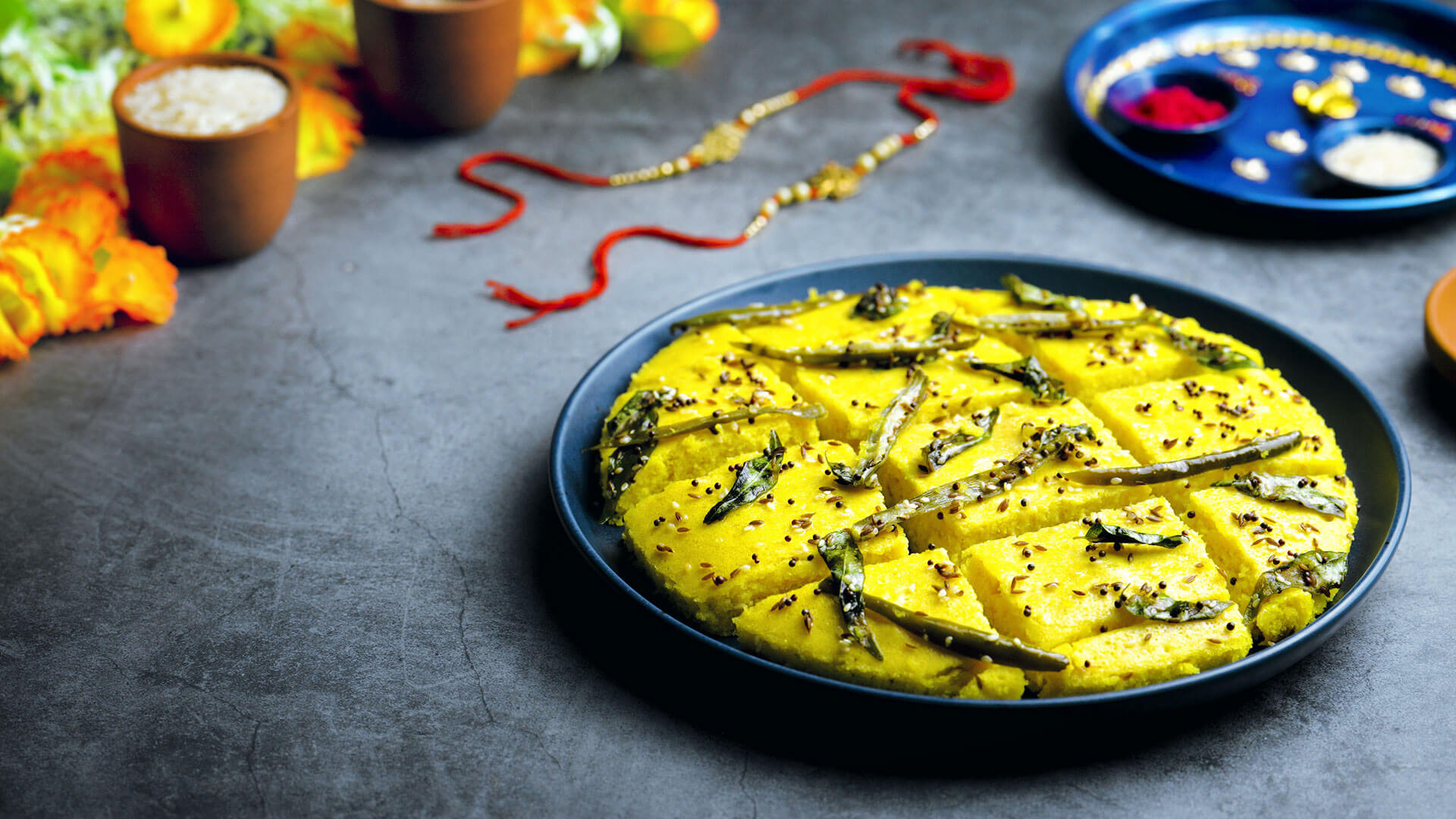
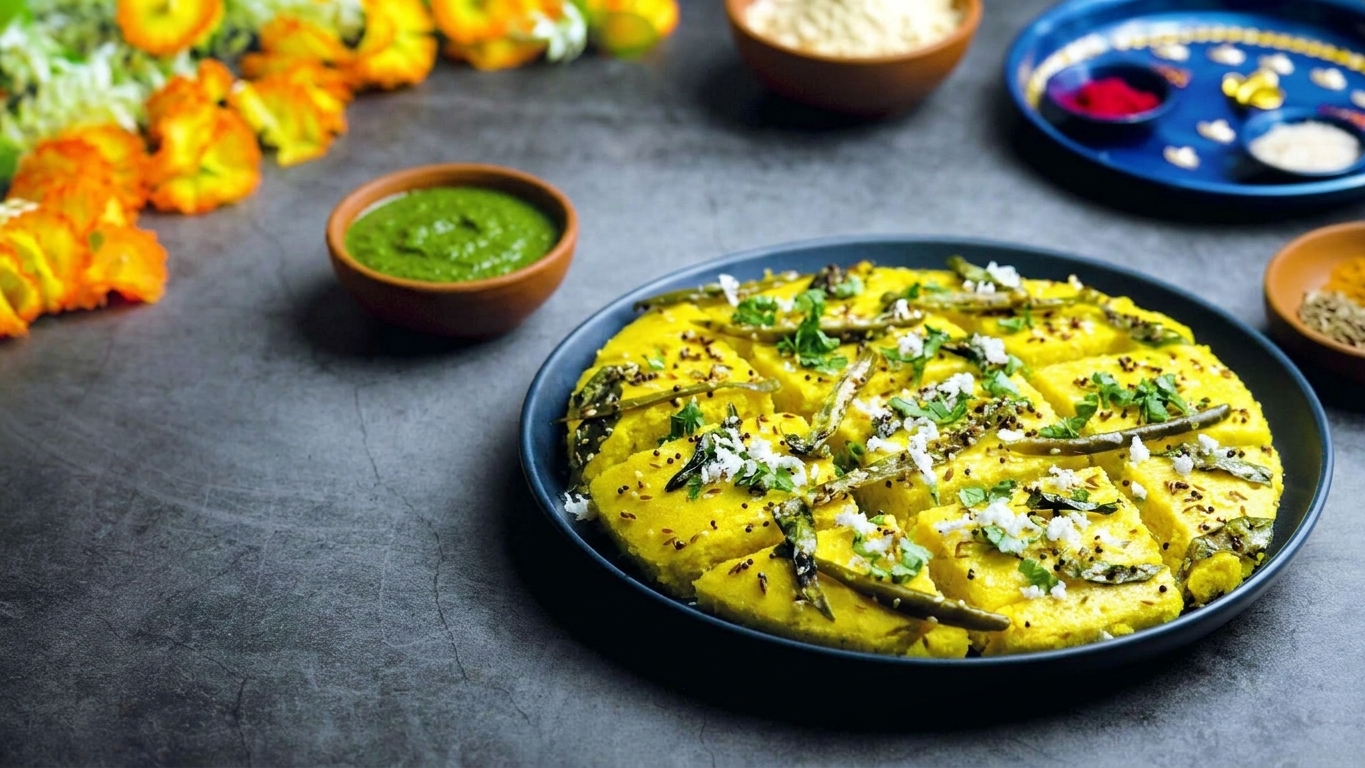
They are related, but not always the same. In many kitchens, khaman dhokla refers to the quick, fluffy besan version like this recipe. Dhokla is a bigger umbrella and, depending on the region, can be made with fermented batters (often rice and lentils) that taste more tangy and complex.
What is “fruit salt” and can I substitute it?
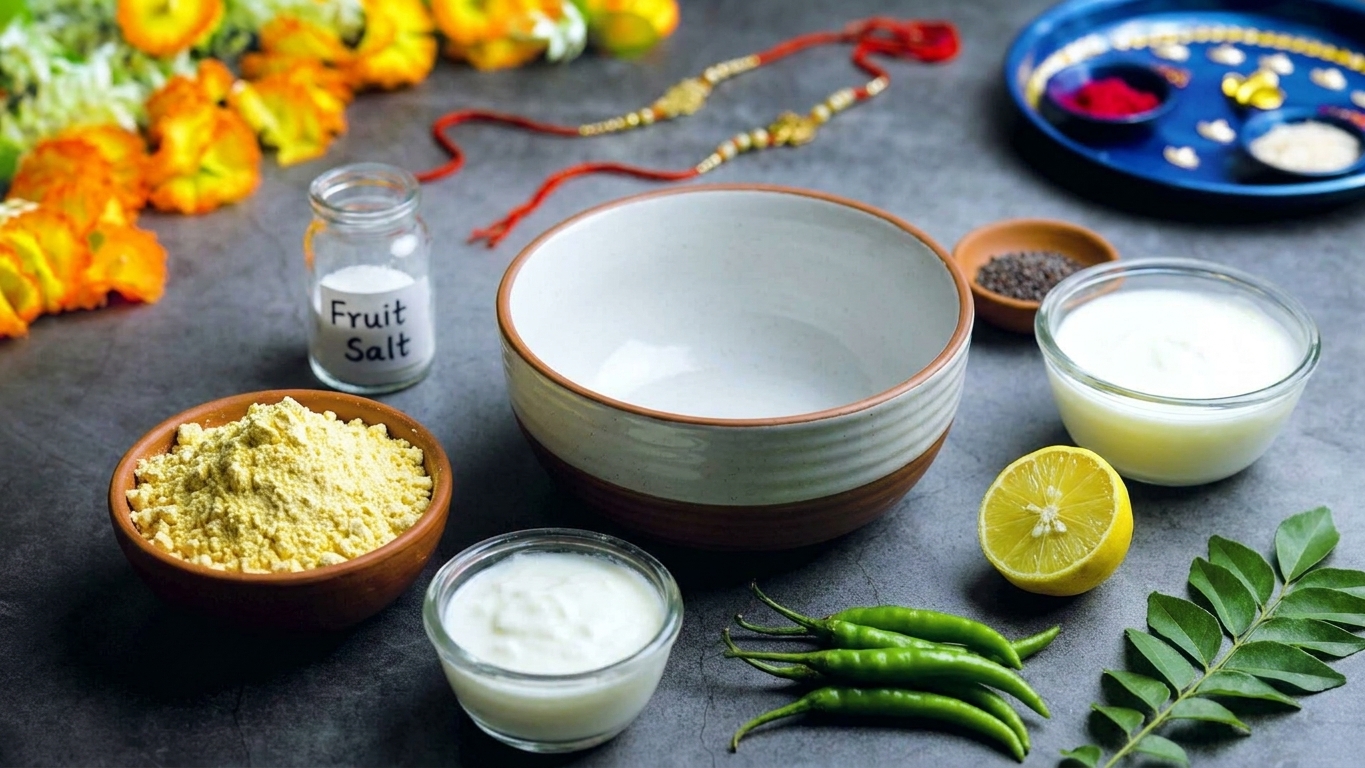
Fruit salt (commonly Eno) is a fast-acting mix of acid + baking soda that fizzes on contact with liquid and releases CO2, which is what gives dhokla that airy lift. For best results, use it (unflavored if you can find it, but regular or lemon also works).
If you cannot find it, you can try 1 1/2 teaspoons baking powder and steam immediately. If you want a bit more lift, you can add up to 1/4 teaspoon baking soda, but only if you have enough acid in the batter (this recipe does, from yogurt and lemon). Too much baking soda can make the flavor slightly soapy or the color darker, so keep it conservative.
Why did my dhokla turn dense?
Most common causes: (1) you waited too long after adding fruit salt, (2) your steamer was not producing steady steam yet, or (3) you overmixed after adding fruit salt. Once you add it, stir quickly and steam right away.
Why did it sink after steaming?
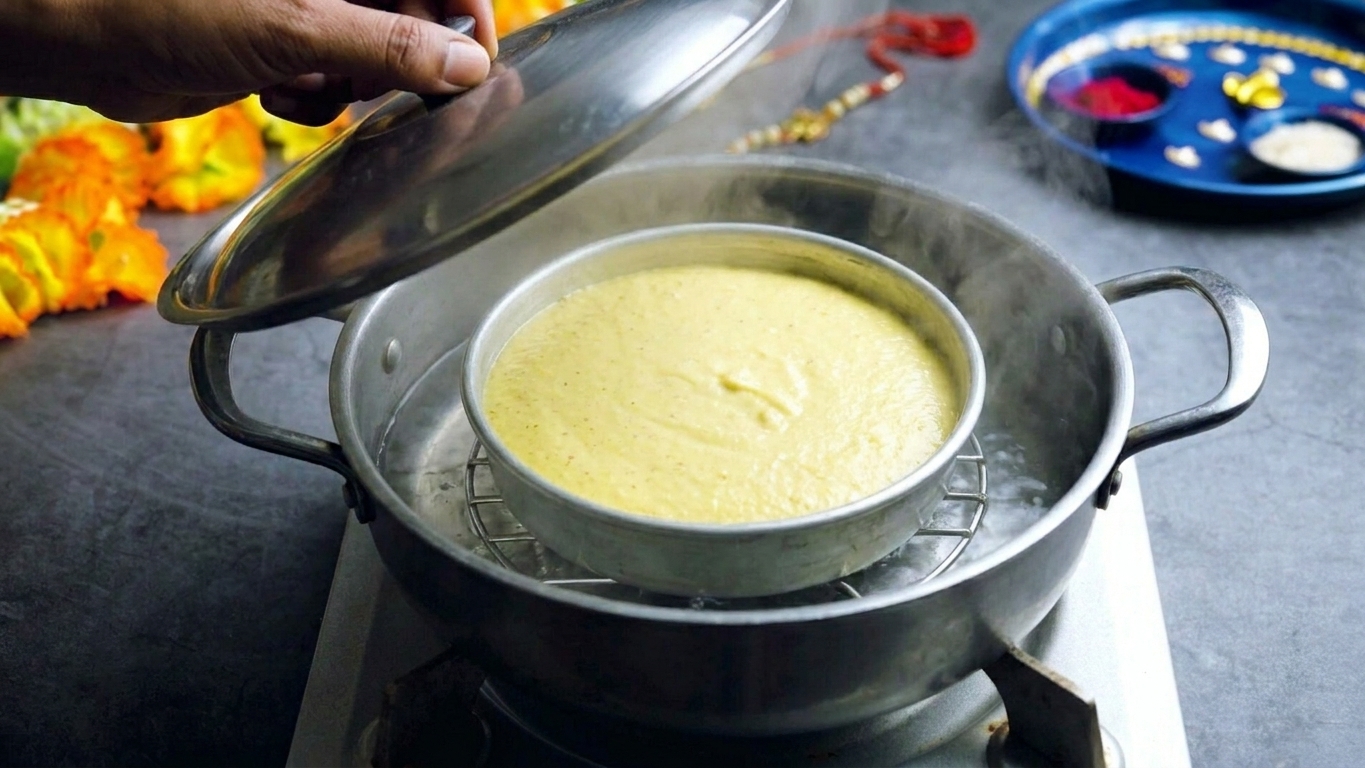
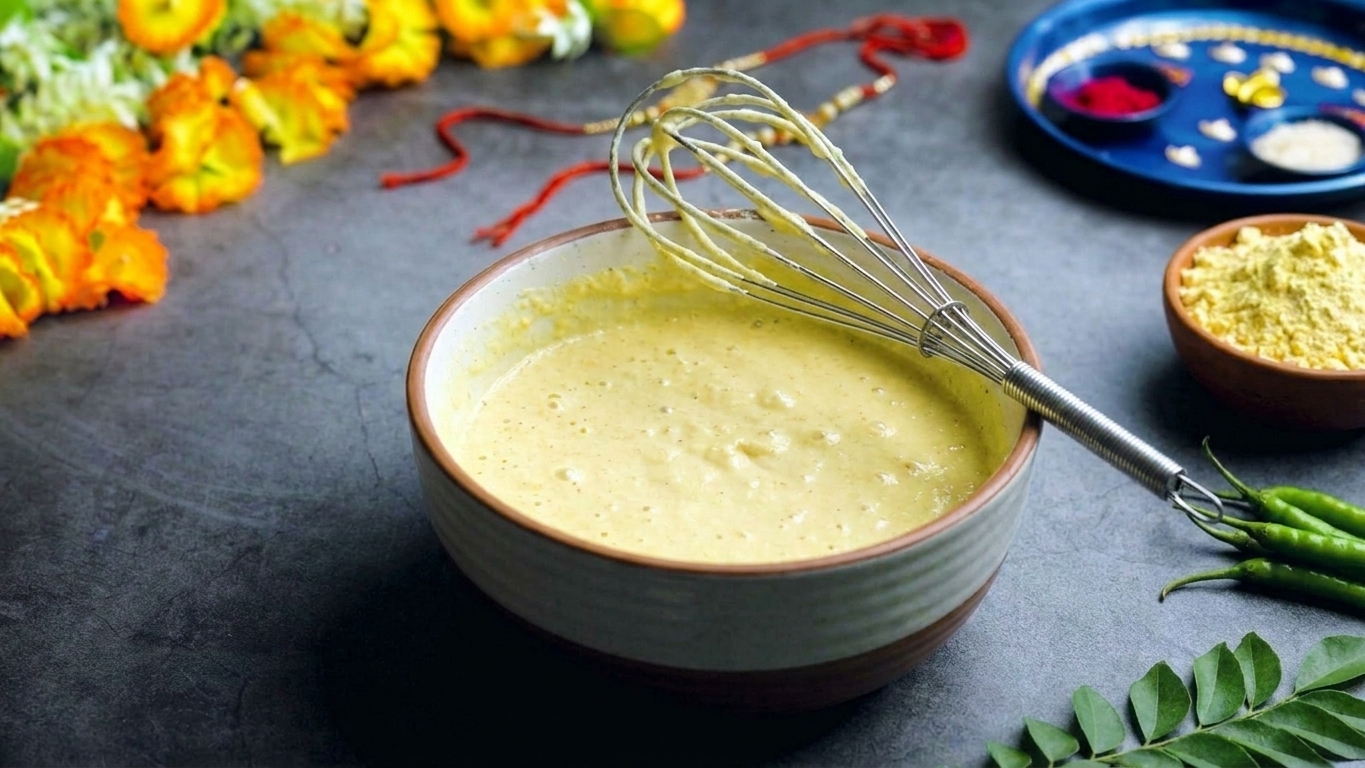
Usually under-steamed, the batter was too thin, or the steamer lost heat mid-way. Steam until a toothpick comes out clean, and keep the batter pourable but not watery, like pancake batter.
Can I make it without a dhokla plate?
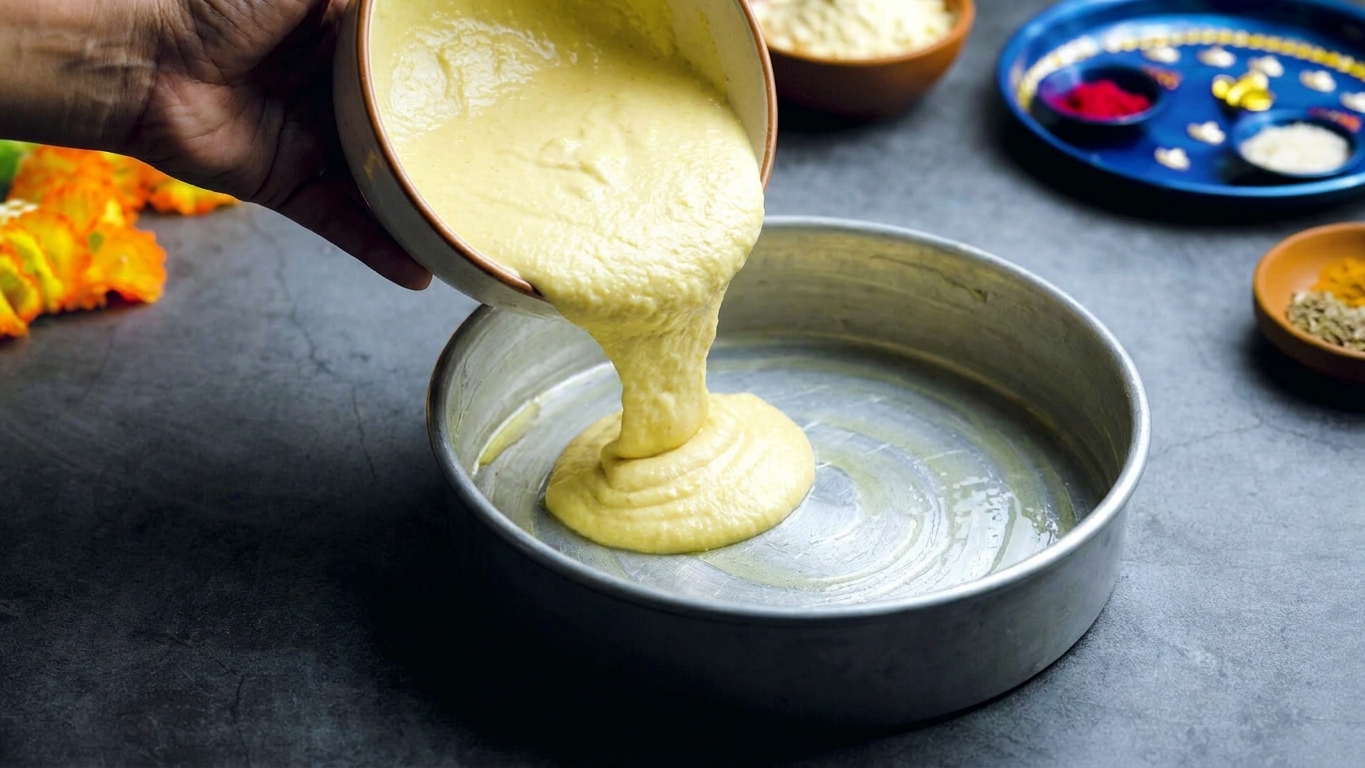
Yes. Use a greased 8-inch round cake pan, a shallow steel bowl, or any heat-safe dish that fits inside your pot with room for steam to circulate.
What do I serve with dhokla?
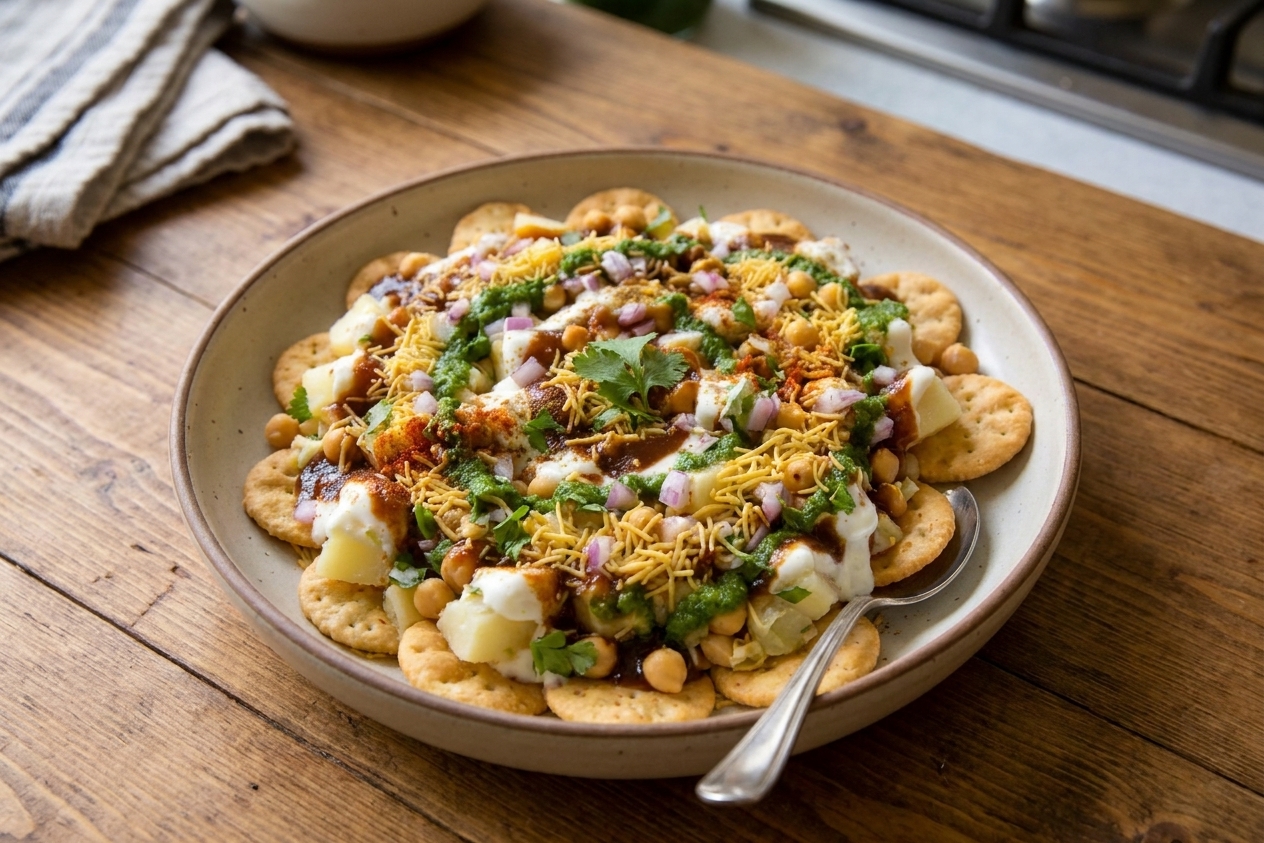
Classic pairings are cilantro-mint chutney, tamarind-date chutney, and a hot cup of chai. I also love it with a squeeze of lemon and a pinch of chaat masala when I am feeling extra.