
Mom's Best Recipes
Recipe

Layered Whole Wheat Paratha

Flaky, layered whole wheat parathas cooked on a hot tawa or skillet and finished with ghee for crisp edges and a tender center.

Author By Matt Campbell
4.8
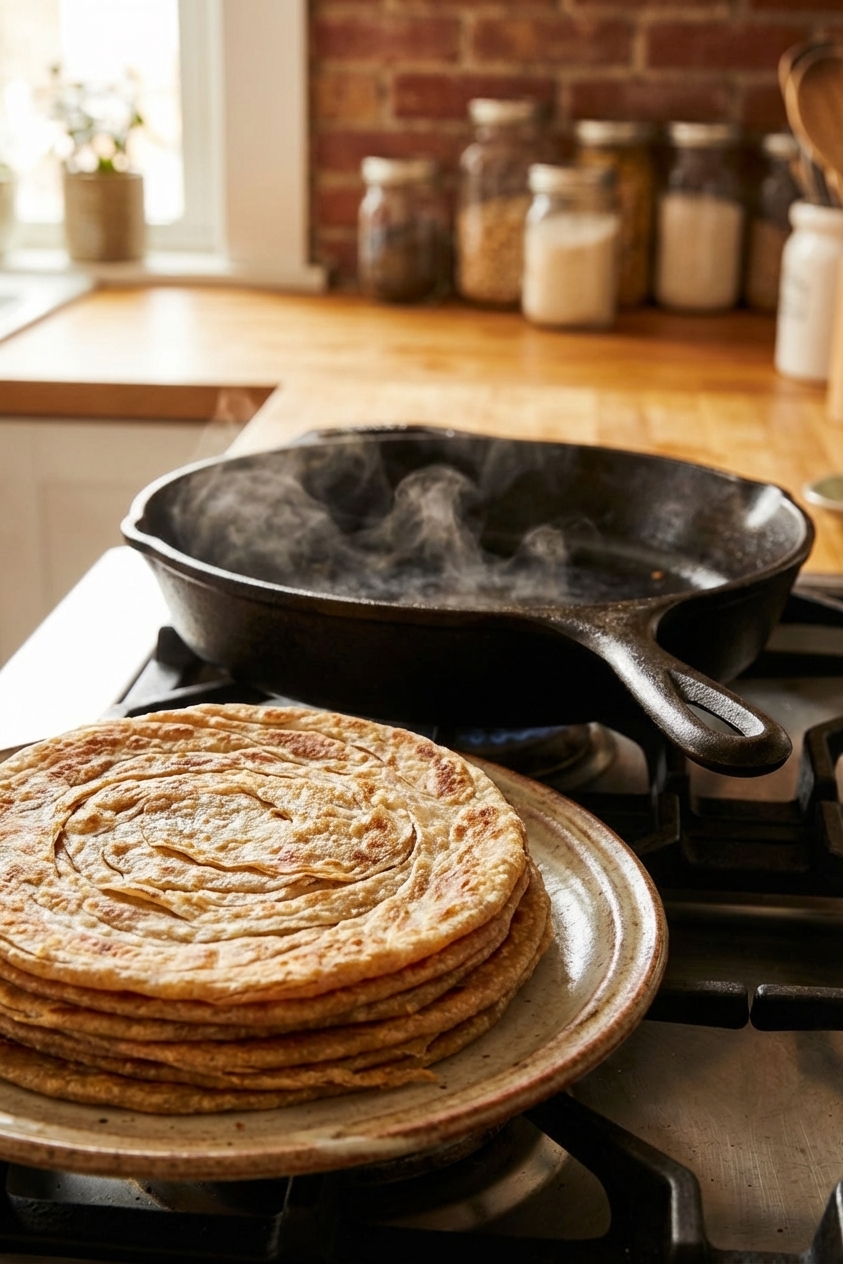
A stack of flaky layered whole wheat parathas on a plate beside a hot cast iron skillet, warm kitchen lighting, real food photography

If chapati is the reliable everyday flatbread, paratha is chapati’s fun cousin who shows up with layers, crisp edges, and a little drama in the best way. This version is whole wheat, so it still feels like something you can make on a Tuesday, but we give it that classic paratha personality by laminating the dough with oil, folding, then cooking it hot and fast on the stovetop.

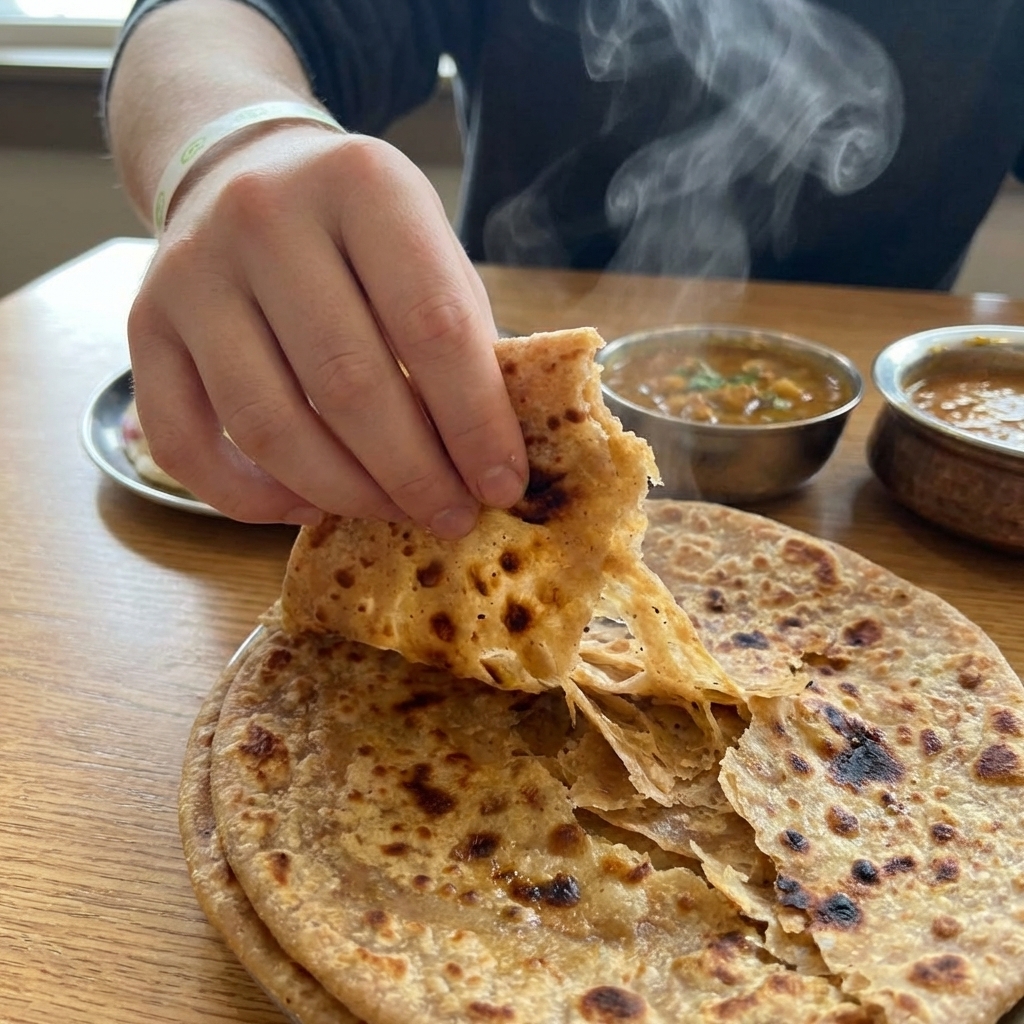
The goal isn't perfection. The goal is that moment when you tear one open and see those thin, steam-puffed layers, then you swipe it through dal or curry and suddenly your bowl feels like it came with room service. Keep it simple, taste as you go, and don't be afraid of a little extra ghee at the end. It's called joy.
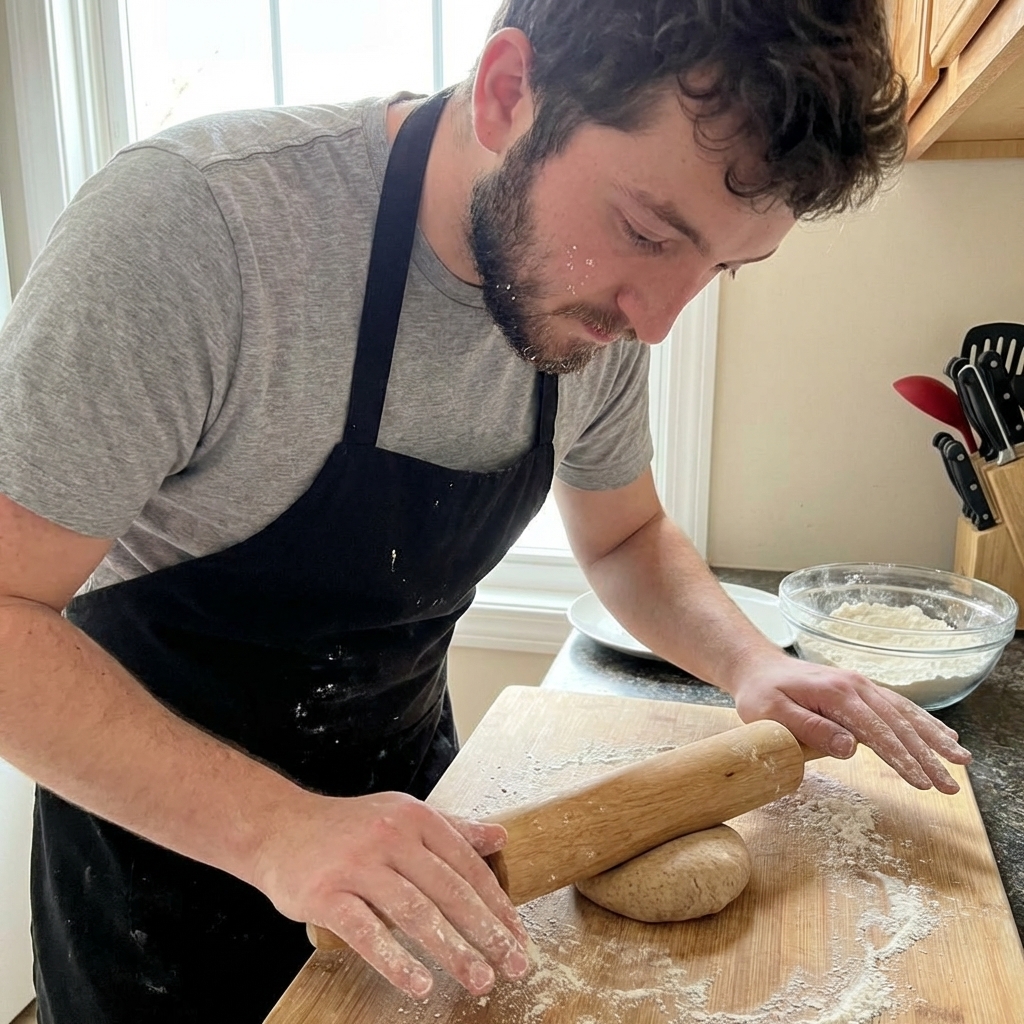
A whole wheat paratha dough ball being rolled on a lightly floured wooden board with a rolling pin, close-up real kitchen photo

Why It Works

  • Oil-layer lamination creates flakes: A thin smear of oil and a dusting of flour, then folding, makes distinct layers that separate when they hit a hot pan.
  • Whole wheat stays tender: A short rest relaxes the gluten so the parathas roll easily without snapping back.
  • High heat, steady pressure: Cooking on medium-high lets the layers puff and spot-brown without drying out. Adjust heat as needed so they brown without burning.
  • Ghee at the end tastes like a restaurant: Brushing with ghee after cooking keeps the exterior crisp while the inside stays soft and steamy.

Pairs Well With

Storage Tips

Store

  • Cool first: Let parathas cool on a rack or a plate for 10 to 15 minutes so steam doesn't turn them soggy in the container.
  • Fridge: Store in an airtight container up to 3 days. If stacking, place parchment between pieces to reduce sticking.
  • Freezer: Cool completely, then freeze up to 2 months. Layer parchment between parathas, then seal in a freezer bag.

Reheat

  • Skillet method (best): Medium heat, 30 to 60 seconds per side. Add a few drops of water to the pan and cover for 10 seconds if the center feels dry, then uncover to crisp.
  • From frozen: Reheat straight from frozen on low-medium, covered, for 1 to 2 minutes per side, then uncover and toast briefly to bring back the crisp edges.
  • Microwave (quick): Wrap in a barely damp paper towel and heat 15 to 25 seconds. Finish in a dry skillet if you want crisp edges.

Common Questions

Is paratha the same as roti or chapati?

Not quite. Roti and chapati are usually unlayered and cooked with little to no fat, though plenty of people brush them with ghee after cooking. Paratha is typically layered and cooked with oil or ghee, which is where the flakes and richer flavor come from.

Can I make this without ghee?

Yes. Use neutral oil for cooking and brush with melted butter or more oil at the end. Ghee is clarified butter with the water removed, so it browns a bit differently and does not steam or soften the surface as much as regular butter.

Why are my layers not separating?

  • You may have used too much flour while rolling, which can dry the surface and make the folds stick.
  • Your pan heat may be too low. Parathas need a lively sizzle to puff and separate.
  • The oil layer might be too thick or too thin. Aim for a thin, even film that looks glossy, not greasy.
  • You may have overdone the flour between layers. A light dusting helps separation, but too much can make the paratha a little dry and weigh the layers down.

Can I use all-purpose flour instead of whole wheat?

You can, but the water amount will change. Start with a little less water and add as needed. The texture will be softer and less hearty.

Do I need a tawa?

No. A cast iron skillet or heavy nonstick pan works great. The key is steady heat and enough surface contact for browning.

The first time I tried making paratha at home, I treated it like a basic flatbread and then wondered why it tasted like a polite whole wheat pancake. The fix was almost comically simple: a thin slick of oil, a quick fold, and suddenly the pan started doing that paratha thing where it puffs in little sections like it's showing off. Now it's my go-to move when dinner is “some dal, something green, and vibes.” If you can roll a circle and you're willing to be a tiny bit messy with oil, you're in.