What is sumac, and what does it taste like?
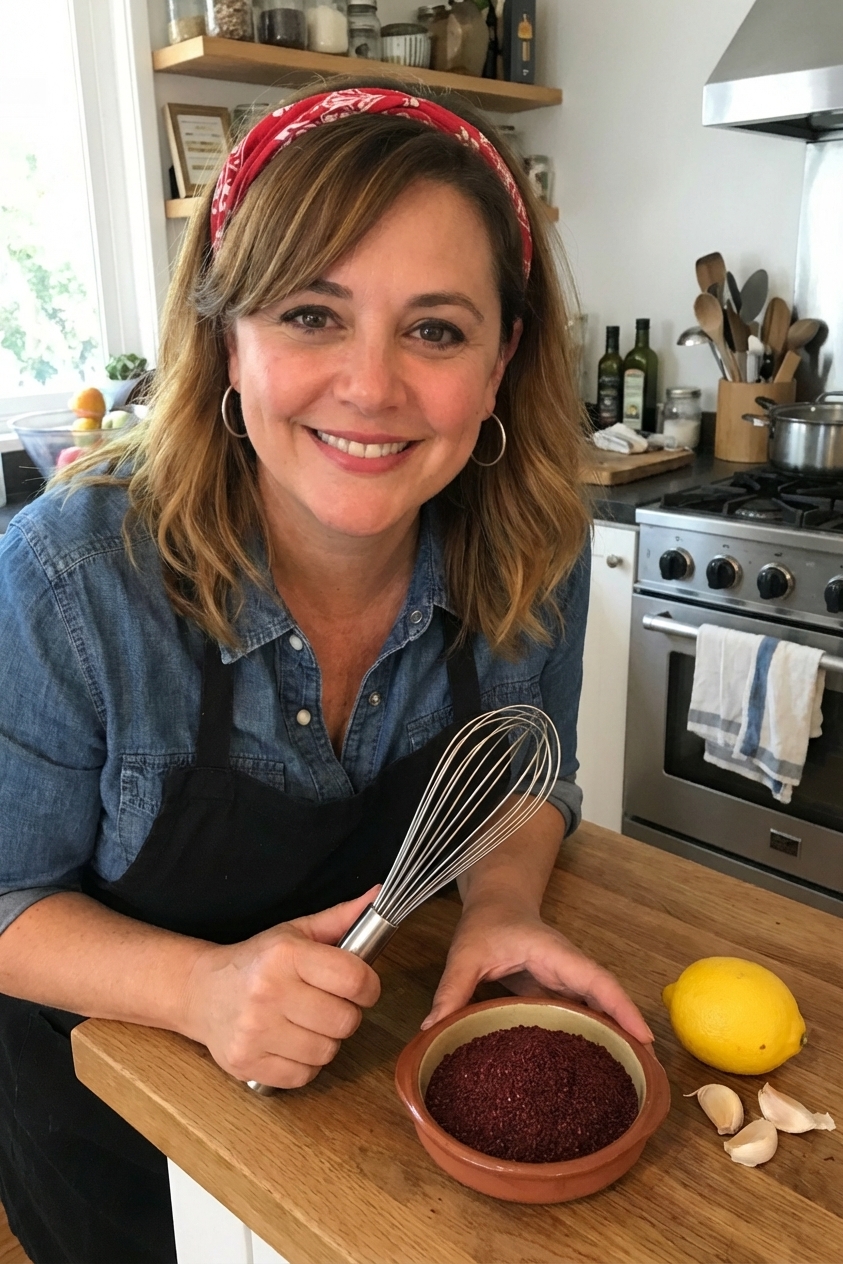
Sumac is a ground spice made from dried berries. It tastes tart and lemony, but deeper and slightly fruity. In fattoush, it is one of the big keys to that signature zing.
Is pomegranate molasses traditional in fattoush?
Very much yes in many Levantine versions. Some fattoush leans more on sumac, some leans more on pomegranate molasses, and plenty use both. If you have it, a small drizzle adds a sweet-tart depth that tastes instantly classic.
What can I substitute for sumac?
Sumac is worth buying, but here are decent swaps:
- Best quick substitute: extra lemon zest plus a tiny splash of red wine vinegar. Start with 1 teaspoon zest and 1 teaspoon vinegar, then taste.
- Tangy pantry option: 1 to 2 teaspoons pomegranate molasses in the dressing (reduce honey if using). Different flavor, same kind of bright tang.
- In a pinch: a small pinch of citric acid (sour salt) if you have it. Use lightly, it is powerful.
How do I keep fattoush from getting soggy?
- Keep dressing separate until the last moment.
- Keep pita chips separate until serving.
- Do a final salt check at the end. Salt pulls water out of vegetables, so avoid heavy salting early. Let the dressing do most of the work, then taste and add a pinch if it needs it.
Can I make this gluten-free?
Yes. Use gluten-free pita or swap in crunchy chickpeas or toasted gluten-free bread pieces. You still want a sturdy crunch element.
What herbs are traditional?
Mint and parsley are the big two. If you have purslane, that is very classic. If you do not, just use more parsley and a little extra mint. A pinch of dried mint in the dressing is also a nice, traditional-leaning move.
Is this Lebanese or Levantine?
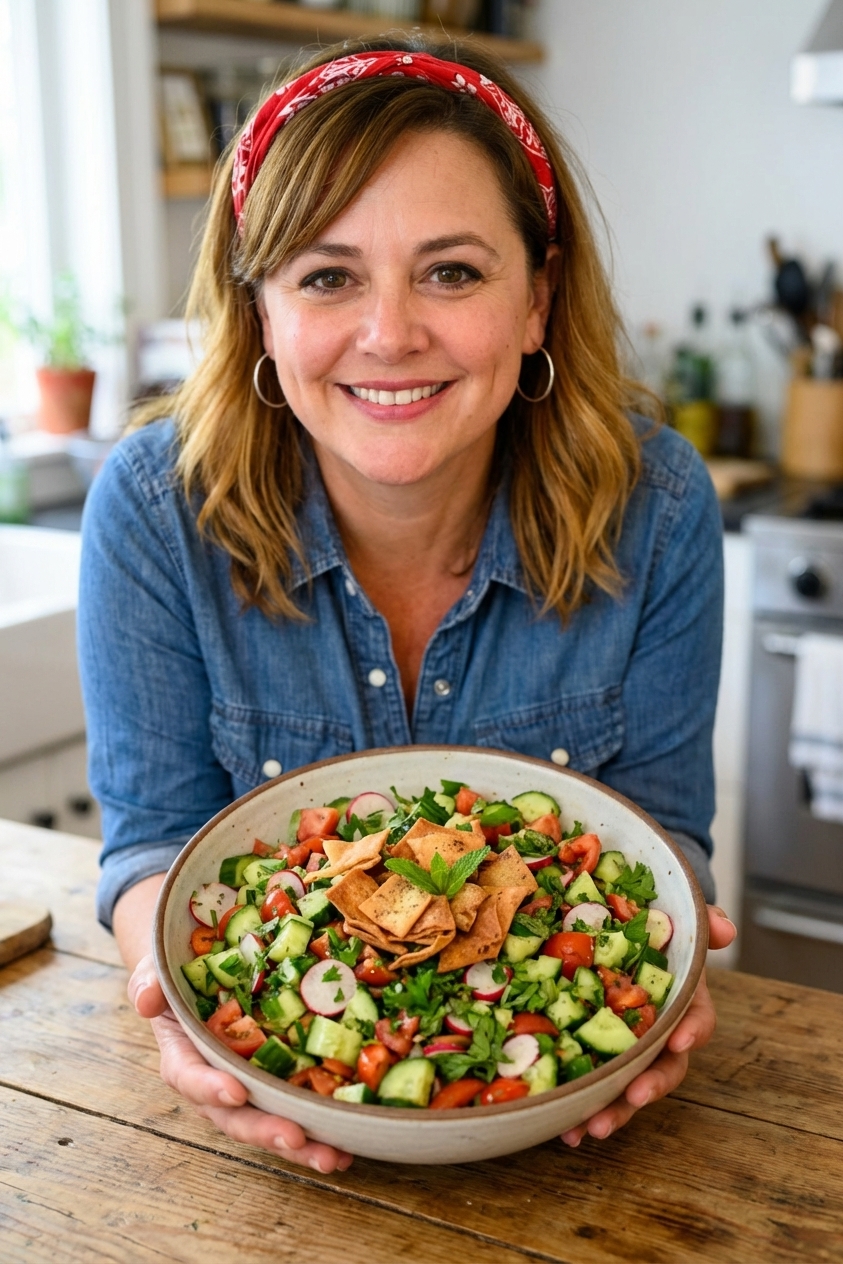
Fattoush is a Levant-wide salad (you will see it in Lebanon, Syria, Palestine, Jordan, and beyond), and every household has a version. This one leans Lebanese-style in spirit: lots of herbs, lots of crunch, and a bright, sumac-forward dressing.