Mom's Best Recipes
Recipe

Lemon Basil Olive Oil Loaf

A bright, herbal quick bread with lemon zest, fruity olive oil, and a basil glaze that tastes like sunshine with a little garden swagger.

Author By Matt Campbell
4.8
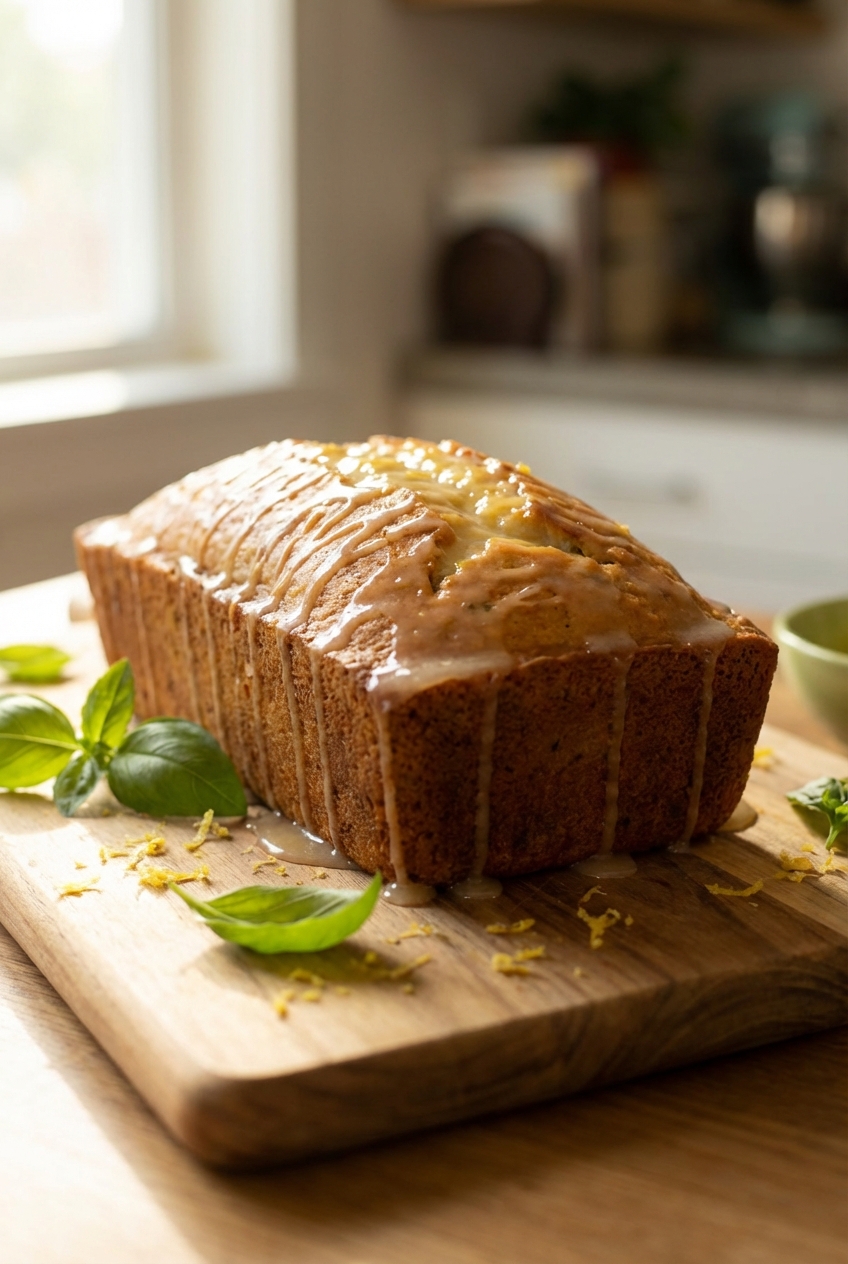
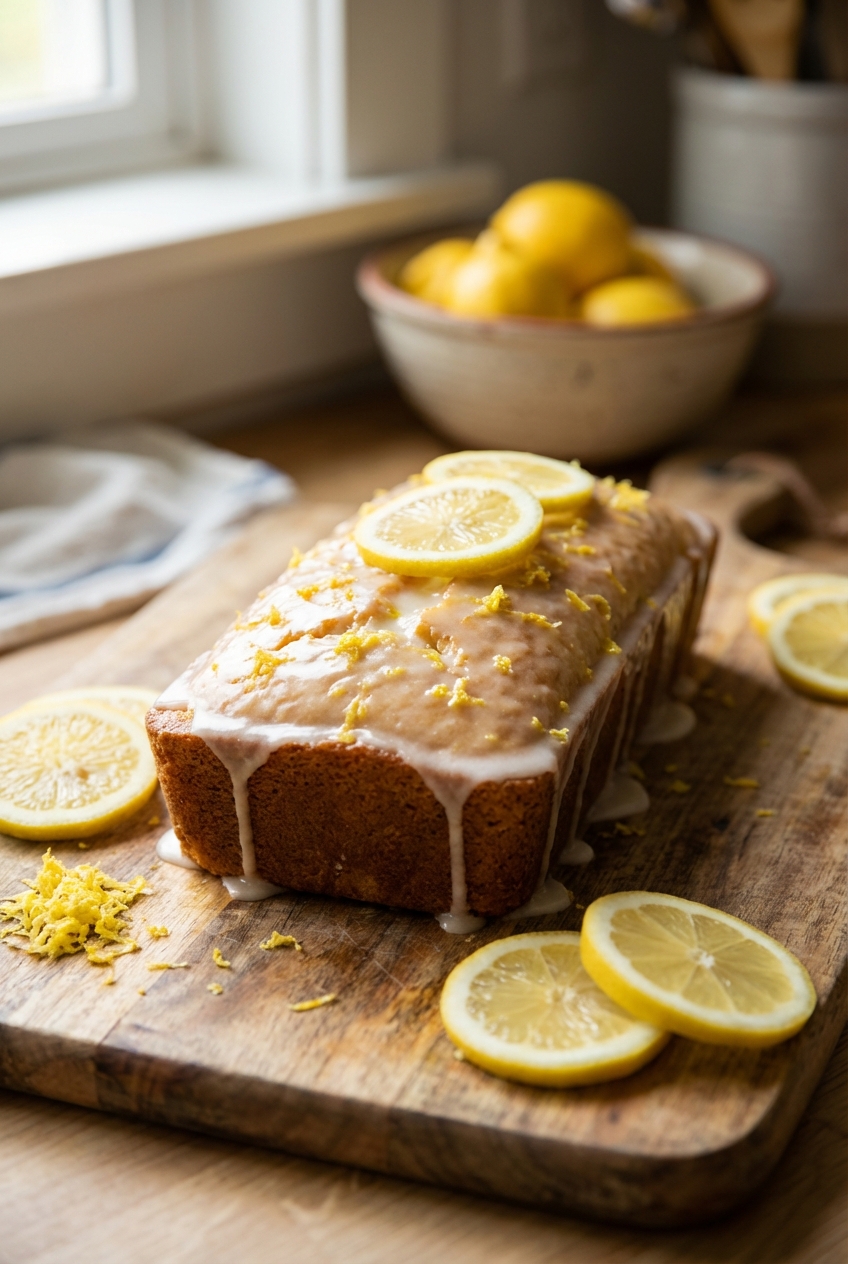
A golden lemon basil olive oil loaf on a cutting board with a glossy lemon glaze and fresh basil leaves nearby, lit by soft window light

Some days you want a baking project that feels impressive, but still lets you stay in sweatpants. This lemon basil olive oil loaf is exactly that. It has the cozy sliceability of a classic quick bread, but the flavor is all bright citrus and fresh herbs, like you accidentally baked something from a fancy cafe and now you are pretending it was always the plan.

Olive oil keeps the crumb tender and plush, lemon brings the sparkle, and basil does that weirdly magical thing herbs do in dessert where you take one bite and go, wait, why is this so good? The glaze is optional, but also not really. It turns the whole loaf into a sweet, tangy, herbal situation that disappears fast on a counter.
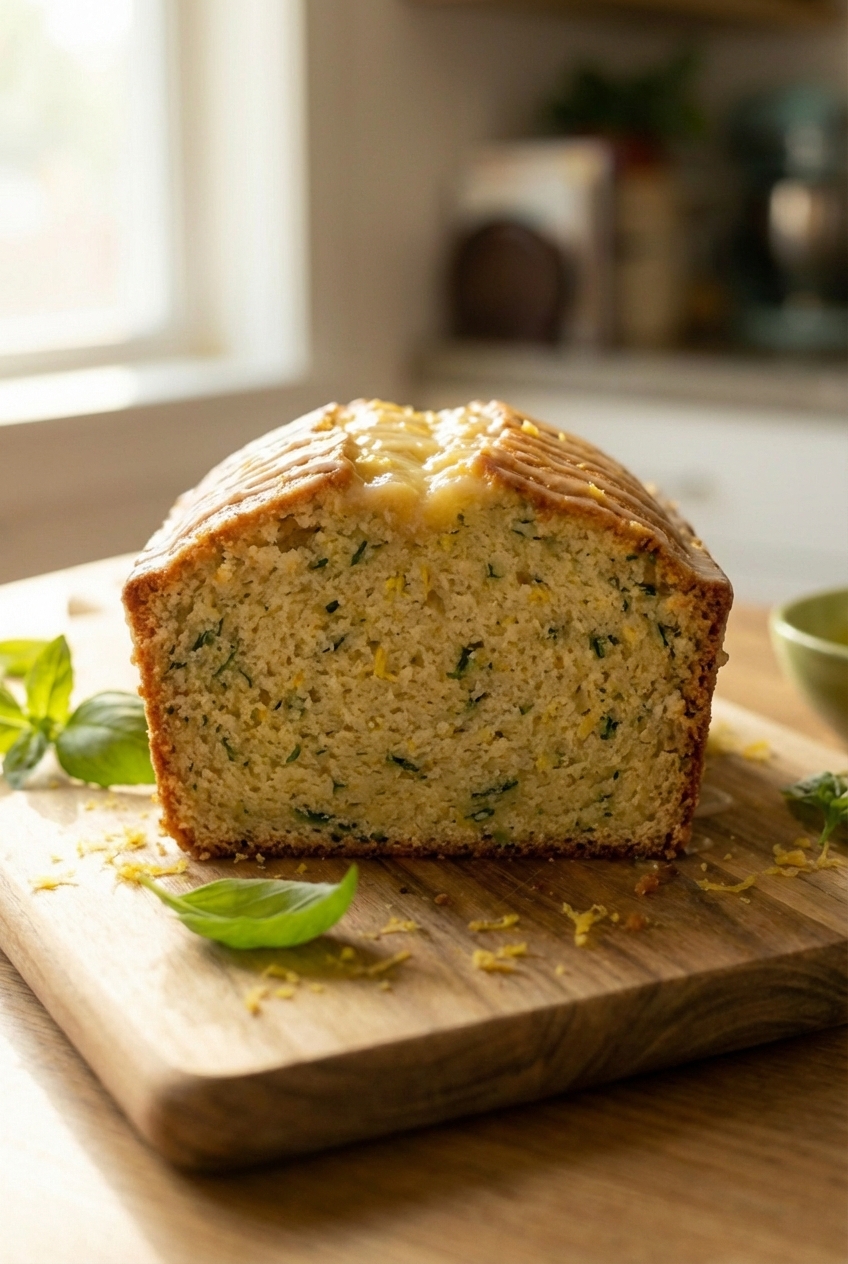
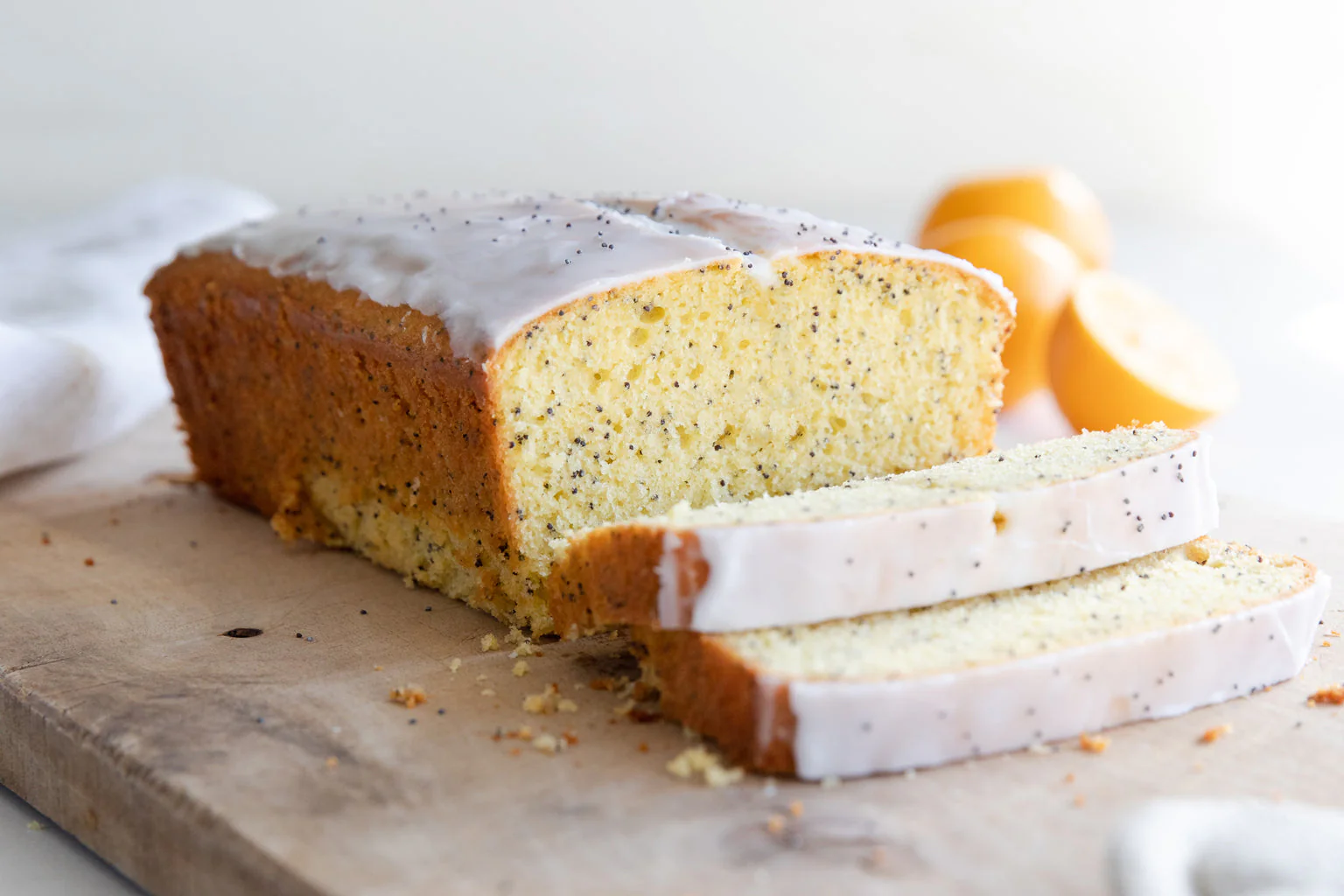
A close-up of a sliced lemon basil loaf showing a moist crumb with green basil flecks and lemon zest

Why It Works

  • Bright flavor without being sour: Lemon zest brings the punch, while a little juice keeps it lively but balanced.
  • Moist for days: Olive oil stays tender longer than butter-based loaves, and it plays nicely with citrus.
  • Herbal, not perfumey: Basil is chopped fine and measured so it tastes fresh and intriguing, not like you baked a houseplant.
  • Easy mixing: One bowl for wet, one for dry, then stir. No mixer, no drama.

Pairs Well With

Storage Tips

Keep it tender

  • Room temperature: Store the loaf tightly wrapped for up to 3 days. If glazed, let the glaze fully set first, then wrap.
  • Fridge: Up to 5 days, tightly wrapped. Refrigeration helps extend freshness and slow mold, but olive oil cakes firm up when chilled. Bring slices to room temperature before eating for the best crumb.
  • Freeze: Freeze whole or sliced for up to 2 months. Wrap in plastic wrap, then foil. Thaw overnight in the fridge or for an hour at room temperature.
  • Pro tip: If the loaf starts to feel a little dry, toast a slice lightly and add a swipe of butter or ricotta. Instant comeback.

Common Questions

Can I use dried basil instead of fresh?

Fresh is the vibe here. Dried basil is stronger by volume, but it reads flatter and a little dusty in sweet bakes. If you must, use 1 to 1 1/2 teaspoons dried basil in the batter and skip basil in the glaze (or keep it lemon-only).

What kind of olive oil should I use?

Use a fruity extra-virgin olive oil that you actually like the taste of. If it is super peppery or bitter, it can bully the lemon. A mild to medium fruitiness is perfect.

Can I make this dairy free?

Yes. Use 1/2 cup unsweetened non-dairy milk mixed with 1 1/2 teaspoons vinegar or lemon juice to mimic buttermilk. Let it sit 5 minutes, then use as directed. The glaze is naturally dairy free.

Why did my loaf sink in the middle?

Usually one of three things: the oven ran cool, the batter was overmixed, or the loaf was underbaked. This loaf is meant to be moist, so make sure it is truly done. Bake until a tester comes out clean or with a few moist crumbs, the center springs back when lightly pressed, or the internal temp hits 200 to 205°F.

Can I bake these as muffins?

Absolutely. Fill lined muffin cups about 3/4 full and bake at 350°F for 18 to 22 minutes. Glaze after cooling.

I started playing with herbs in desserts when I was trying to make “something lemon” that did not taste like every other lemon loaf on the internet. I had basil that was about five minutes away from turning into kitchen compost, so I chopped it up, tossed it in, and hoped for the best. The first slice tasted like lemon bars met a garden cocktail, in the best way. Now it is my go-to when I want to bring a baked thing to a friend’s house and look way more put together than I actually am.