Mom's Best Recipes
Recipe

Lemon Parmesan Pasta

Silky lemony pasta with a punchy tang, glossy sauce, and just enough heat to keep it interesting. Weeknight-easy, dinner party-worthy.

Author By Matt Campbell
4.8
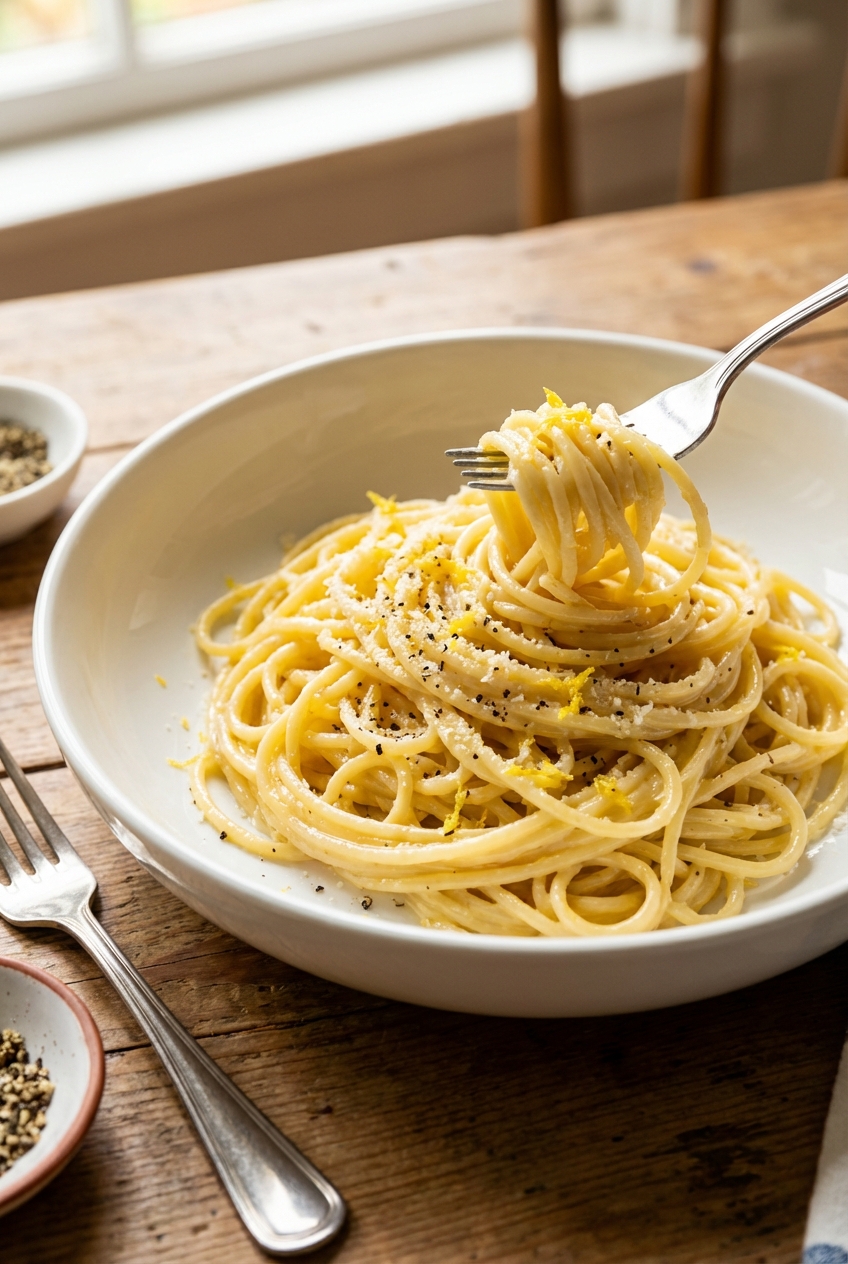
A close-up photograph of glossy spaghetti coated in a creamy lemon sauce with parmesan, black pepper, and lemon zest in a wide white bowl on a wooden table

Some pasta nights are about comfort. This one is about comfort with a bright attitude. Think: creamy but not heavy, lemony but not sour, tangy in that “one more bite” way. It is the kind of sauce that clings to noodles, shines under the light, and makes you feel like you accidentally cooked something expensive.

The trick is a classic: starchy pasta water + fat + cheese. Here we build that silk with butter and olive oil, then add lemon zest and juice for zip, a little Dijon for a quiet tangy backbone, and Parmesan for depth. If you can boil pasta and toss with mild confidence, you can make this.
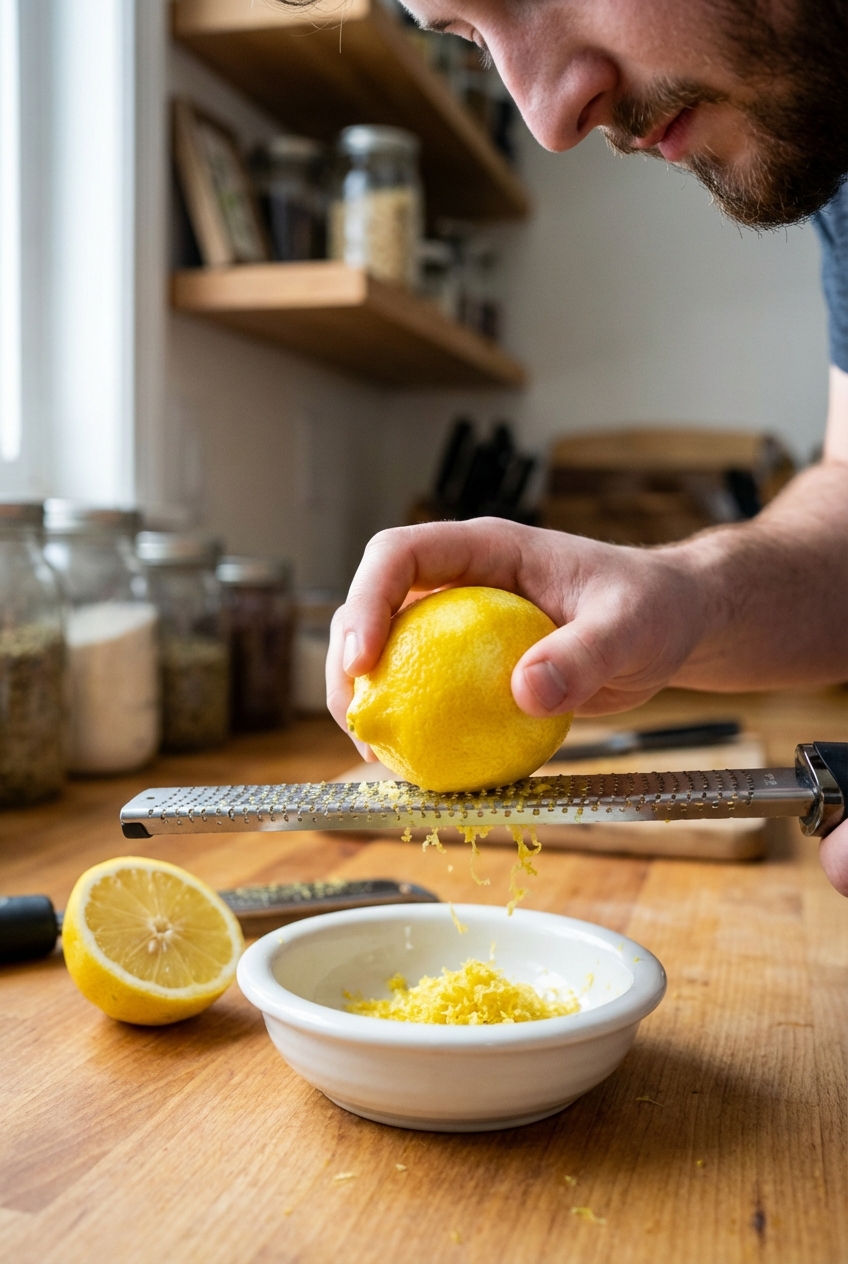
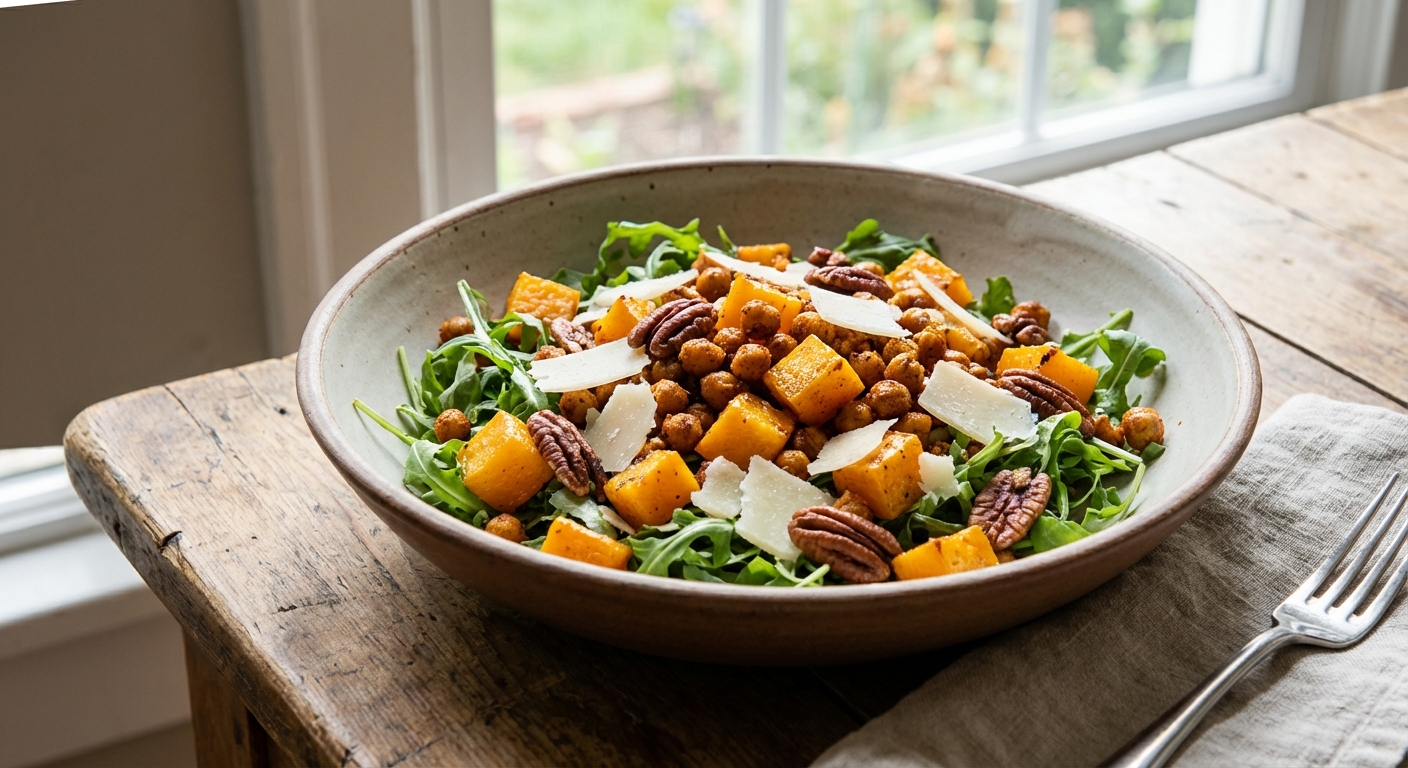
A real photograph of a hand zesting a lemon over a small bowl on a kitchen counter next to a microplane and a lemon half

Why It Works

  • Glossy, clingy sauce: Pasta water turns butter, oil, and cheese into a smooth emulsion that coats every strand.
  • Zesty and tangy flavor: Lemon zest brings aroma, lemon juice brings pop, and Dijon adds gentle tang without screaming “mustard.”
  • Fast but fancy: Done in about 25 minutes with accessible ingredients and one main pan.
  • Flexible: Keep it vegetarian, add shrimp or chicken, or toss in quick greens like spinach or arugula at the end.

Pairs Well With

Storage Tips

This pasta is best fresh because the sauce is an emulsion, and emulsions are a little dramatic the next day. That said, leftovers are still delicious if you reheat them the right way.

Fridge

  • Store in an airtight container for up to 3 days.

Reheating (best method)

  • Add pasta to a skillet over low heat with a splash of water or broth, about 1 to 3 tablespoons.
  • Toss gently until the sauce turns glossy again. If it looks separated, add another splash of water and keep tossing.
  • Finish with a little fresh Parmesan and a squeeze of lemon to wake it up.

Freezing

  • I do not recommend freezing. The cheese-based sauce can turn grainy when thawed.

Common Questions

Can I use bottled lemon juice?

You can, but fresh lemon makes a big difference here. If you use bottled, definitely still use fresh zest to bring back that bright aroma.

Why did my sauce turn clumpy or stringy?

Usually the heat was too high when the cheese went in, or the Parmesan was not finely grated. Take the pan off the heat, add a splash of pasta water, and toss until smooth. Next time, let the pan cool for about 30 seconds before adding Parmesan, and use microplaned Parmigiano-Reggiano if you can.

What pasta shape works best?

Long noodles like spaghetti, linguine, or fettuccine feel luxurious. Short shapes like rigatoni also work if you want more sauce trapped inside.

Can I make it dairy-free?

You can make a bright, tangy version by using extra olive oil and pasta water, then finishing with nutritional yeast and a touch more Dijon. It will be delicious, just less creamy.

How do I add protein without messing up the vibe?

Quick-seared shrimp, shredded rotisserie chicken, or crispy pancetta are all great. Add them at the end so the sauce stays silky.

I started making versions of this when I was in my “I want restaurant pasta but I also want to be in sweatpants” era, which is most weekdays. The first time I nailed the sauce, it was pure accident: I forgot to drain the pasta properly and ended up with extra pasta water in the pan. Turns out that was the whole point. Now I do it on purpose, like an adult.

This is the dish I make when I want something that tastes fancy but still feels like a friend cooked it. Bright lemon, a little tang, a lot of glossy comfort, and the kind of black pepper that makes you stop mid-bite and reconsider your life choices in the best way.