Mom's Best Recipes
Recipe

Lemon Parmesan Risotto with Peas

Creamy, bright, and weeknight-doable risotto finished with lemon, Parmesan, and peas for a cozy bowl that still tastes fresh.

Author By Matt Campbell
4.8
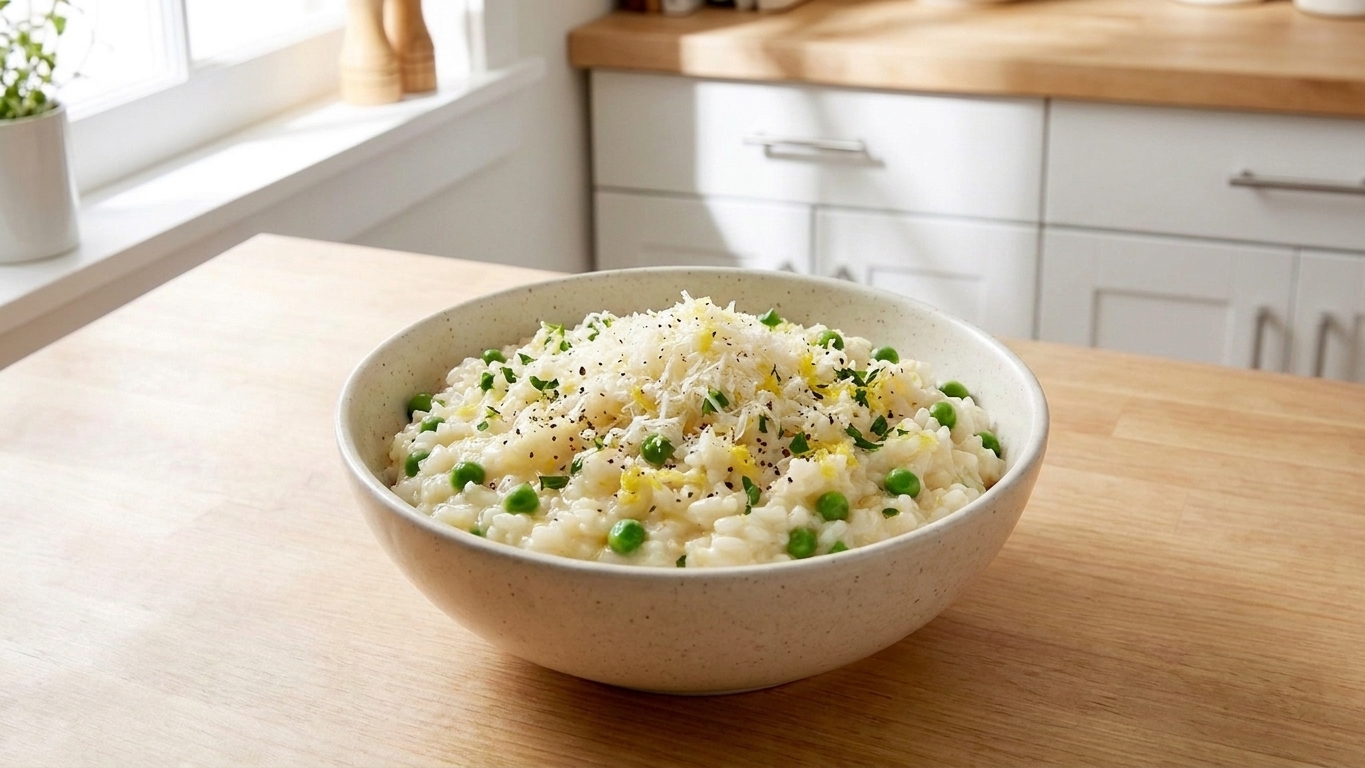
A shallow bowl of creamy lemon Parmesan risotto with green peas and black pepper on a linen napkin beside a spoon on a wooden table

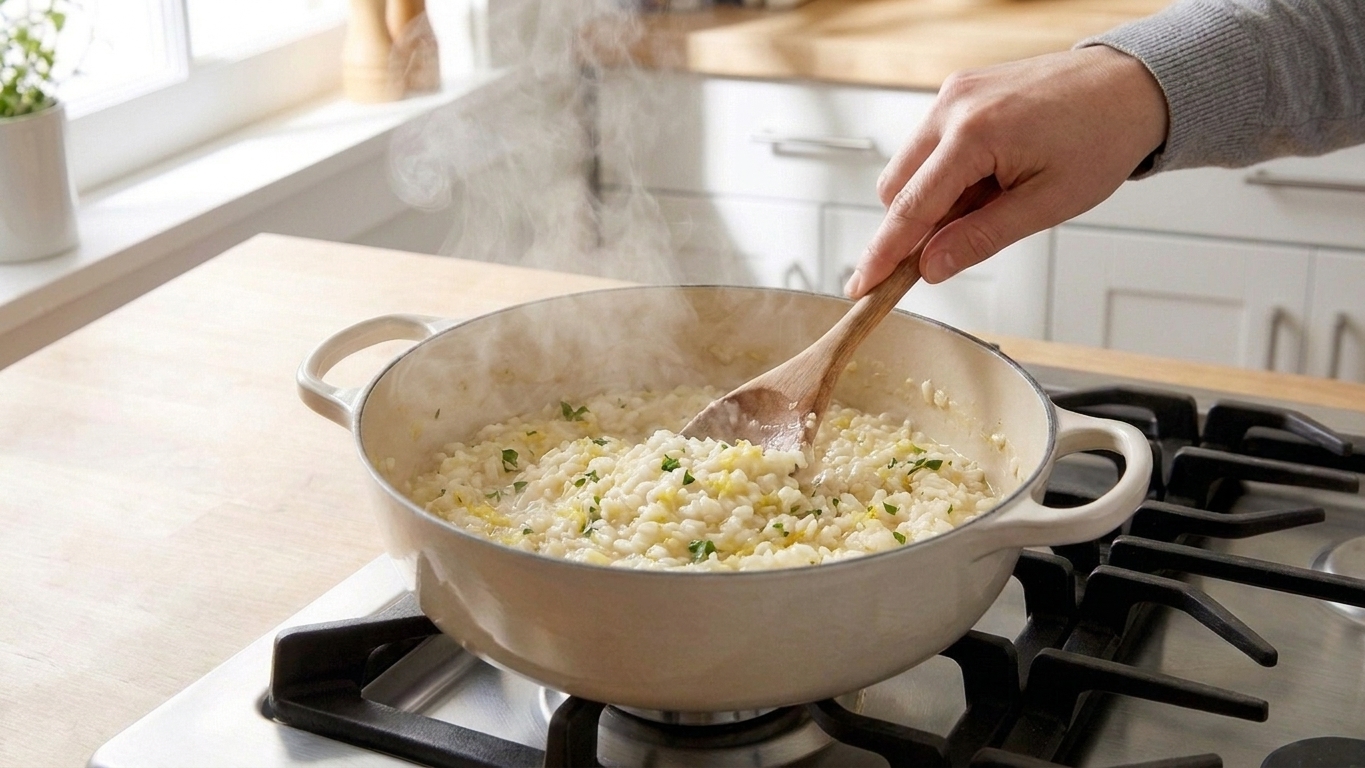
Risotto has a reputation for being high-maintenance, like it needs your full attention and a tiny violin playing in the background. Truth is, it just wants two things: hot broth and you tasting as you go. Do that and you get that dreamy, spoon-coating texture without overthinking it.

This version is my weeknight favorite because it hits all my favorite buttons: cozy carbs, bright lemon, salty Parmesan, and little pops of sweet peas. It tastes like spring comfort food, which is a category I fully believe in.

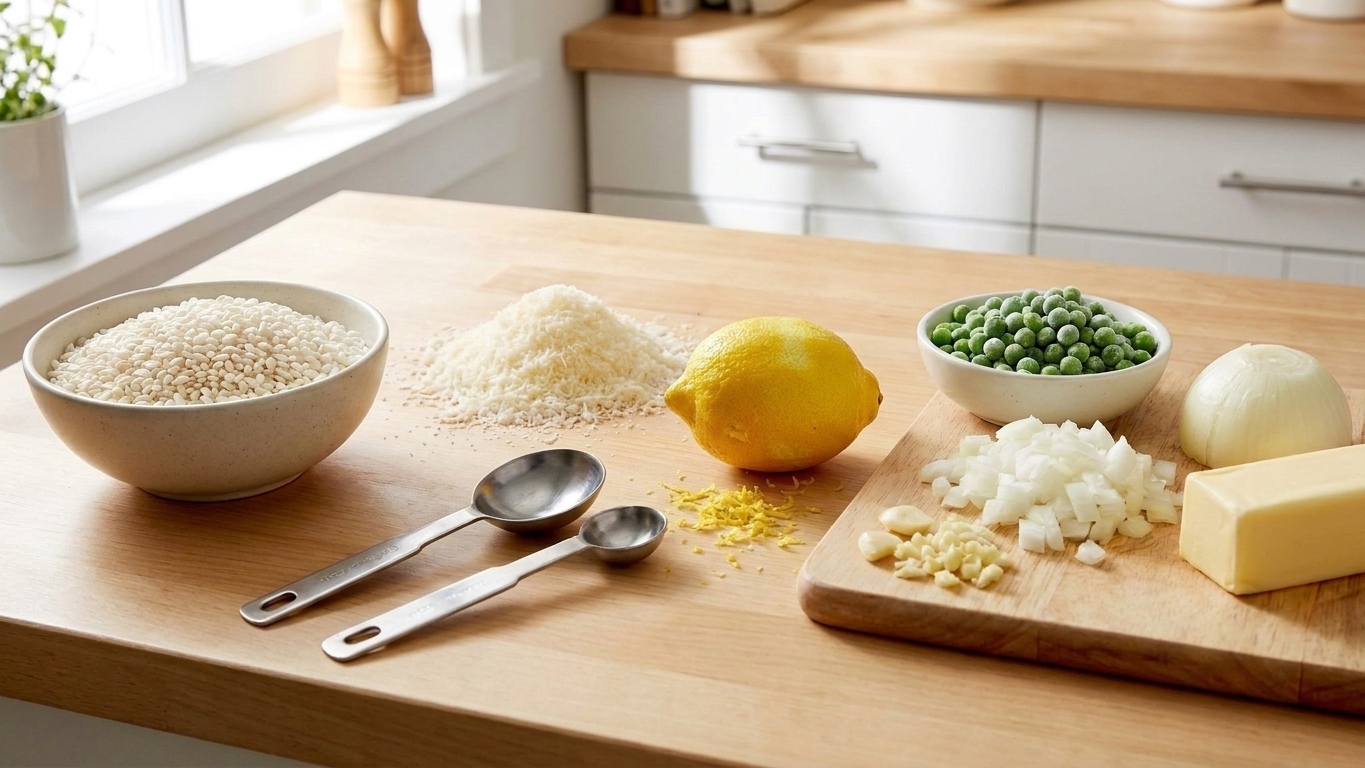
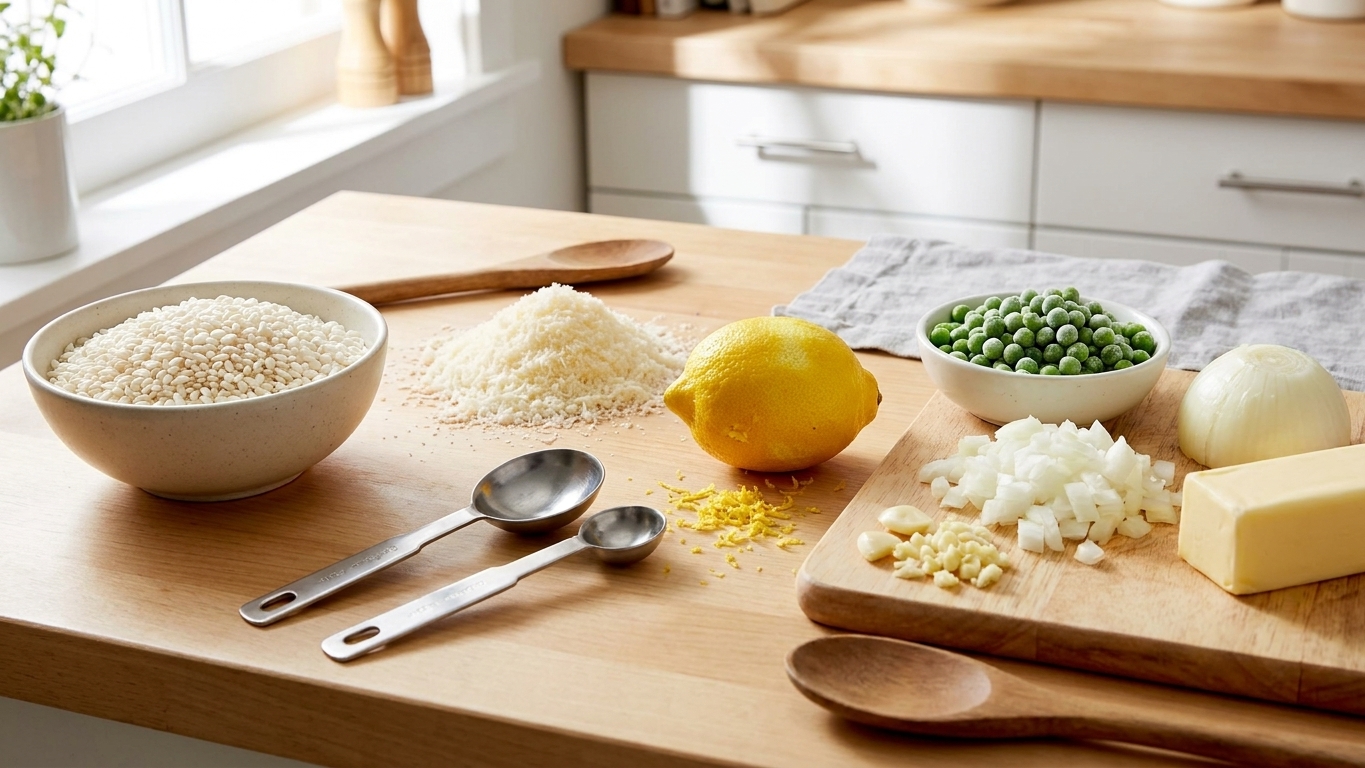
Arborio rice, grated Parmesan, lemon, frozen peas, onion, garlic, and butter arranged on a bright kitchen counter with measuring spoons

Why It Works

  • True risotto texture: creamy and loose, not gluey or stiff, thanks to gradual broth additions and steady stirring.
  • Bright finish: lemon zest and juice wake everything up so the bowl feels rich but not heavy.
  • Built-in shortcuts: frozen peas go in at the end, and the recipe gives you rescue moves if you overshoot the broth or the rice tightens up.
  • Flexible main or side: keep it vegetarian, or top it with quick crispy-edged chicken, shrimp, or sautéed mushrooms.

Pairs Well With

Storage Tips

Fridge: Store risotto in an airtight container for up to 3 days. For best food safety (and texture), cool it quickly and refrigerate within 1 to 2 hours. It will thicken as it chills. That is normal.

Best reheat method (stovetop): Add risotto to a small pot with a splash of broth, water, or milk (start with 2 to 4 tablespoons per cup). Warm over medium-low, stirring often, until creamy again. Finish with a little extra Parmesan and a squeeze of lemon if it tastes flat.

Microwave method: Cover loosely, add a splash of liquid, and heat in 30-second bursts, stirring between each.

Freezing: You can freeze it, but the texture gets a bit softer and less glossy. If you do, freeze flat in a zip-top bag for up to 2 months and reheat gently with extra broth plus a fresh Parmesan boost.

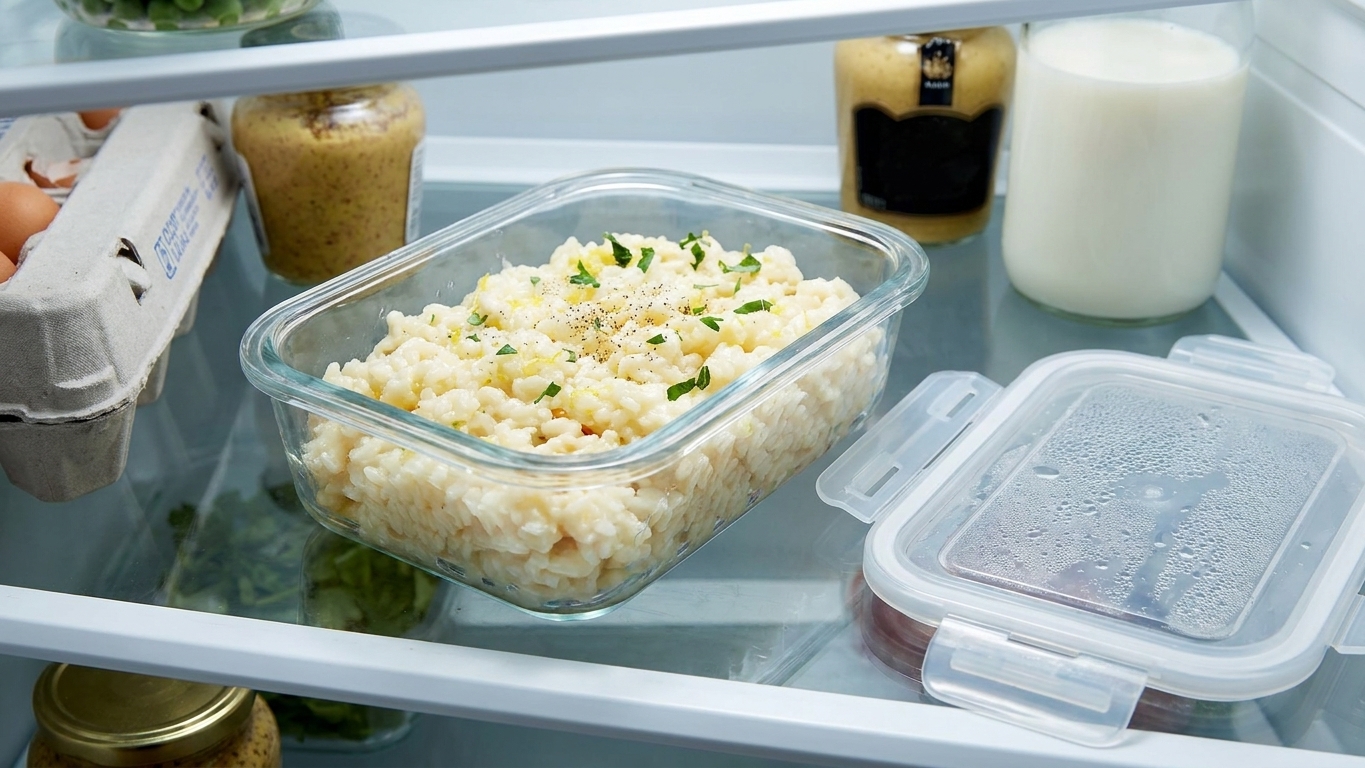
A glass meal prep container filled with leftover risotto on a refrigerator shelf with a lid set next to it

Common Questions

Do I really need to stir risotto the whole time?

Not nonstop, but often. Stirring helps release starch from the rice and keeps the bottom from sticking. I stir for 10 to 15 seconds every minute or so, and more steadily during the last 8 minutes when it thickens fast.

What rice is best for risotto?

Arborio is the easiest to find and works great here. Carnaroli is often a little more forgiving and can feel extra creamy while the grains stay more distinct. Do not use long-grain rice. You will not get the same texture.

Can I use water instead of broth?

You can, but broth (or stock) is where a lot of flavor lives. If you use water, be more generous with salt and finish with extra Parmesan and lemon zest.

Why is my risotto crunchy?

It needs more cooking time and usually more liquid. Keep adding hot broth 1/4 cup at a time and simmering until the rice is tender with a tiny bite in the center.

Why is my risotto mushy?

Two common causes: too much liquid too early, or cooking past al dente. Next time, keep the simmer gentle and stop when the grains are tender but still distinct. If it is already overcooked, you cannot fully bring back that perfect bite, but you can improve the texture a little by spreading it on a sheet pan for a few minutes to let steam escape, then stirring in Parmesan. Or lean in and turn it into arancini or crispy risotto cakes.

How do I know when risotto is done?

When it is creamy and spoonable, and the rice is tender with a slight bite. If you drag a spoon through the pot, it should slowly flow back in, not stay parted like mashed potatoes.

How do I keep lemon from taking over?

Add lemon off the heat, start with about half the juice, then taste and add more. Lemon and Parmesan are best friends, but they can get loud if you go all-in at once.

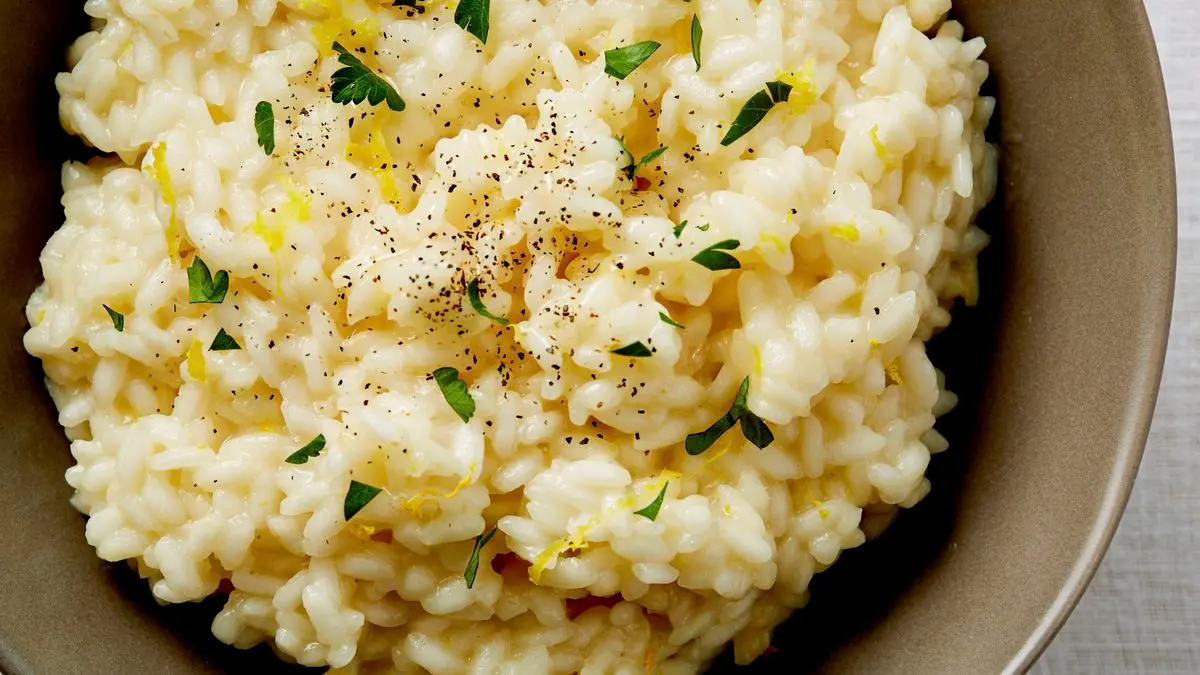
I skipped the culinary degree route, but I never skipped the part where I obsess over why something works. Risotto was one of my first “restaurant vibes at home” wins. The first time I nailed it, I stood over the pot like I had discovered fire, tasting every couple minutes, adding broth like it was a tiny science experiment.

This lemon-and-pea version is the one I make when I want comfort without the food coma. It is cozy, it is bright, and it forgives a little chaos, which is basically my cooking personality.