Mom's Best Recipes
Recipe

Lemony Tuna Salad

Creamy, bright tuna salad with crisp crunch and a punchy lemon Dijon finish. Built for sandwiches that stay tasty, not soggy.

Author By Matt Campbell
4.8
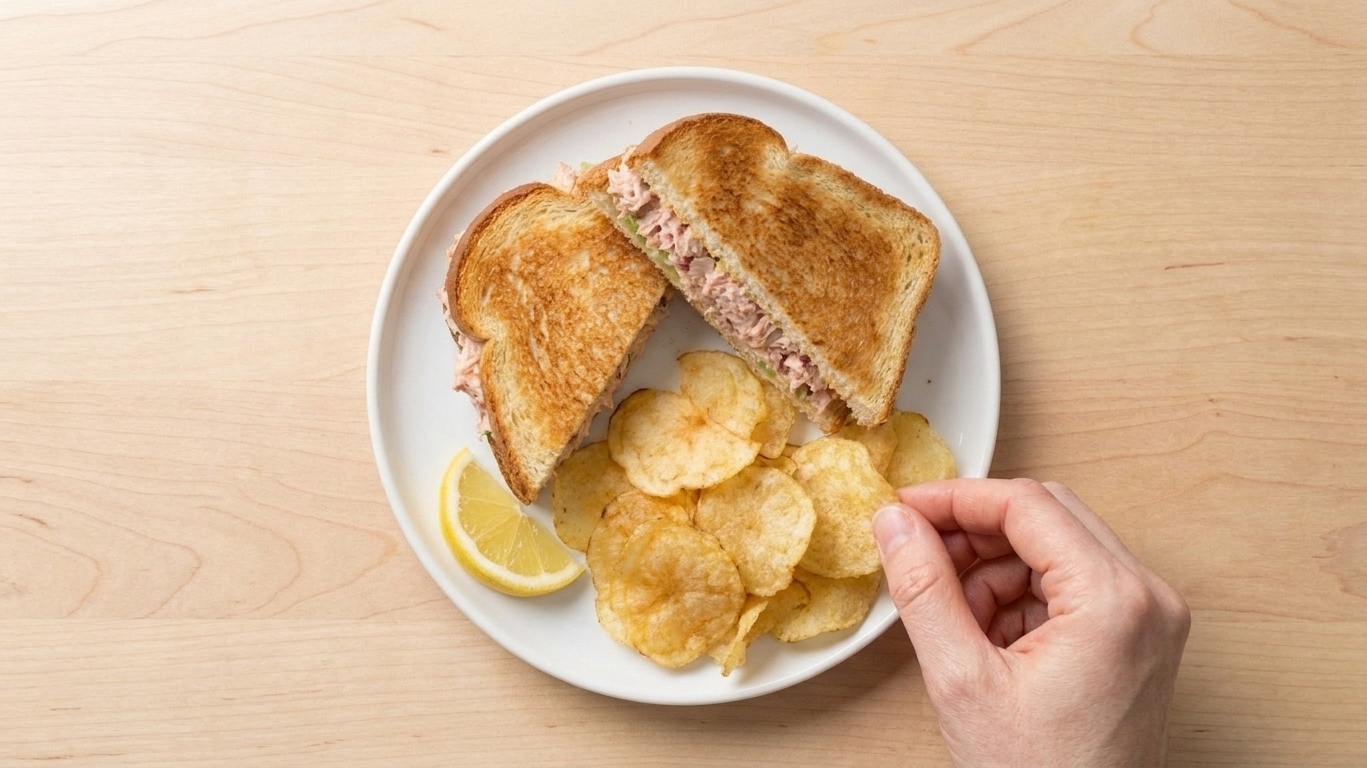
A toasted tuna salad sandwich cut in half on a ceramic plate with potato chips and a lemon wedge on a light wood table

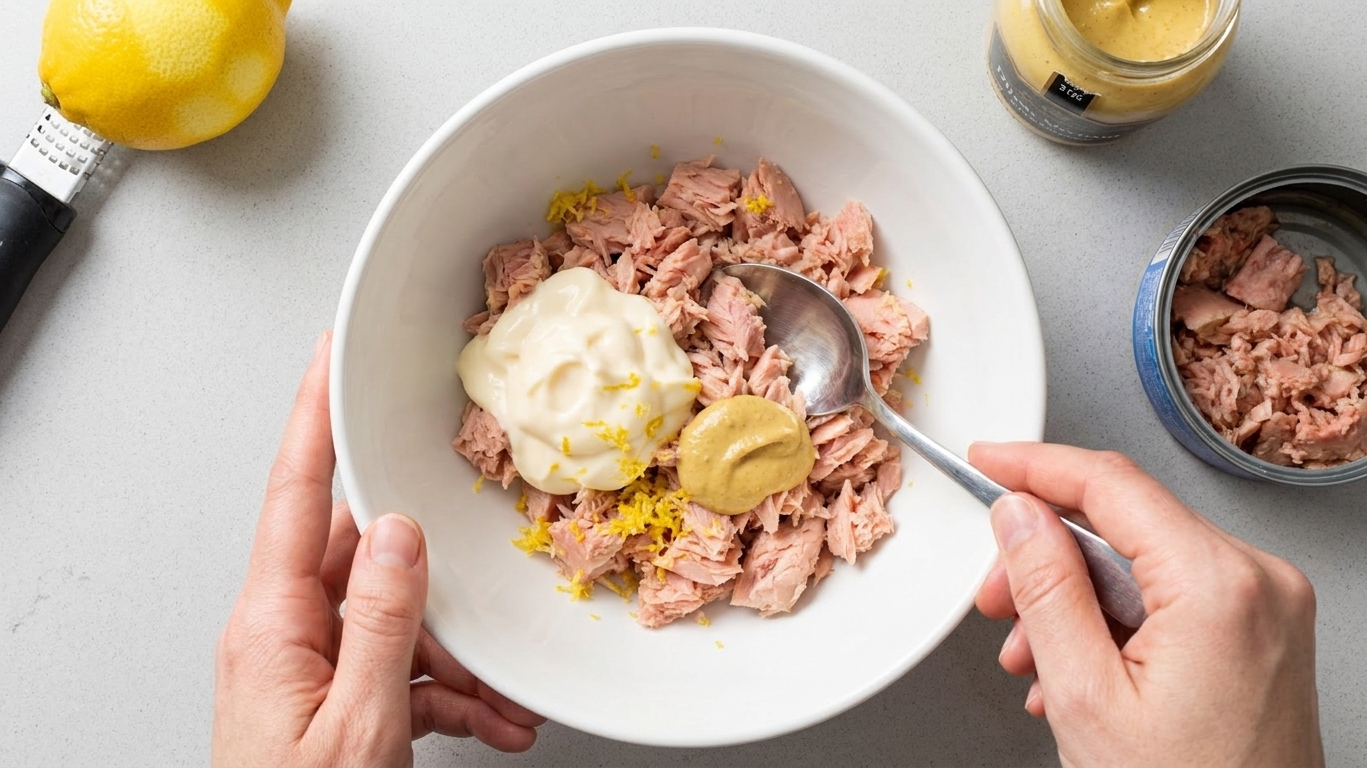
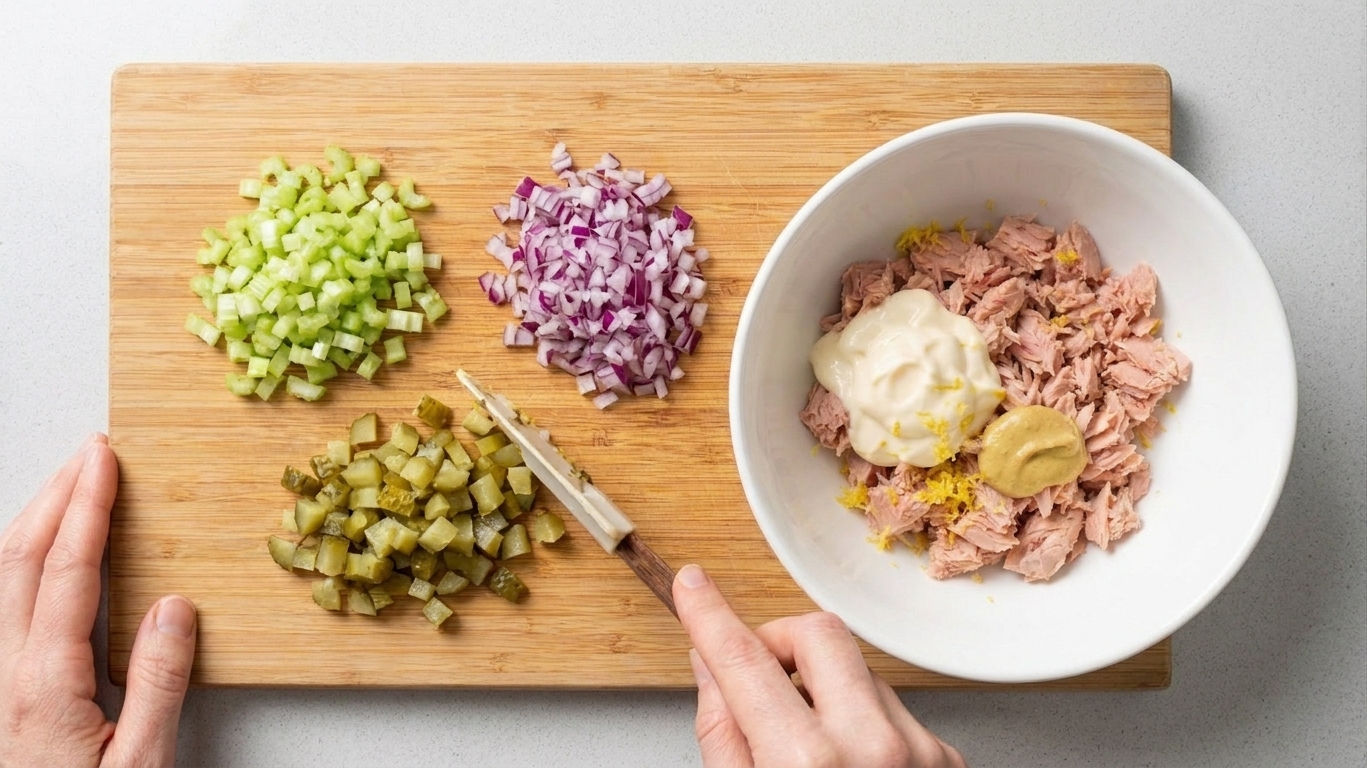
Tuna salad gets a bad rap for being either bland or weirdly sweet, and I am here to fix that in one bowl. This version is creamy but sharp, with lemon and Dijon doing the heavy lifting, plus crunchy celery and briny pickles for that pause-mid-bite moment.

It is a weeknight staple, a lunchbox hero, and a snack plate MVP. Make it classic on toast, tuck it into a wrap, or scoop it with crackers straight from the fridge. No judgment. Only crunch.

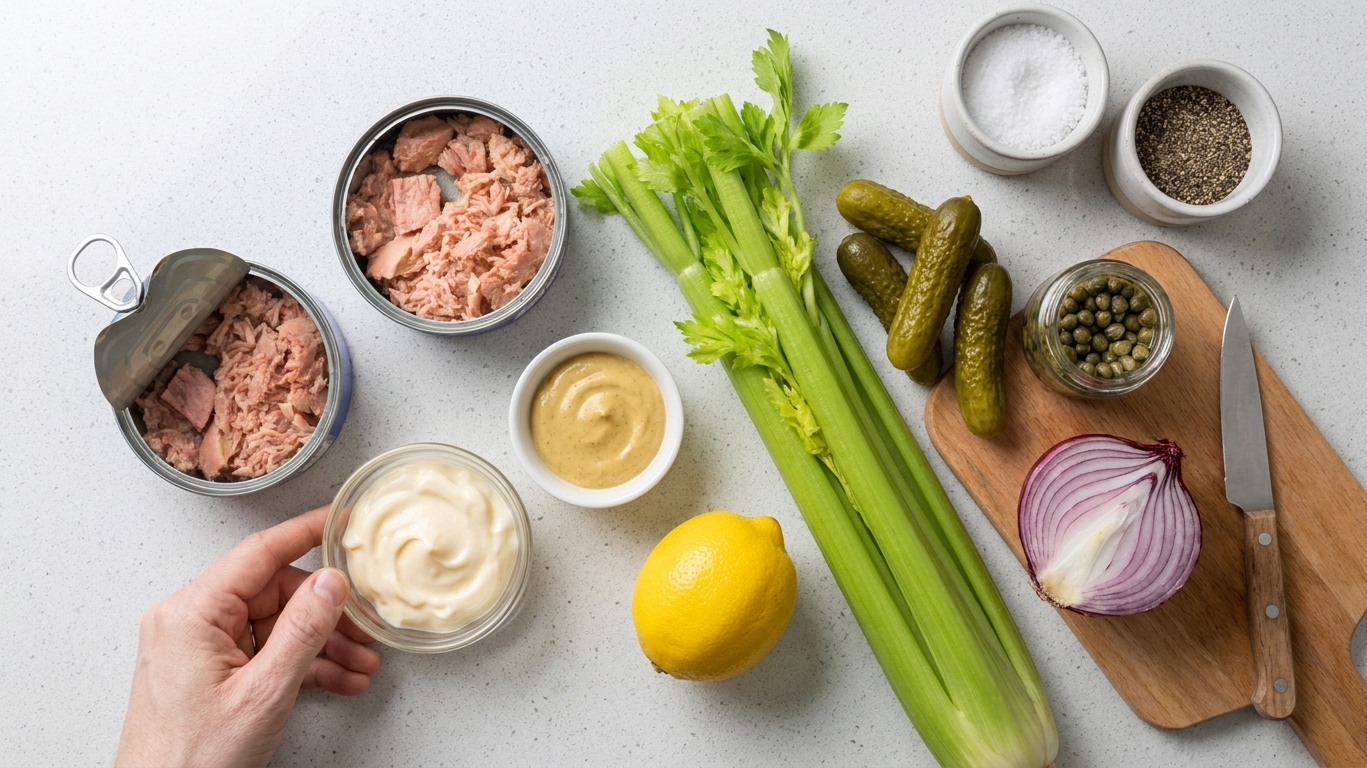
Two cans of tuna, mayonnaise, Dijon mustard, a lemon, celery stalks, dill pickles, red onion, capers, salt, and black pepper arranged on a bright kitchen counter

Why It Works

  • Bright, not flat: Lemon zest and juice wake up the tuna so it tastes fresh, not canned.
  • Creamy with balance: Mayo gives body, while Dijon adds bite so it does not taste heavy.
  • Crunch you can count on: Celery and red onion keep every bite lively.
  • Sandwich friendly: A quick squeeze of excess liquid plus smart assembly tips help keep bread from getting soggy.

Bonus: It is high-protein and easy to lighten up by swapping some (or all) mayo for Greek yogurt.

Pairs Well With

Storage Tips

Refrigerate: Store tuna salad in an airtight container for up to 3 to 4 days if kept at or below 40°F / 4°C. When in doubt, follow current food-safety guidance and trust your senses. Give it a stir before serving. If it tightens up, loosen with 1 to 2 teaspoons mayo or a squeeze of lemon.

Meal prep tip: If you are making sandwiches ahead, keep tuna salad separate and assemble right before eating. If you must assemble early, toast the bread and add a barrier layer (lettuce, a swipe of mayo, or sliced cucumber patted dry) to slow sogginess.

Do not freeze: Mayo based tuna salad tends to separate and get watery after thawing. I would not do it to you.

Common Questions

What kind of tuna is best for tuna salad?

I like solid white albacore if you want bigger flakes and a milder flavor. Chunk light is a little softer, often cheaper, and it still works great here. Either way, drain it well. Note: albacore is typically higher in mercury than chunk light, so if you eat tuna often, chunk light is a solid everyday pick.

Is tuna in water or oil better?

Both work. Tuna in water is lighter and lets the lemon shine. Tuna in olive oil tastes richer. If you use oil packed tuna, drain it, then start with a little less mayo and add as needed.

How do I keep tuna salad from getting watery?

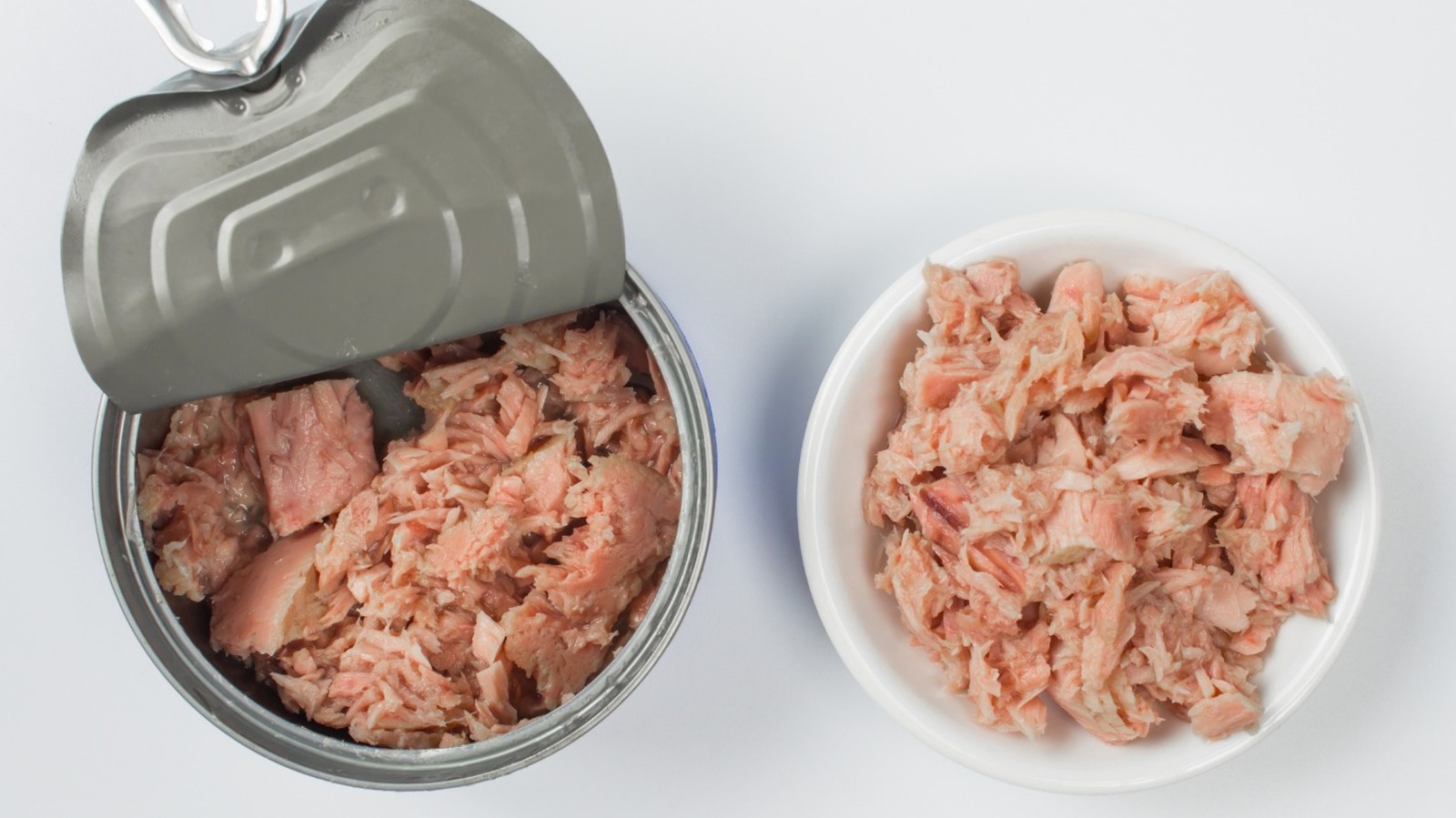
Drain the tuna like you mean it. I press it in the can with the lid, then tip it into a bowl and blot once with a paper towel if it still looks wet. If your pickles are extra juicy, pat them dry (or go easy on the pickle juice). For sandwiches, keep tomatoes and cucumbers seeded and patted dry too.

Can I make tuna salad without mayonnaise?

Yes. Swap mayo for Greek yogurt (tangy and light) or mashed avocado (richer, but best eaten same day). You can also do half mayo, half yogurt for a good middle ground.

What should I serve with tuna salad?

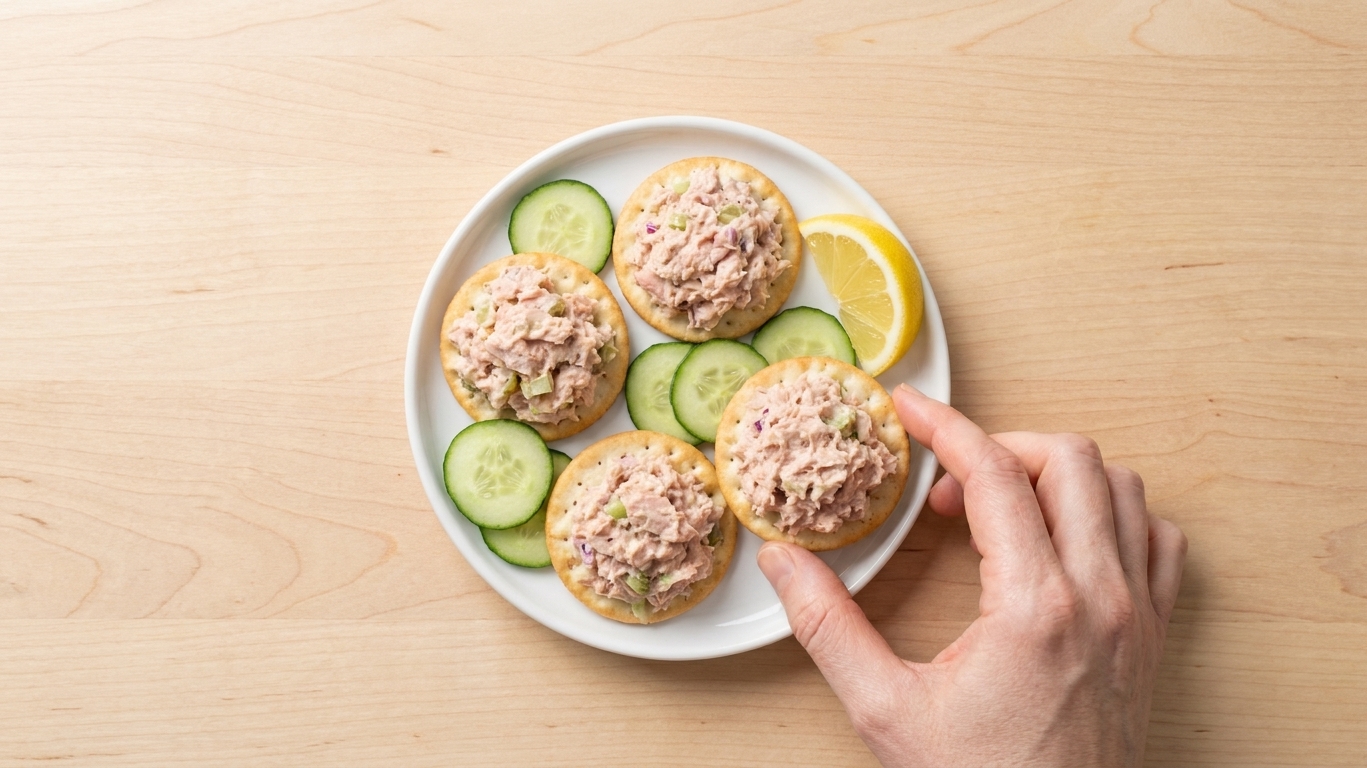
My favorites are toasted sourdough, crackers, lettuce cups, pita, or a big crunchy salad. If you want a full lunch, add chips, fruit, or a simple veggie soup.

How much does this make?

About 2 cups total, which is roughly 4 servings (around 1/2 cup each). That is usually 3 to 4 sandwiches, depending on how generous you are.

Tuna salad was one of the first “I can feed myself” recipes I learned, and for a while I kept it painfully basic. Then I started cooking more professionally and realized the difference between fine and craveable is usually acid, salt, and texture. Lemon and Dijon gave it attitude, celery gave it snap, and pickles made it feel like it had a point of view. Now it is my default when I want something fast that still tastes like I tried.