Mom's Best Recipes
Recipe

Best Light and Fluffy Sushi Rice

Light, fluffy, glossy sushi rice with the right gentle tang. No mush, no dry grains, just sticky enough to shape and perfect for rolls, bowls, and nigiri.

Author By Matt Campbell
4.9
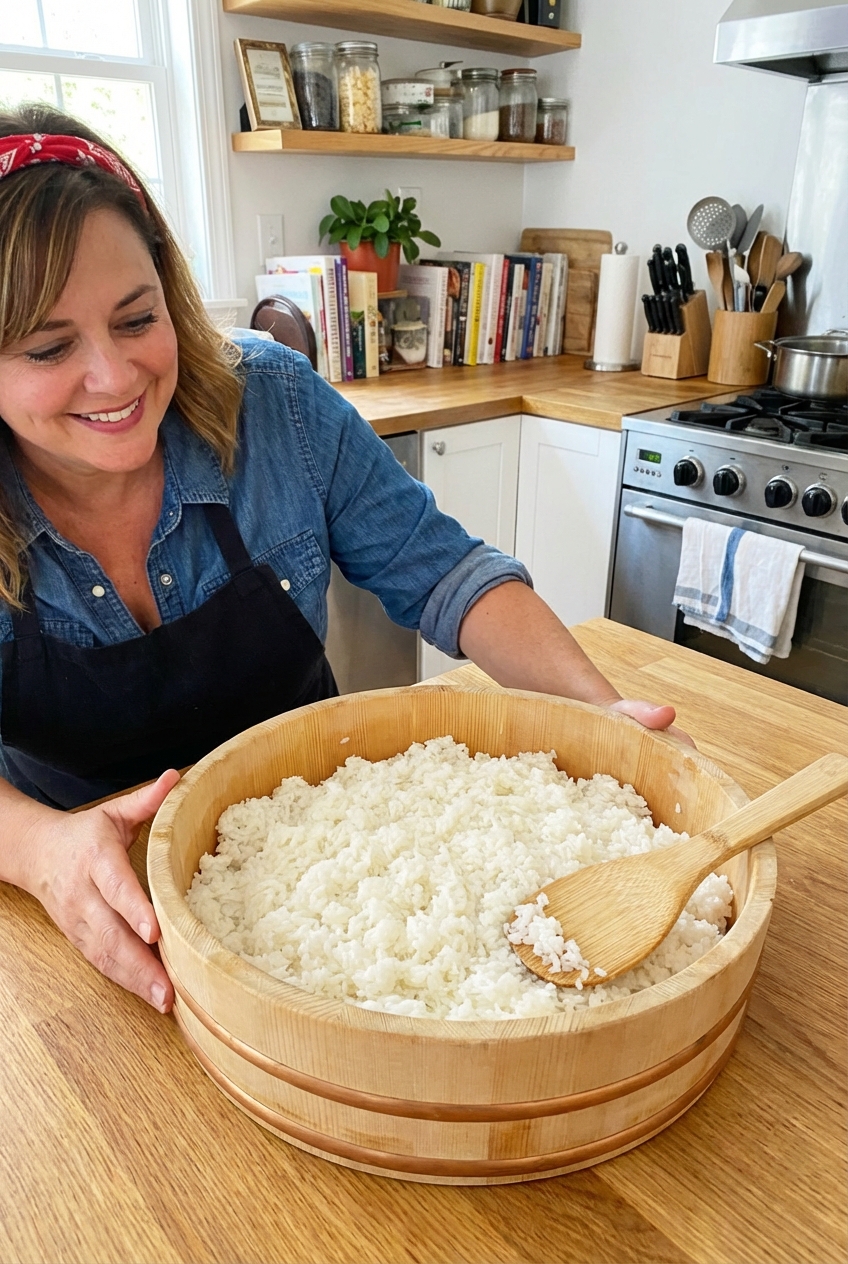
A wooden bowl filled with glossy, fluffy sushi rice with a rice paddle resting on the rim on a bright kitchen counter

Sushi night at home gets way less intimidating when the rice behaves. Not “glue paste,” not sad and crumbly, not aggressively vinegary. Just light, fluffy grains that still cling together like they understand the assignment.

This is my go-to method for sushi rice that tastes clean and balanced. We rinse until the water is mostly clear, cook it gently, then fold in a simple sushi vinegar while the rice is warm. You do not need a rice cooker or special skills. You just need to respect the rinse, the rest, and the fluff.
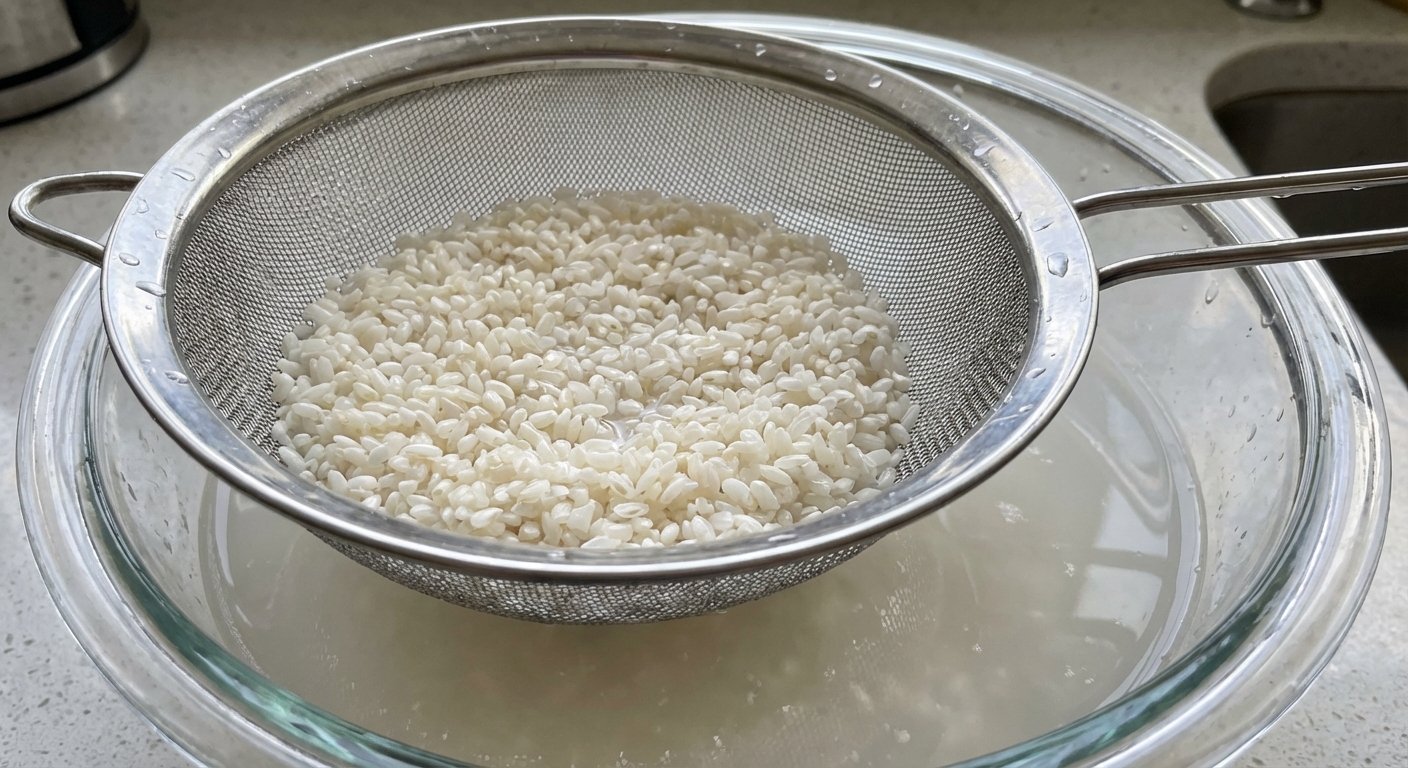
A close-up photo of rinsed short-grain rice in a fine mesh strainer over a bowl with cloudy water beneath

Why It Works

  • Fluffy, distinct grains thanks to thorough rinsing and a short steam rest after cooking.
  • Light seasoning with a balanced sushi vinegar that adds brightness without drowning the rice.
  • Reliable texture that is sticky enough to shape, but still airy and tender for bowls and rolls.
  • Beginner friendly control because the pot method makes it easy to avoid overcooking and mush.

Pairs Well With

Storage Tips

Sushi rice is at its best the day you make it. For same-day use, try not to refrigerate it, the fridge turns it firm and chalky fast.

Same-day holding (best option)

  • Keep rice covered and at room temperature for up to 2 hours (sooner in hot kitchens).
  • Lay a clean, slightly damp kitchen towel over the bowl. This keeps the top from drying out.
  • Food safety note: rice is one of those foods that should not sit out all afternoon. Use common sense and refrigerate sooner if your kitchen is warm.

Refrigerator (texture changes, but still usable)

  • Cool quickly, then store in an airtight container for up to 24 hours.
  • To reheat: sprinkle with 1 to 2 teaspoons water per cup, cover, and microwave in short bursts until just warm. Fluff gently.
  • Use chilled leftovers for onigiri, rice bowls, or fried rice (yes, sushi rice fried rice is a vibe).

Freezer

  • Portion into small packs, press flat, wrap tightly, and freeze up to 1 month.
  • Reheat from frozen, covered, with a splash of water until hot, then fluff.

Note: If you used sushi rice for raw fish, follow food safety rules for the toppings. Store rice and fish separately.

Common Questions

What rice is best for sushi rice?

Use Japanese short-grain rice (often labeled sushi rice). Calrose (medium-grain) can work in a pinch, but true short-grain gives the best cling and that fluffy chew.

Why do I have to rinse the rice so much?

Rinsing removes excess surface starch so the rice cooks up light instead of gummy. You are not washing away flavor. You are washing away “paste.”

Can I use seasoned rice vinegar?

You can, but it varies a lot by brand. If you use it, start with 3 tablespoons, taste, and add more if needed. With seasoned vinegar, you usually do not need extra sugar or salt.

My rice is mushy. What went wrong?

Usually one of these: too much water, not enough rinsing, heat too high, or you stirred while cooking. Next time, measure carefully, rinse well, and keep the lid on until the end. Also note that some brands cook softer than others. If yours tends to run soft, start with 2 cups water next time.

My rice is dry or hard. How do I fix it?

Add 1 to 2 tablespoons water to the pot, cover, and steam on low for 3 to 5 minutes. Let it rest off heat, then fluff.

Do I need a wooden hangiri (sushi tub) and fan?

No. A wide bowl and a spatula work great. The goal is to cool slightly and fold gently so the rice stays fluffy while the seasoning distributes evenly.

The first time I tried making sushi rice, I treated it like regular rice and immediately learned that sushi rice holds grudges. It came out dense, over-stirred, and somehow both wet and dry. Classic.

After a few rounds of “okay, what if we actually rinse it” and “what if we stop messing with it while it cooks,” this method finally clicked. Now it is my calm little kitchen ritual. Rinse, cook, rest, fold. Then I taste a warm pinch straight from the bowl and think, yep, we are in business.