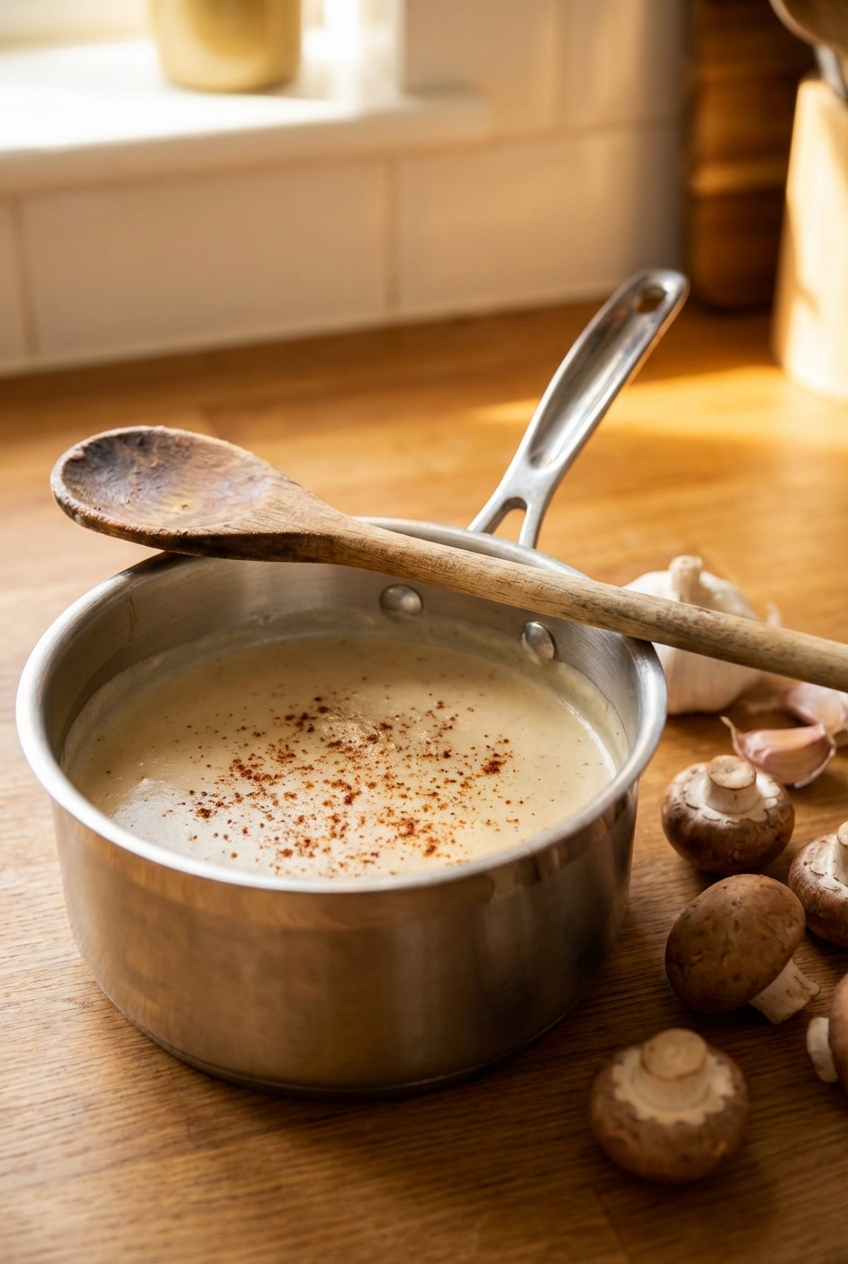
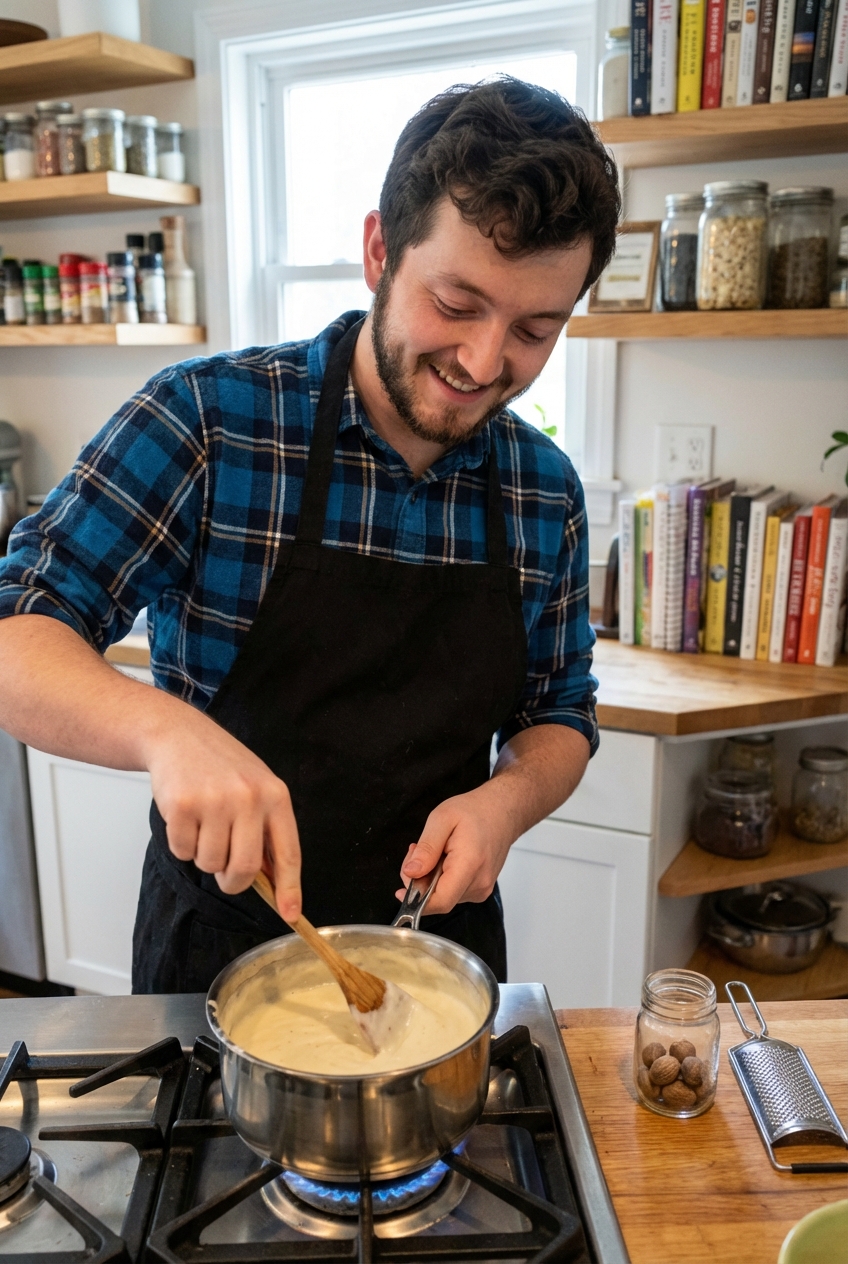
Master a rustic, decadent béchamel sauce with this easy, step-by-step recipe. Get a silky texture, avoid lumps, and discover delicious ways to use it in sav...
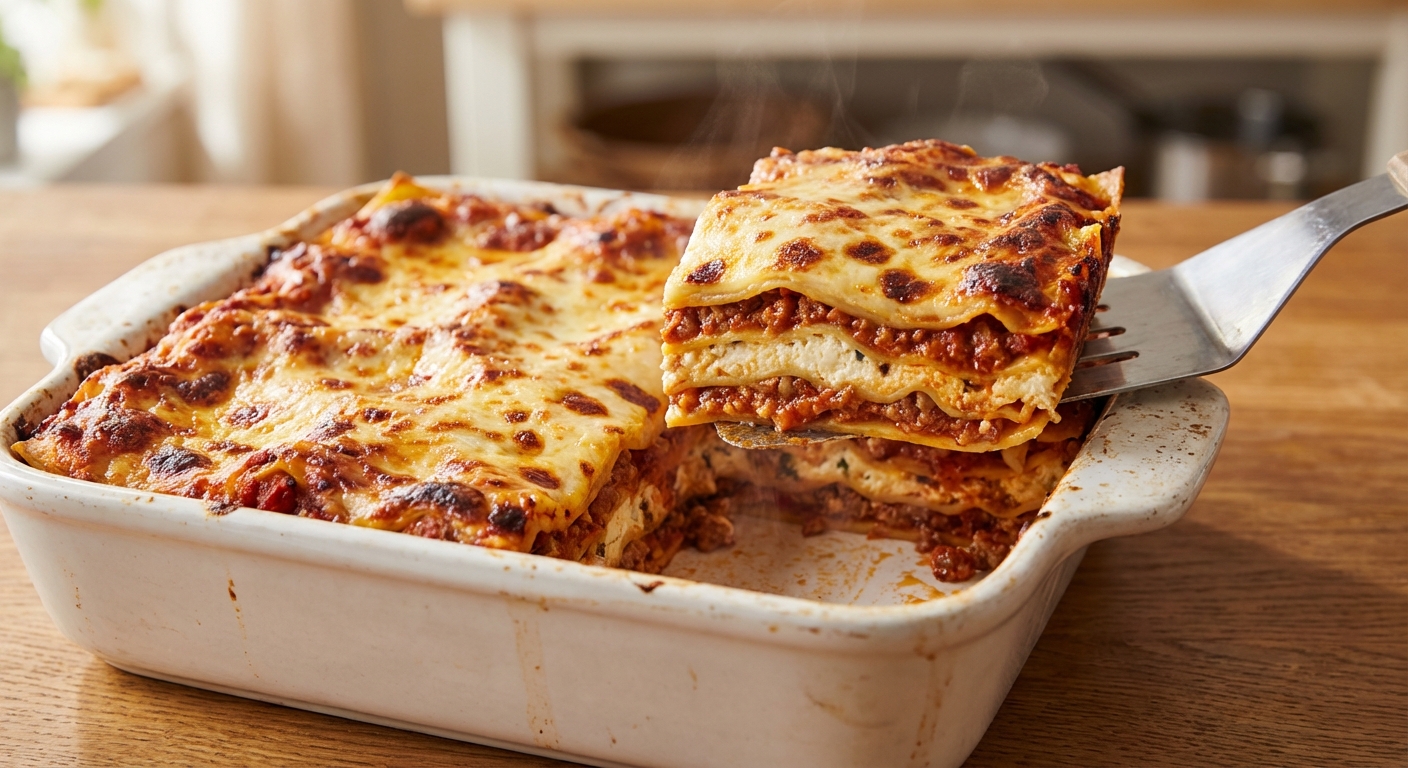
Let’s talk béchamel. It is the white sauce that shows up in lasagna, mac and cheese, casseroles, creamy veggie bakes, and those “I need dinner to feel like a blanket” nights. Classic béchamel is rich and buttery, which is great until you want that same comfort with a little less heaviness.
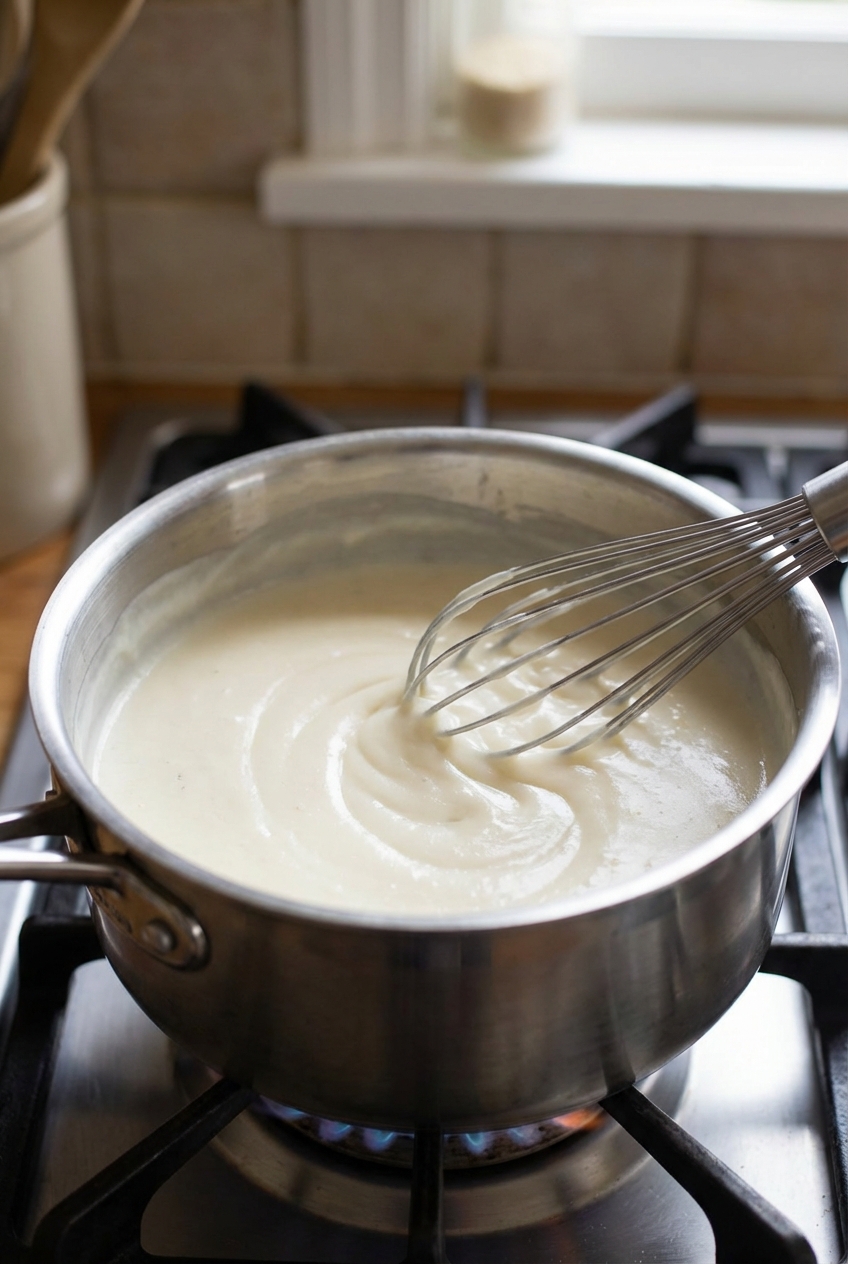
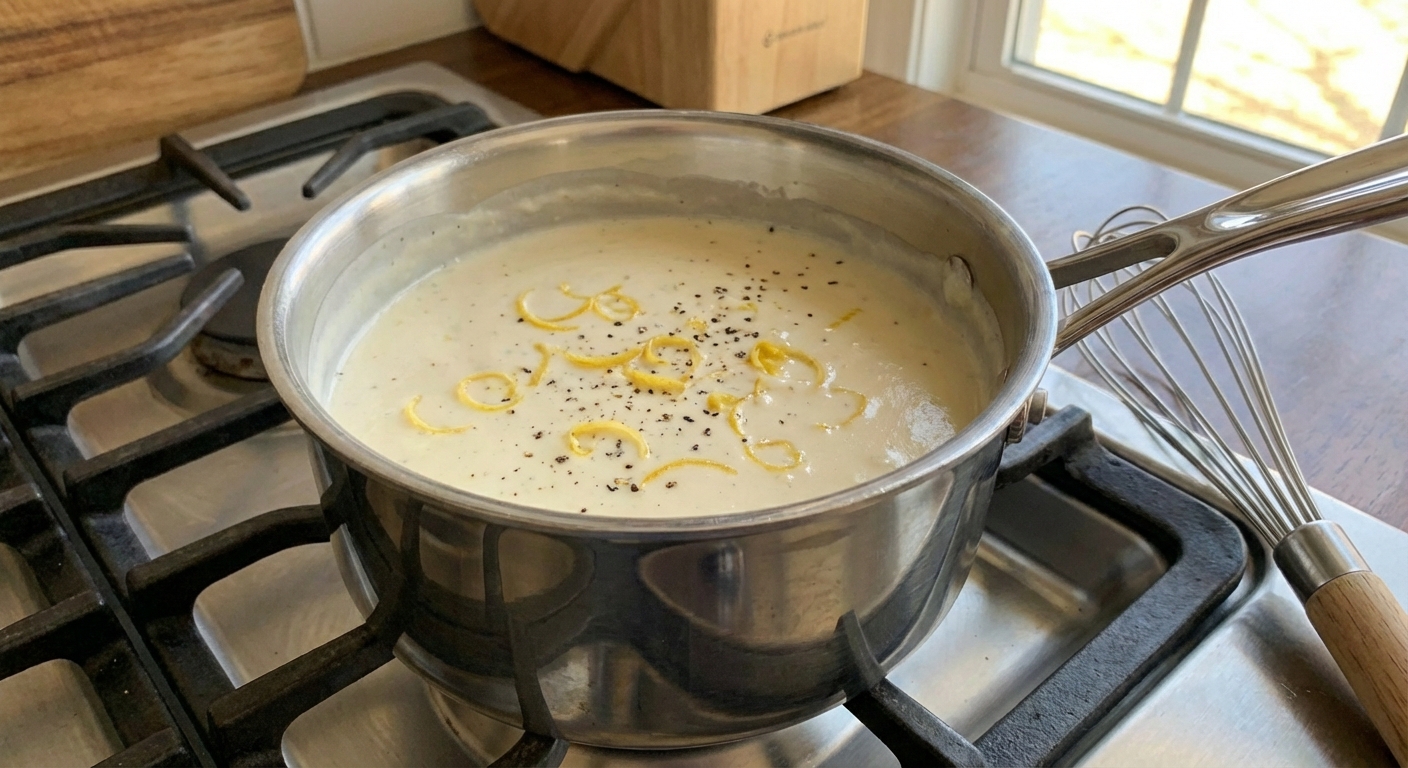
This version stays silky but goes lighter by using a smaller amount of roux and a combo of milk and broth. Then we sneak in two flavor moves that make people pause mid-bite: smoked paprika for that gentle campfire vibe, and a little mushroom powder for earthy depth. No drama, no fancy techniques, just a sauce that makes weeknight food taste like you tried harder than you did.