Mom's Best Recipes
Recipe

Festive Elderberry Syrup (Light & Creamy)

A cozy, berry-bright elderberry syrup finished with vanilla and an optional creamy swirl. Perfect for pancakes, yogurt, mocktails, and winter-time “I need something fun” moments.

Author By Matt Campbell
4.8

This is elderberry syrup for people who want the bright, tangy berry punch but also crave a little softness. Think: deep purple color, a warm hug of cinnamon, a hint of vanilla, and a finish that can go either classic or lightly creamy, depending on your mood.

Classic elderberry syrup is usually just berries, water, sweetener, and spices. Great. This version keeps that easy backbone, then gives you an optional creamy twist that turns it into something you actually want to drizzle on everything. It is still accessible, still easy, and yes, you should taste as you go.

Important safety note: use dried elderberries from a reputable source, and always simmer them. Raw elderberries and other parts of the plant can cause stomach upset.
Why It Works

  • Bold flavor without tasting medicinal: lemon brightens, cinnamon rounds it out, and vanilla makes it feel festive instead of fussy.
  • Light & creamy, your way: you can keep it classic, or add a creamy finish for a dessert-like drizzle.
  • Easy thickness control: simmer longer for a spoon-coating syrup, or keep it looser for drinks.
  • Weeknight-friendly: one pot, one strain, done. The rest is just finding new things to pour it on.

Pairs Well With

Storage Tips

How to Store It

  • Fridge: Store syrup in a clean jar or bottle with a tight lid for up to 10 days. If you add dairy, aim for 5 to 7 days and keep it very cold.
  • Freezer: Freeze in ice cube trays, then transfer cubes to a freezer bag for up to 3 months. Pop a cube into tea, sparkling water, or a sauce pan to re-melt.
  • Reheating: Warm gently in a small pot or microwave in short bursts. Avoid boiling if you used dairy, since that can cause curdling.
  • Separation is normal: If you chose the creamy option, give it a good shake or whisk before using.

Tip: Label the jar with the date. Future-you deserves that kind of kindness.

Common Questions

Can I make this without the creamy part?

Absolutely. The base recipe is a classic elderberry syrup. The creamy finish is optional and added at the end.

What makes it “light and creamy” without turning it into heavy dessert sauce?

Two options: a little coconut milk for gentle richness, or a small amount of half-and-half whisked in off-heat. Either way, you are softening the edges, not burying the berry flavor.

Can I use fresh elderberries?

If you know they are true elderberries and properly prepared, yes, but most home cooks will have the easiest and safest results with dried elderberries. They are consistent and available online and in many natural food stores.

Is this the same as elderberry “immune syrup”?

It is similar in ingredients, but this recipe is written as a food recipe for flavor and versatility. If you have medical questions, that is a conversation for your healthcare professional.

Why does my syrup taste bitter?

Most often it is from simmering too aggressively for too long, or from squeezing the berries too hard when straining. Let it drip, press gently, and keep the simmer calm.

How do I thicken it more?

Simmer a few extra minutes after straining. If you want a thicker, glossy finish fast, whisk in a tiny cornstarch slurry (see instructions), then simmer 30 to 60 seconds. Do this before you add lemon and any dairy.

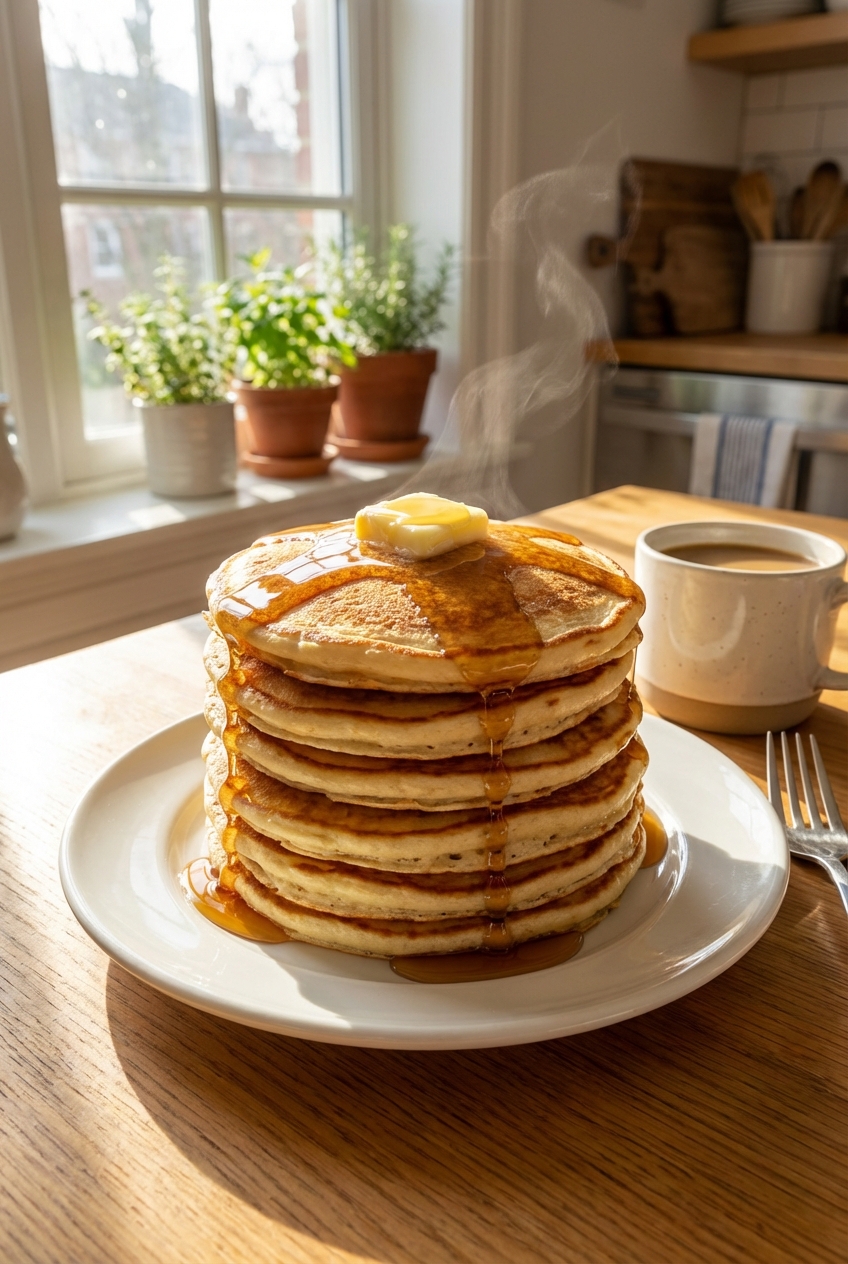
I started making elderberry syrup because I wanted something that felt like a little winter ritual, but I also wanted it to taste like dessert had a good idea. The first batch I made was solid, but a little too serious for my mood. So I tried adding vanilla. Better. Then one night I whisked in a splash of coconut milk on a whim and suddenly the whole thing went from “health store” to “brunch table.” Now it is my favorite move when I want pancakes to feel festive without turning the kitchen into a full production.