Mom's Best Recipes
Recipe

Light Homemade Mayo

A zippy, fresh, lighter-tasting mayo you can whip up in minutes. Bright lemon, a little Dijon, and a creamy texture that holds up in sandwiches, salads, and dips.

Author By Matt Campbell
4.8
A small glass jar of pale, creamy homemade light mayonnaise on a wooden counter with a lemon half and a whisk nearby

If regular mayo sometimes feels like it shows up wearing a winter coat, this one comes in a T-shirt. It’s lighter, brighter, and a little more playful, with lemon and Dijon doing the heavy lifting so you still get that classic creamy vibe.

The best part is you don’t need a culinary degree or a saintly amount of patience. If you can hold an immersion blender, you can make mayo. We’re going for zippy and fresh, with a texture that spreads like a dream and doesn’t taste flat.

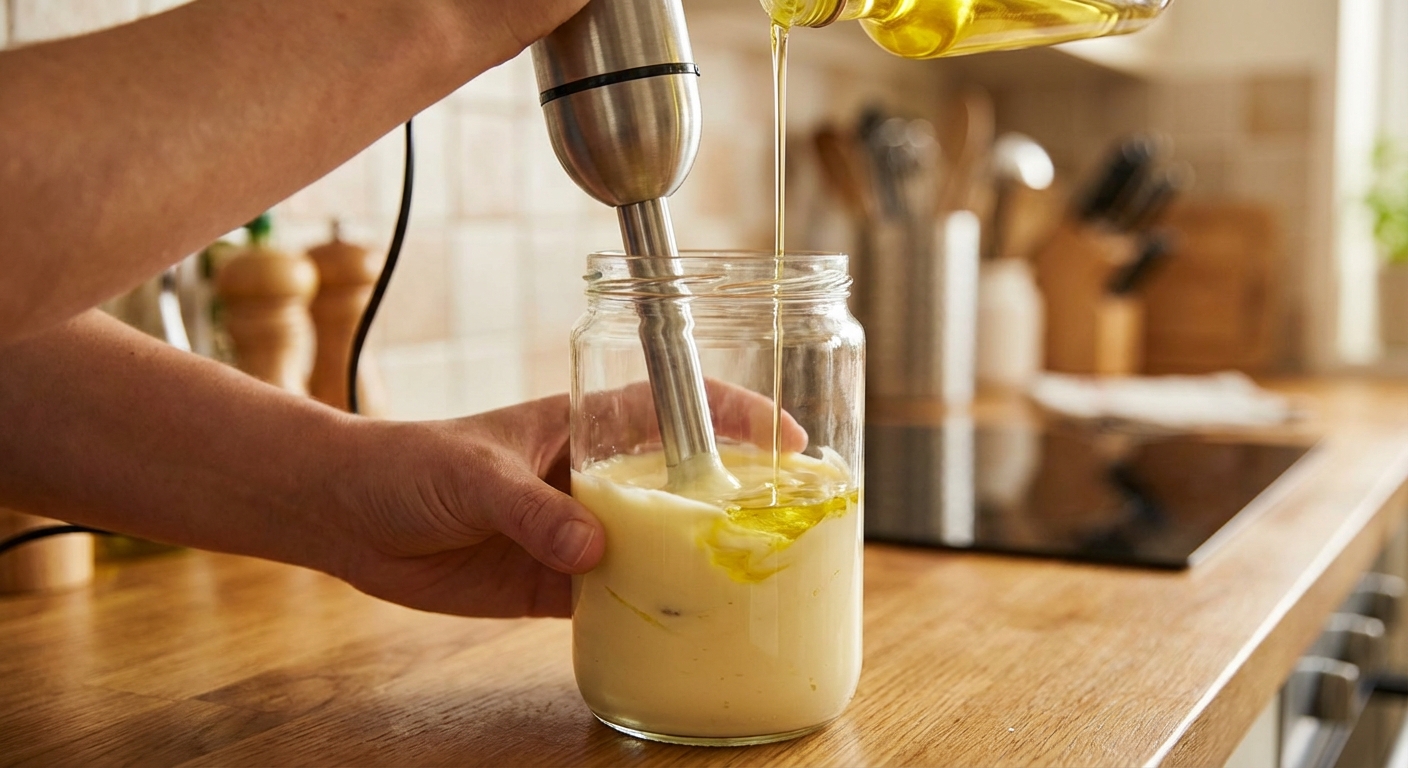
An immersion blender in a tall jar blending pale mayonnaise with a thin stream of oil visible near the surface

Why It Works

  • Big flavor, less heaviness: A blend of light olive and neutral oils keeps it clean-tasting, while lemon and Dijon bring the zip.
  • Stable emulsion: A whole egg plus a touch of Dijon helps the mayo set up quickly and stay creamy.
  • Fast: Immersion blender method means you go from ingredients to mayo in under a minute of blending.
  • Flexible: Make it garlicky, herby, or spicy without breaking the base.

Pairs Well With

  • Turkey and avocado sandwiches
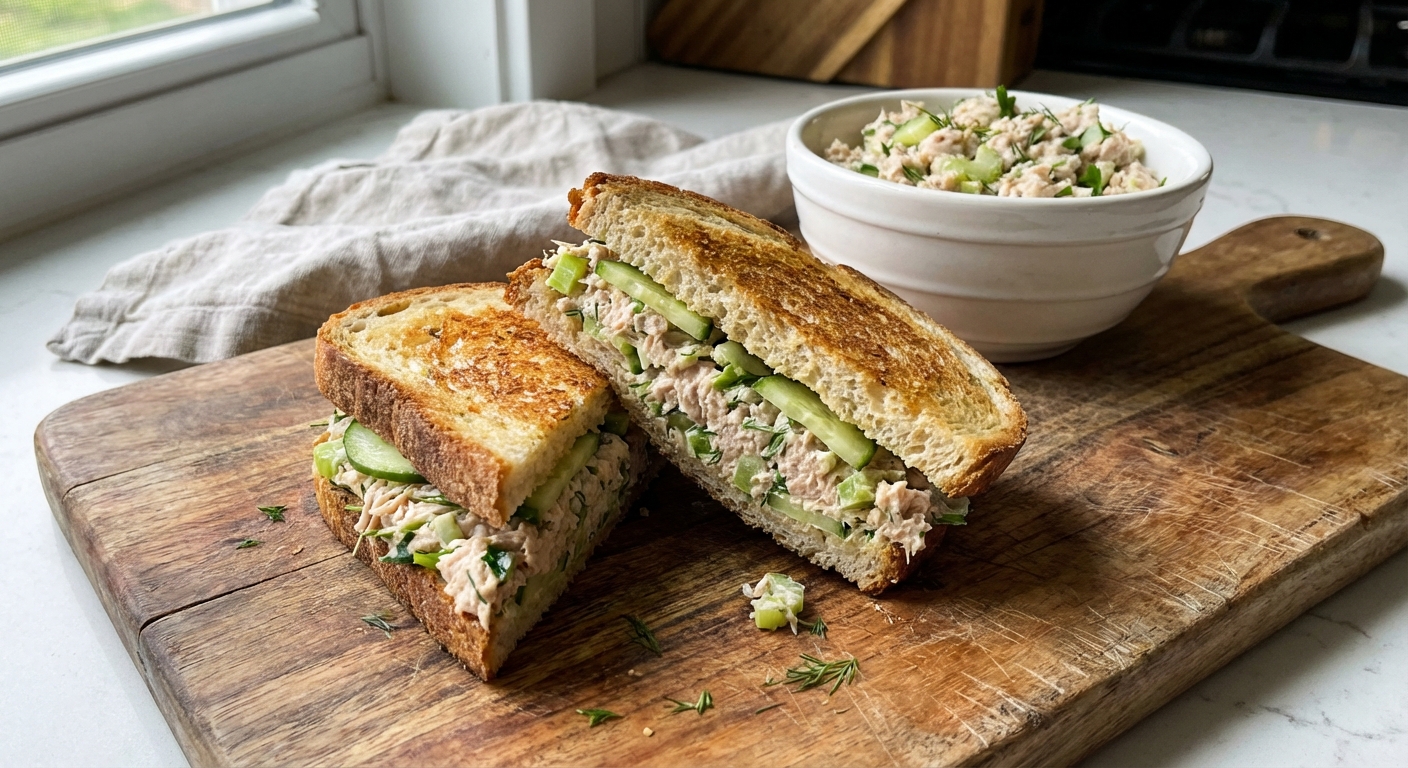
  • Chicken salad or tuna salad
  • Roasted potatoes or sweet potato fries
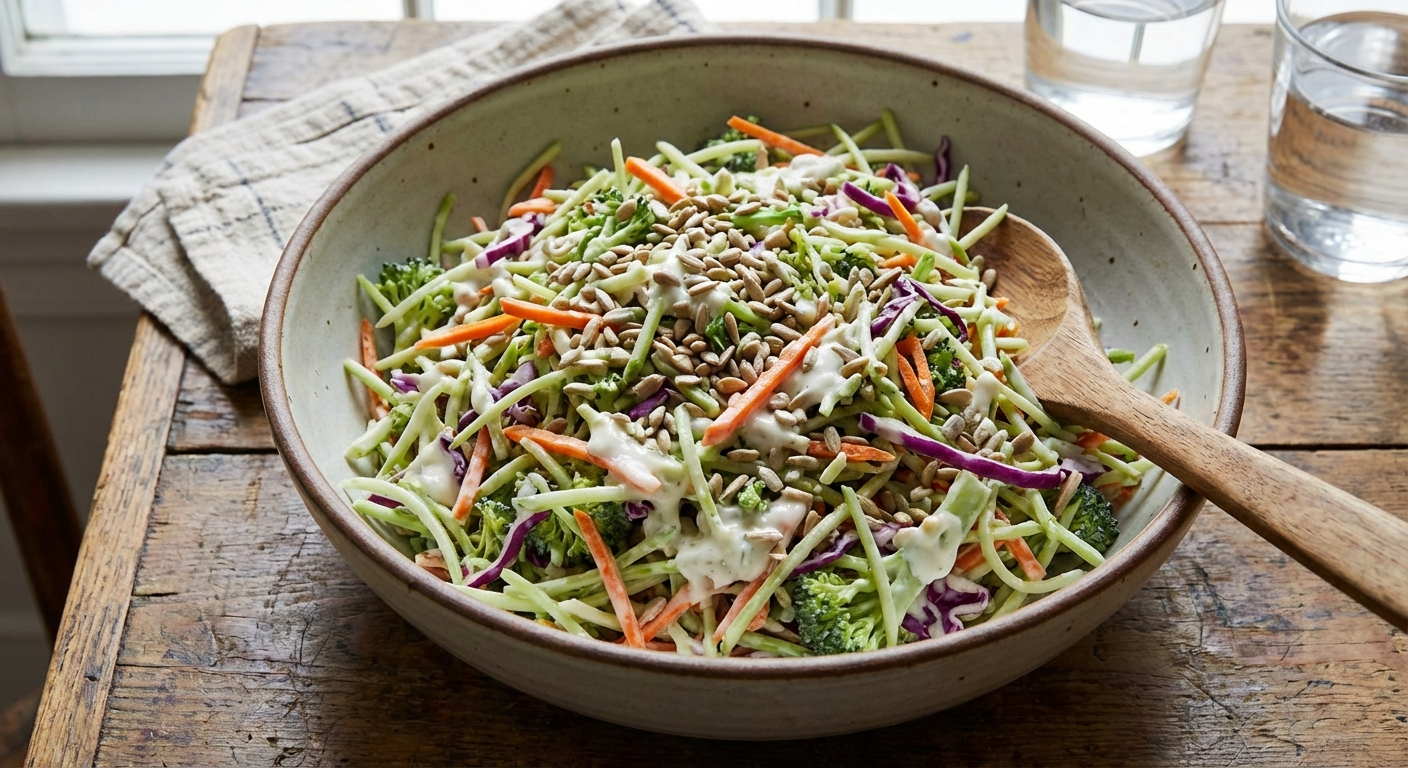
  • Coleslaw and crunchy salad dressings

Storage Tips

Refrigerate: Store in a clean jar or airtight container for up to 3 to 4 days.

Keep it safe: Because this uses raw egg, use the freshest eggs you can find and keep the mayo cold. Don’t leave it at room temperature for more than 2 hours total, or 1 hour if it is above 90°F/32°C.

Stir before using: If it loosens slightly after a day, a quick stir brings it right back.

Do not freeze: Freezing can split the emulsion and you’ll end up with a sad, grainy situation.

Common Questions

Is homemade mayo safe?

Homemade mayo is made with raw egg, so there is some risk. Use very fresh eggs, keep everything refrigerated, and plan to finish it within 3 to 4 days to be conservative. If you are serving anyone pregnant, elderly, immunocompromised, or very young, consider using pasteurized eggs.

Why is this called “light” mayo?

This version is “light” in two ways: the flavor is brighter and less oily-tasting, and the oil blend is on the milder side. It is not fat-free, and it is not meant to be significantly lower-calorie than classic mayo. It just tastes fresher and less heavy.

My mayo did not thicken. What happened?

The most common culprits are a jar that is too wide, a blender head that did not fully cover the egg at the start, ingredients that were ice-cold, or (with a regular blender) oil that went in too fast. Use a tall jar, start with the blender head resting on the bottom so it fully covers the egg, and let the emulsion form before you move the blender.

Can I use all olive oil?

You can, but strong extra-virgin olive oil can taste bitter once blended aggressively. If you want olive oil flavor, use light olive oil (refined and mild) or do a half-and-half blend with neutral oil.

Can I make it without mustard?

Yes, but Dijon helps with flavor and stability. If you skip it, add a little extra lemon juice or vinegar for balance, and expect a slightly looser mayo.


I started making mayo at home for one simple reason: I wanted a sauce that tasted like it had a pulse. Store-bought mayo has its place, but sometimes it feels like background music. This version is what I make when I want my sandwich to taste like I actually tried, even if dinner is just rotisserie chicken and whatever bread is still soft.

It’s also my favorite “rescue move” for leftovers. A spoonful of this plus lemon zest turns plain chicken into a legit salad. Add garlic and it becomes a dip. Add hot sauce and suddenly fries are not just fries.