Mom's Best Recipes
Recipe

Light Onigiri

Tender rice triangles with a bright herb and miso filling, wrapped in nori right before eating. Easy, portable, and exactly the kind of snack that turns into lunch.

Author By Matt Campbell
4.8
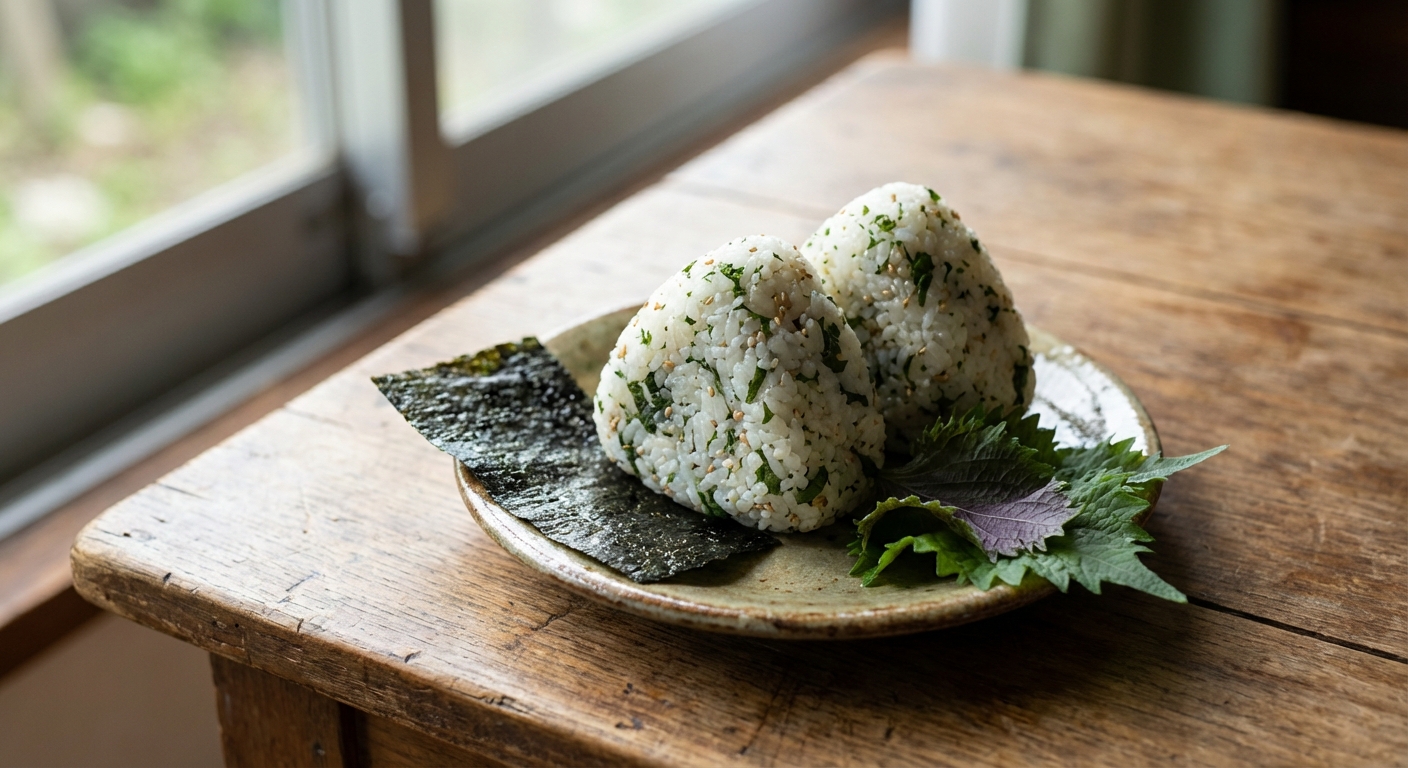
A real photo of two herb-filled onigiri triangles on a small ceramic plate with a sheet of nori and a few shiso leaves on a wooden table in natural window light

Onigiri is one of those foods that looks fancy and precise, but it is basically the world’s most lovable rice snack. It is handheld comfort with a nori wrap and a cozy, savory center. This version stays light by leaning on herbs, lemon, and a touch of miso for depth, instead of heavy mayo fillings.

These are perfect for lunchboxes, post-gym hunger, road trips, or that moment when you want “a little something” and accidentally make it a meal. No perfection required. The triangles can be a little wonky. They will still taste incredible.

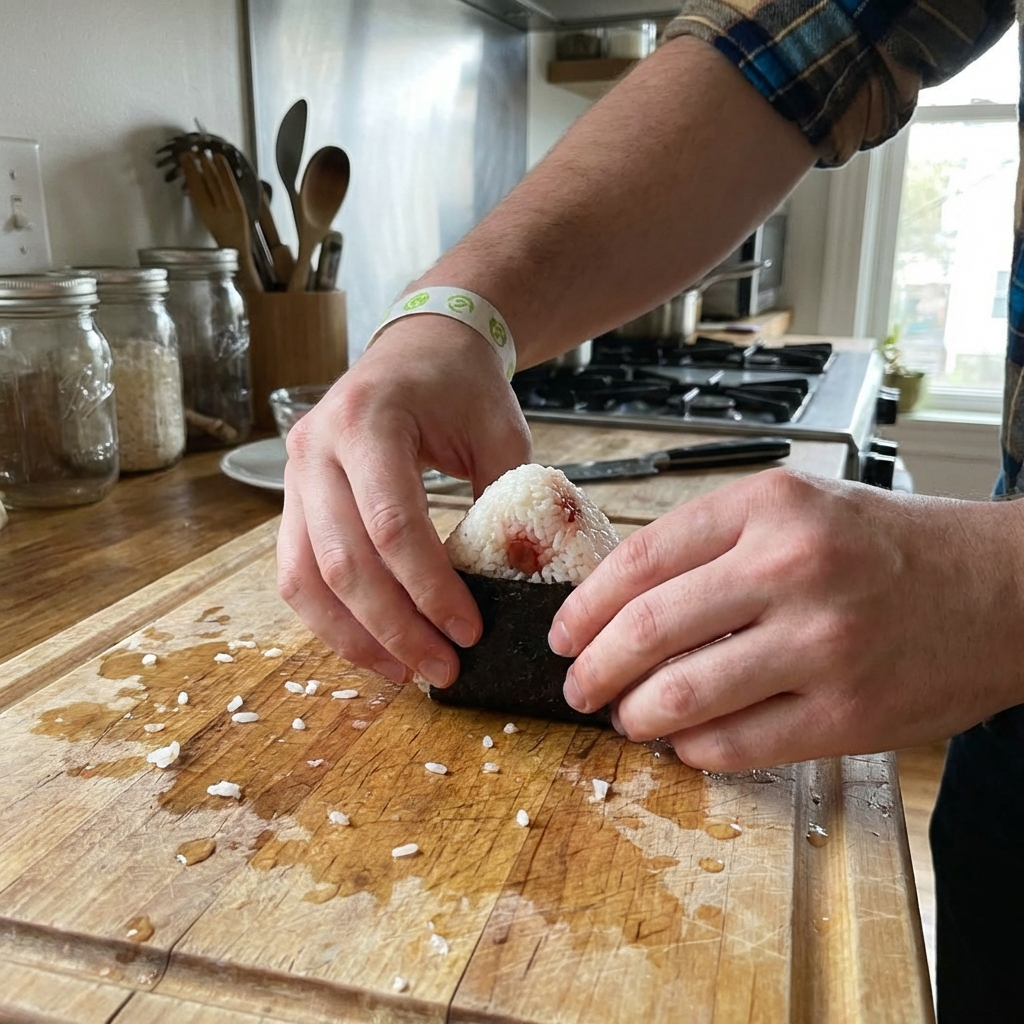
A real photo of hands shaping warm rice into an onigiri triangle over a sheet of plastic wrap on a kitchen counter

Why It Works

  • Bright, savory filling: White miso adds umami, lemon wakes everything up, and herbs keep it fresh.
  • Great texture contrast: Warm, tender rice plus nori that stays crisp when you wrap right before eating.
  • Beginner-friendly shaping: Plastic wrap is the low-drama trick for neat onigiri without special molds.
  • Portable by design: They hold up well for lunches and snacks, with a simple storage approach.

Pairs Well With

Storage Tips

Onigiri is best the day you make it, but leftovers can still be good if you store them the right way. Rice dries out in the fridge, so we fight that with tight wrapping and smart reheating.

Fridge (up to 2 days)

  • Wrap each onigiri tightly in plastic wrap.
  • Store nori separately in a zip-top bag so it stays crisp.
  • Refrigerate promptly and do not leave rice sitting out for hours. Cooked rice can be a food safety risk at room temperature.
  • To refresh, microwave the wrapped onigiri for 15 to 30 seconds until just warm, then add nori.

Freezer (up to 1 month)

  • Wrap each onigiri in plastic wrap, then place in a freezer bag.
  • Thaw overnight in the fridge or microwave from frozen in short bursts until warmed through.
  • Add nori after reheating, never before freezing.

Food safety note: If you are packing these for later, keep them chilled with an ice pack, especially if your filling includes fish or egg.

Common Questions

Do I need an onigiri mold?

Nope. A mold is convenient, but plastic wrap is the real hero. It keeps the rice from sticking to your hands and helps you press a clean triangle shape.

What kind of rice should I use?

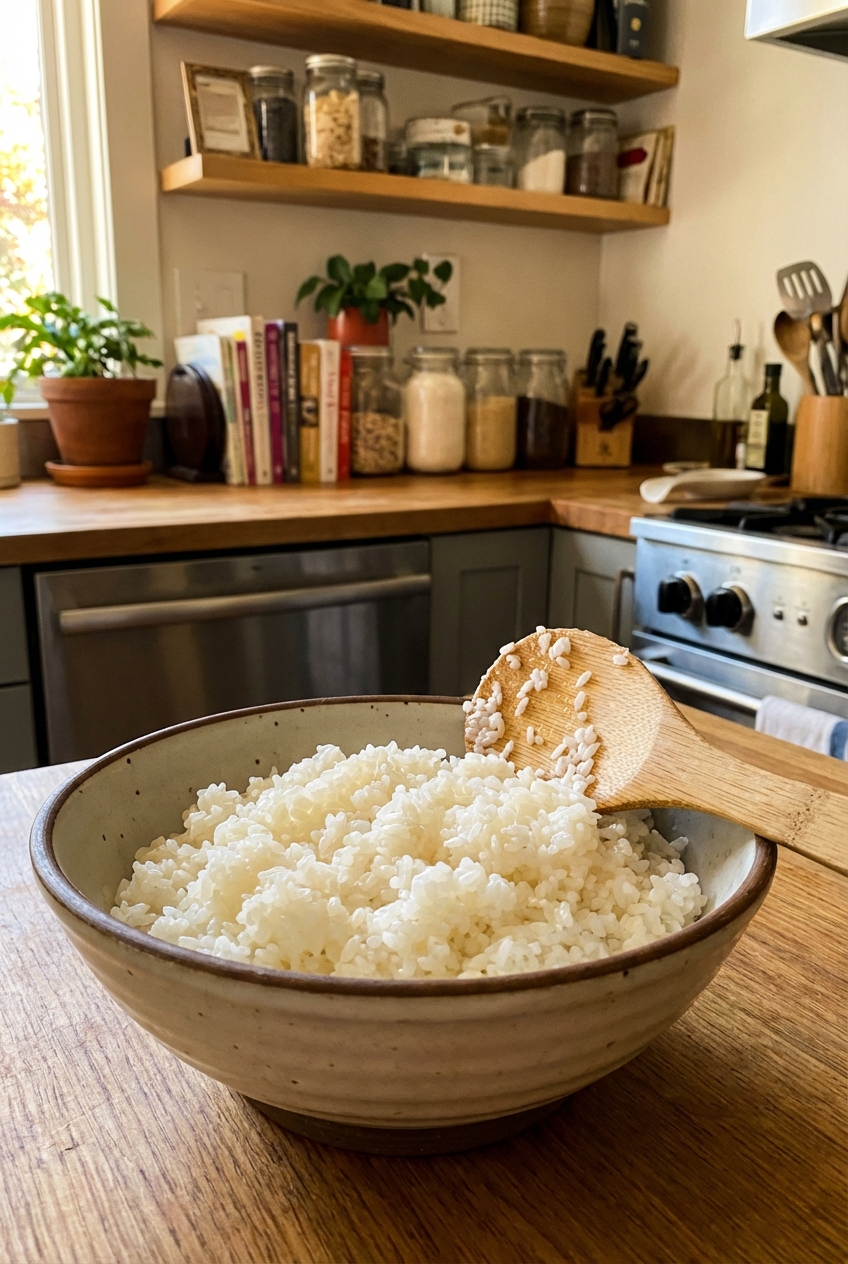
Short-grain Japanese rice is the classic choice because it is stickier and holds shape. Calrose is a great, widely available substitute. Long-grain rice is not ideal here because it tends to crumble.

Why does my onigiri fall apart?

Usually one of three things: the rice is too cool, you did not press firmly enough, or the rice is a little undercooked or too dry from the rice to water ratio. Shape while the rice is warm, and press with gentle confidence, like you mean it.

Can I make this vegan?

Yes. Most miso is vegan, but check the label just in case. Skip bonito or fish add-ins. This herb and miso filling is naturally plant-forward.

How do I keep nori crisp?

Wrap the rice in plastic for storage and add nori right before eating. If you want extra crispness, lightly toast the nori sheet over a low flame for a couple seconds per side.

The first time I made onigiri at home, I expected a crisp, perfect triangle and got something closer to a rice boulder. Still delicious. That is the thing with onigiri. It is not trying to impress anyone; it is trying to feed you. This herbal version became my go-to when I wanted something lighter than tuna-mayo but still deeply savory. Miso gives you that “wait, what is that flavor” moment, and the herbs make it feel bright and alive, like you actually opened a window while cooking.