Mom's Best Recipes
Recipe

Light Sponge Cake

A tall, airy sponge with a tender crumb, bright vanilla, and that classic “bounce back” when you tap the top.

Author By Matt Campbell
4.8
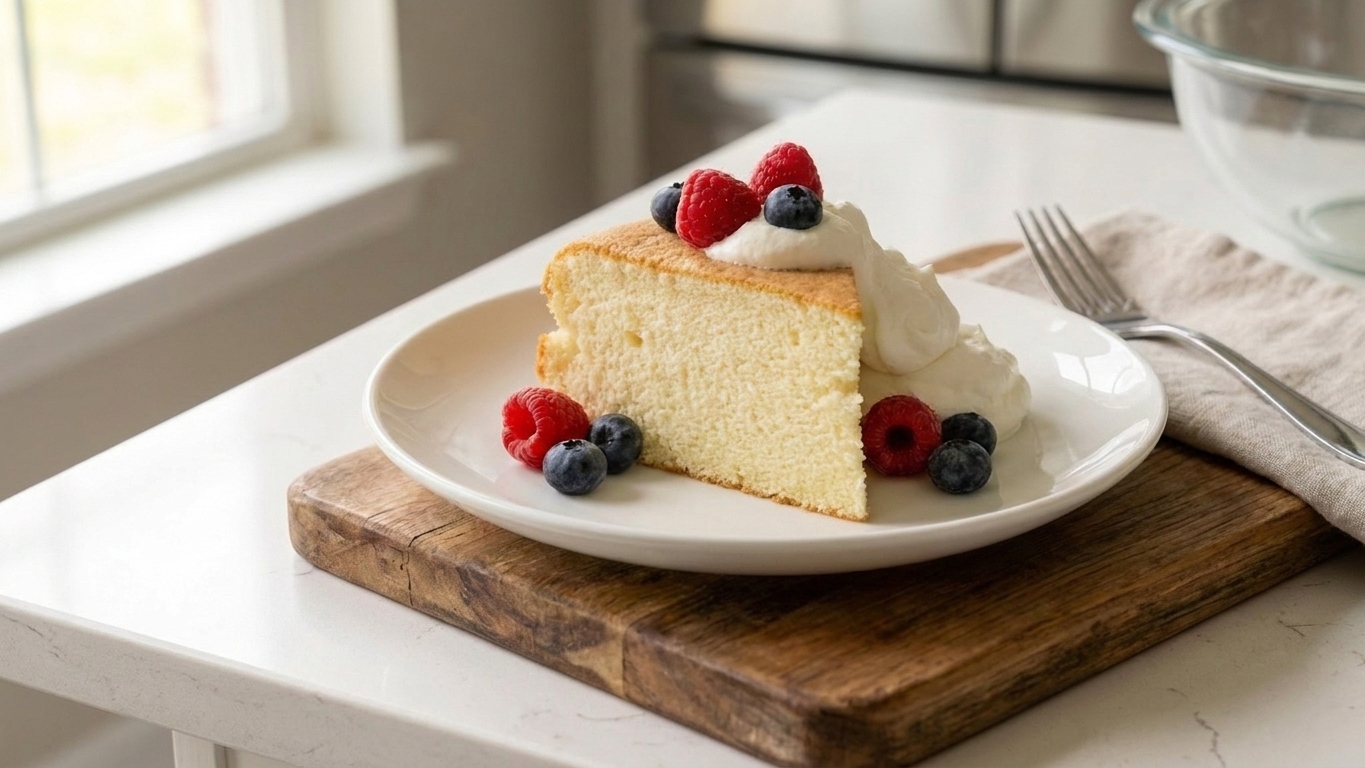
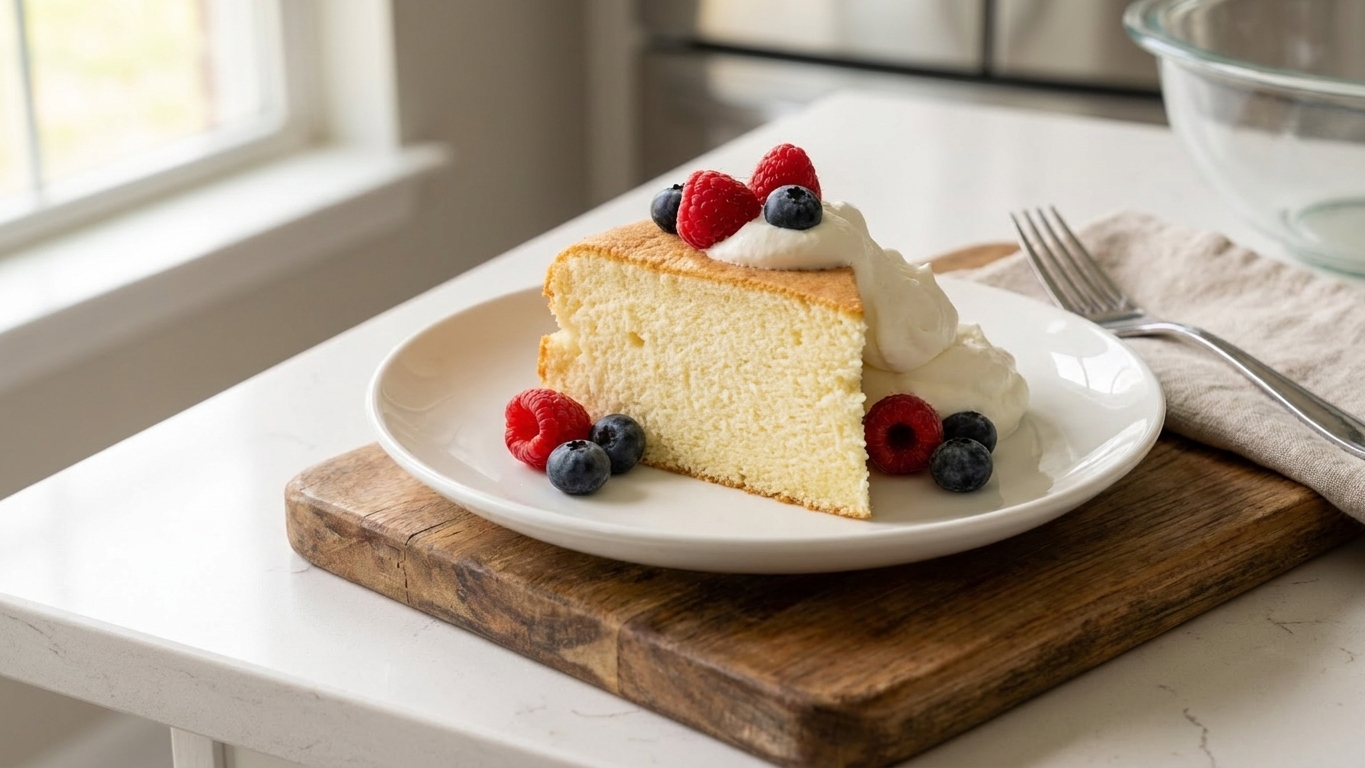
A single slice of light sponge cake on a white plate with fresh berries and a dollop of whipped cream on a wooden table in soft natural window light

If you have ever wanted a cake that feels like it weighs nothing but still tastes like something, this is your sponge. It is the kind of bake that makes you slow down for a second because the crumb is so airy it almost squeaks, in a good way. No fancy ingredients, no weird extracts you will use once, just eggs, sugar, flour, and a few tiny moves that make the batter actually hold onto all that fluff.

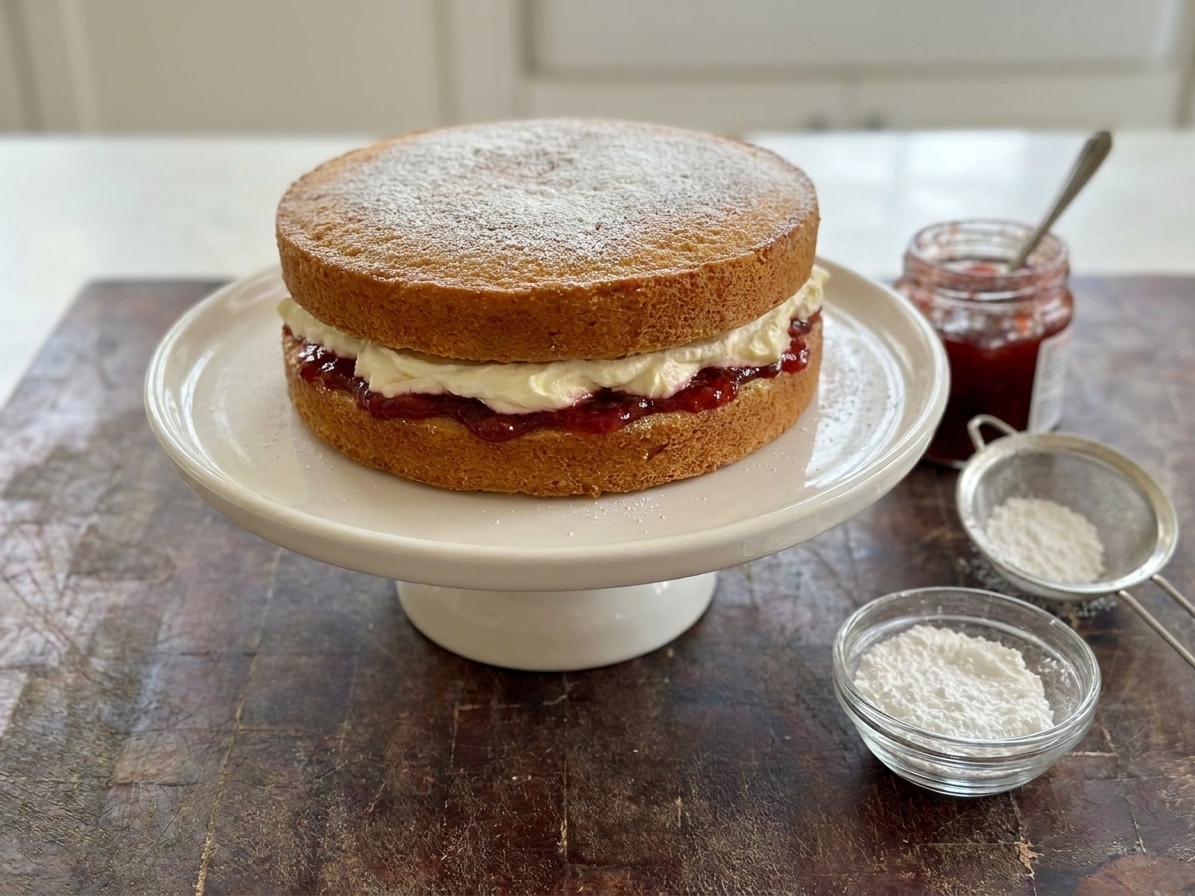
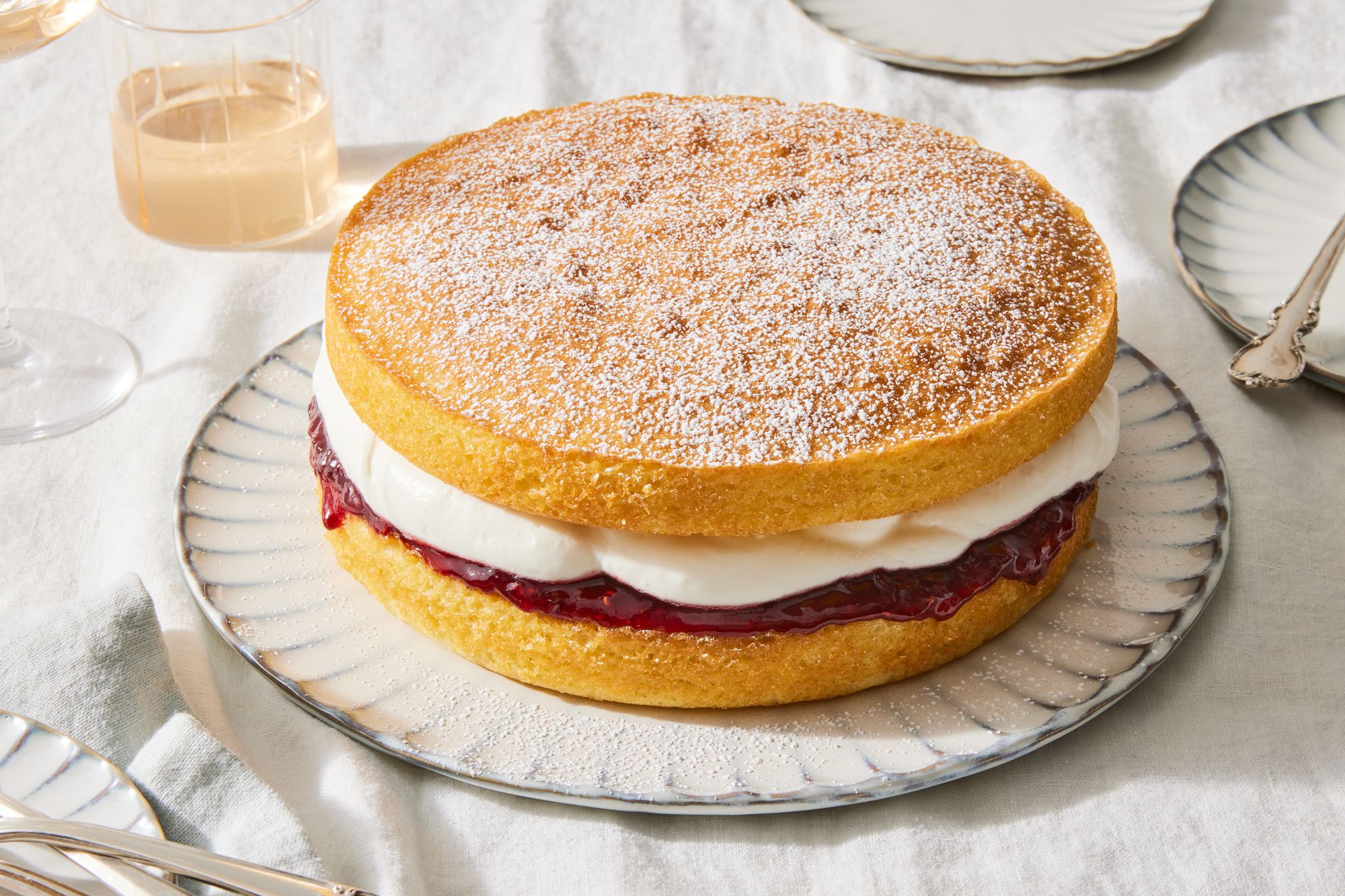
This version is a classic foam-style sponge, which means the lift comes from whipped eggs, not baking powder. That also means the vibe is: gentle folding, a steady oven, and absolutely no slamming the pan around like you are mad at it. Do that, and you get a cake that is perfect under strawberries, alongside coffee, or layered with jam and whipped cream when you want a low-drama celebration.
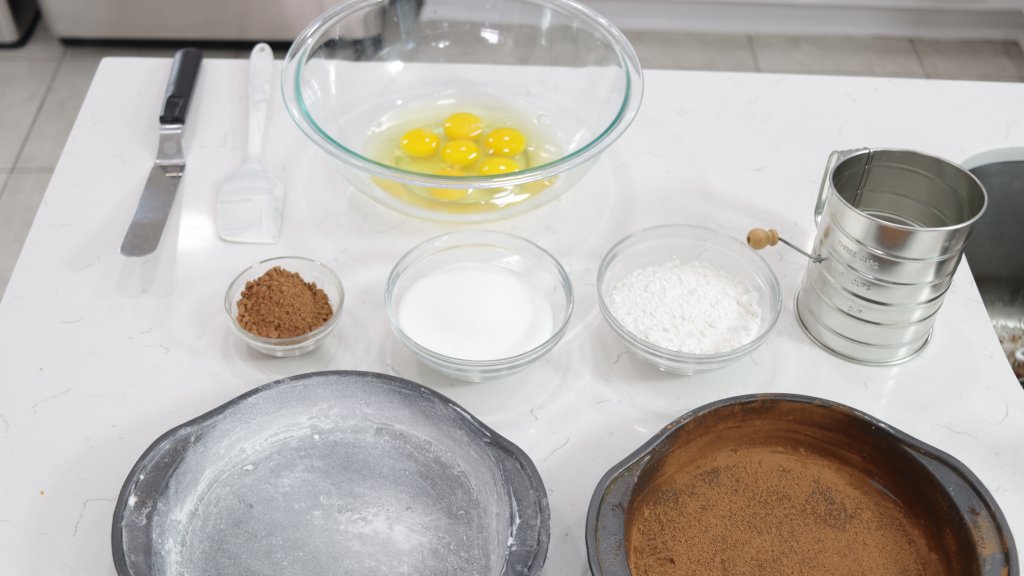
All the sponge cake ingredients measured in small bowls on a bright kitchen counter with a whisk, eggs, sugar, flour, and vanilla

Why It Works

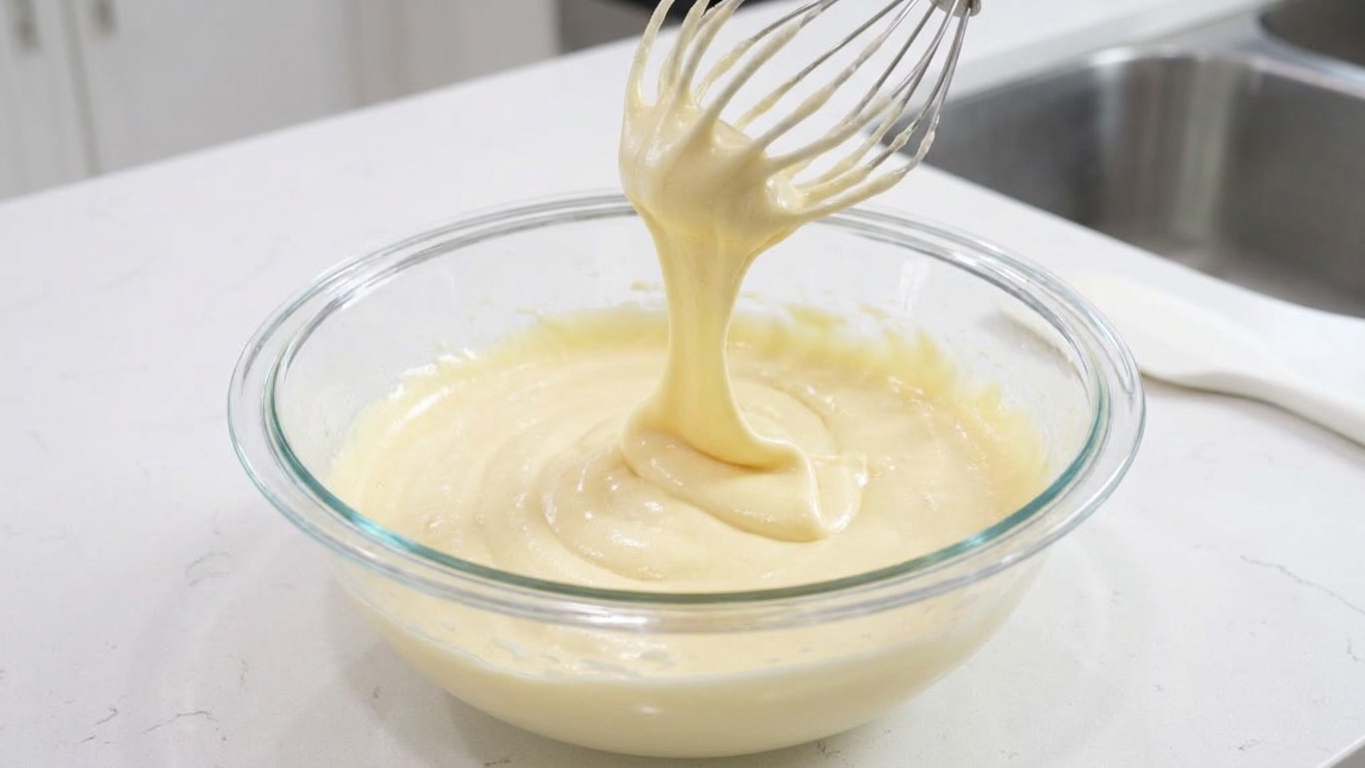
  • Big lift, light crumb: Whipping whole eggs with sugar to the ribbon stage builds structure without chemical leaveners.
  • Moist, not dry: A small amount of warm butter and milk adds tenderness while the foam keeps it airy.
  • Clean vanilla flavor: Simple ingredients, but the salt and vanilla make it taste like a real dessert, not just sweet and bready.
  • Flexible finish: Serve it plain, soak it with syrup, turn it into strawberry shortcake, or layer it for a birthday without committing to heavy frosting.

Pairs Well With

Storage Tips

Room temperature (best for texture): Wrap the cooled cake tightly in plastic wrap, then keep in an airtight container for up to 2 days.

Refrigerator: Only if it is already topped with whipped cream or fruit. Cover well and refrigerate up to 3 days. Bring slices to room temp for 20 to 30 minutes before eating for a softer crumb.

Freezer: Wrap the whole cake or individual slices in plastic wrap, then a layer of foil. Freeze up to 2 months. Thaw still wrapped at room temp for 1 to 2 hours.

Quick revive: If it feels a little dry on day two, a light brush of simple syrup (equal parts sugar and water, warmed until dissolved and cooled) brings it right back.

Common Questions

What makes sponge cake “light”?

Air. Specifically, the air you whip into the eggs and sugar. When you hit the ribbon stage and fold gently, that trapped air expands in the oven and gives you a tall, springy cake.

Do I need cake flour?

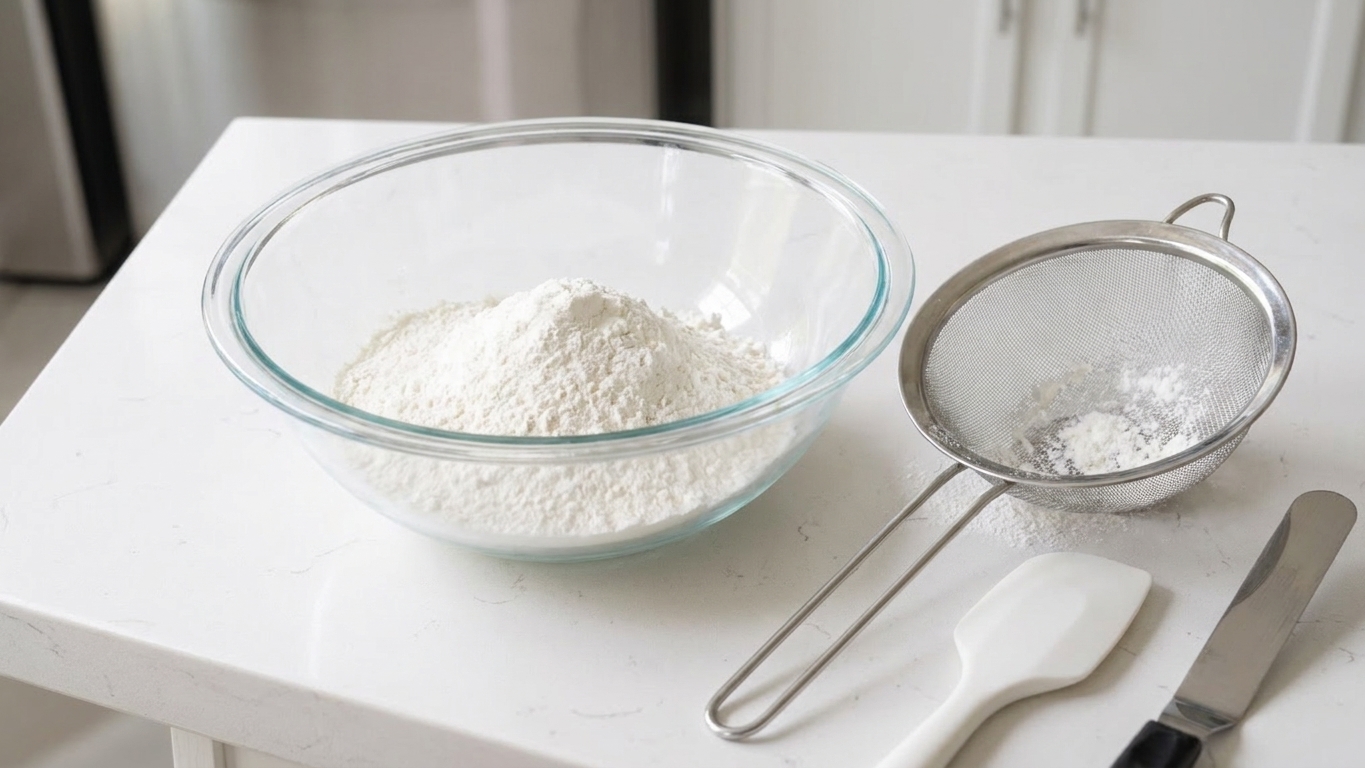
No. Cake flour makes an even softer crumb, but you can absolutely use all-purpose flour. If you want a cake-flour vibe without buying it, do this: measure 1 cup all-purpose flour, then remove 2 tablespoons and replace them with 2 tablespoons cornstarch. Sift well. (Do not add cornstarch on top of the full flour amount.)

Why did my sponge cake collapse?

  • Under-whipped eggs (never reached ribbon stage)
  • Over-folding (you knocked out the air)
  • Oven door opened early (steam and structure drop)
  • Underbaked center (it rises, then sinks as it cools)

Can I make this in a 9x13 pan?

Yes. Bake in a greased and parchment-lined 9x13-inch pan. Start checking around 18 minutes, and expect it to land somewhere around 18 to 25 minutes depending on your pan and oven. Trust the cues: golden top, springs back lightly, and a clean toothpick.

Can I add lemon or almond flavor?

Totally. Add 1 tablespoon finely grated lemon zest to the sugar before whipping, or swap the vanilla for 1/2 teaspoon almond extract. Keep extracts modest so they do not taste perfumey.

I used to think sponge cake was the kind of thing you only make if you have a pastry chef friend and a ruler for measuring air. Then I started chasing “light” desserts that still felt cozy, and sponge cake became my go-to because it is basically a flex made out of pantry staples. The first time I nailed the ribbon stage, I stood there watching the batter fall in slow folds like, okay wow, this is actually happening. Now it is my default when I want something that looks impressive but still lets me keep the kitchen energy relaxed and a little chaotic.