
Mom's Best Recipes
Recipe

Light Tabbouleh Recipe

A fresh, savory, herb-packed tabbouleh with juicy tomatoes, crisp cucumber, and a bright lemon-olive oil dressing. Fluffy bulgur, no active cooking, big payoff.

Author By Matt Campbell
4.8

Tabbouleh is one of those dishes that looks like a simple salad until you take a bite and realize it’s basically an herb festival with a lemony headliner. This light tabbouleh keeps the grains in a supporting role, so the parsley and mint stay loud and proud. The result is savory, super herbal, and refreshing in the way you want when the day is busy and the fridge needs a win.

We’re using bulgur because it’s quick, forgiving, and somehow always tastes like you tried harder than you did. The dressing is a straight shot of lemon, olive oil, and garlic, with enough salt to make the tomatoes taste like themselves, but better.
Why It Works

  • Fresh and bright: Lemon plus mint makes everything taste awake.
  • Herb-forward, not grain-heavy: This is tabbouleh that actually tastes like herbs, not like wheat pretending to be the main character.
  • Great texture: Fluffy bulgur, juicy tomatoes, and crisp cucumber with no soggy sadness.
  • Make-ahead friendly: It gets even better after a short chill, and it’s an easy lunch for the next day.

Pairs Well With

  • Grilled Chicken Thighs

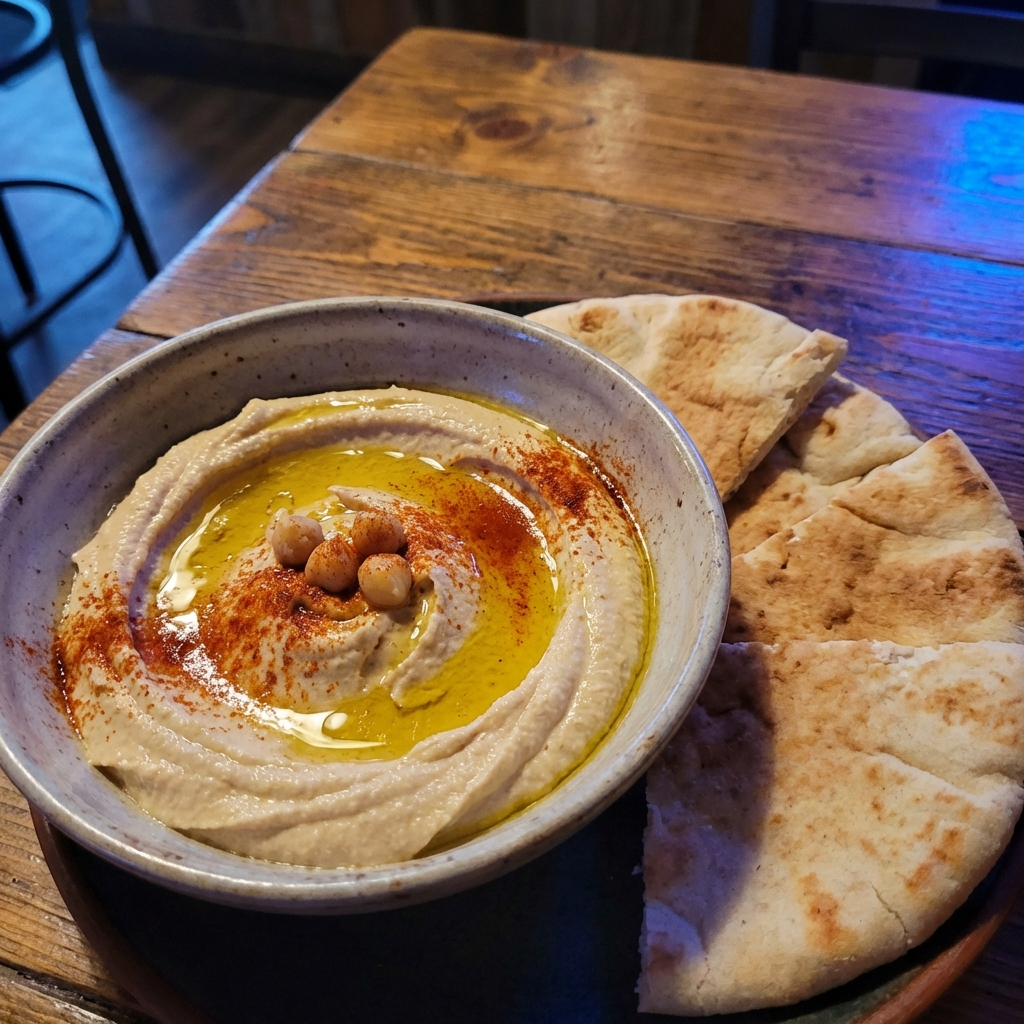
  • Easy Creamy Hummus

  • Roasted Chickpeas and Veggies

  • Warm Pita and Za’atar

Storage Tips

Refrigerate: Store tabbouleh in an airtight container for up to 3 days. It stays very good on day two, which is honestly when I like it best.

Keep it perky: If you know you’re making it ahead, you can hold back a tablespoon of lemon juice and a drizzle of olive oil, then add right before serving to brighten everything back up.

Drain if needed: Tomatoes can release liquid as they sit. If your tabbouleh looks a little watery, just stir and spoon off a bit of excess or add a small handful of chopped parsley to soak it up.

Freezing: Not recommended. The herbs get sad and the cucumber loses its crunch.

Common Questions

Is tabbouleh gluten-free?

Traditional tabbouleh uses bulgur (wheat), so it is not gluten-free. For a gluten-free version, swap in quinoa (cooked and cooled) or try riced cauliflower for an extra-light vibe.

Do I have to use mint?

No, but it adds that classic cool, herbal lift. If you skip it, increase the parsley a bit and consider adding a pinch of lemon zest to keep things bright.

Why does my tabbouleh taste flat?

Usually it needs one of two things: more salt or more lemon. Add a pinch of salt, stir, taste. Then add lemon a teaspoon at a time until it pops.

Can I make it without onion?

Yes. You can leave it out, or swap in chives or a small amount of green onion for a gentler flavor.

What is the best bulgur for tabbouleh?

Fine bulgur (#1) is most traditional and soaks quickly. Medium bulgur (#2) also works and stays a little more toothsome, but it typically needs a bit more time and/or hot water. Avoid coarse bulgur unless you plan to cook it longer.

The first time I made tabbouleh at home, I treated the parsley like a garnish. Rookie move. The whole point is that the herbs are the salad, and everything else is just there to make them taste louder. Now I chop a mountain of parsley, throw on some mint, and let the lemon and olive oil do what they do best: turn a bowl of greens into something you keep “taste-testing” until half of it is gone. It’s the kind of kitchen chaos I fully support.