Mom's Best Recipes
Recipe

Liver and Onions

Tender, quick-seared liver with sweet onions and an easy skillet gravy you can spoon over everything.

Author By Matt Campbell
4.7
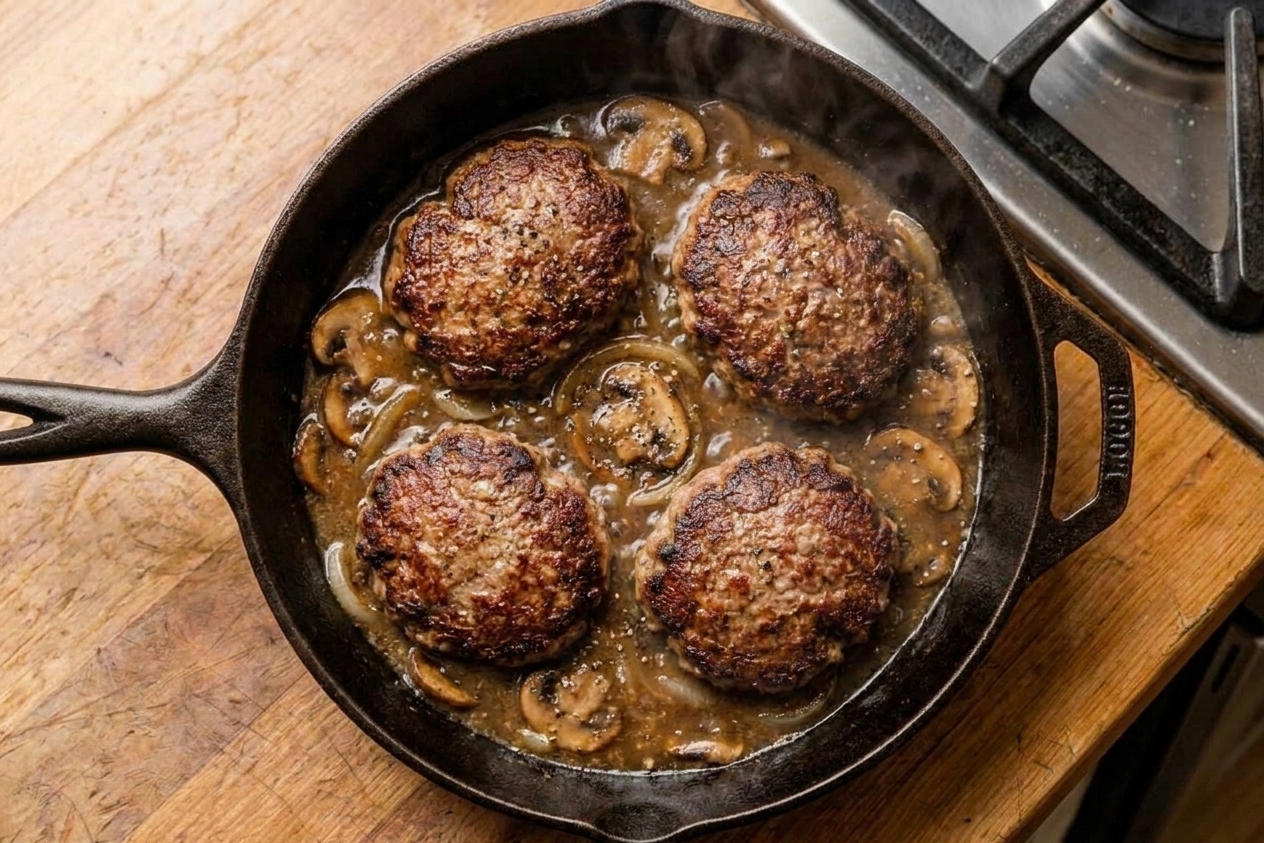
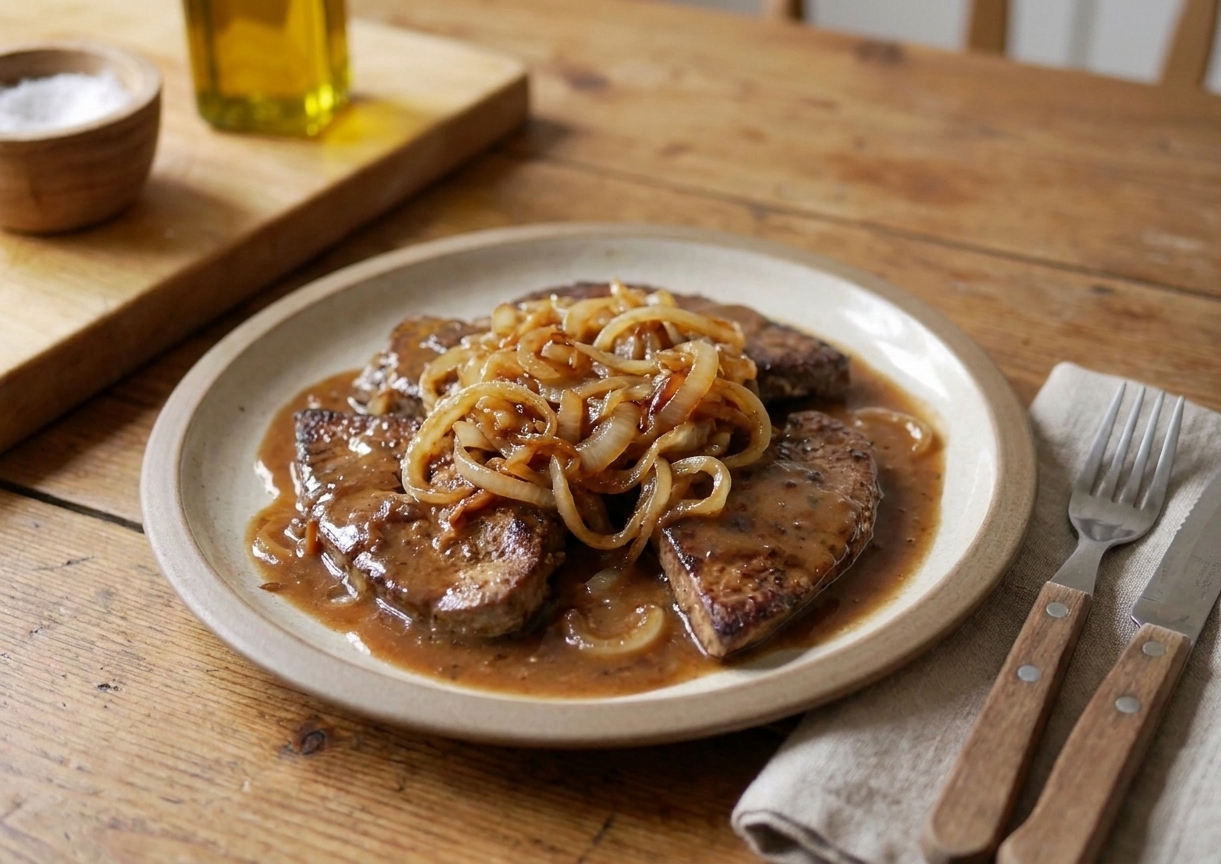
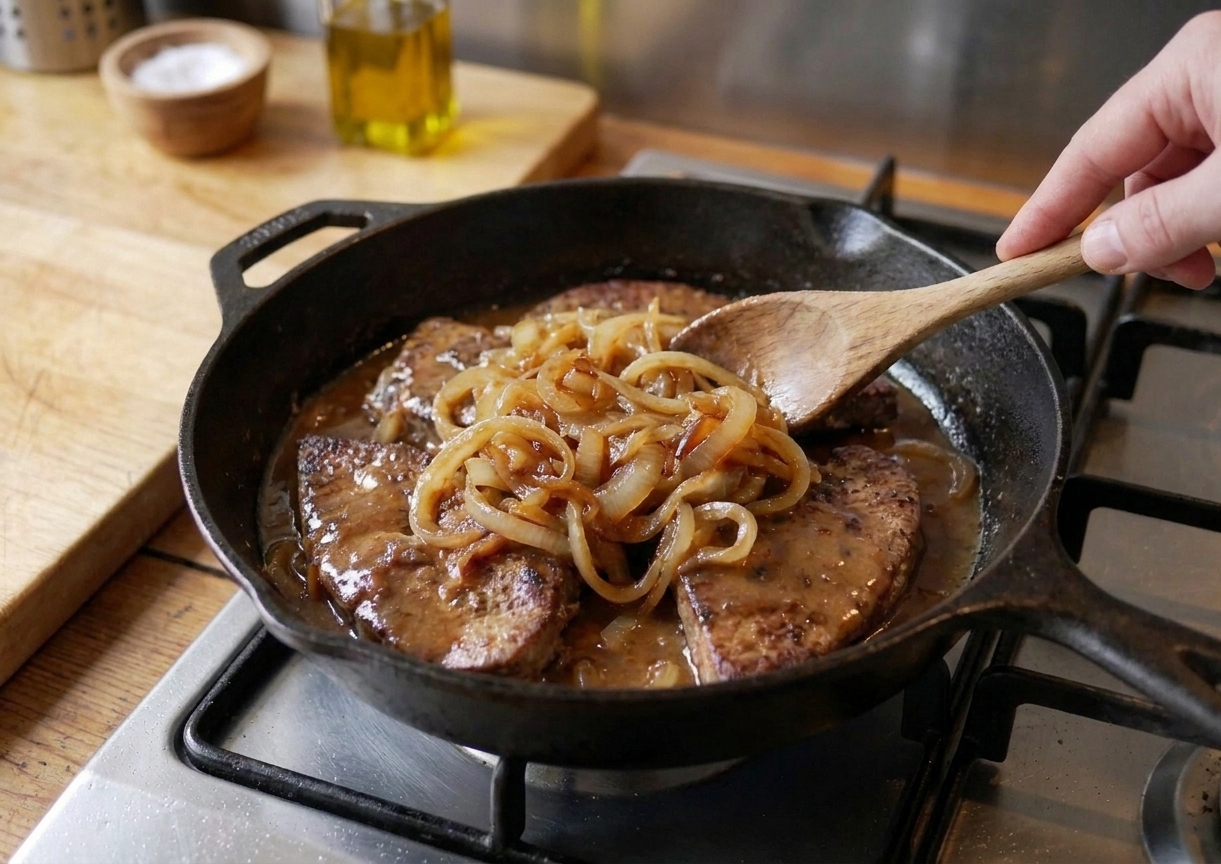
A cast iron skillet filled with seared liver slices topped with caramelized onions and glossy brown gravy on a home kitchen stove

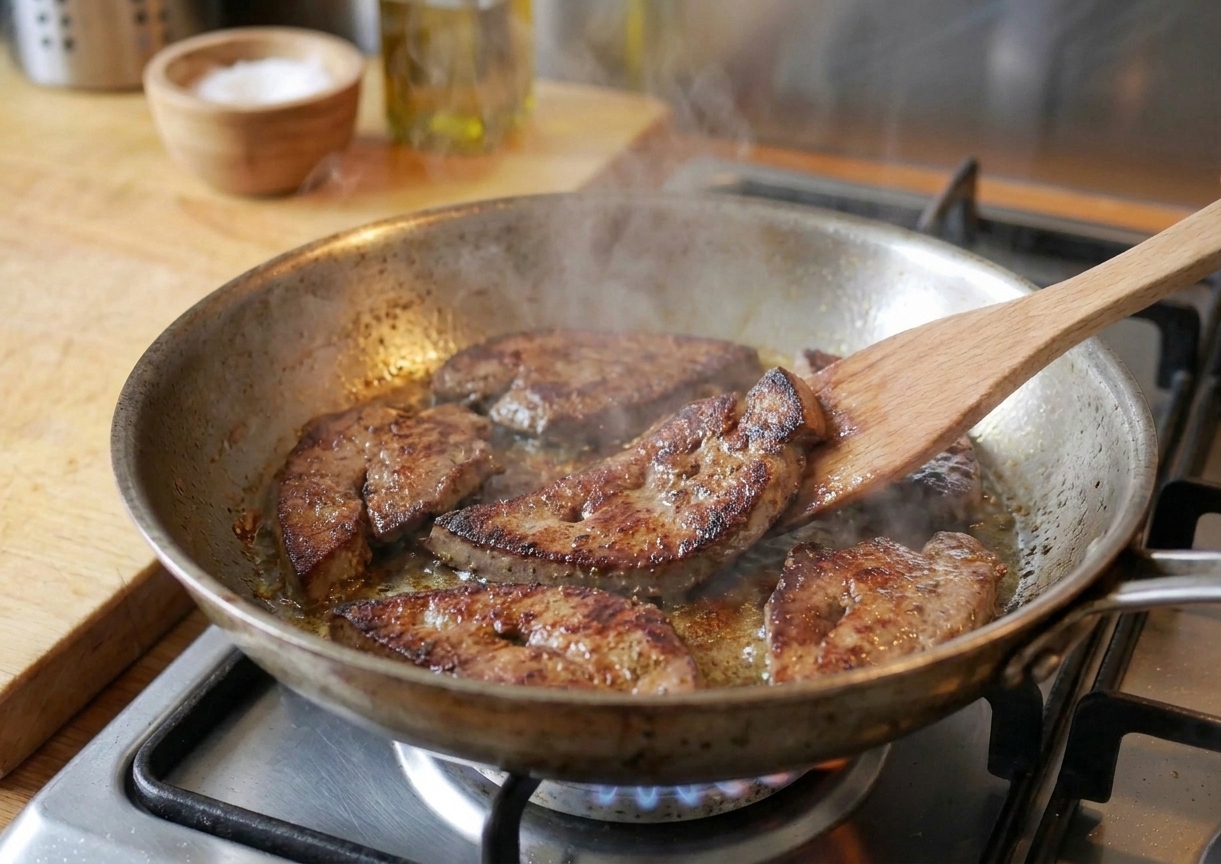
Liver and onions is one of those old-school dinners that can be so good, but only if you treat it like a delicate little drama queen. Overcook it and it turns tough and livery in the not-fun way. Cook it fast, season it confidently, and give it sweet onions plus a quick pan gravy and suddenly you get what the hype was about.

This is my home-cook version: accessible ingredients, clear steps, and a few small tricks that make the whole thing taste cozy, savory, and surprisingly mellow. Taste as you go. You are in charge here.

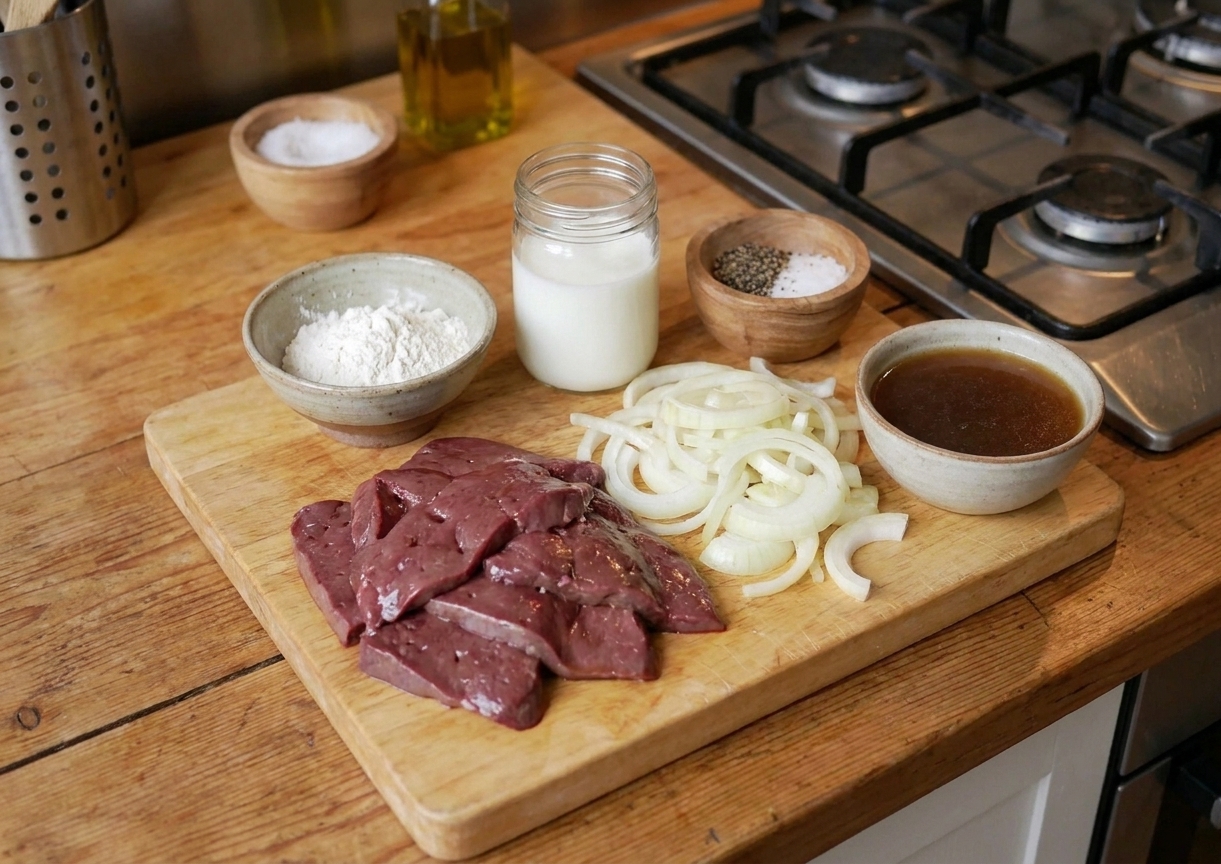
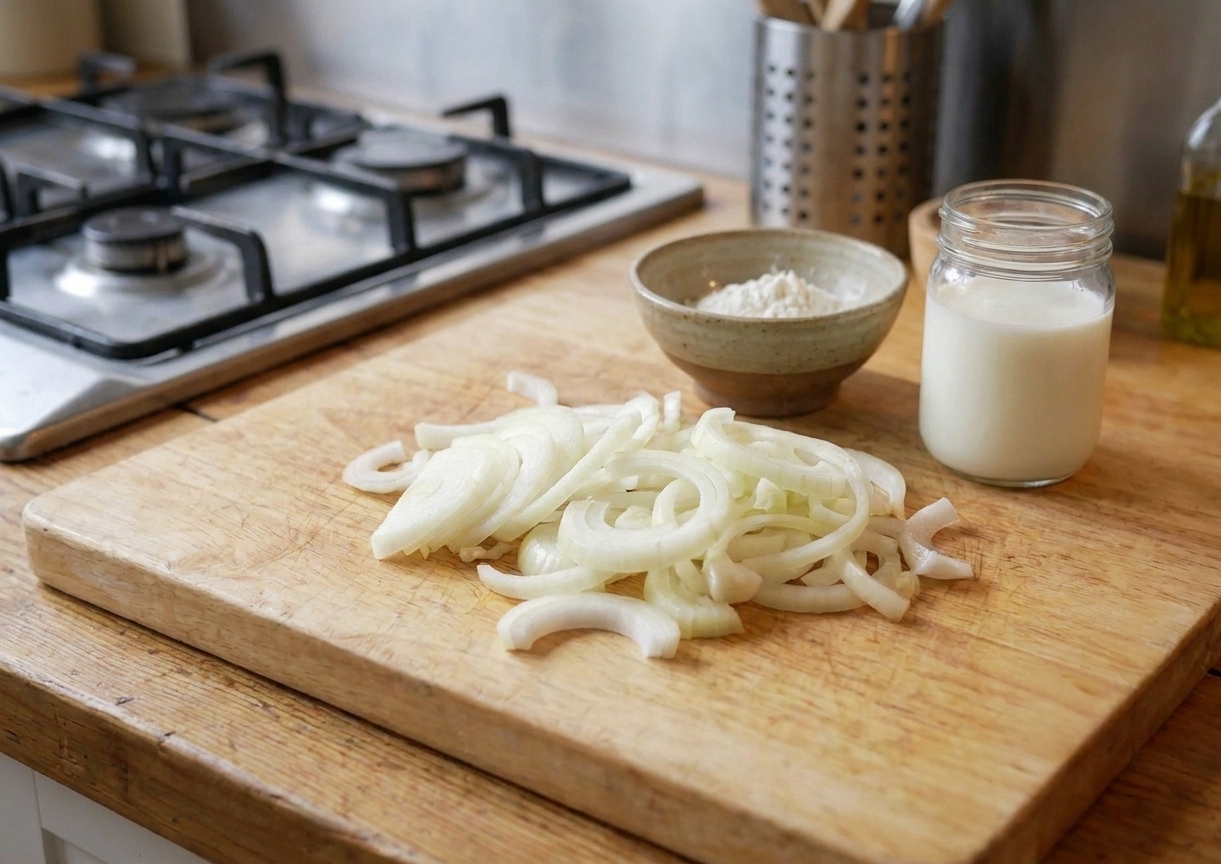
A cutting board with raw sliced beef liver, yellow onions, flour, milk, salt, pepper, and a small bowl of broth on a kitchen counter

Why It Works

  • Tender liver: A quick soak and a fast sear can help keep the texture soft, not chalky.
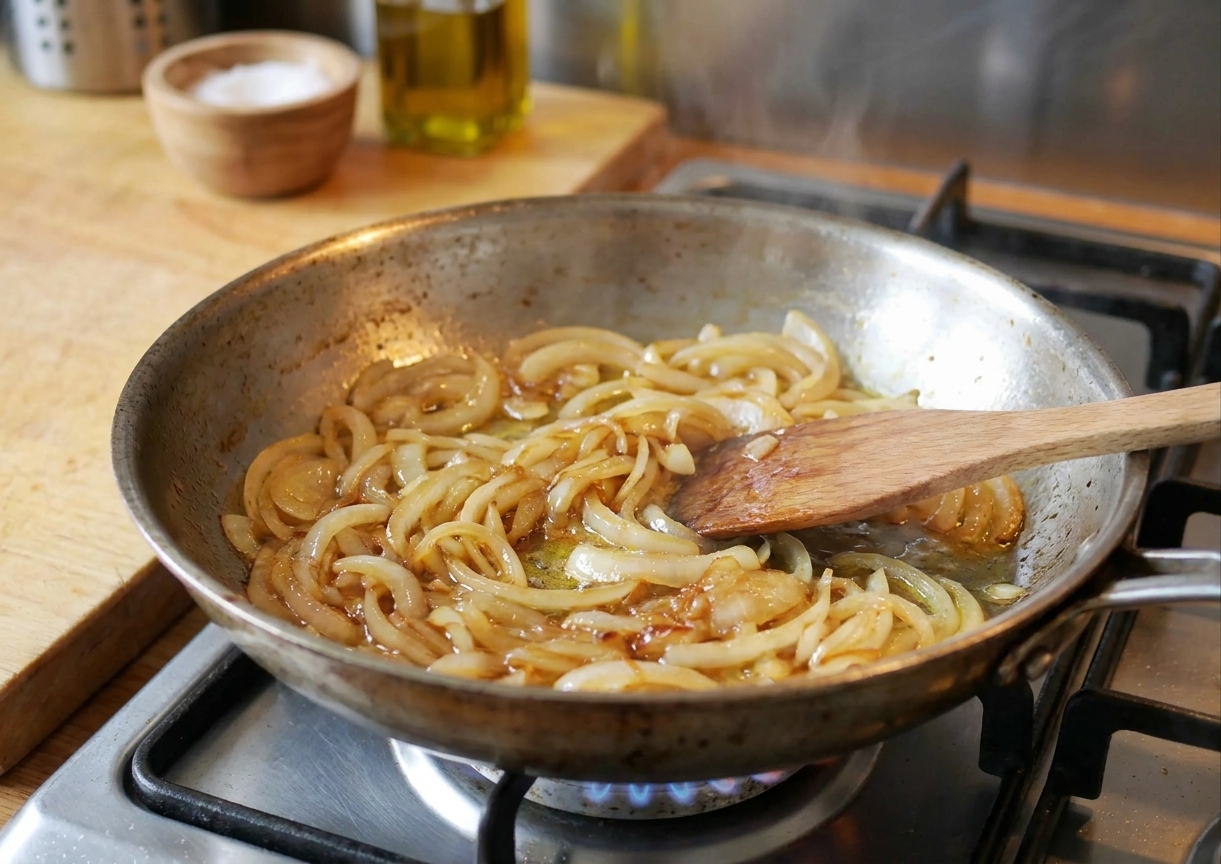
  • Sweet onions: Deep golden onions bring balance and make the whole skillet taste rich and comforting.
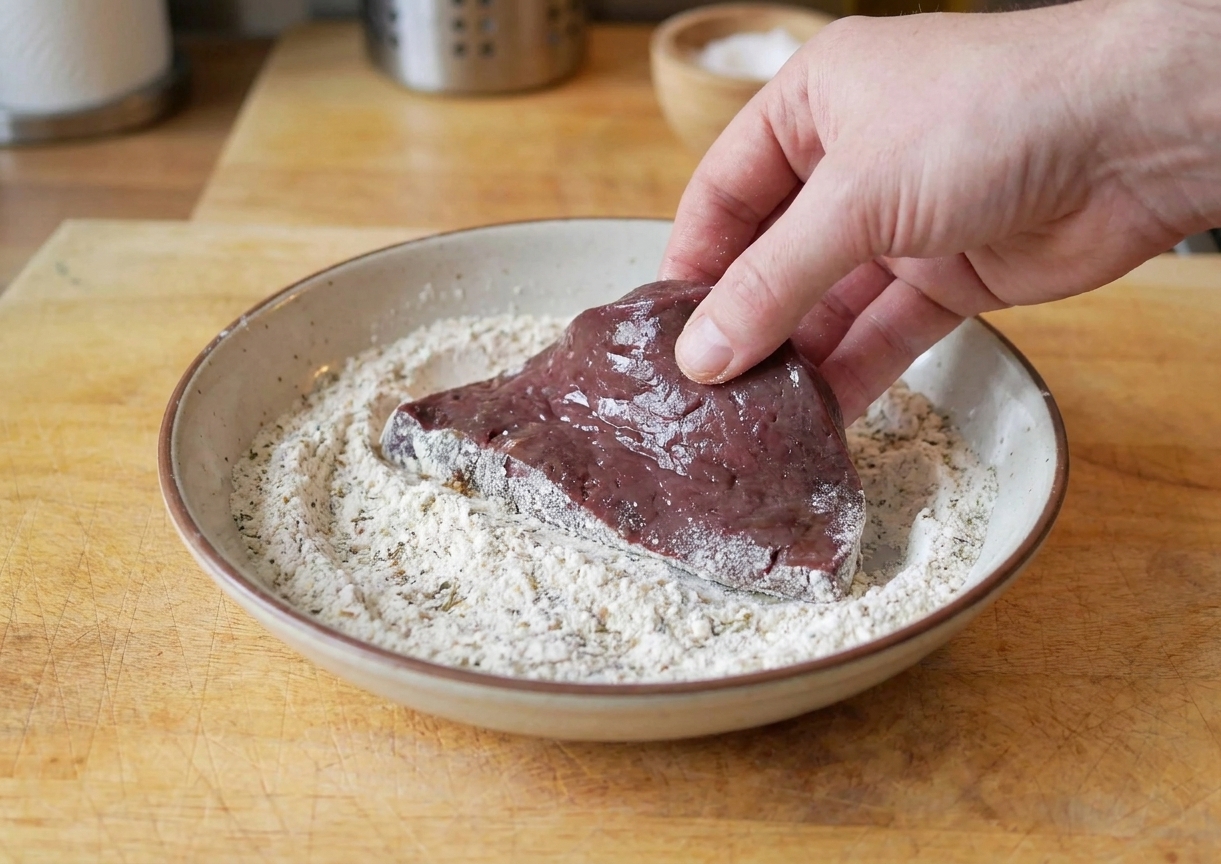
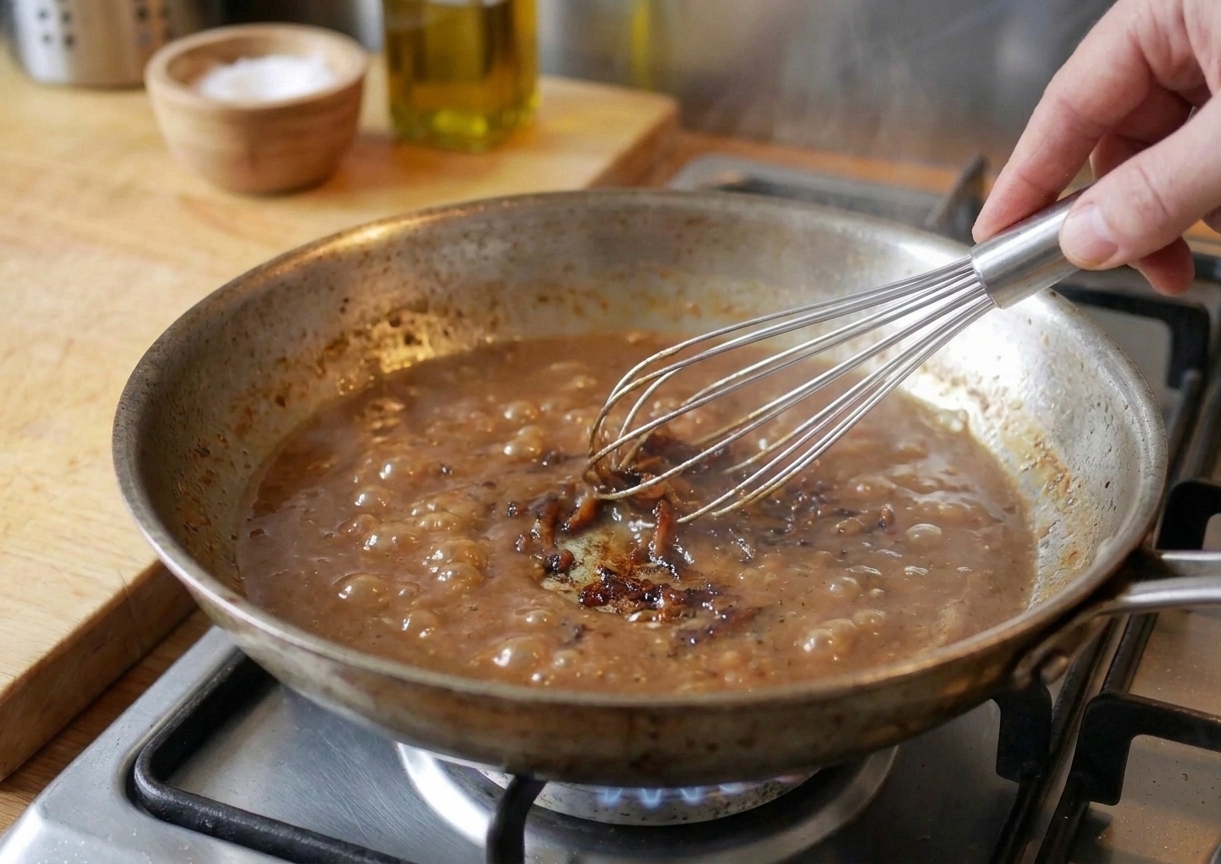
  • Easy gravy: Flour plus broth in the same pan captures all the browned bits for a glossy, spoonable finish.
  • Flexible: Works with beef liver or calf’s liver, and you can keep it classic or add a little bacon, mushrooms, or herbs.

Pairs Well With

Storage Tips

Liver is best right after cooking, but leftovers can still be solid if you reheat gently.

Refrigerate

Store liver, onions, and gravy together in an airtight container for up to 2 days.

Reheat

  • Stovetop (best): Warm in a skillet over low heat with a splash of broth or water, just until heated through.
  • Microwave: Use 50% power in short bursts, stirring the gravy in between. Stop as soon as it is warm to avoid toughness.

Freezing

I do not recommend freezing cooked liver. The texture tends to go grainy once thawed.

Common Questions

How do I keep liver from tasting bitter or too strong?

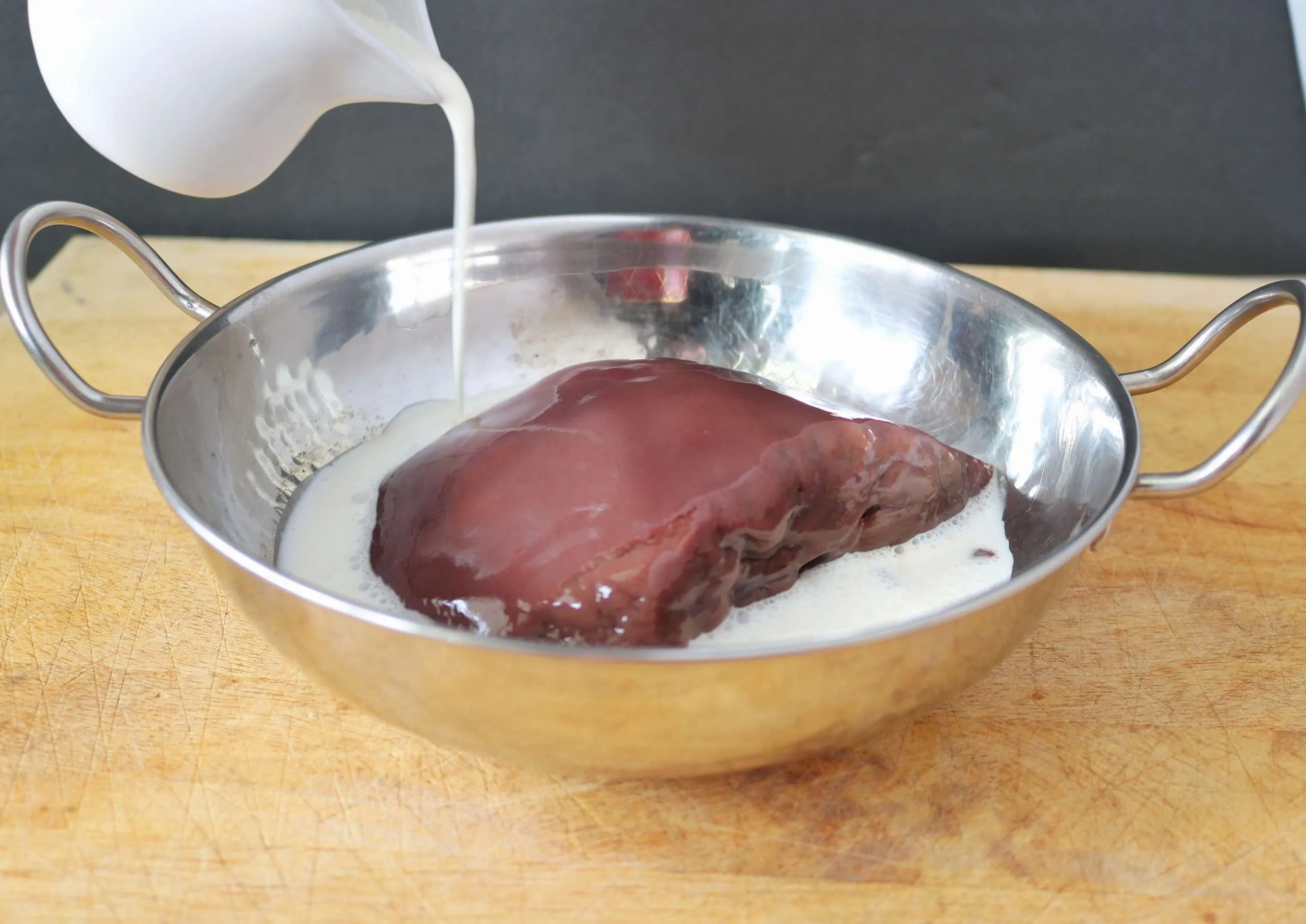
Two big helpers: soak it (milk or buttermilk is classic and can help mellow the flavor) and do not overcook it. Also, peel off any tough membrane you see and season it well with salt and pepper.

Do I have to soak liver in milk?

No, but it can help take the edge off and make the texture feel more tender. If you skip it, just pat the liver very dry and keep the cook time short.

Should I rinse liver before cooking?

I skip rinsing. Many food-safety sources recommend avoiding rinsing raw meat because it can spread bacteria around the sink area. If you want to remove any clots or loose bits, blot with paper towels, then pat dry well.

How do I know when liver is done?

You want it browned on the outside and just barely cooked through. Depending on thickness, that is often about 1 to 2 minutes per side, then a quick warm-through in the gravy. If you like a benchmark, you can use an instant-read thermometer and cook to 160°F. Texture-wise, a faint blush in the center is how many people prefer it, while gray and firm usually means overdone.

Beef liver vs. calf’s liver, which is better?

Calf’s liver is typically milder and more tender. Beef liver is more assertive and budget-friendly. This recipe works for both. If using beef liver, the soak step is extra helpful.

Can I make it gluten-free?

Yes. Swap the all-purpose flour for a gluten-free 1:1 blend or use cornstarch for thickening (see Variations).

I did not grow up begging for liver night, but I did grow up around the idea that you should learn to cook the classics before you try to reinvent them. The first time I made liver and onions on my own, I treated the liver like a pork chop and cooked it way too long. It tasted like regret.

Now I cook it like it is meant to be cooked: quick, hot, and confident, with onions doing the sweet talking and a simple gravy pulling everything together. It is the kind of dinner that makes you feel like you know your way around a skillet.