Mom's Best Recipes
Recipe

What Is Low-Calorie?

A simple definition, realistic tips for everyday meals, and a cozy low-calorie soup you will actually want to eat.

Author By Matt Campbell
4.8
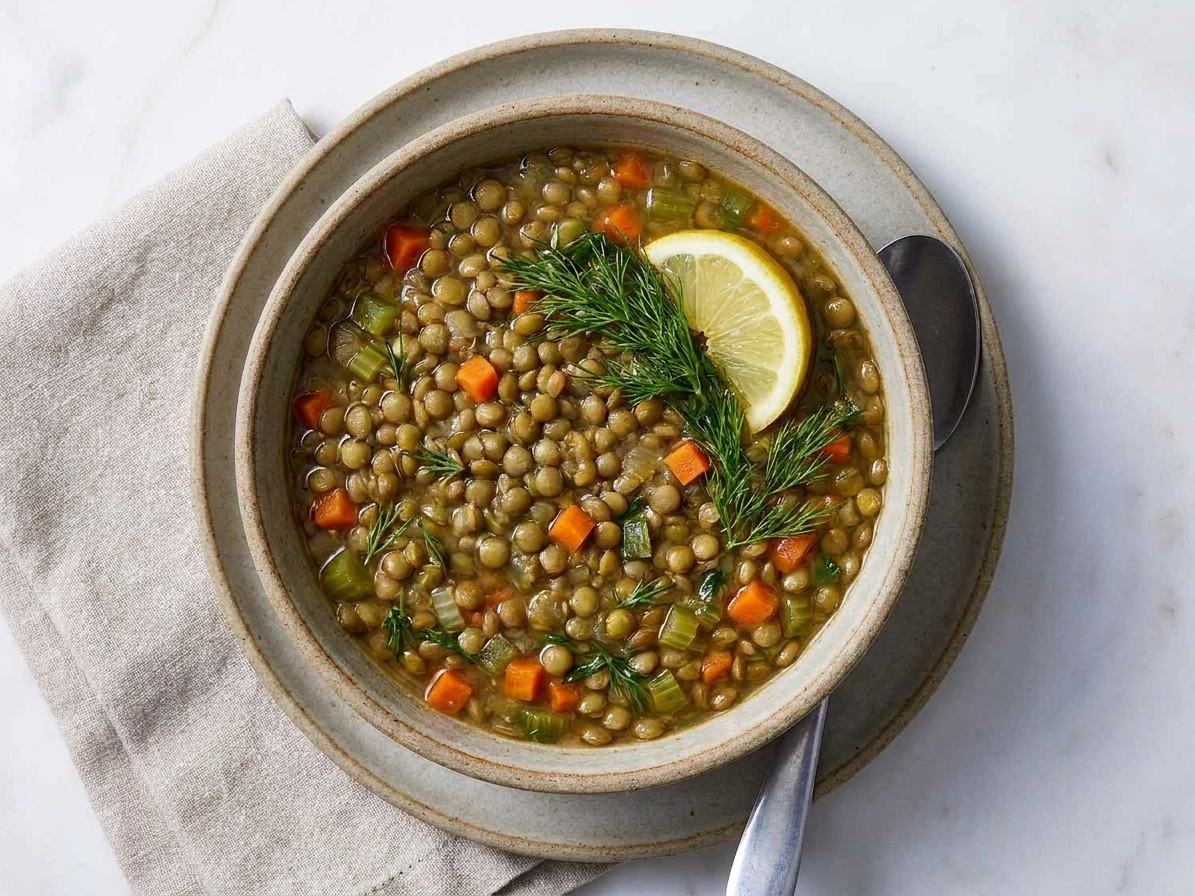
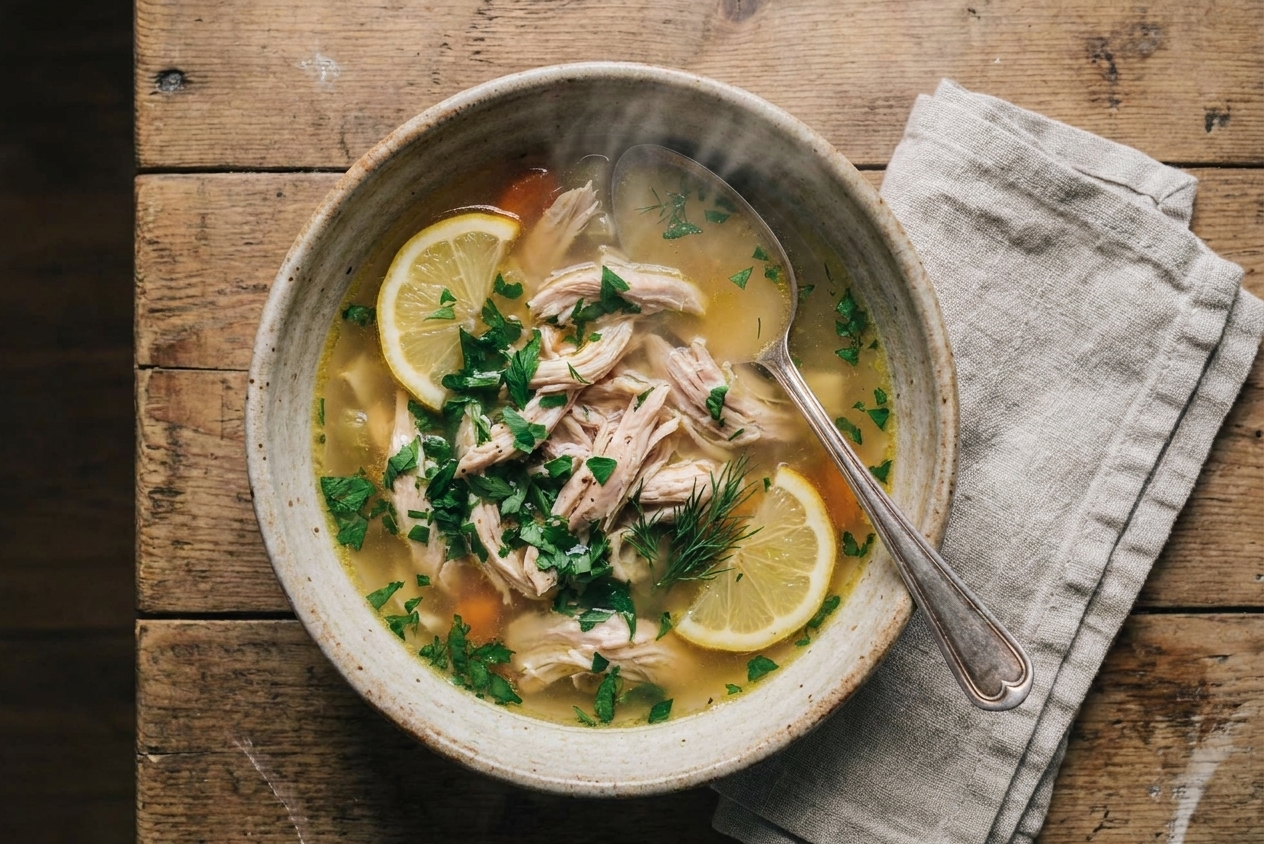
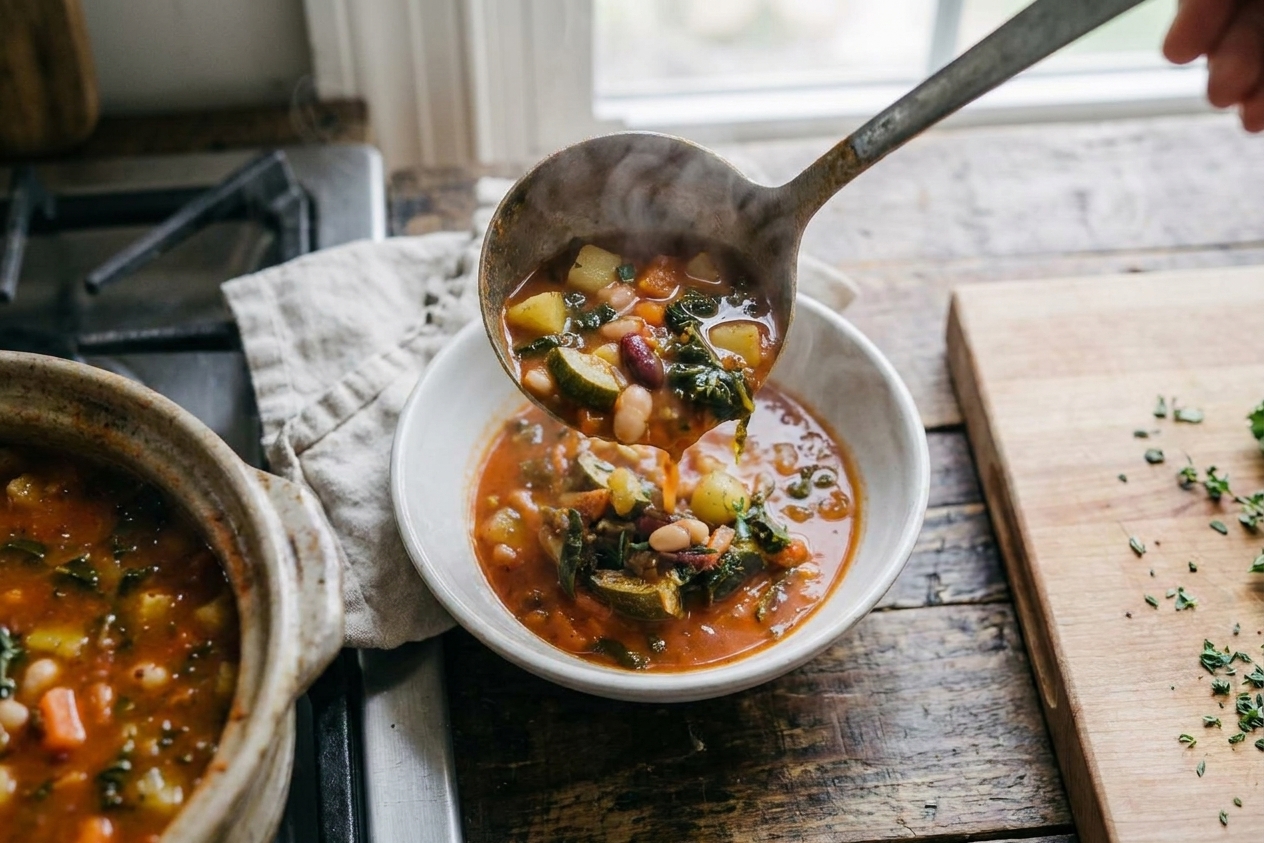
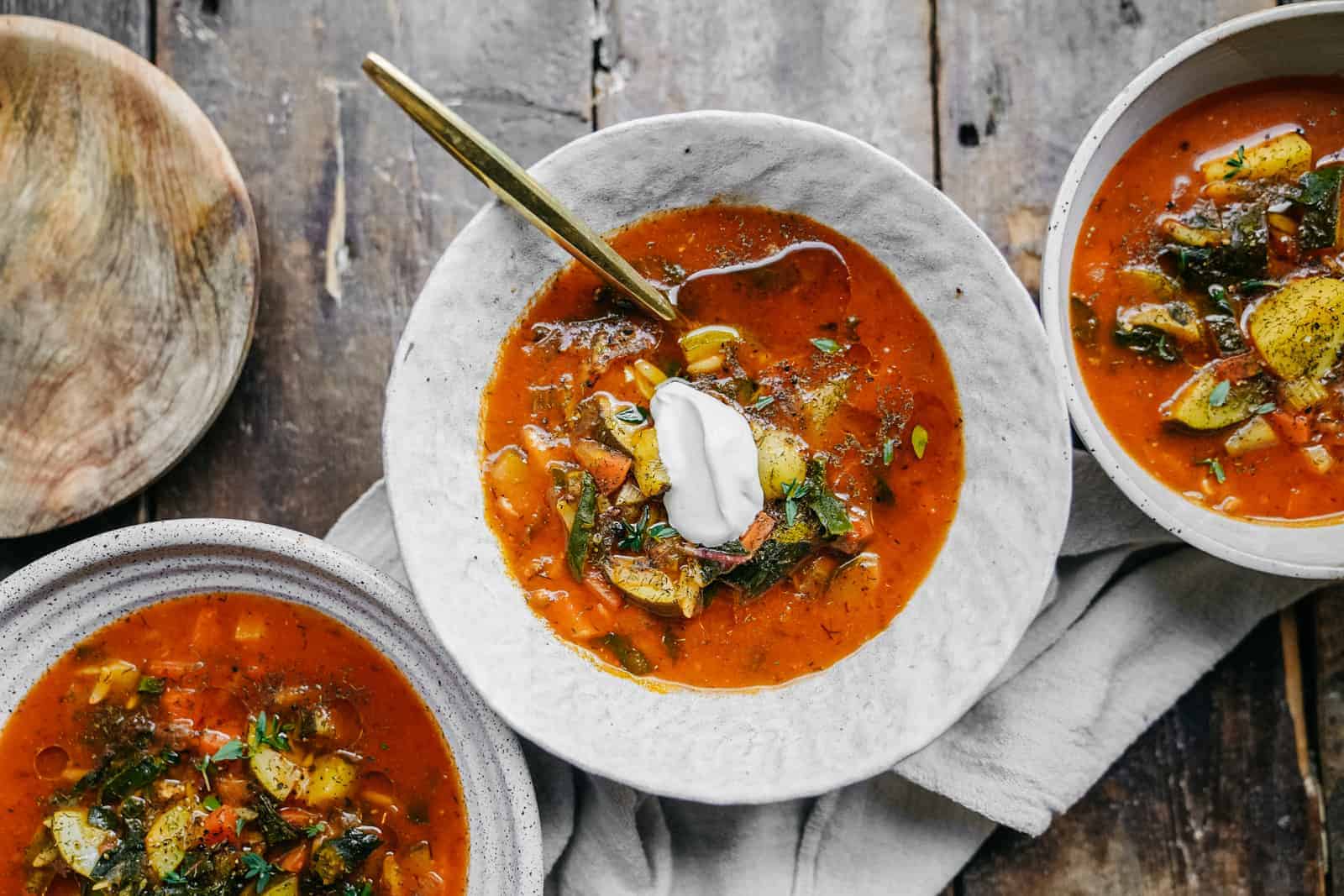
A steaming bowl of vegetable soup topped with fresh parsley on a stoneware table with a spoon and a linen napkin, warm kitchen lighting

“Low-calorie” can mean a lot of things, depending on who is saying it. A food label might use it one way, a diet app might use it another, and your aunt might use it to describe anything that is not pasta.

Here is the simplest, most useful definition: low-calorie foods and meals give you fewer calories for a satisfying amount of food. Usually that means more volume (think veggies, broth-based soups, lean proteins) and less of the sneaky calorie stuff that adds up fast (oils, butter, cheese, sugar, creamy sauces).

And no, it does not have to taste like punishment. The goal is high flavor, reasonable portions, and smart swaps that keep dinner feeling like dinner.
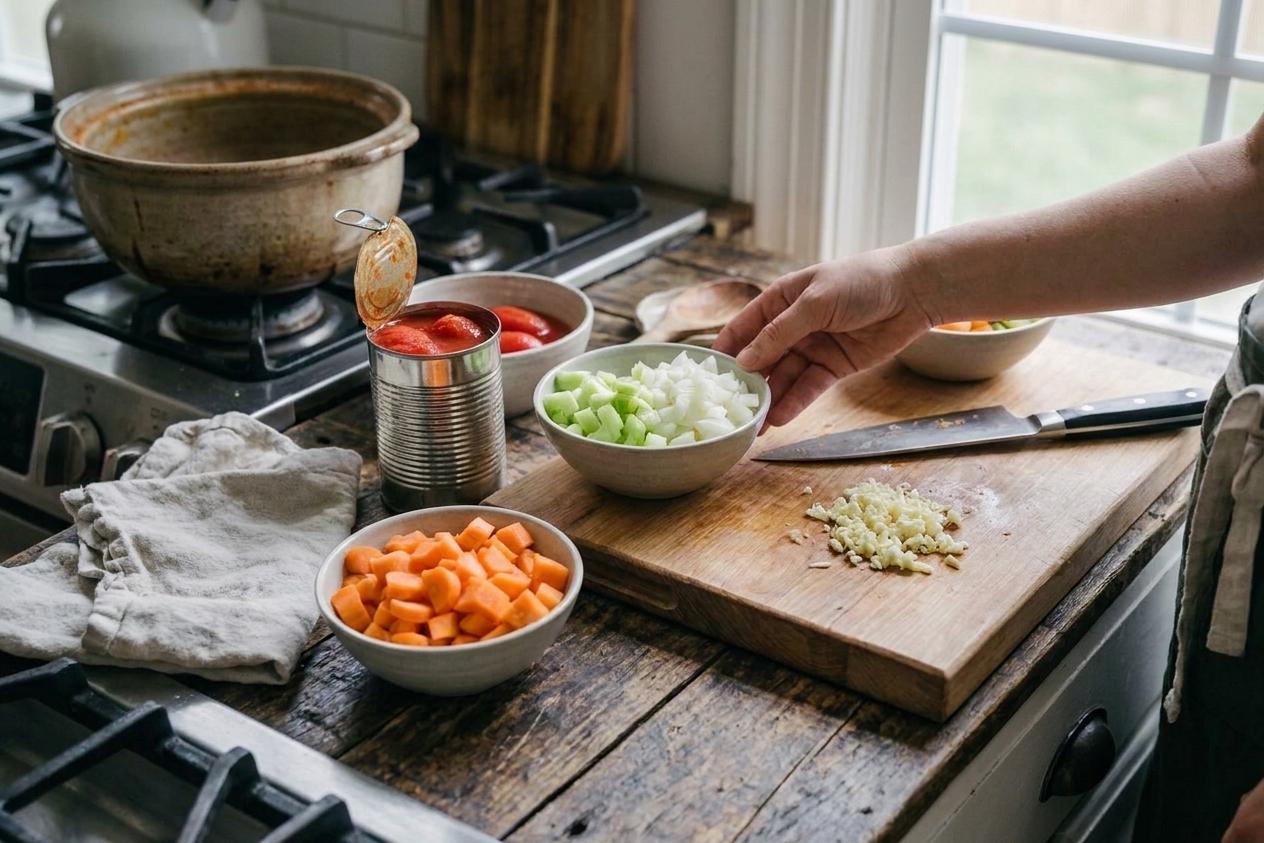
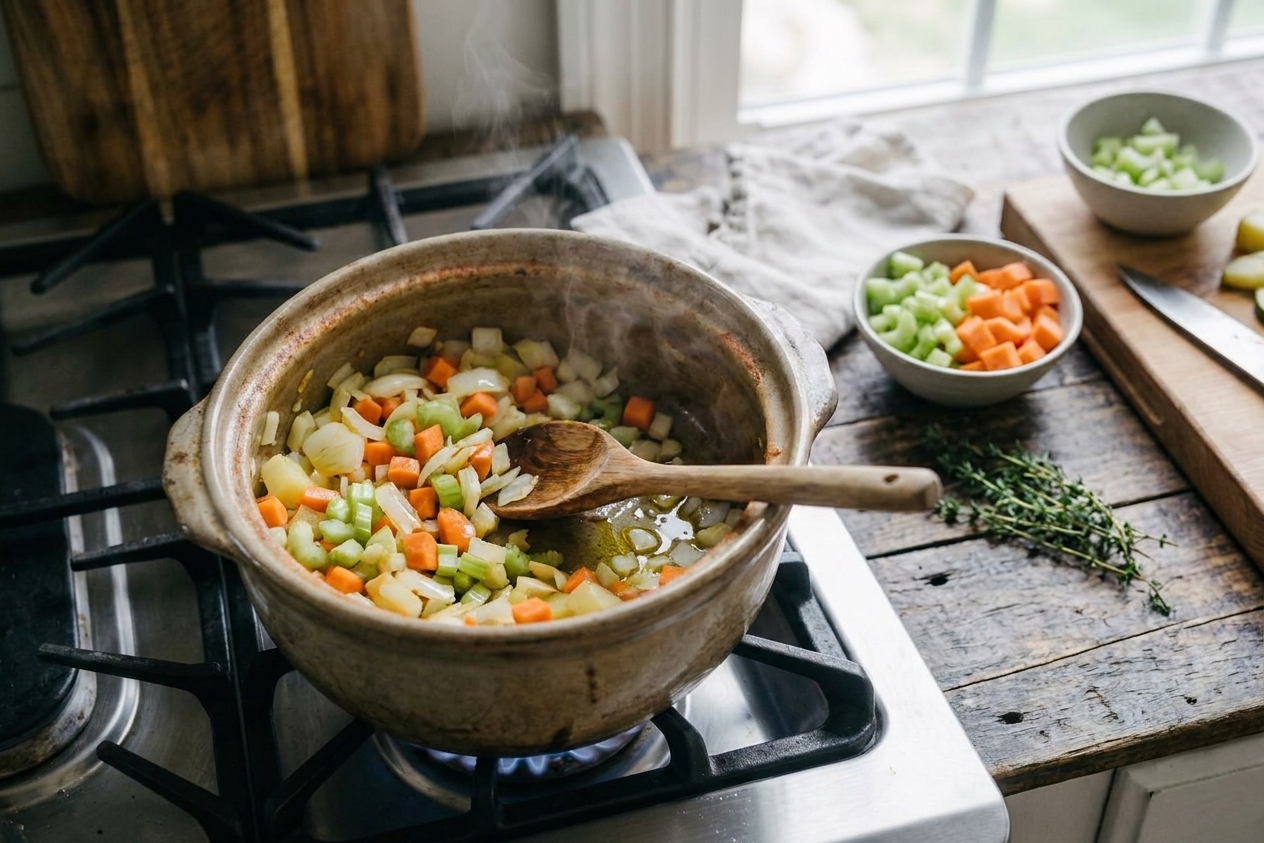
A kitchen counter with chopped carrots, celery, onion, garlic, and canned tomatoes laid out for cooking, natural window light

What Low-Calorie Means

Calories are just a unit of energy. Your body uses them for everything. Breathing, moving, thinking, and yes, existing. When people say “low-calorie,” they usually mean one of two things:

  • A low-calorie food: Something that is relatively low in calories per serving. Many fruits and vegetables fit here.
  • A low-calorie meal: A meal that is lower in calories than your usual, while still being filling. A common range people use is about 300 to 500 calories, but it varies a lot based on age, size, activity, and goals.

On packaging in the US, there is also a specific labeling rule that comes up a lot: the FDA nutrient content claim for “low calorie” is generally 40 calories or less per reference amount customarily consumed (often shortened to “per serving” on labels). Helpful for comparing products, less helpful when you are building dinner from scratch.

Keep It Filling

If a low-calorie meal leaves you prowling the pantry at 9 pm, it is not doing its job. The trick is building meals that feel substantial without leaning on calorie-dense extras.

3 building blocks

  • Protein: Chicken breast, turkey, tuna, eggs, Greek yogurt, tofu, beans, lentils. Protein adds staying power.
  • Fiber and volume: Vegetables, fruit, beans, whole grains in smart portions. Fiber helps you feel full.
  • Big flavor, not big calories: Citrus, vinegar, herbs, spices, salsa, mustard, hot sauce, broth, tomato, garlic, ginger.

My favorite low-calorie cheat code is a bright finishing hit like lemon juice or a splash of vinegar. It wakes everything up the way extra cheese tries to, just with way fewer calories.
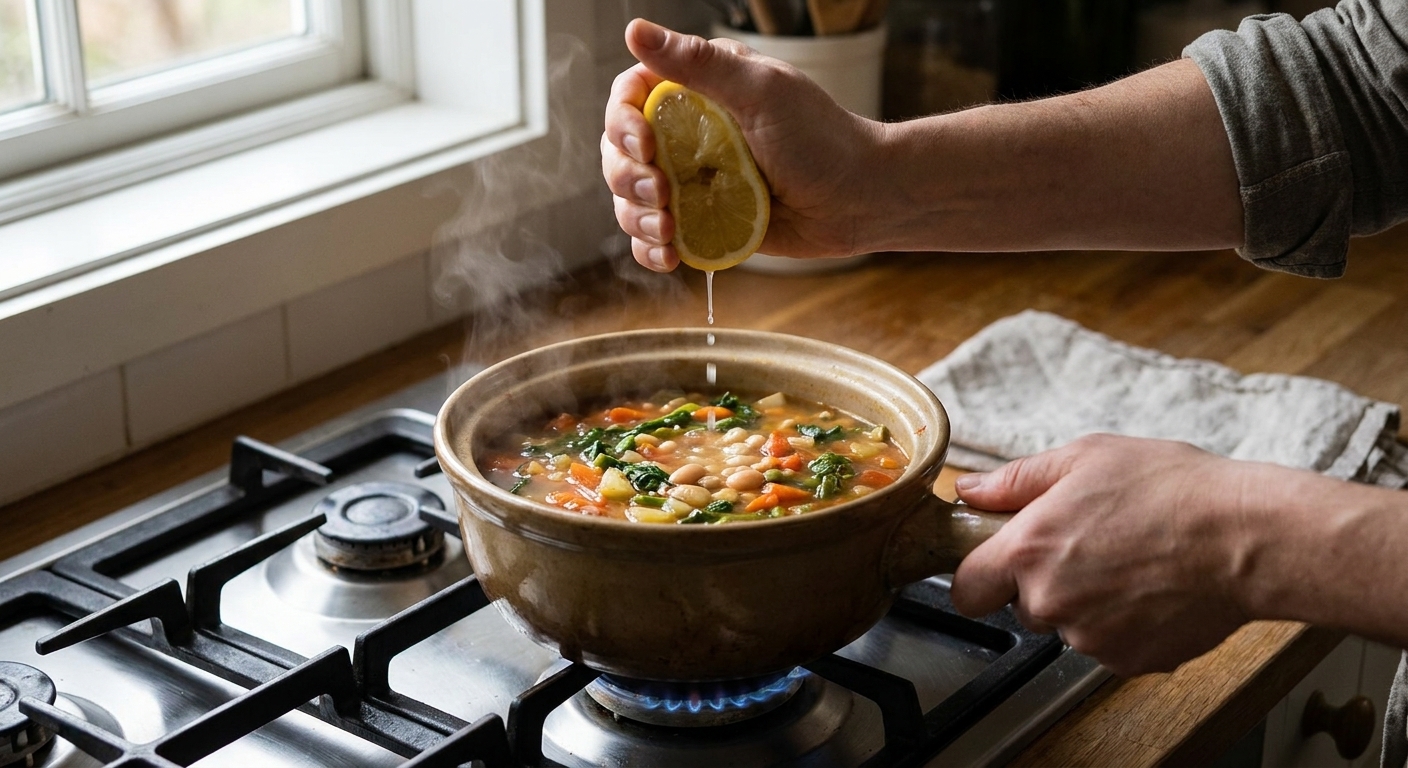
Hands squeezing fresh lemon juice into a pot of simmering vegetable soup on a stovetop

Easy Calorie Cuts

You do not need to fear ingredients. You just need to know which ones can quietly double your calories.

  • Oil and butter: Measure it. One tablespoon of oil goes fast. Use a nonstick pan when you can, and build flavor with sautéed aromatics plus broth.
  • Creamy sauces: Try blended veggies, Greek yogurt, or pureed beans for creaminess.
  • Cheese: Use it like a garnish, not a blanket. Strong cheeses (Parmesan, feta) give more flavor per bite.
  • Portion creep: Calorie-dense foods like nuts, peanut butter, granola, and pasta are not “bad.” They are just easy to overdo without noticing.

Quick soup note: Sodium can sneak up in brothy meals. Starting with low-sodium broth helps, and you can also choose no-salt-added tomatoes, then salt at the end so you stay in control.

Cozy Example

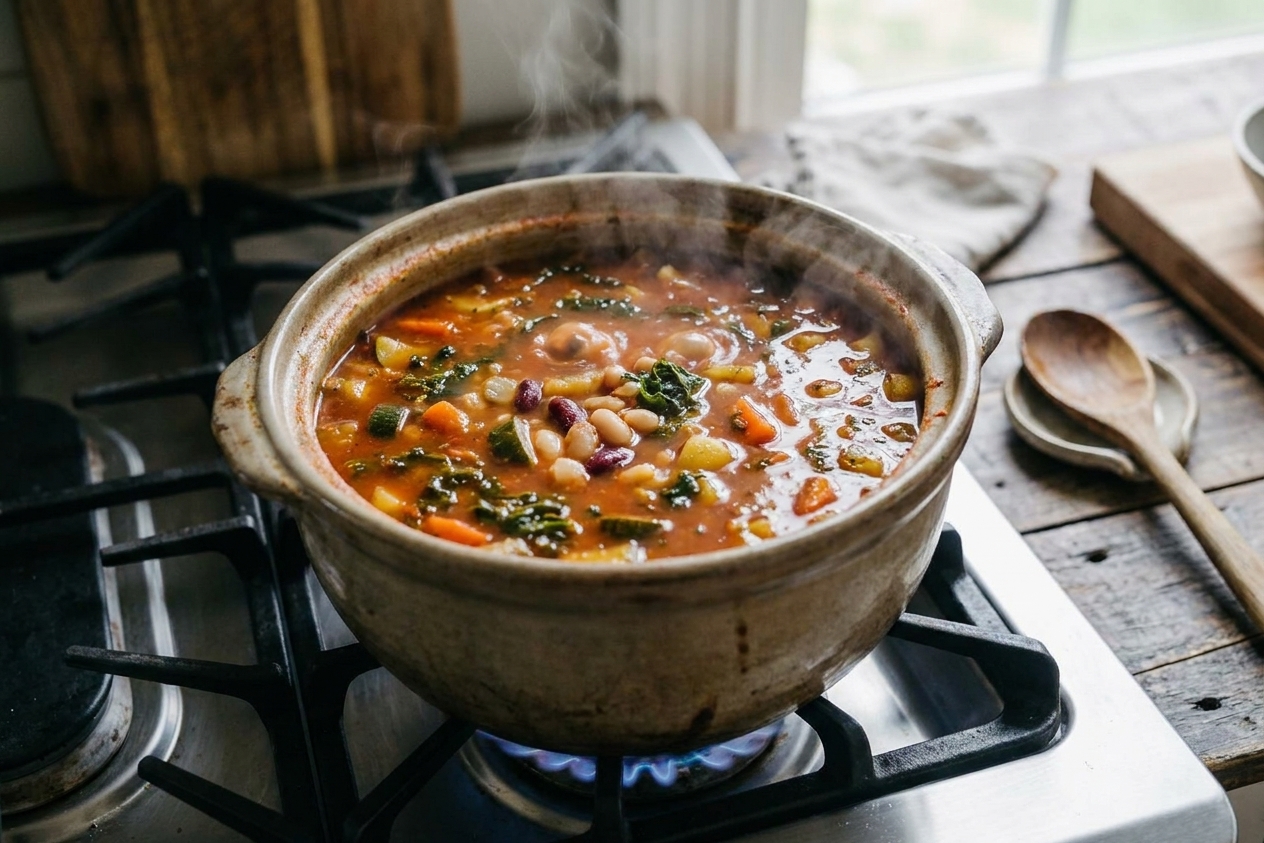
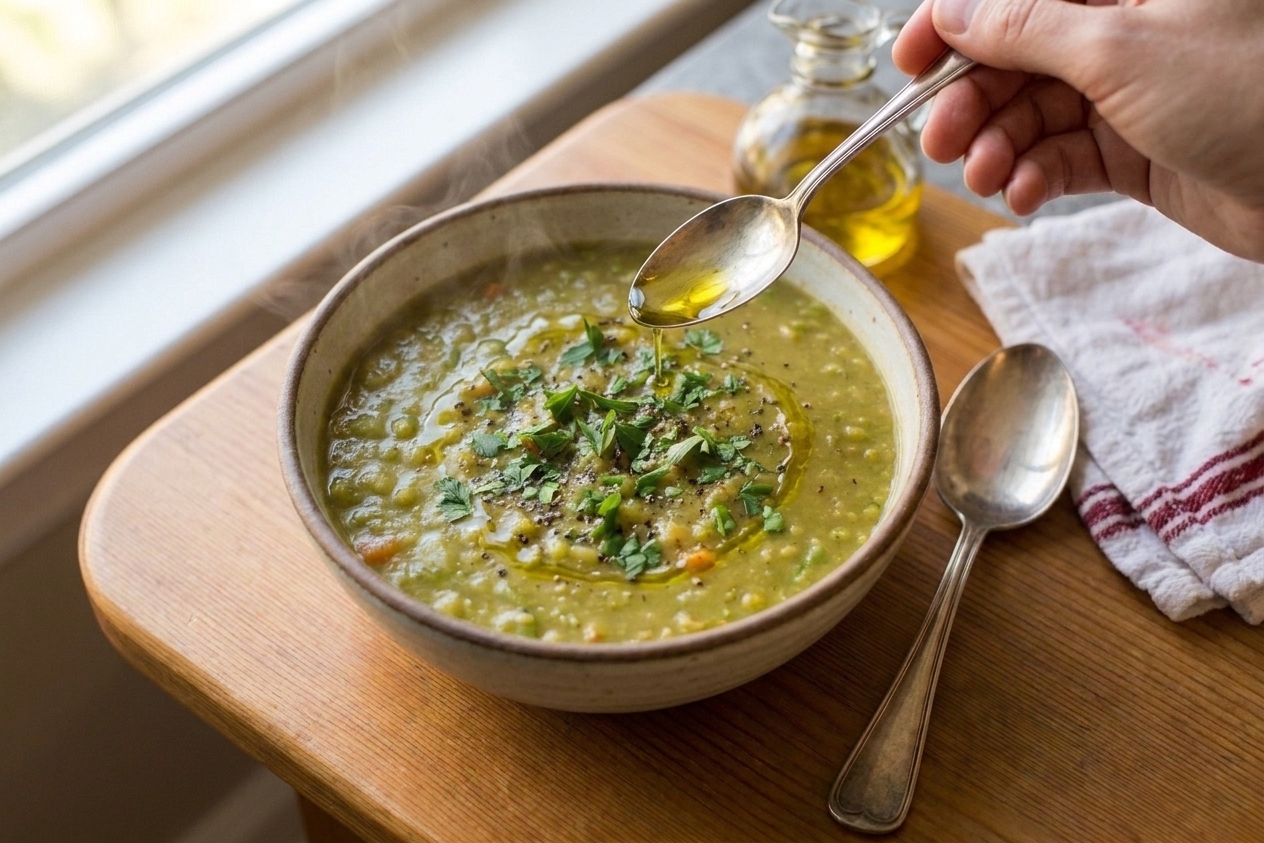
If you want a low-calorie meal that actually feels comforting, broth-based soup is the move. It is warm, filling, and forgiving. This one is loaded with vegetables, uses a measured amount of olive oil for flavor, and finishes with lemon for that “wait, why is this so good?” moment.

Here is the full recipe.
Why It Works

  • Big bowl energy, lighter calorie load: Brothy, veggie-packed, and actually filling.
  • Flavor comes from technique: Sautéed aromatics, tomato paste, and herbs build depth without heavy cream.
  • Bright finish: Lemon juice at the end makes everything taste more lively and seasoned.
  • Meal prep friendly: Keeps well, reheats well, and tastes even better the next day.

Pairs Well With

Storage Tips

Refrigerator: Cool the soup completely, then store in airtight containers for up to 4 days.

Freezer: Freeze in individual portions for up to 3 months. Leave a little headspace in the container since soup expands.

Reheating: Warm on the stovetop over medium heat until hot. If it thickens in the fridge, add a splash of broth or water and re-season with salt and lemon.

Heads up on greens: Spinach can get softer after freezing. If that texture bugs you, freeze the soup without spinach and stir in fresh spinach while reheating.

Food safety tip: If you are packing for lunch, keep it cold with an ice pack or reheat until steaming hot before eating.

Common Questions

How many calories is “low-calorie” for a meal?

There is no single official number for homemade meals. Many people use roughly 300 to 500 calories as a “low-calorie meal” range, but your needs can be higher or lower depending on your day, your body, and whether this is lunch, dinner, or a snack. What matters most is whether it fits your overall intake and keeps you satisfied.

Does low-calorie mean low-carb?

Nope. A meal can be low-calorie and still include carbs. The difference is usually portion and calorie density. A cup of soup with beans and veggies can be low-calorie and still have carbs, plus fiber.

Are low-calorie foods always healthier?

Not automatically. Some low-calorie foods are nutrient-dense (vegetables, fruit, lean proteins). Others are low-calorie because they are mostly air or sweeteners. A good rule: aim for protein + fiber + micronutrients most of the time.

Why do I feel hungry after a low-calorie meal?

Usually one of these: not enough protein, not enough fiber, not enough volume (food physically in your stomach), or it was low in fat and you did not replace that satisfaction with flavor. Try adding lean protein, beans, extra vegetables, or a measured amount of healthy fat.

What is the easiest way to cut calories without ruining the recipe?

Measure oils, use stronger seasonings, swap some creamy elements for Greek yogurt or blended veggies, and increase vegetables. Also, finish with lemon, vinegar, or fresh herbs to make “lighter” taste like a choice, not a compromise.

I started making versions of this soup when I realized most of my light dinners failed for one simple reason: they were boring. I would cut the calories, then forget to replace the fun. Now I treat low-calorie cooking like a little kitchen game. How do we get maximum flavor for minimum drama?

This pot is my answer on weeks when I want something cozy but not heavy. Tomato paste gets toasted, garlic does its thing, and lemon at the end makes the whole pot taste like you actually tried. Even if you are not counting anything, it is just a really good bowl of soup.