
Mom's Best Recipes
Recipe

Low-Salt Lemon Garlic Chicken and Rice

A bright, cozy one-pan dinner with crisp-edged chicken, fluffy rice, and a lemony garlic sauce that brings the flavor without relying on salt.

Author By Matt Campbell
4.8
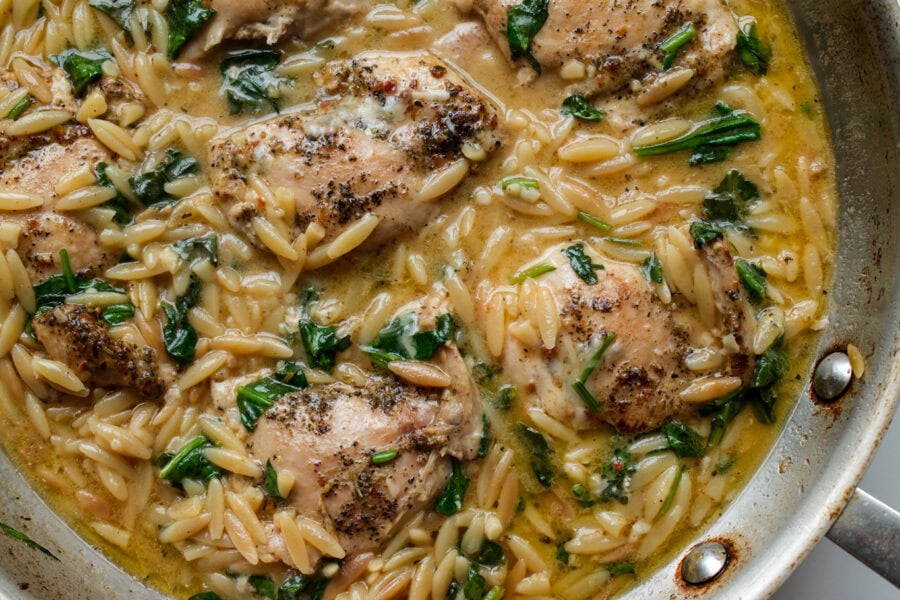
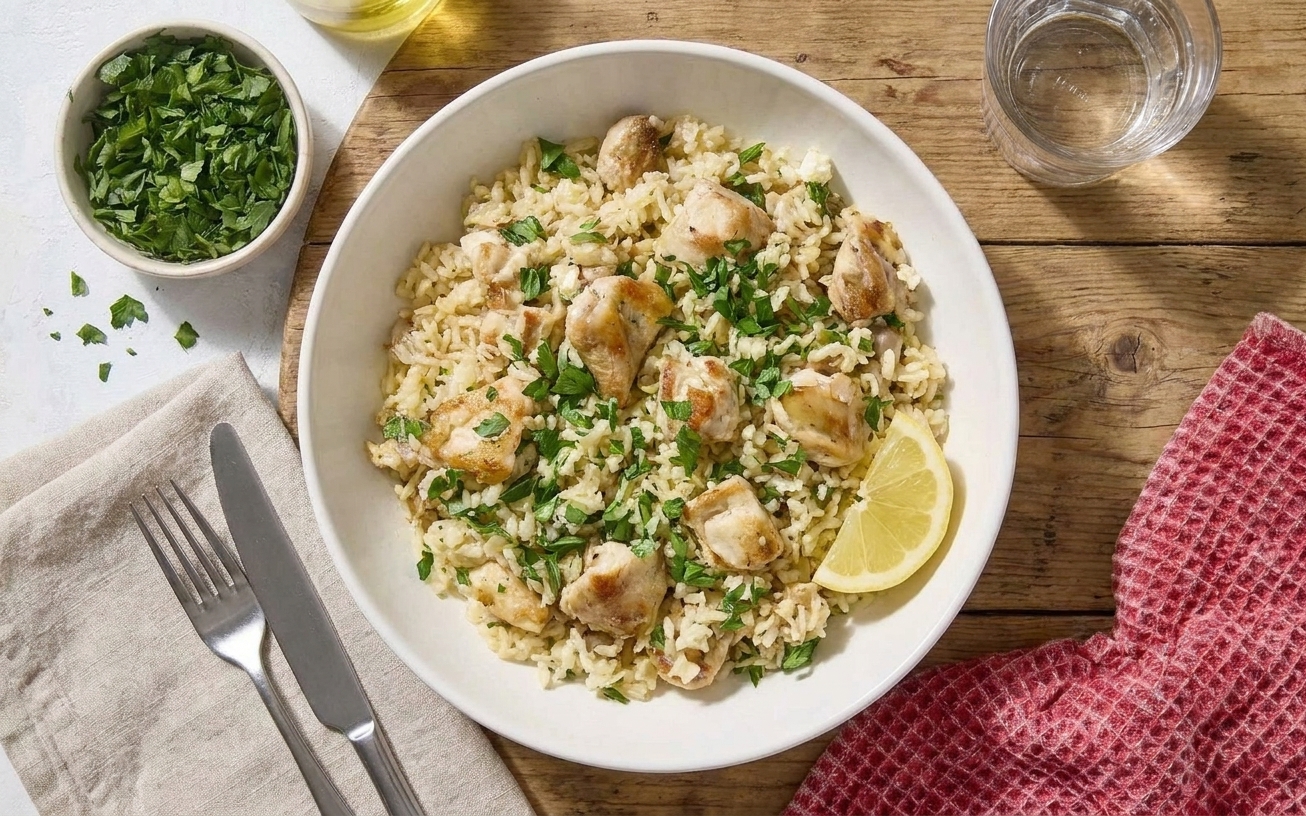
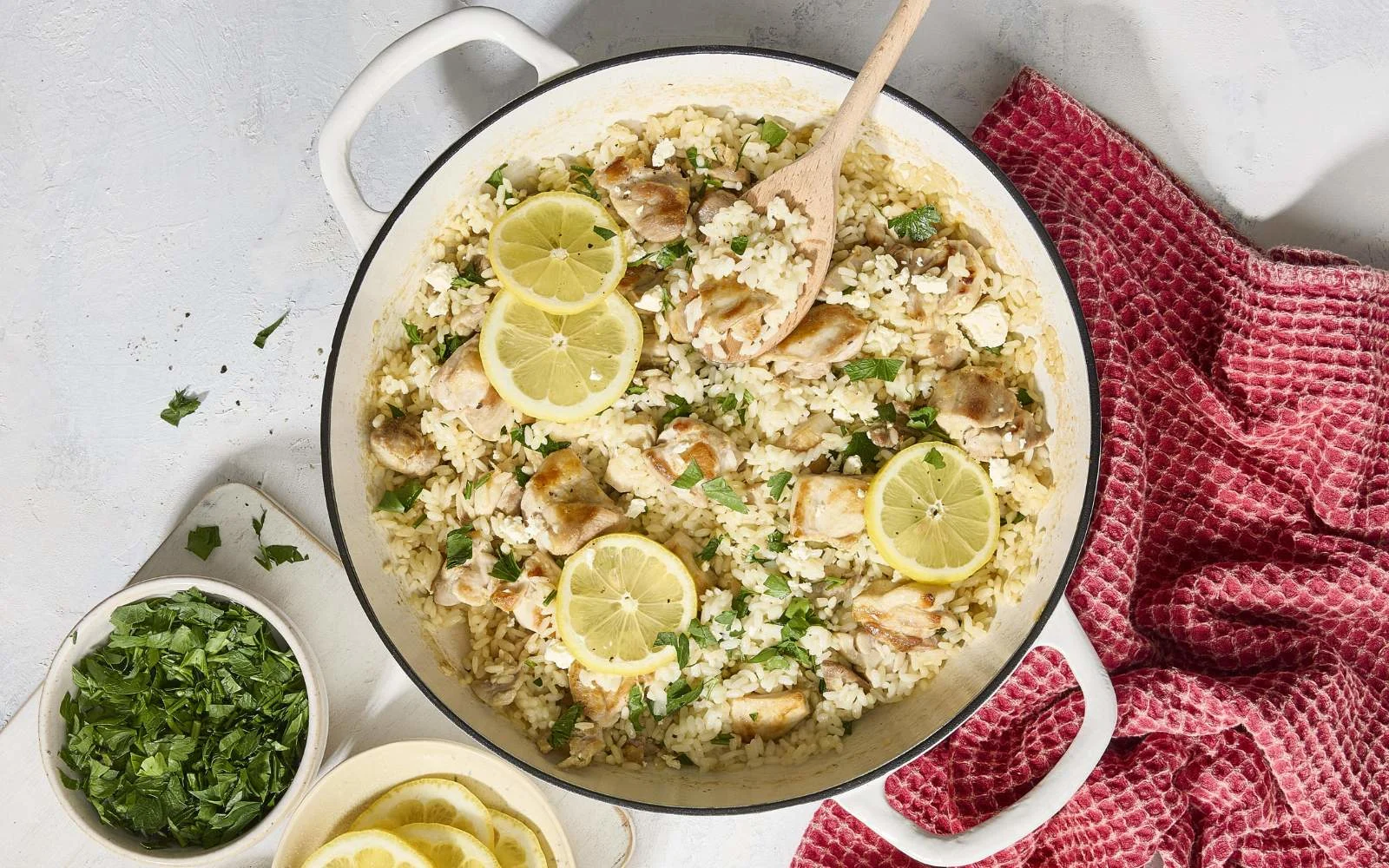
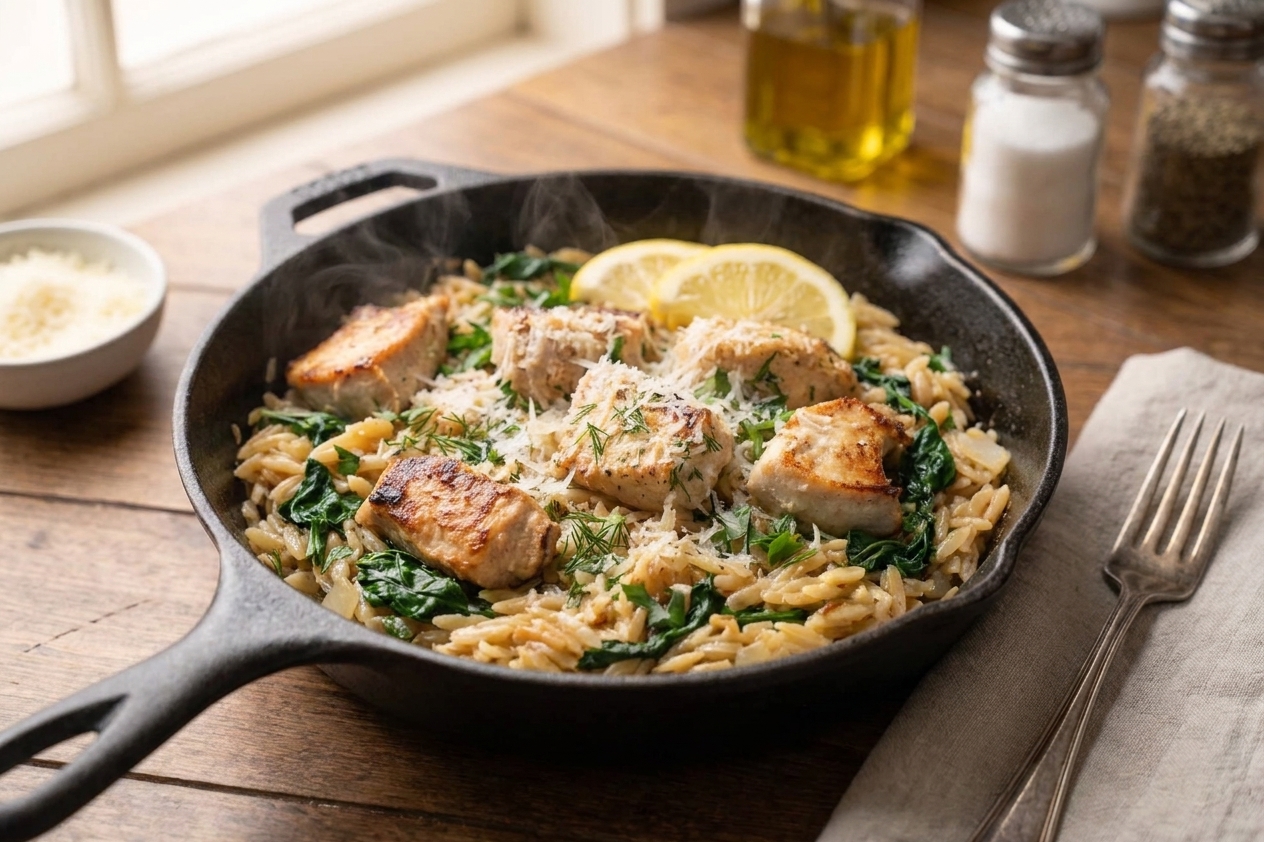
A cast iron skillet filled with lemon garlic chicken thighs nestled into fluffy rice with parsley and lemon slices on top, warm kitchen lighting

If you have ever tried to cook low-salt and ended up with food that tastes like it needs a pep talk, this one is for you. This chicken and rice is the kind of dinner that hits the comfort button but still tastes bright and awake, thanks to lemon, garlic, paprika, and a quick little pan sauce built from browned bits.

No salt shaker heroics required. We lean on smart flavor builders instead: citrus zest and juice, plenty of aromatics, and that golden sear on the chicken that makes everything taste like you tried harder than you did. If you want a cozier finish, a little unsalted butter at the end makes the rice taste extra silky without adding sodium. It’s weeknight-simple, meal-prep friendly, and the leftovers reheat like a champ.

Raw chicken thighs, lemons, garlic, onion, rice, and spices arranged on a light kitchen counter with a cutting board and small bowls

Why It Works

  • Big flavor, low salt: Lemon zest, garlic, smoked paprika, and herbs do the heavy lifting so you do not miss the sodium.
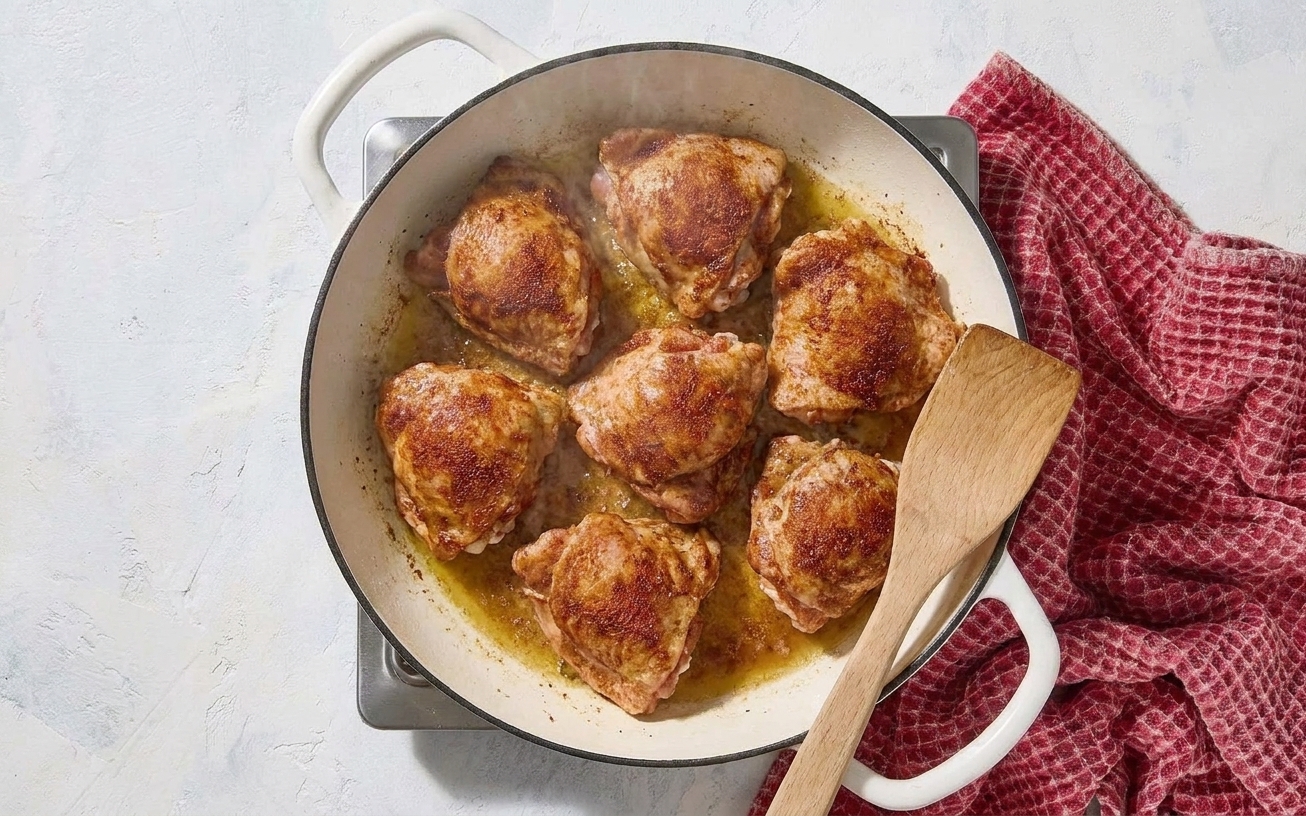
  • One pan, real texture: You get crisp edges on the chicken first, then the rice cooks in those savory browned bits.
  • A sauce that saves everything: A quick lemony pan sauce finishes the dish and makes each bite taste intentional, not “diet.”
  • Flexible: Works with thighs or breasts, white or brown rice (with a timing tweak), and whatever veggies you need to use up.

Pairs Well With

Storage Tips

Refrigerate: Cool leftovers, then store in an airtight container for 3 to 4 days.

Freeze: Freeze in portioned containers for up to 2 months. (Rice texture is best within the first month, but it is still totally usable after.)

Reheat: Add a splash of water or unsalted broth, cover, and warm gently on the stove or in the microwave until hot. Finish with a squeeze of fresh lemon to wake it back up.

Meal prep tip: Store lemon wedges separately so the flavor stays bright instead of turning slightly bitter over time.

Common Questions

Is “low-salt” the same as “no-salt”?

Not exactly. For packaged foods, “low sodium” can have specific definitions depending on where you live. For recipes like this, think of it as a lower-sodium, no-added-salt style dish: we use no-salt-added broth (or water), salt-free seasonings, and build flavor with lemon, garlic, and browning. If you want it no-added-salt, use no-salt-added broth (or water) and avoid salted spice blends.

What if my chicken tastes bland without salt?

Try this order of operations: brown harder (color equals flavor), add more lemon zest, and finish with a tiny splash of apple cider vinegar or extra lemon juice. Acidity is the cheat code when sodium is low.

Does Dijon mustard add sodium?

It can. Dijon is optional here for a rounder sauce, but it is not sodium-free. If you are watching sodium closely, choose a low-sodium Dijon or skip it entirely and lean on extra lemon juice and black pepper instead.

Can I use chicken breast instead of thighs?

Yes. Use 1 1/2 to 2 pounds boneless skinless breasts, cut into cutlets or big chunks. Sear until golden, then simmer gently and check early so you do not dry them out.

What rice works best?

Long-grain white rice is easiest and stays fluffy. Brown rice works too, but it needs more liquid and a longer simmer. (See the ingredient note below.)

How can I add veggies?

Stir in baby spinach at the end, or add chopped zucchini, bell pepper, or mushrooms right after the onion so they soften before the rice goes in.

I love restaurant food. I also love the reality of a random Tuesday when you want something cozy but your body is begging you to chill on the sodium. This skillet is what I make when I want “real dinner” energy without the salty shortcuts.

The first time I tested it, I kept reaching for salt out of habit, then realized the lemon zest and browned garlic had me covered. Now it’s one of my favorite proofs that low-salt does not have to mean low-flavor. You just have to build the flavor on purpose, and taste as you go. Always taste as you go.