Mom's Best Recipes
Recipe

Zesty Lemon Cheesecake

Silky, citrus-bright cheesecake with a crisp cookie crust and a glossy lemon topping. Big flavor, clean slices, and low drama if you follow the chill time.

Author By Matt Campbell
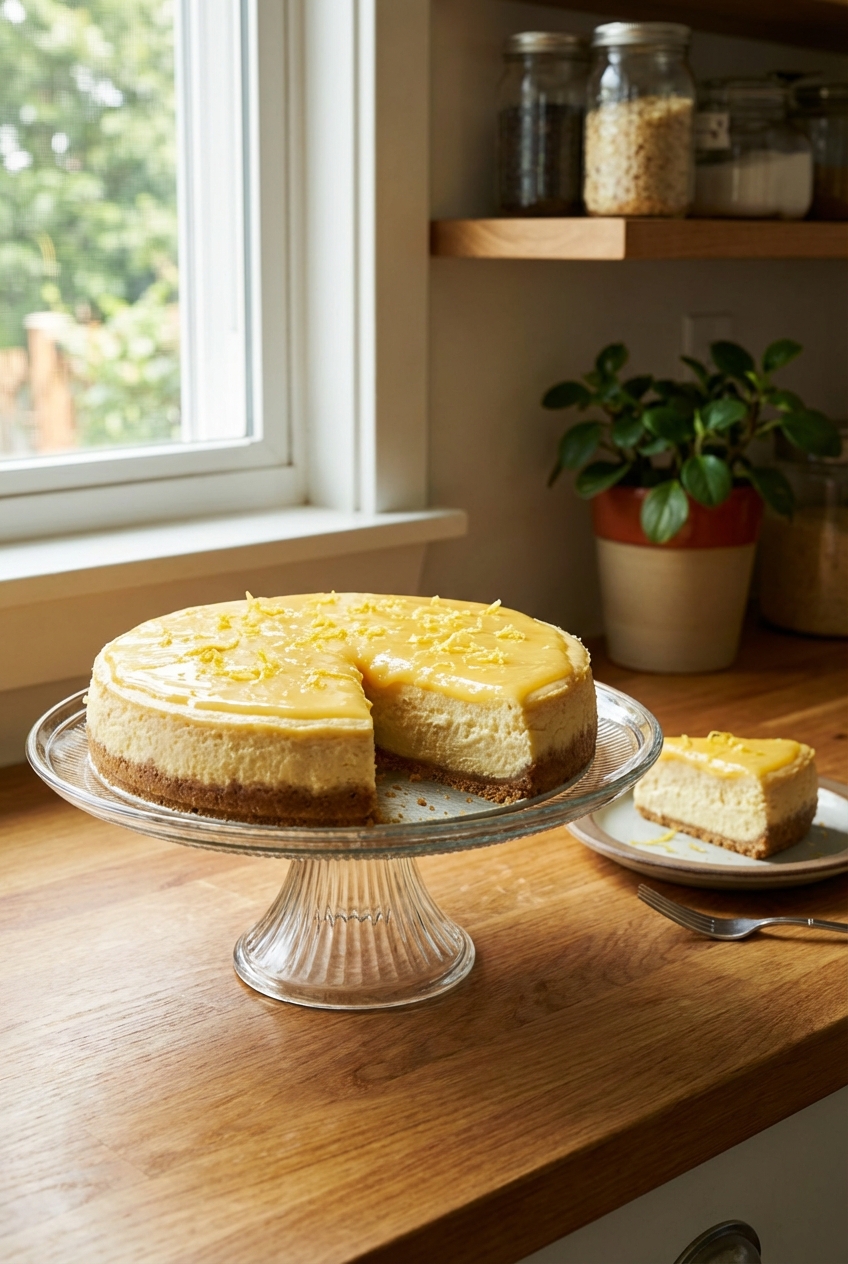
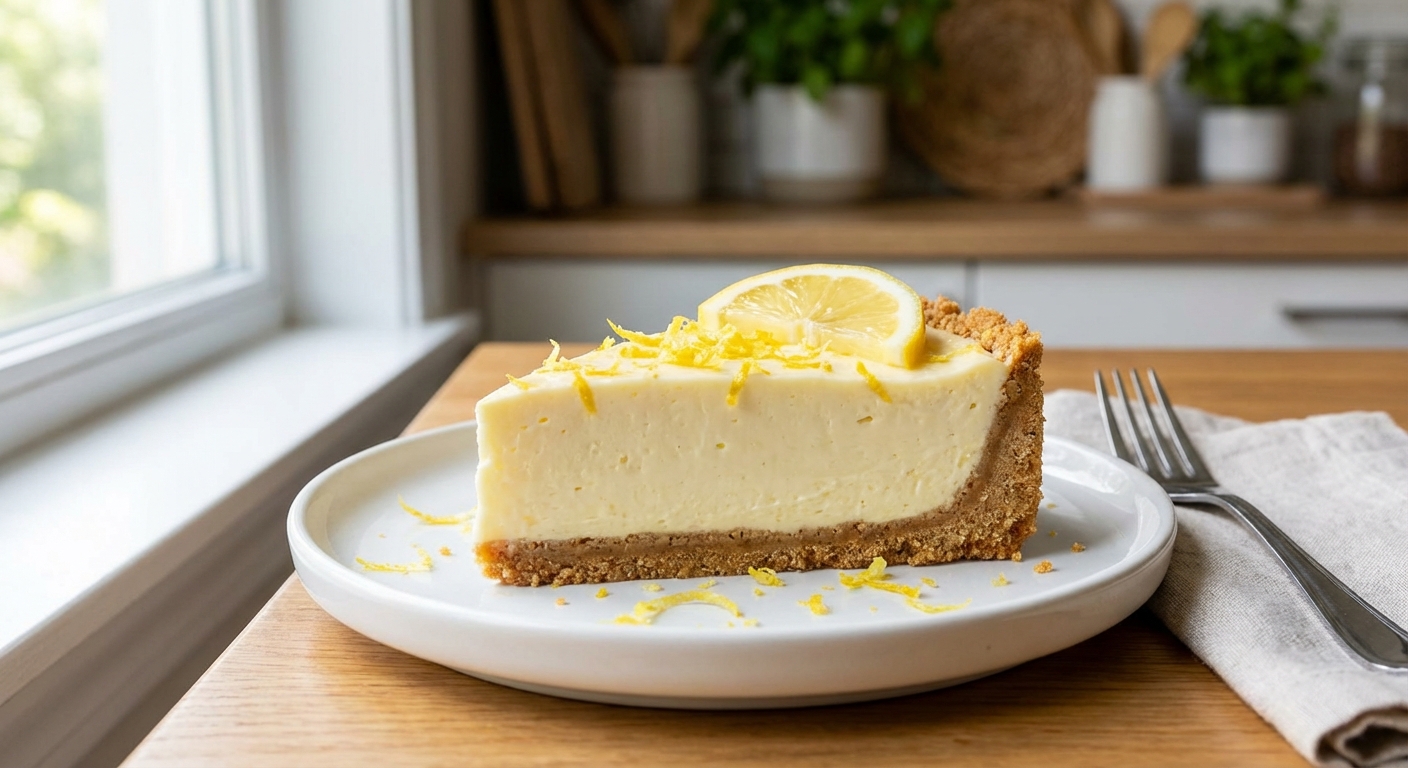
A whole lemon cheesecake with a glossy lemon topping on a cake stand, one slice removed, with fresh lemon zest scattered on top in natural window light

If you want a cheesecake that tastes like it dressed up for a night out, this is the one. It is rich and creamy, but it has that zingy, tangy citrus snap that keeps every bite feeling bright instead of heavy. Think: crisp buttery crust, a filling that is plush and vanilla-kissed, and a lemon topping that makes you do the little fork pause. You know the one.

I built this recipe for real life home kitchens. No obscure ingredients, no weird gadgets, and clear cues for doneness. We use room temperature dairy so the batter stays smooth, a gentle bake so it stays creamy, and a slow cool and chill so you get clean slices and that luxe, dense texture. You are in charge here.
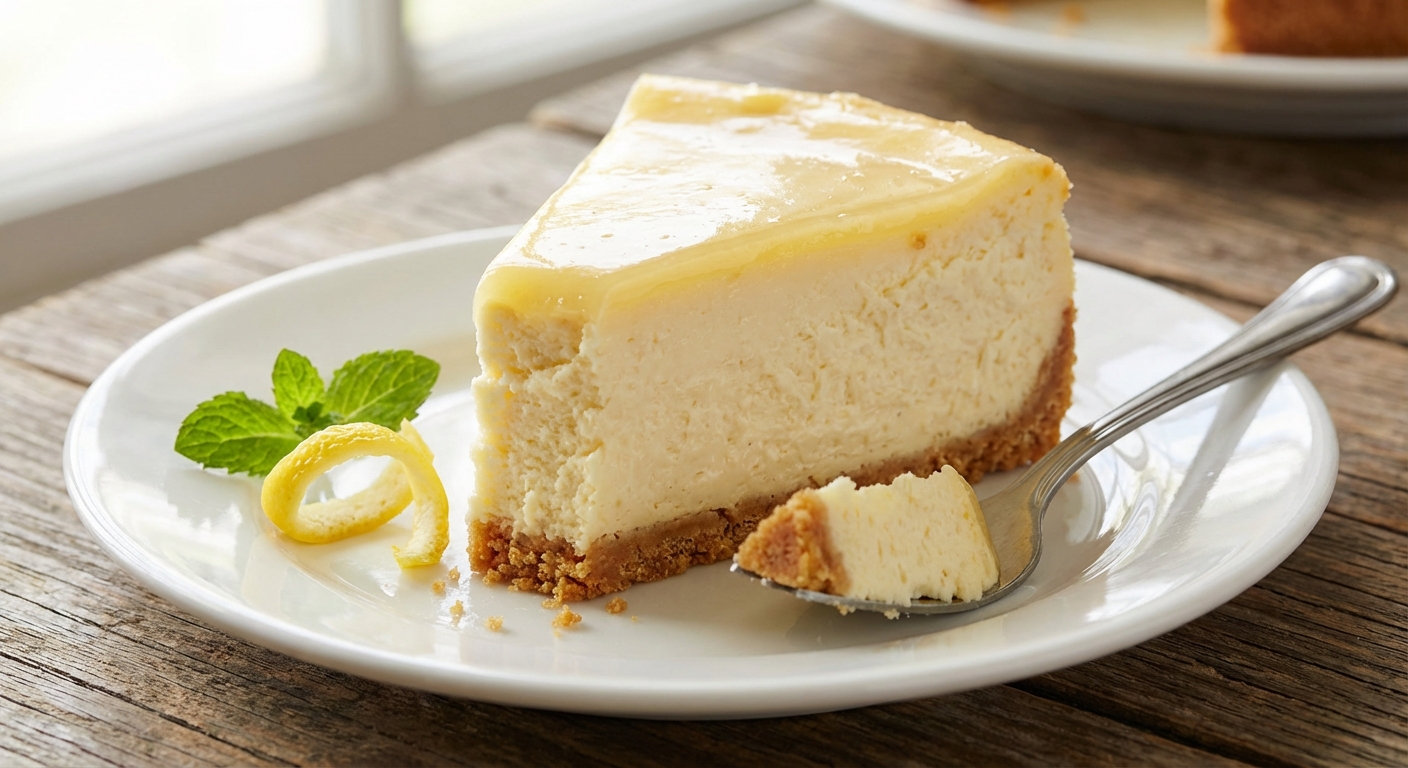
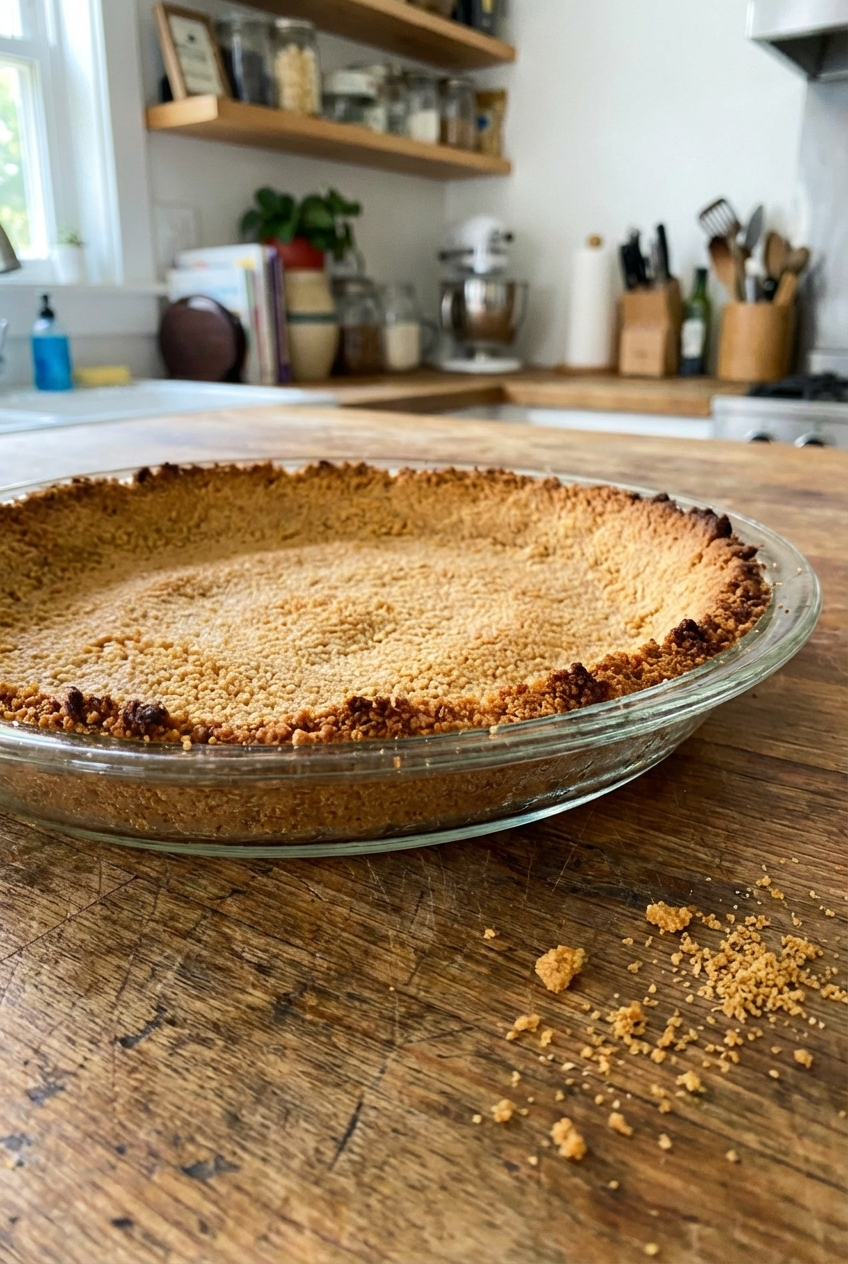
A close-up photo of a slice of lemon cheesecake showing a creamy interior, a thin glossy topping layer, and a crisp golden crust on a dessert plate

Why It Works

  • Zesty and tangy flavor that still feels luxurious: Fresh lemon zest and juice wake up the richness without making it sour.
  • Silky texture, not grainy: Room temperature cream cheese and gentle mixing keep the filling smooth.
  • More crack-resistant, not crack-proof: A low bake, a steamy oven, and a slow cool help the top stay gorgeous.
  • Clean slices: A full chill sets the cheesecake so it cuts like a dream.

Pairs Well With

Storage Tips

How to Store Leftovers

  • Refrigerator: Cover the cheesecake (still on the springform base is fine) and refrigerate up to 5 days. I like to press plastic wrap gently against any cut edges to prevent drying.
  • Freezer: Freeze slices for up to 2 months. Wrap each slice in plastic wrap, then foil, then stash in a freezer bag. Thaw overnight in the fridge.
  • Best serving texture: Cheesecake tastes extra dreamy when it sits at room temperature for 10 to 15 minutes before serving.

Common Questions

Common Questions

Do I need a water bath?

You do not need a traditional water bath for this recipe. Instead, place a pan of hot water on the lower rack while the cheesecake bakes. That added moisture helps prevent cracks without the stress of wrapping the pan in foil and praying it does not leak.

How do I know when the cheesecake is done?

The edges should look set and slightly puffed, but the center should still have a small wobble, like set Jell-O. If the entire surface ripples like a wave, it needs more time. If it is fully firm, it is likely overbaked. If you like a numbers check, aim for about 150°F to 155°F (65°C to 68°C) in the center.

Why did my cheesecake crack anyway?

Common culprits: overmixing (too much air), overbaking, cooling too fast, or skipping the chill. If it cracks, do not panic. The lemon topping covers a multitude of sins and still tastes amazing.

Can I use bottled lemon juice?

You can, but fresh is noticeably better here. The zest is where the real citrus perfume lives, and you cannot bottle that.

Can I make it ahead?

Yes, and you should. Cheesecake is at its best the next day. Make it 1 day ahead, chill overnight, and add the lemon topping once everything is fully cold.

I have a soft spot for desserts that feel fancy but behave like weeknight food. This cheesecake started as one of those “I wonder if…” projects after I got tired of heavy, one-note slices that made everyone push their plates away halfway through. I wanted richness, yes, but I also wanted a bright little wake-up call. Lemon zest did the job, and a simple tangy topping made the whole thing taste like it belonged behind glass in a pastry case. The best part is that it is still totally doable in a home kitchen, even if you are cooking with one eye on the oven and the other on your life.