Mom's Best Recipes
Recipe

Luxurious Zesty Mimosa

A bright, citrus-forward mimosa with a silky orange twist, a zesty-sweet rim, and just enough tang to keep every sip feeling like brunch at a fancy hotel.

Author By Matt Campbell
4.9
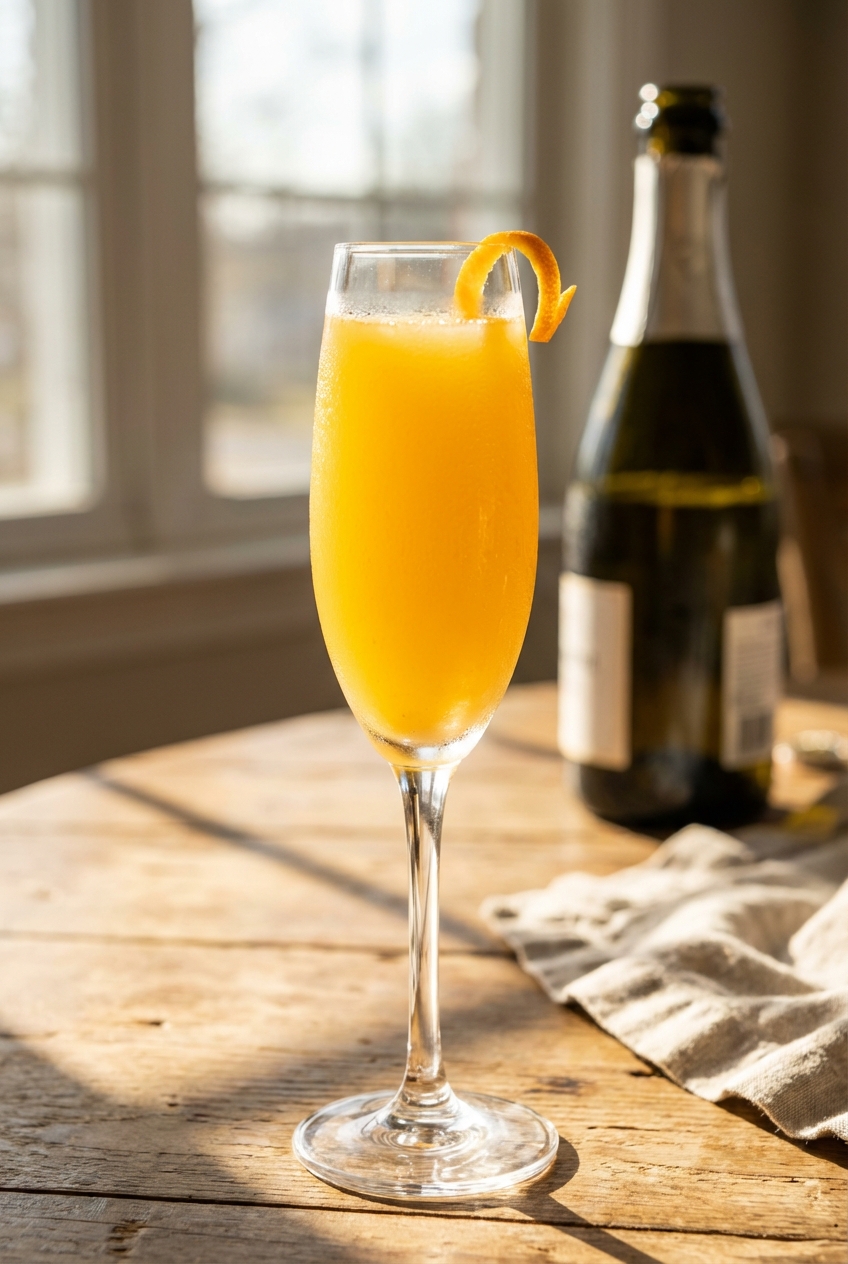
A real photo of a chilled champagne flute filled with a vibrant orange mimosa, garnished with a thin orange twist on the rim, on a sunlit brunch table with a bottle of sparkling wine softly blurred in the background

Some mimosas are basically orange juice with bubbles. No shade, but if I am making a brunch drink, I want it to earn the glass. This one is zesty and tangy on purpose, with fresh citrus doing the heavy lifting and sparkling wine bringing the fancy.

The little luxury move here is a quick orange-sugar rim (optional, but highly recommended) plus a splash of orange liqueur for a warmer, rounder citrus flavor. The result tastes brighter, smells better, and somehow makes scrambled eggs feel like a special occasion.
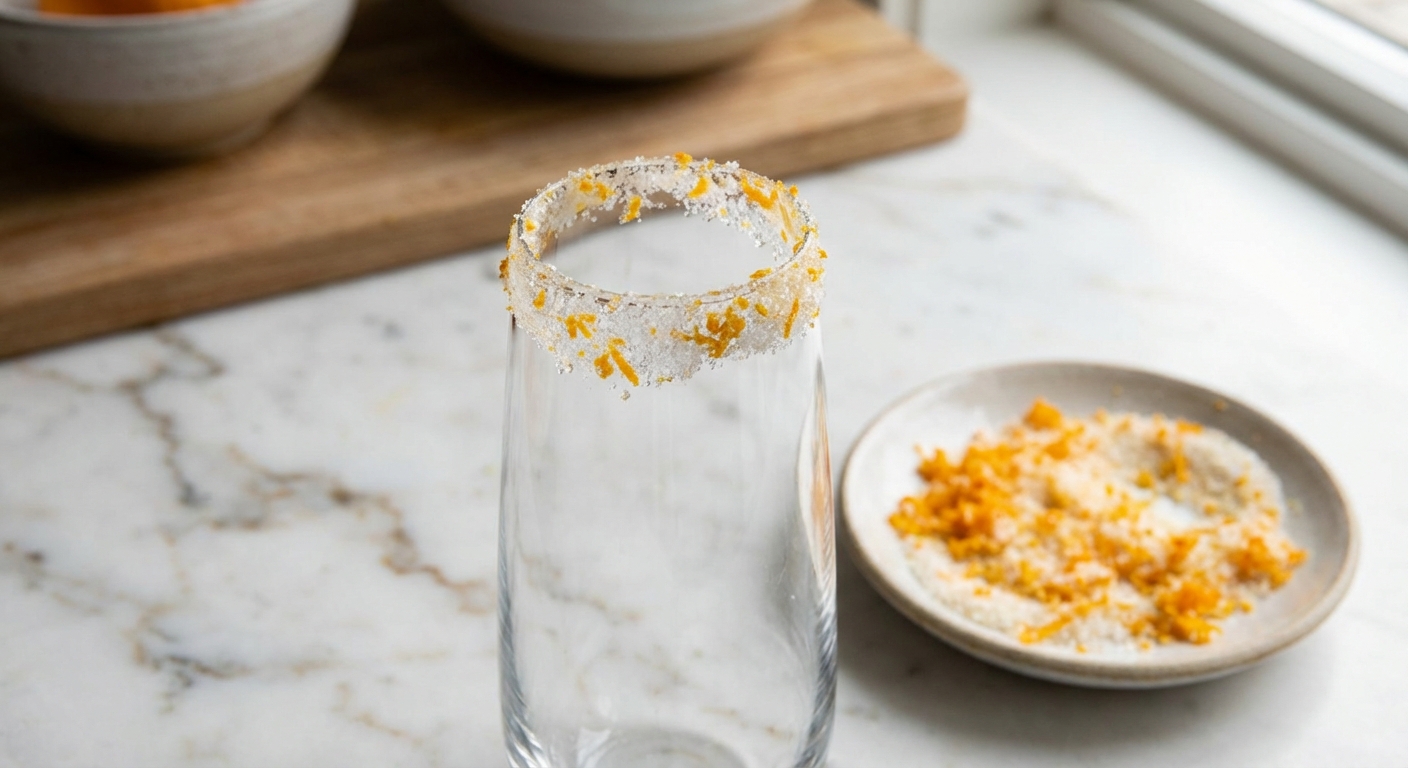
A real photo close-up of a champagne flute rim coated with orange zest and sugar, with a small plate of zest and sugar on a marble countertop

Why It Works

  • Tangy balance: Fresh lemon sharpens the orange so the drink stays crisp instead of sweet.
  • Luxurious citrus depth: A small pour of orange liqueur adds perfume and a smooth finish.
  • Bubbles that last: Chilling everything first keeps the carbonation lively and the mimosa from going flat.
  • Customizable: Make it drier, sweeter, or extra zippy with a couple easy tweaks.

Pairs Well With

Storage Tips

Mimosas are best fresh, but you can still set yourself up for low-drama refills.

What you can prep ahead

  • Citrus juice blend: Mix the orange juice, lemon juice, and orange liqueur. Refrigerate in a sealed jar for up to 24 hours. Fresh juice can separate, so stir or gently swirl before pouring.
  • Zest sugar: Combine orange zest and sugar for the rim. Store airtight at room temp for up to 3 days.

What not to store

  • Already mixed mimosas: Once sparkling wine is in, the bubbles fade fast. If you must, refrigerate in a carbonation-rated swing-top bottle (do not shake) for up to 4 hours. Keep it cold and crack it slowly since pressure can build.

Best leftover plan: Keep the sparkling wine cold and separate, then top each glass to order.

Common Questions

What is the best champagne or sparkling wine for mimosas?

Go for something dry: Brut Champagne, Brut Cava, or Brut Prosecco. If you like a softer, fruitier vibe, Extra Dry Prosecco works too (and yes, “Extra Dry” is actually sweeter than Brut), so your mimosa will taste a bit more dessert-y.

What ratio should I use for a mimosa?

Classic is 1:1, but for a more luxurious, bubbly drink I prefer 2 parts sparkling wine to 1 part citrus. It tastes lighter, stays fizzy longer, and feels more brunchy than juice-box.

Can I make this non-alcoholic?

Yes. Swap the sparkling wine for a non-alcoholic sparkling wine or chilled club soda. Skip the orange liqueur and use 1 tablespoon orange syrup, or start with 1/4 to 1/2 teaspoon orange extract (alcohol-free if needed), then taste and adjust. A little goes a long way.

How do I keep mimosas from going flat?

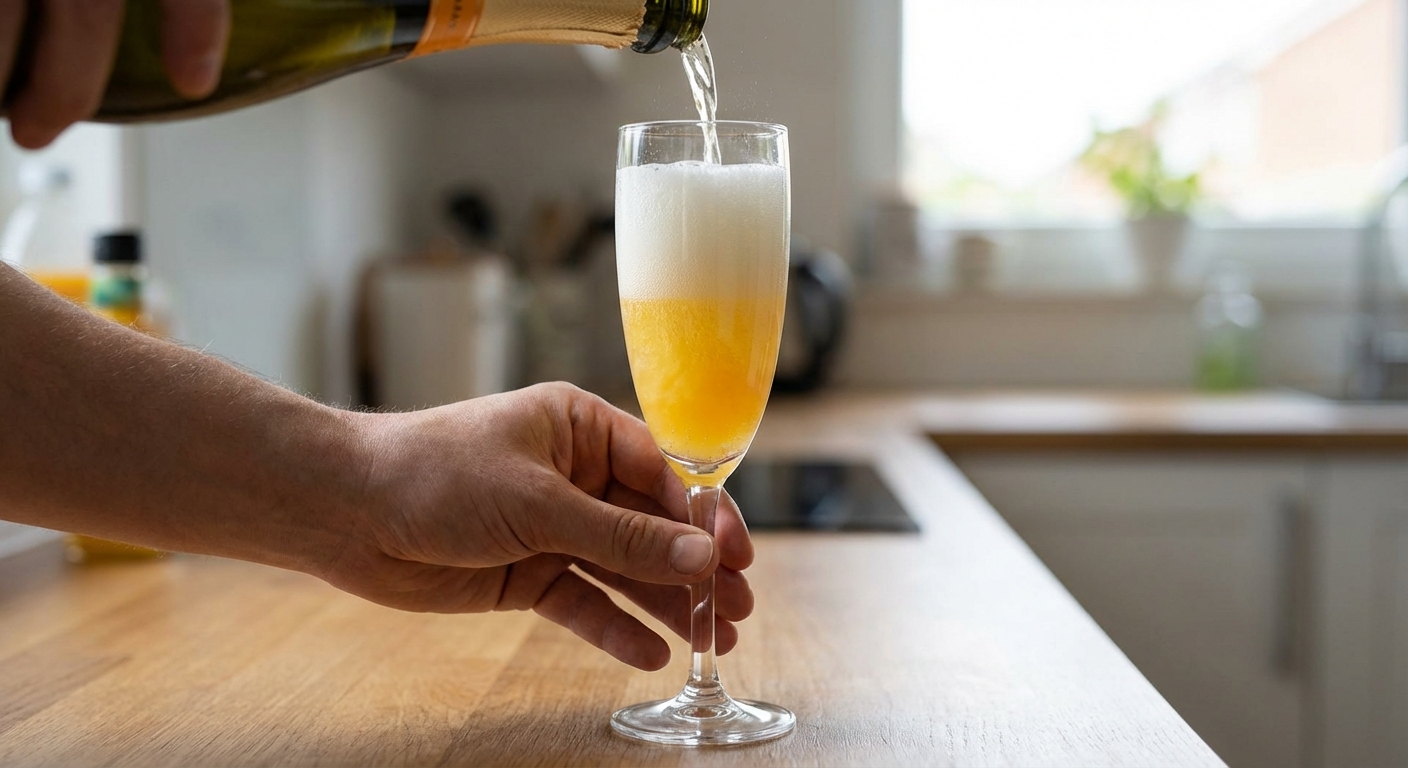
Chill everything, pour the sparkling wine last, and tilt the glass while you pour. Also, avoid stirring like you are mixing pancake batter. A gentle swirl is plenty.

Can I use bottled orange juice?

You can, but choose a high-quality “not from concentrate” juice. If it tastes a little sweet or dull, add an extra 1 to 2 teaspoons lemon juice per serving to wake it up.

I started making “better than basic” mimosas when I realized brunch at home is either a chill flex or a chaotic mess, and honestly it can be both. The trick is having one thing that feels fancy without adding a pile of dishes. For me, that is a cold bottle of bubbles, a couple citrus fruits, and a rim that makes people go, “Wait, what did you do to this?”

This version is my sweet spot: bright, tangy, and a little bit extra. It tastes like you planned the morning, even if you are still in yesterday’s hoodie.