Mom's Best Recipes
Recipe

Zesty Pork Steak Recipe

Juicy, pan-seared pork steaks finished in a bright lemon Dijon pan sauce with capers and a buttery glaze. Weeknight-friendly, dinner party worthy, and very into crisp edges.

Author By Matt Campbell
4.8
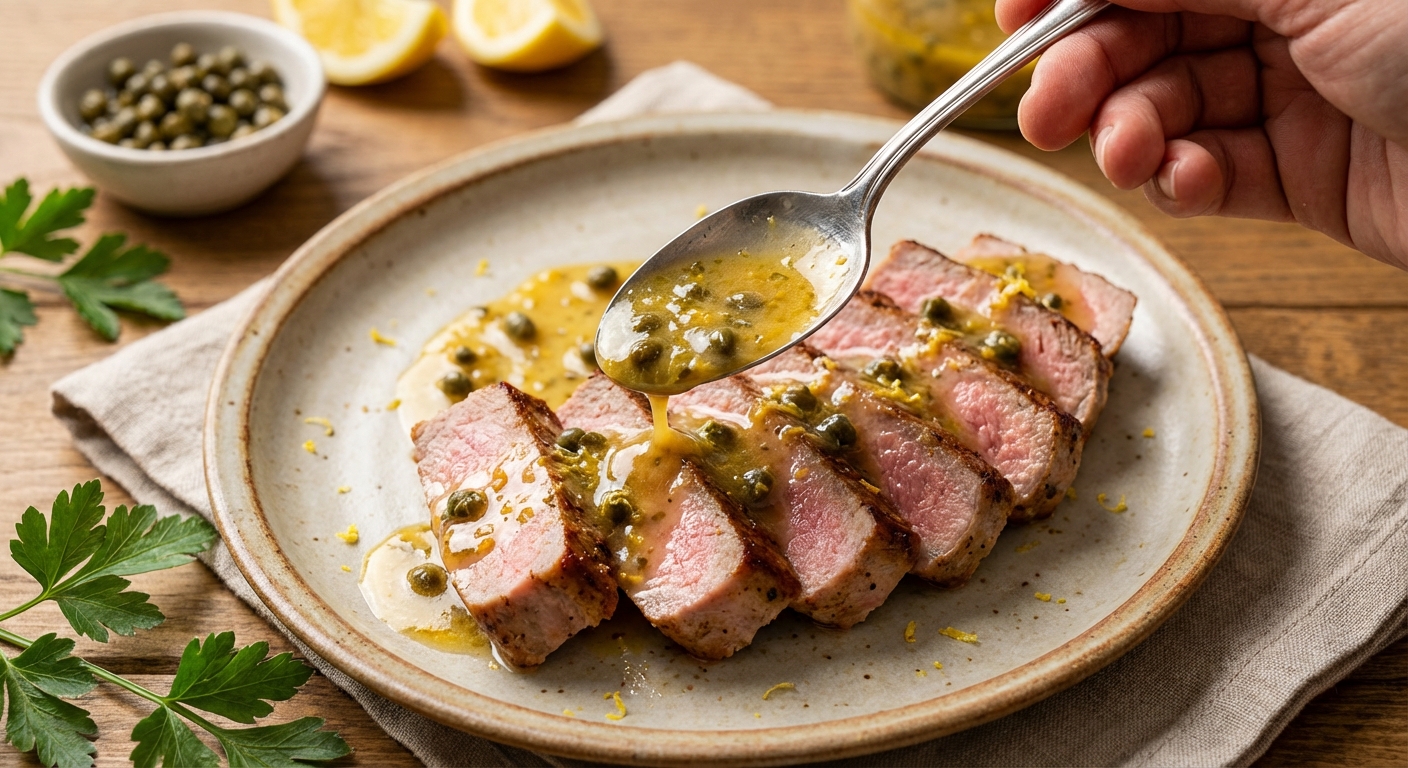
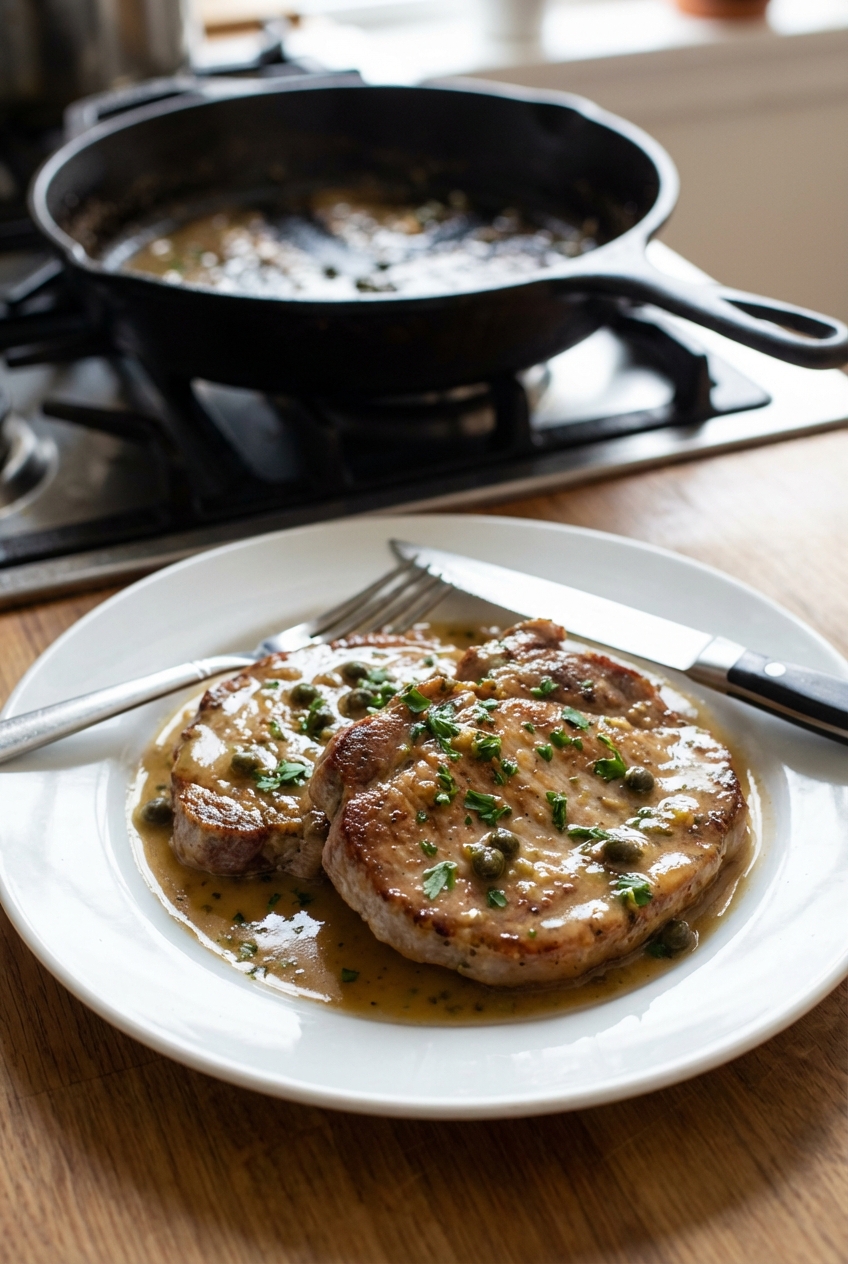
Two pan-seared pork shoulder steaks on a plate, coated in glossy lemon Dijon pan sauce with capers and parsley, with a cast iron skillet blurred in the background

Pork steaks are the underrated hero of the “I want something cozy but also kind of fancy” dinner zone. They are rich like a chop’s more interesting cousin, they love a hard sear, and they absolutely shine when you hit them with something zesty and tangy to cut through all that porky goodness.

This recipe is my favorite kind of kitchen chaos: a quick skillet sear, then a pan sauce that tastes like you planned ahead. Think lemon, Dijon, a little honey, capers for that salty pop, and butter to make everything feel luxurious without turning it into a science project. You will taste it mid-bite and do the pause. You know the one.
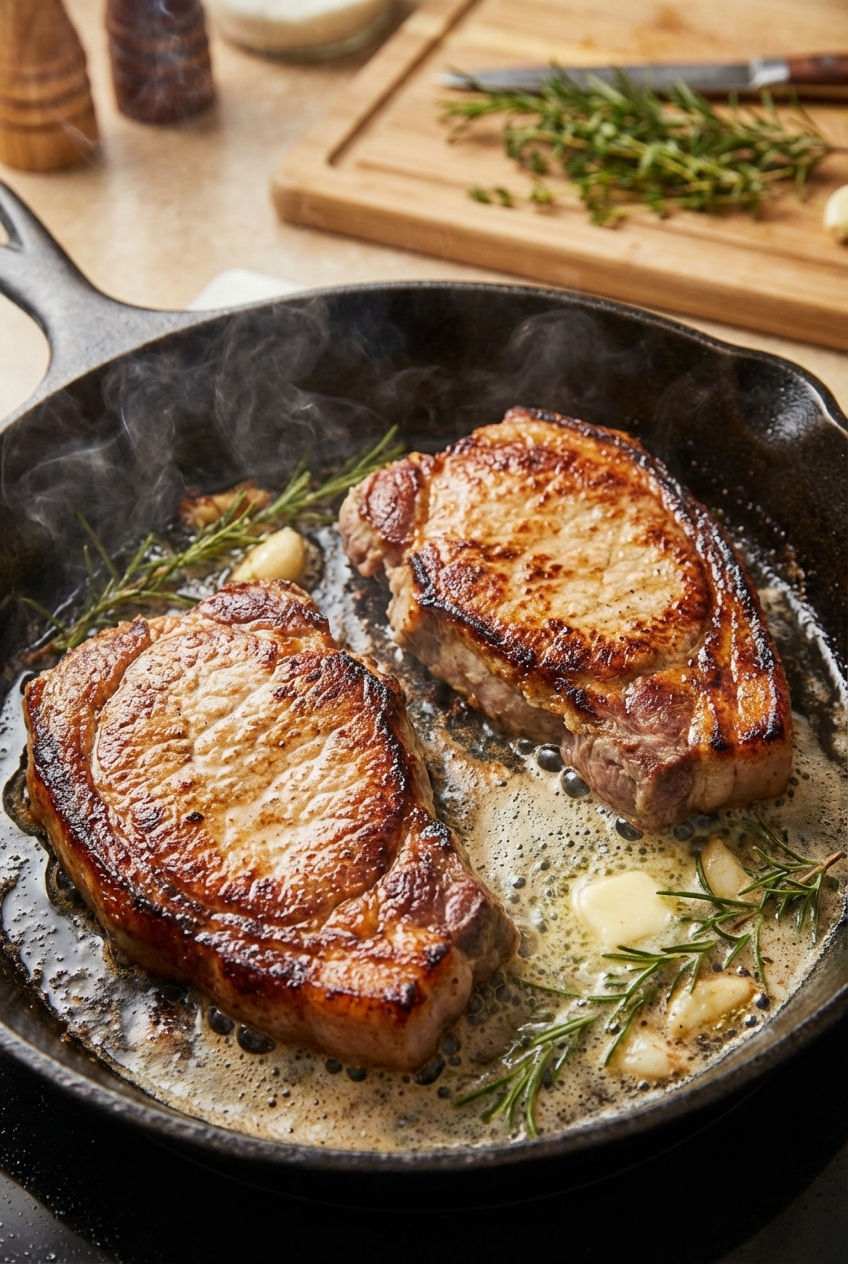
Pork steaks sizzling in a cast iron skillet with browned edges and foaming butter

Why It Works

  • Crisp edges, juicy center: A hot pan plus a simple salt season keeps these steaks juicy and deeply flavored while the outside gets properly browned.
  • Bright, tangy sauce that balances the richness: Lemon and vinegar lift the pork, Dijon adds body, and capers bring a briny punch.
  • One pan, big flavor: You build the sauce on the browned bits, so the skillet basically does half the seasoning for you.
  • Flexible for real life: Works with pork shoulder steaks or blade steaks, and the sauce adapts to what you have.

Pairs Well With

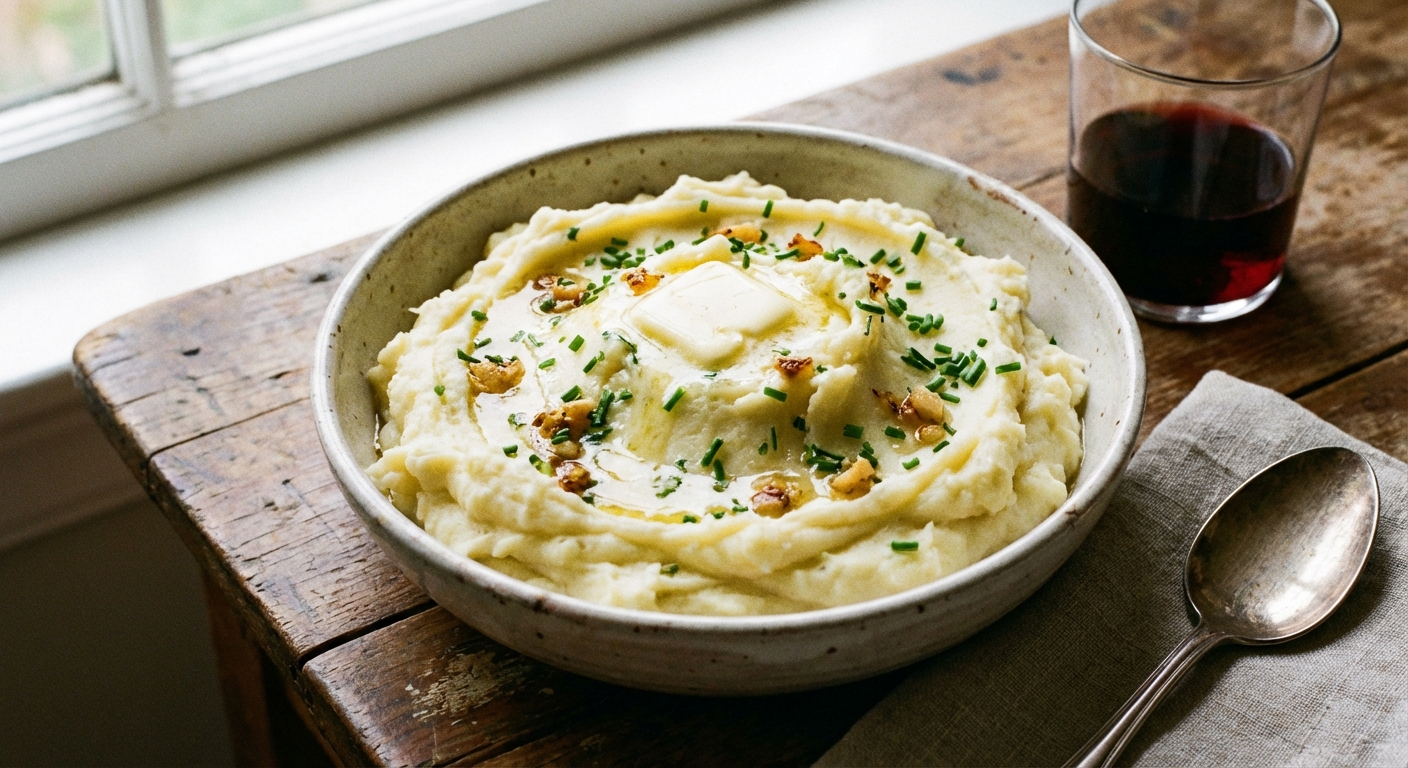
  • Garlic mashed potatoes
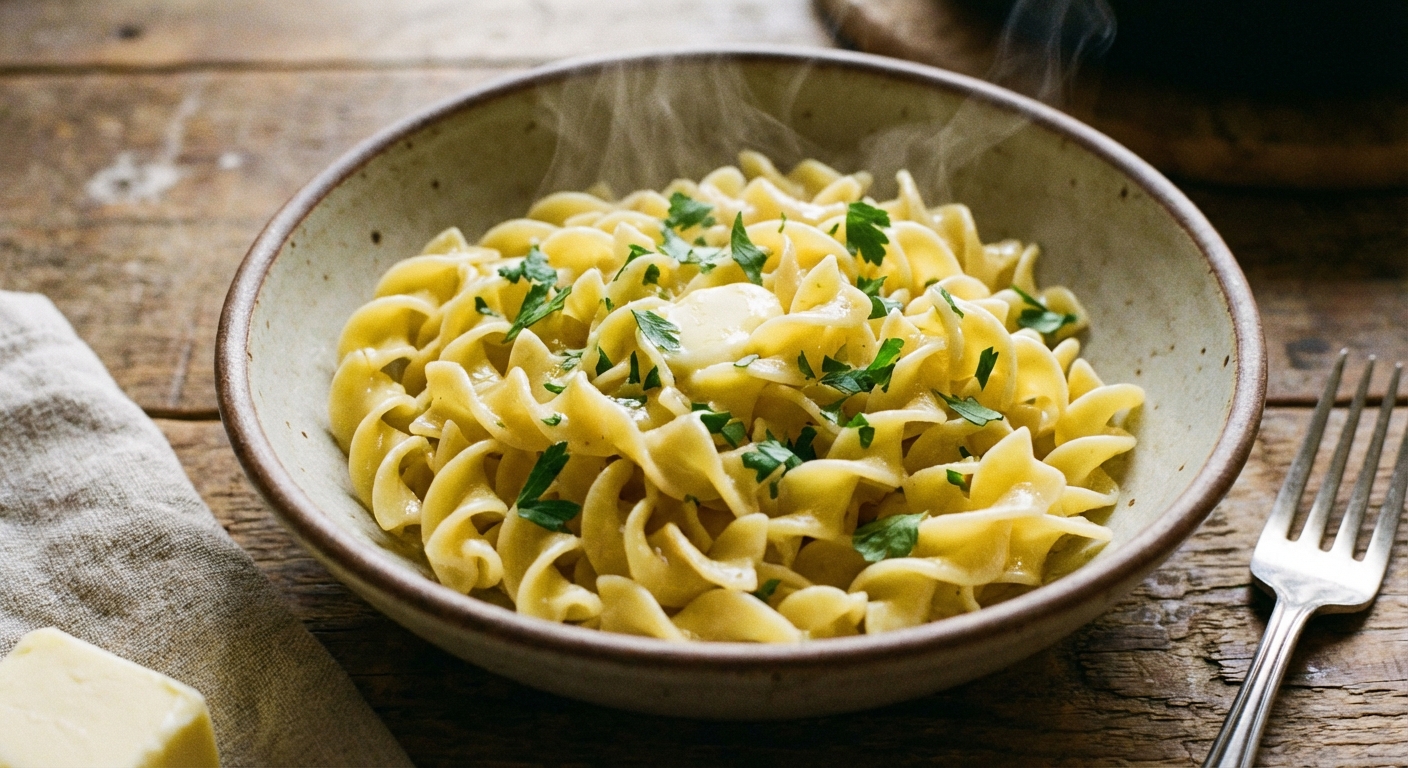
  • Buttery egg noodles
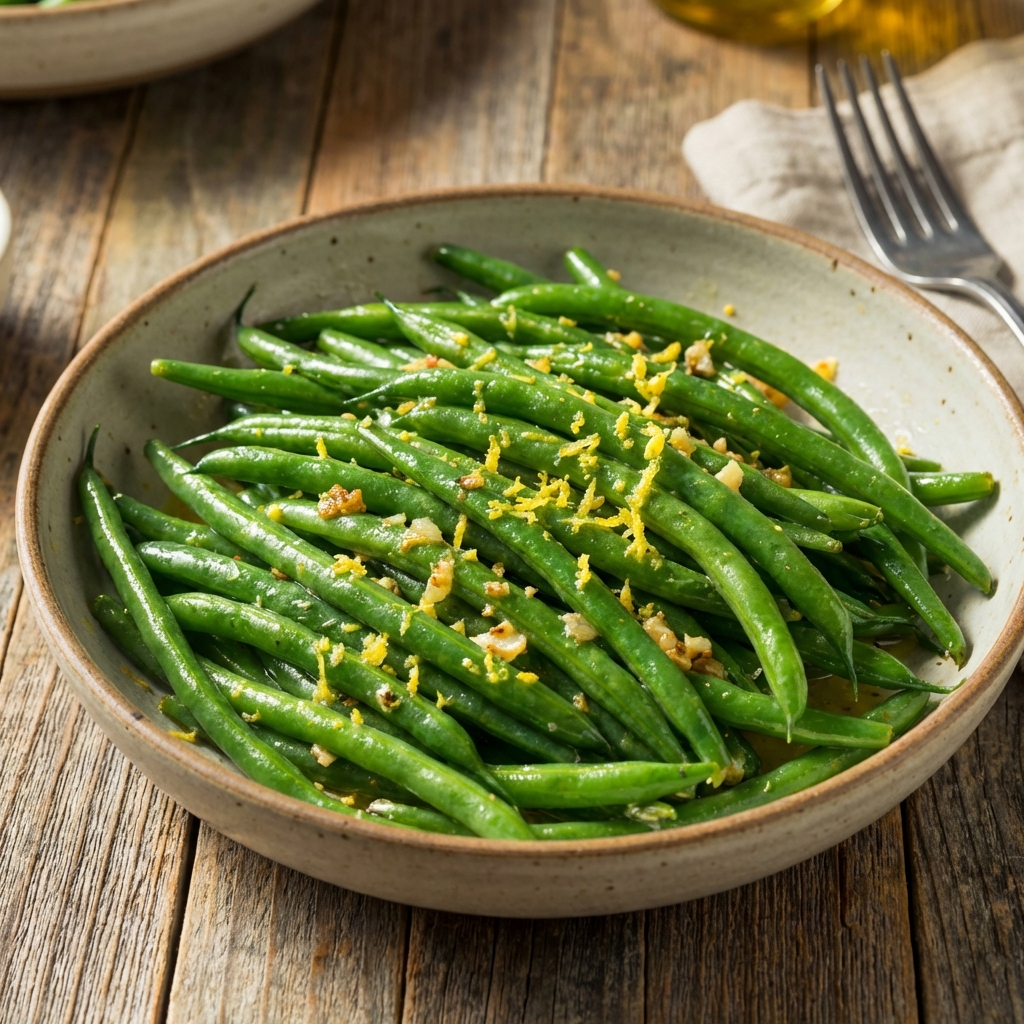
  • Roasted green beans with lemon zest
  • Simple arugula salad with shaved parmesan

Storage Tips

Refrigerate: Store pork and sauce together in an airtight container for up to 4 days. The sauce helps keep the meat from drying out.

Reheat (best method): Warm gently in a covered skillet over low heat with a splash of water or broth, just until hot. High heat will tighten the pork and can break the sauce.

Microwave (still fine): Use 50 percent power in short bursts, stirring the sauce between rounds.

Freeze: Freeze in a sealed container for up to 2 months. Thaw overnight in the fridge. The butter sauce can look separated at first, but it usually comes back together with gentle heat and a whisk or spoon.

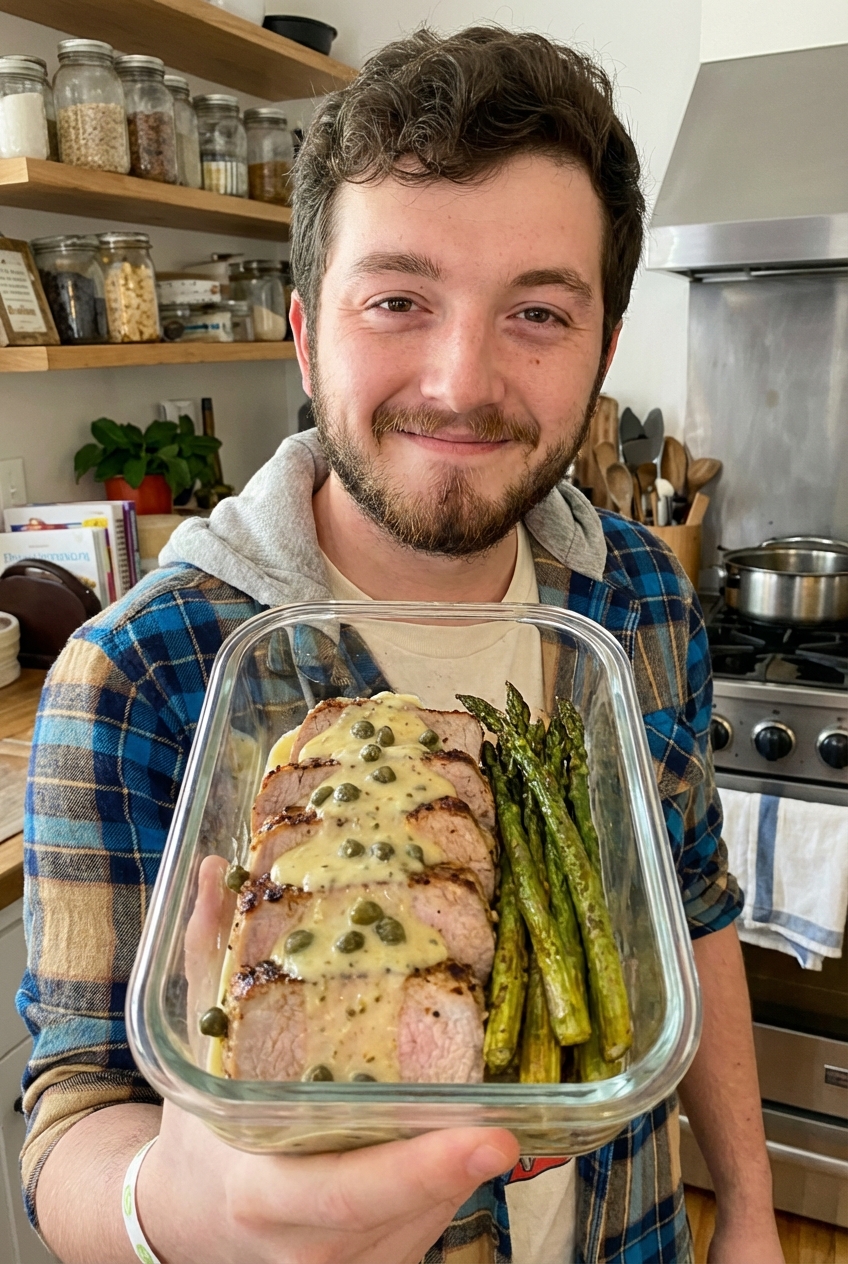
Sliced pork steak stored in a glass meal prep container with lemon caper sauce

Common Questions

What cut is a pork steak?

Pork steak usually means a slice from the shoulder (often labeled Boston butt, pork blade steak, or shoulder steak). It has more marbling than loin chops, which makes it forgiving and extra flavorful.

Can I use pork chops instead?

Yes. Use thick-cut bone-in or boneless chops. Chops are leaner, so watch the thermometer closely. For the juiciest result, you can pull them at 140°F and rest 5 minutes so carryover cooking lands you at 145°F. Or simply cook to 145°F, then rest.

How do I know when the pork is done?

The most reliable way is a thermometer. Aim for 145°F in the thickest part, then rest 5 minutes. Pork shoulder steaks have more fat, so they stay juicy even if they go a little past, but try not to blast them.

My sauce tastes too sharp. How do I fix it?

Add a small knob of butter, a drizzle of honey, or a splash of broth. Also make sure you finish the butter off the heat so it emulsifies instead of turning greasy.

Are capers required?

No, but they are the “zesty and tangy” cheat code. If you do not have them, try chopped green olives, a spoon of pickle brine, or a tiny bit more vinegar plus extra salt.

Do bone-in steaks cook differently?

Yes. Bone-in shoulder or blade steaks often need a couple extra minutes to heat through at the center. Boneless steaks cook a little faster. Either way, let the thermometer be the boss.

I used to think “pork steak” was code for “cookout food only,” like it lived permanently next to the grill and a bottle of barbecue sauce. Then I started treating it like a real dinner party cut: season it, sear it hard, and finish with a sauce that has enough acid to make the richness behave. The first time I made this lemony Dijon caper sauce, I ended up dragging a piece of pork through the pan with a fork like I was taste-testing in secret. It was not subtle. It was also correct.