Mom's Best Recipes
Recipe

Luxurious Spring Rolls

Crisp veggies, herbs, and silky shrimp tucked into tender rice paper, then dunked into a punchy lime and ginger sauce that tastes like spring got dressed up.

Author By Matt Campbell
4.8
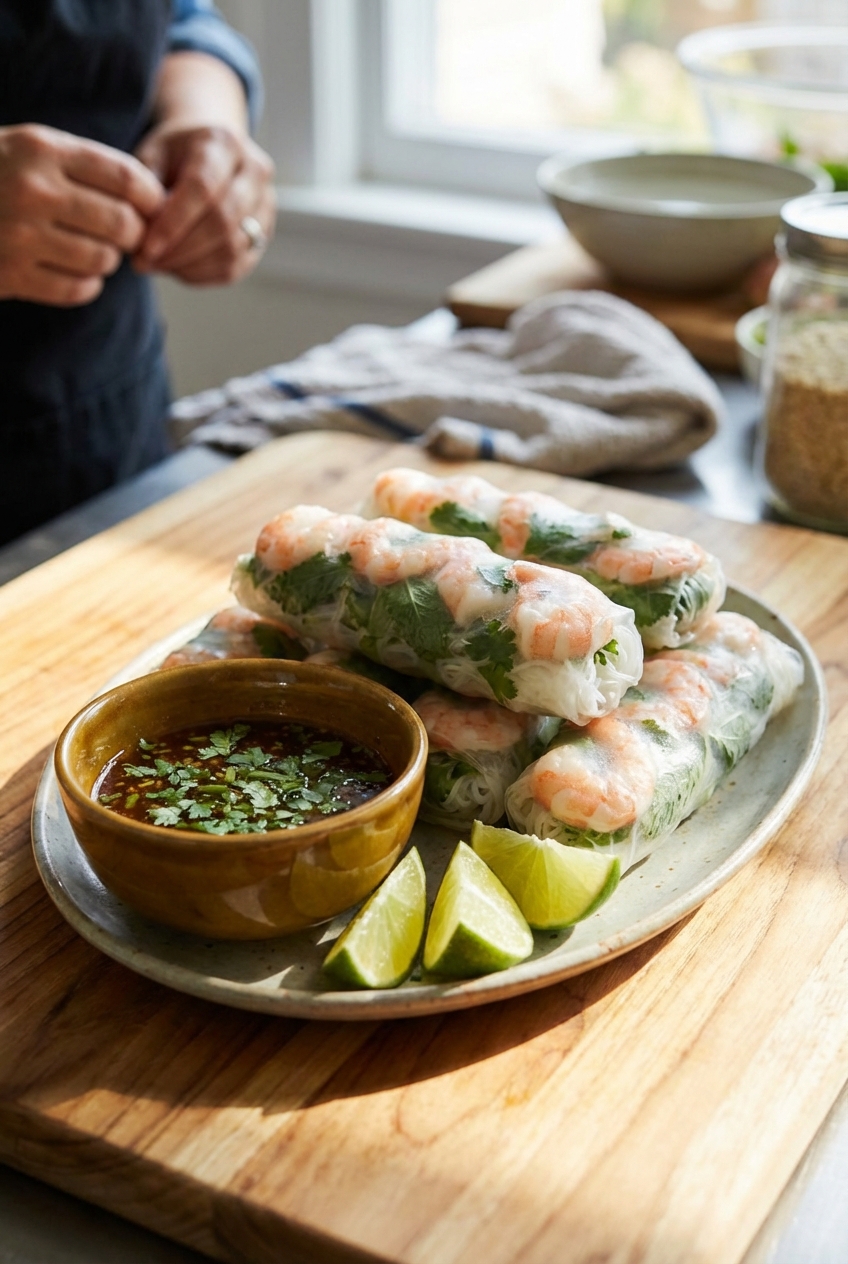
A close-up photograph of fresh spring rolls on a ceramic platter with a small bowl of glossy lime-ginger dipping sauce, garnished with cilantro and lime wedges on a sunlit kitchen counter

Spring rolls are one of those recipes that look fancy, taste bright and fresh, and secretly run on very normal grocery store ingredients. This is my “luxurious” version, not because it is fussy, but because it hits all the good stuff at once: crunchy veg, loads of herbs, a little richness from shrimp and avocado, and a dipping sauce that is zesty, tangy, and just sweet enough to keep you going back in for “one more dunk.”

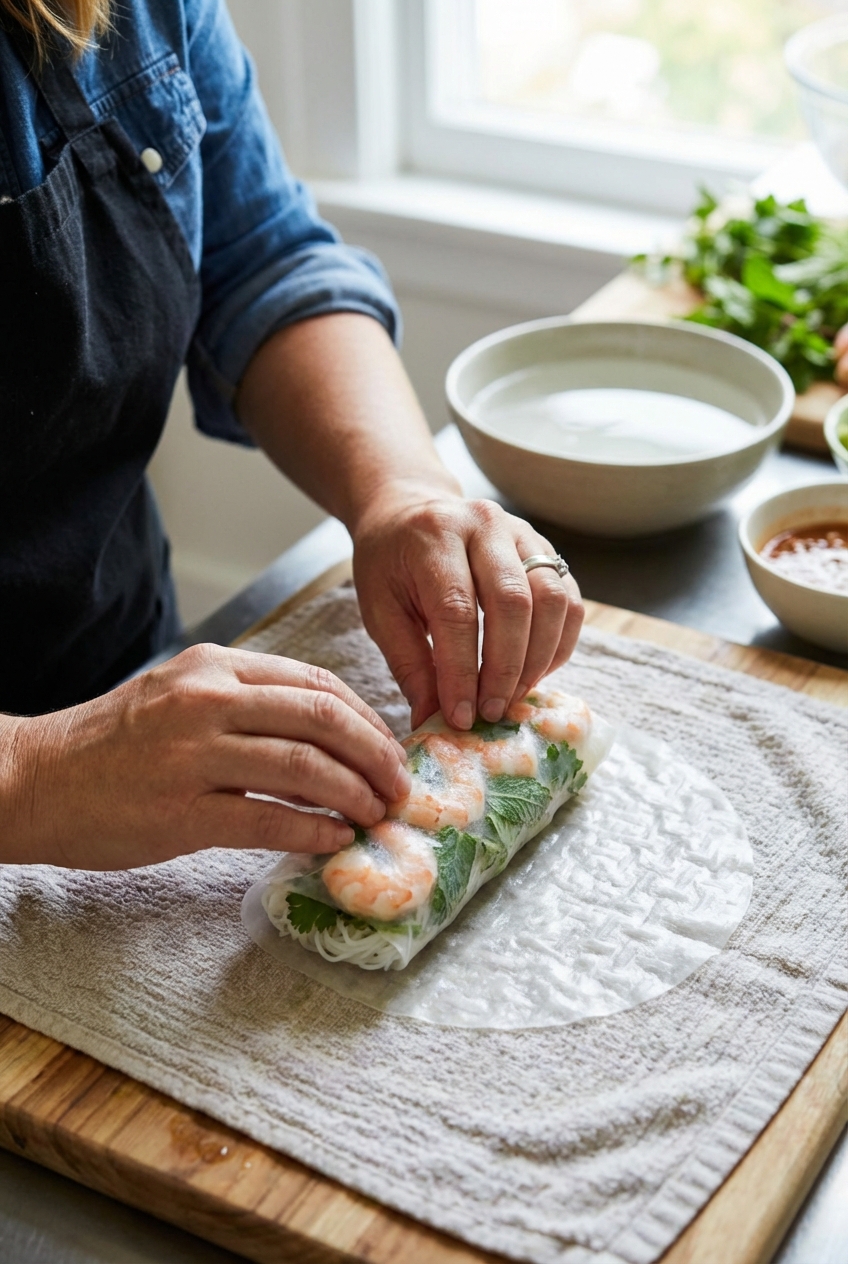
If rice paper has ever intimidated you, you are in the right place. We are keeping it calm: warm water, a damp towel, and a simple rolling method that does not require perfection. These rolls are forgiving, and honestly, the slightly chaotic ones usually taste the best.
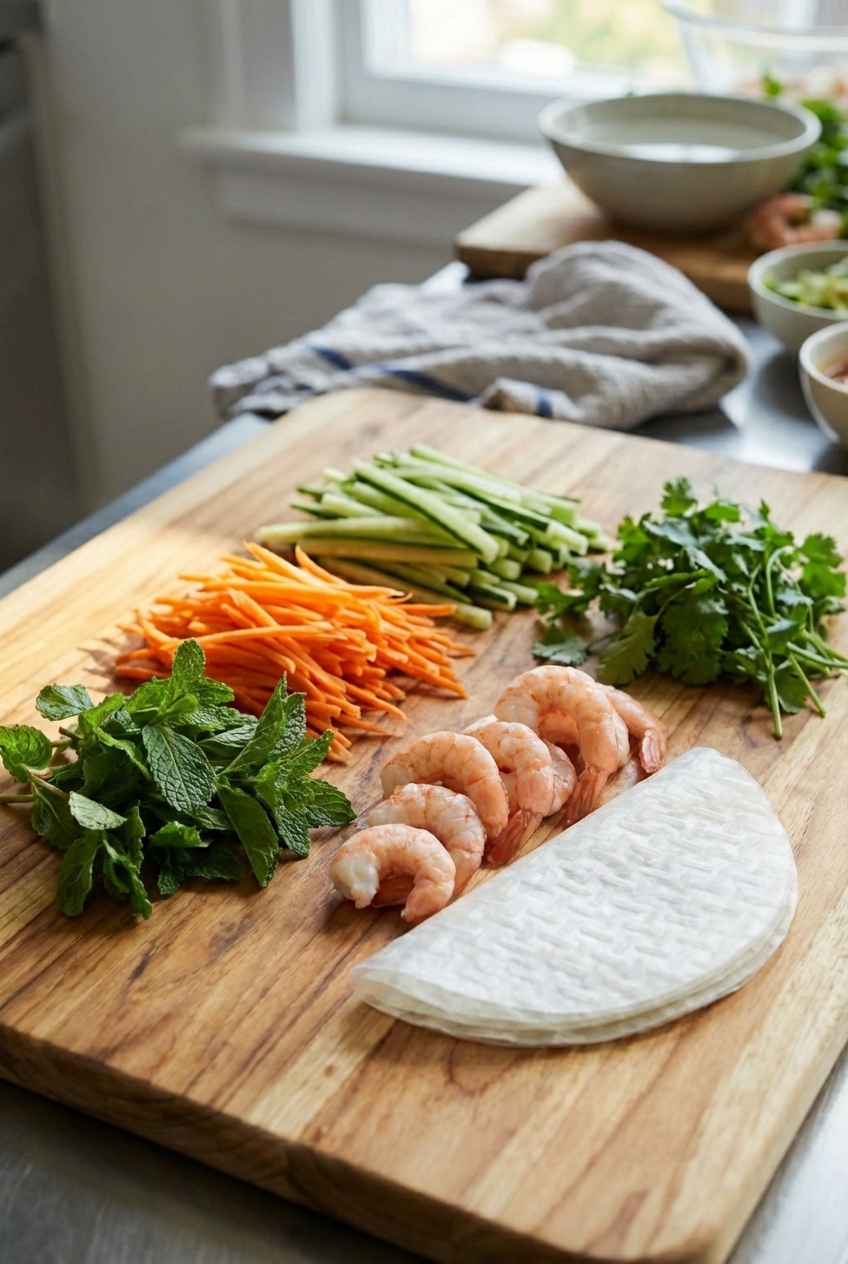
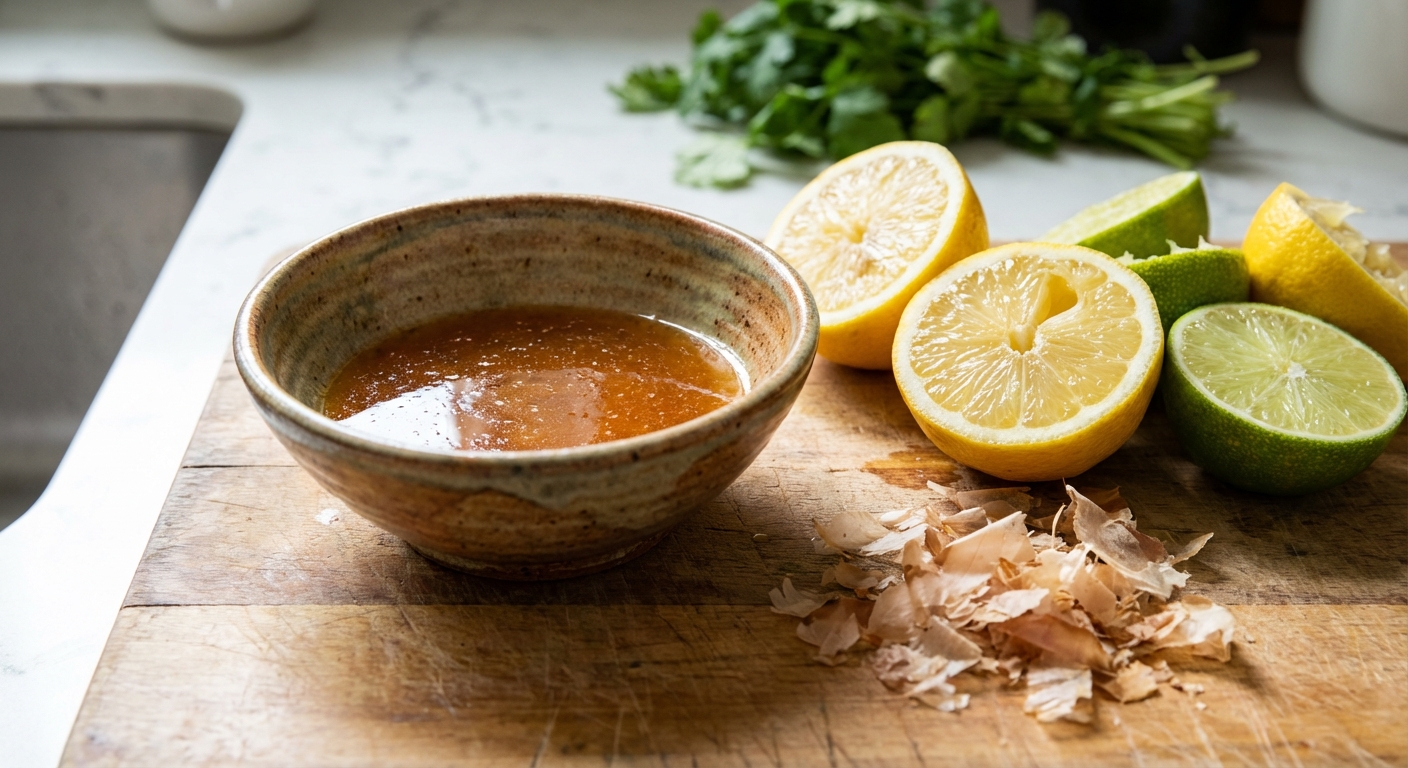
A photograph of a wooden cutting board with neatly sliced cucumbers, shredded carrots, mint, cilantro, cooked shrimp, and rice paper wrappers ready for assembling spring rolls

Why It Works

  • Bright, clean flavor with depth: Lime, ginger, and a touch of fish sauce bring pop, while sesame oil adds a warm, toasty finish.
  • Great texture in every bite: Crisp veg and herbs against tender noodles and juicy shrimp, all wrapped in soft, chewy rice paper.
  • Fast once you start rolling: A little prep up front, then assembly-line energy the whole way through.
  • Flexible: Swap shrimp for tofu or chicken, change the veggies, or make it gluten-free with tamari (just check labels on sauces).

Pairs Well With

Storage Tips

Spring rolls are best the day you make them, but you can absolutely store them without turning them into a sticky situation.

How to refrigerate

  • Separate them: Line a container with parchment, place rolls in a single layer, and put parchment between any layers. Do not let the rolls touch if you can help it.
  • Keep them from drying out: Cover with a barely damp paper towel, then seal the container. Too much moisture can make the wrappers tacky.
  • Timing: Eat within 24 hours for best texture.

Sauce storage

  • Store dipping sauce in a sealed jar in the fridge for up to 5 days.
  • If it needs loosening, add a teaspoon of warm water and shake it like you mean it.

Note: Freezing is not recommended. Rice paper gets weird and brittle after thawing.

Common Questions

Why is my rice paper tearing?

Most tears come from over-soaking. Dip the wrapper for about 8 to 12 seconds, then let it soften on the work surface for 20 to 30 seconds. It will keep relaxing as you build the roll. Also, pat wet fillings (especially shrimp and cucumbers) a little dry. Water is sneaky and it weakens the wrapper fast.

Why are my spring rolls sticking together?

Rice paper is basically a sticky little love language. Store rolls with parchment between them and keep a barely damp towel or paper towel over the top so the wrappers do not dry out and grab onto each other (without getting gummy).

Can I make these vegetarian?

Yes. Swap shrimp for baked tofu, tempeh, or extra avocado. If you do eggs, thin strips of omelet are also great. For the dip, use soy sauce or tamari instead of fish sauce, or try vegan fish sauce to keep that bright, savory depth.

What is the best water temperature for rice paper?

Warm water, not hot. Hot water can make the wrapper too soft too fast, which leads to tearing and sticking.

Can I prep ingredients ahead of time?

Absolutely. Slice veggies, cook shrimp, and mix the sauce up to 1 day ahead. Keep herbs wrapped in a slightly damp paper towel in a container so they stay perky. If your shrimp is frozen, thaw fully and pat dry so you are not rolling extra water into the wrapper.

How long does it take to roll these?

If it is your first time, give yourself a little grace. The prep is quick, but the rolling gets faster after the first one or two. Expect it to feel a bit slower the first run, then suddenly you are in an assembly-line groove.

I started making spring rolls when I wanted something that felt restaurant-level, but still worked on a random Tuesday. The first batch looked like a bunch of overstuffed, translucent burritos, and I was proud of every single one. The real “oh wow” moment was the dipping sauce. I kept tweaking until it tasted like the kind of tangy, gingery bite that makes you sit up straighter. Now I put out a pile of herbs, a bowl of sauce, and let everyone roll their own. It is dinner and an activity, which is a win no matter who is at the table.