Is salsa verde made with tomatillos or green tomatoes?
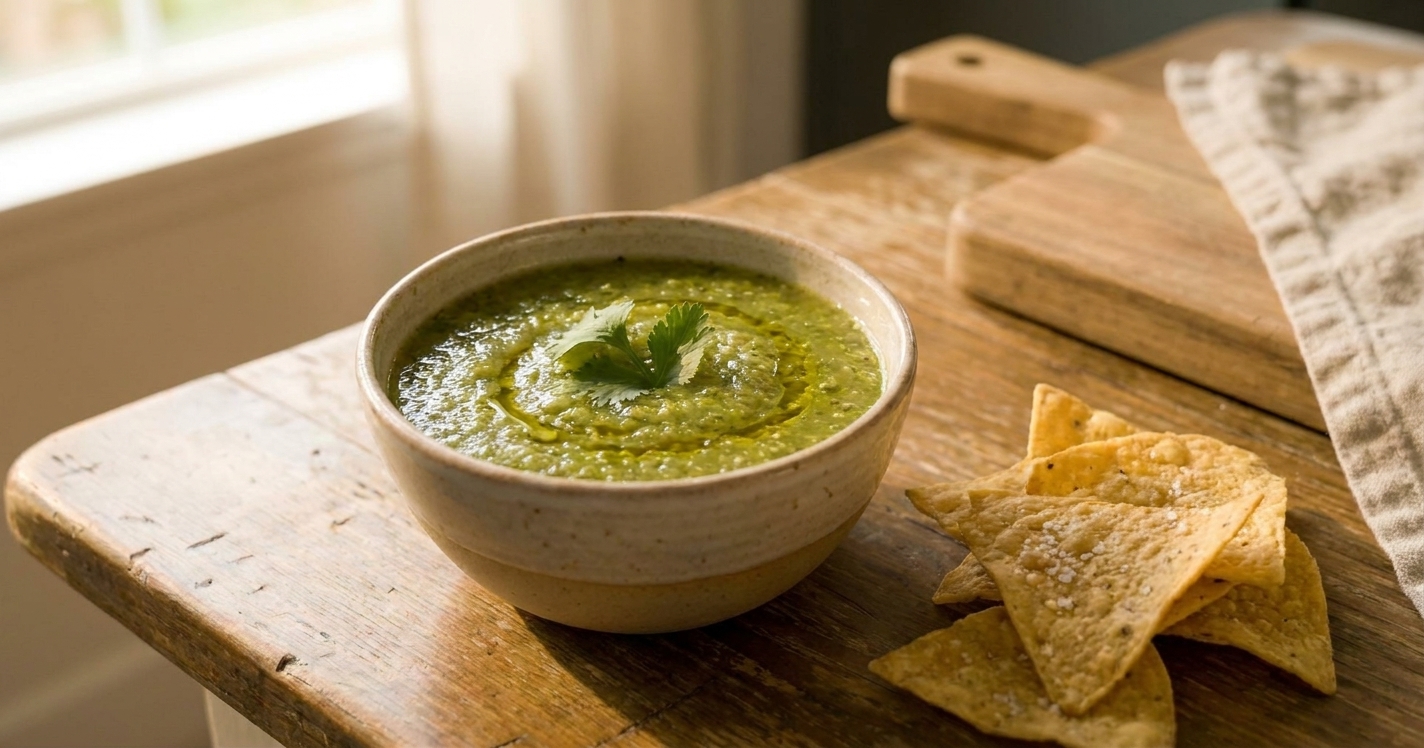
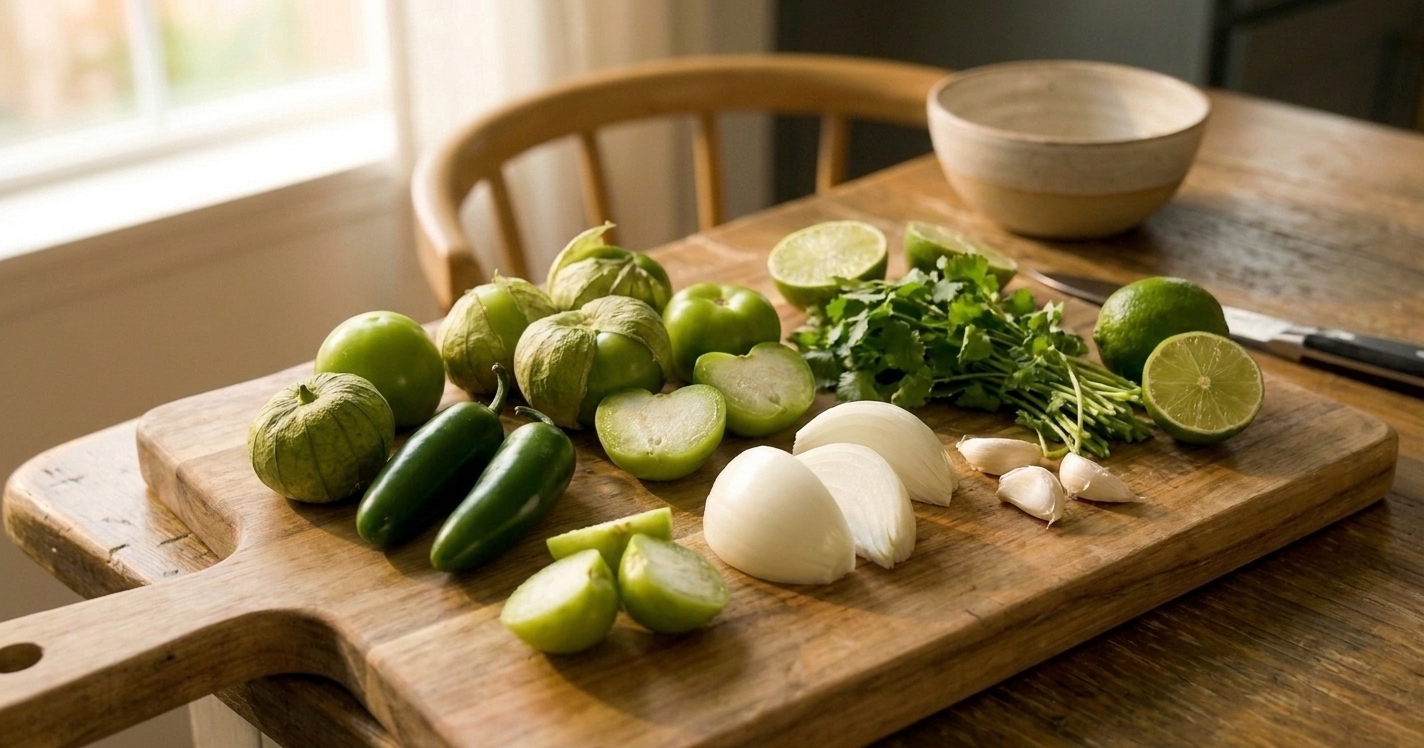
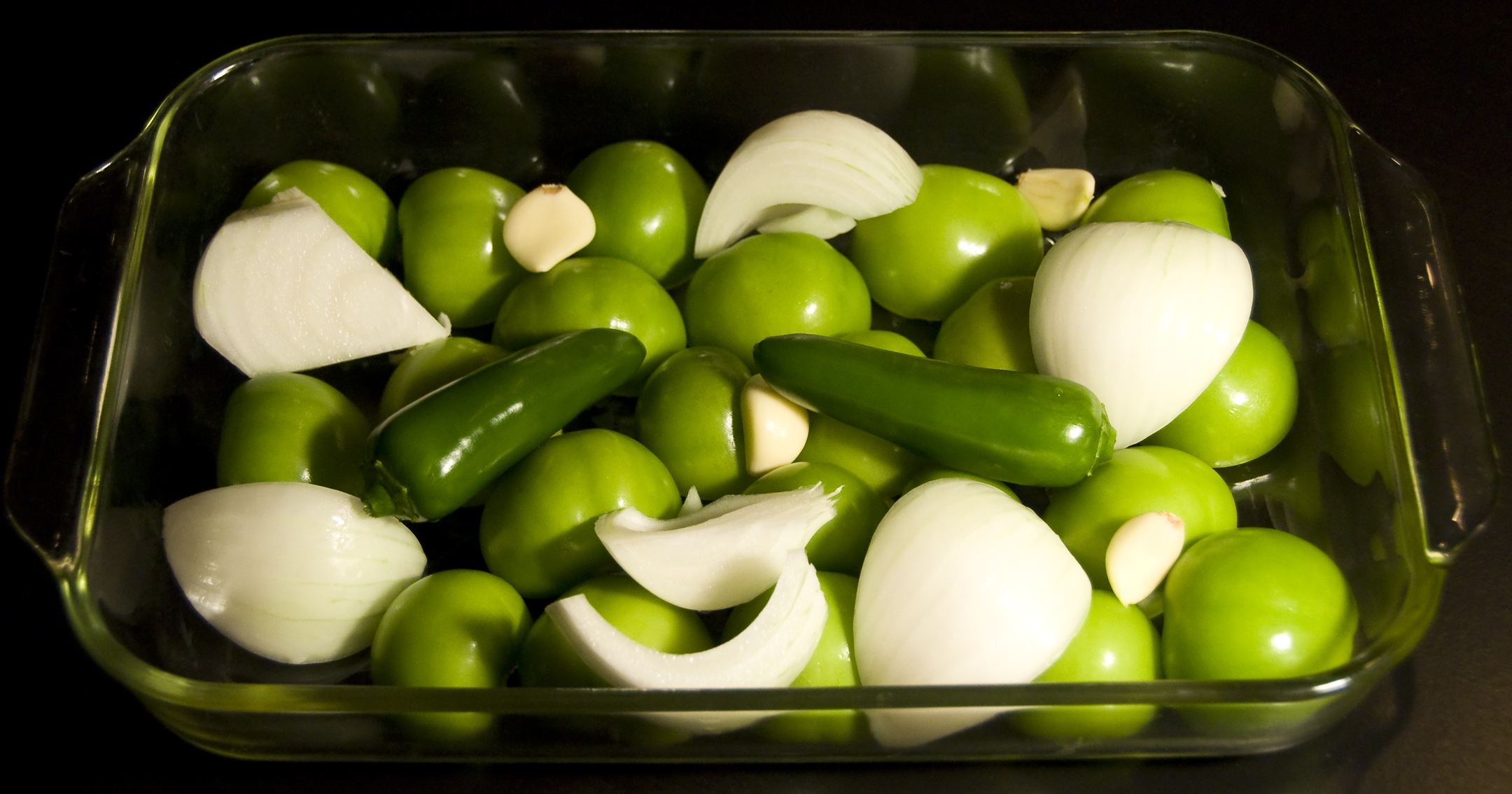
Most often, Mexican salsa verde is made with tomatillos, not green tomatoes. Tomatillos are naturally tangy and come with a papery husk you remove before cooking. That said, home and regional versions can use green tomatoes too, so think of tomatillos as the classic default, not the only way.
Do I have to roast the tomatillos?
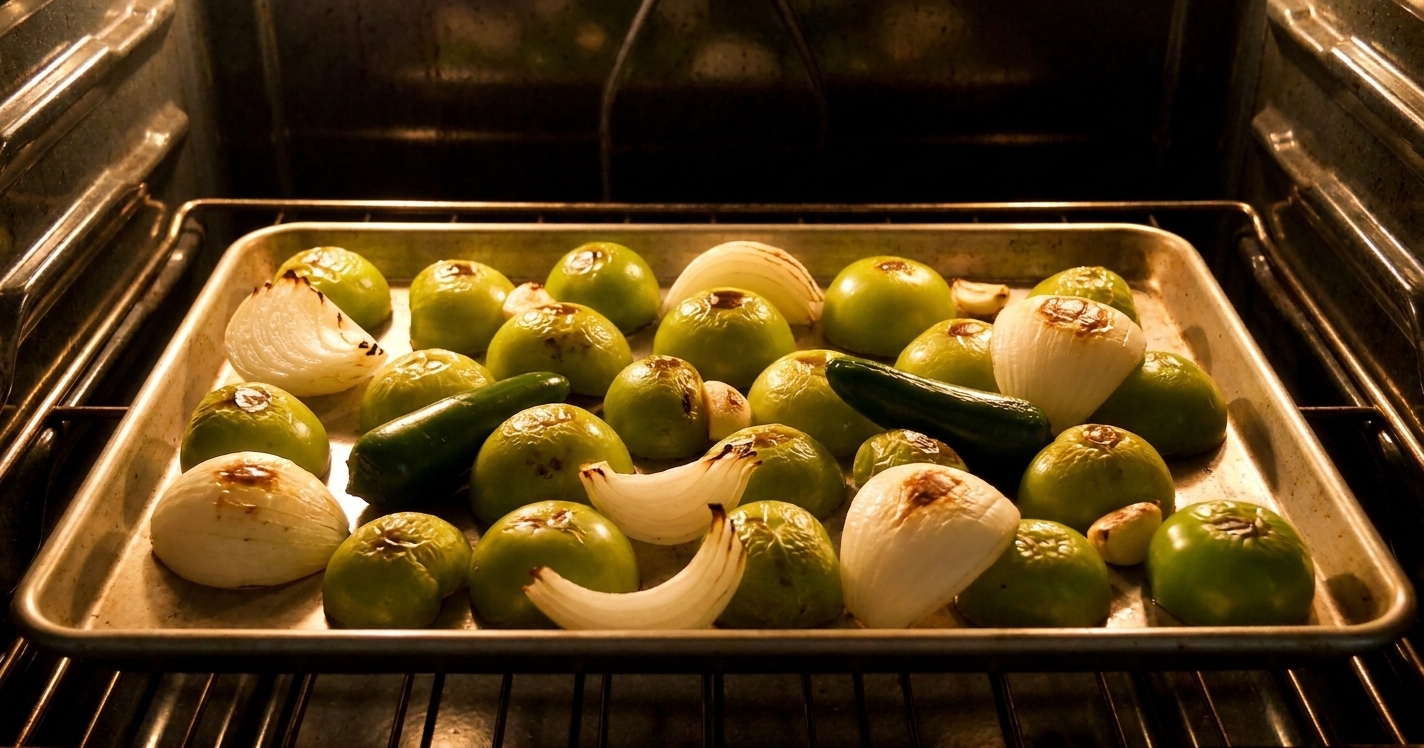
Nope. Roasting gives you a deeper, slightly smoky flavor. If you want a brighter, sharper salsa, simmer the tomatillos instead. You can also make a raw version with fresh, cleaned tomatillos, but it will be extra tart and can read a little astringent.
How do I make it less spicy?
Heat varies a lot from pepper to pepper, so if you are sensitive, start with 1 jalapeño. Remove the seeds and white ribs before blending. You can also swap jalapeño for 1 small poblano for gentler heat.
How do I make it hotter?
Add another jalapeño, keep the seeds, or add 1 serrano. Blend, taste, then decide if you want more. Heat is personal and salsa should respect that.
Why is my salsa bitter?
A few things can do it. Tomatillo astringency (especially in a raw salsa), under-cooked tomatillos, too many cilantro stems (a few are fine, a lot can taste grassy), or over-charred garlic can all push bitter. Fix it by adding another squeeze of lime, a pinch more salt, or a tiny pinch of sugar to round it out. If it is a raw salsa and the bite is aggressive, a quick simmer can mellow it fast.
Why is my salsa watery?
Tomatillos vary. If it is thin, simmer the finished salsa for 3 to 5 minutes to reduce, or blend in a little more roasted tomatillo. For chunkier salsa, pulse instead of fully blending.
Any blender safety tips?
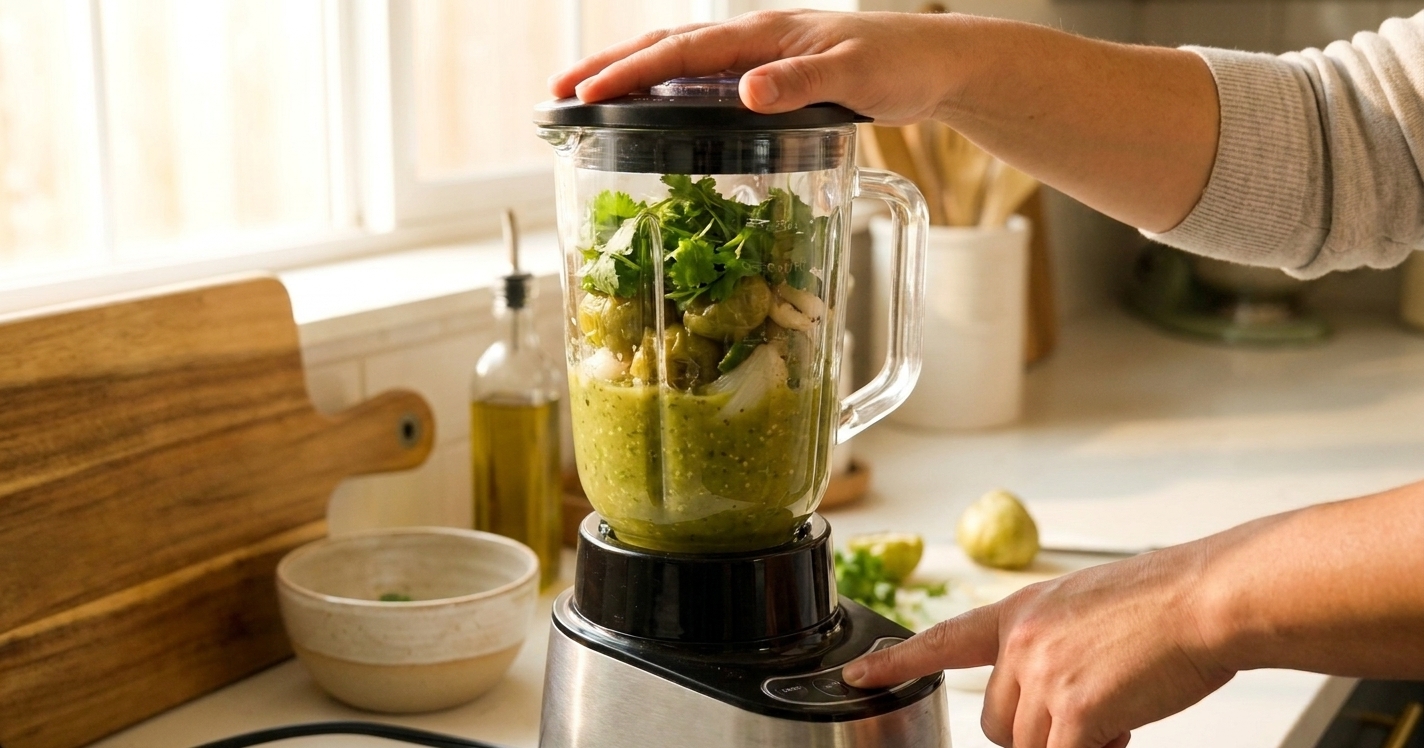
Yes. Blending hot ingredients can build pressure. Let the roasted or simmered vegetables cool for a few minutes, then vent the blender (center cap off with a towel over it) and start on low.