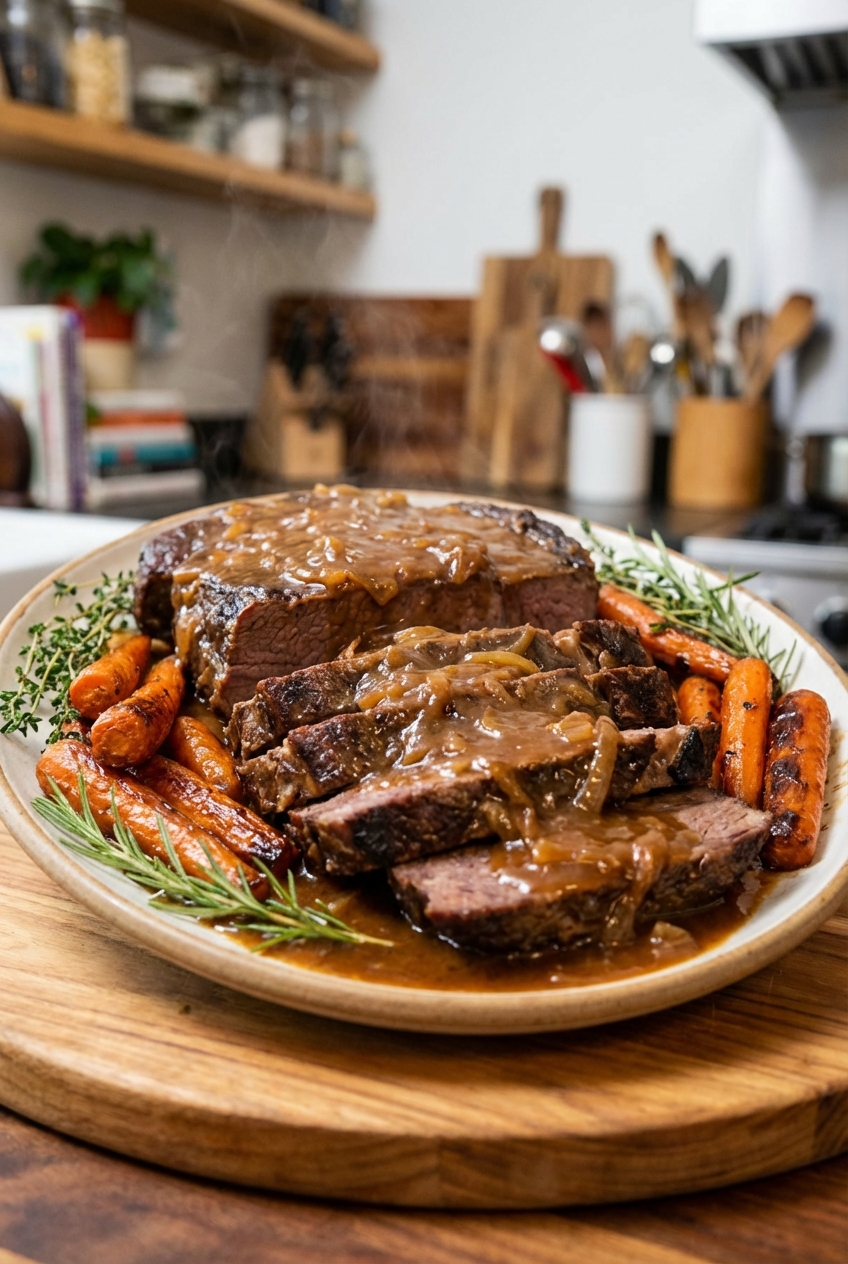
Is chuck roast supposed to be sliced or shredded?
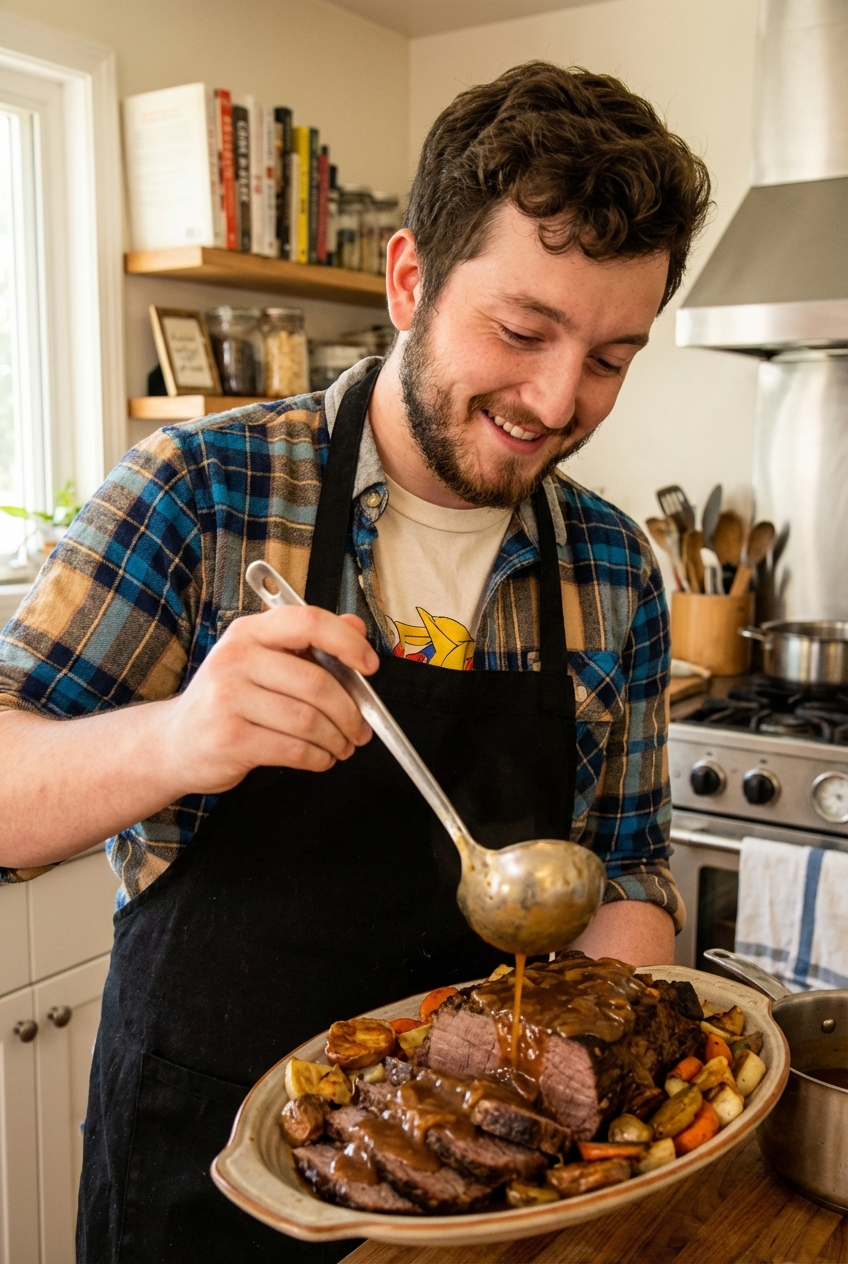
Chuck roast is a braising cut, so it gets tender when you cook it long enough for the collagen to break down. That is often around the 195 F to 205 F range, but for braises, the real test is fork-tender. If a fork twists easily and the meat gives with very little resistance, you are there. At that point, it can be sliced thick-ish (tender slices) or it can shred, depending on how far you take it and how you handle it. If it wants to fall apart, do not fight it. That is dinner.
Do I have to use a Dutch oven?
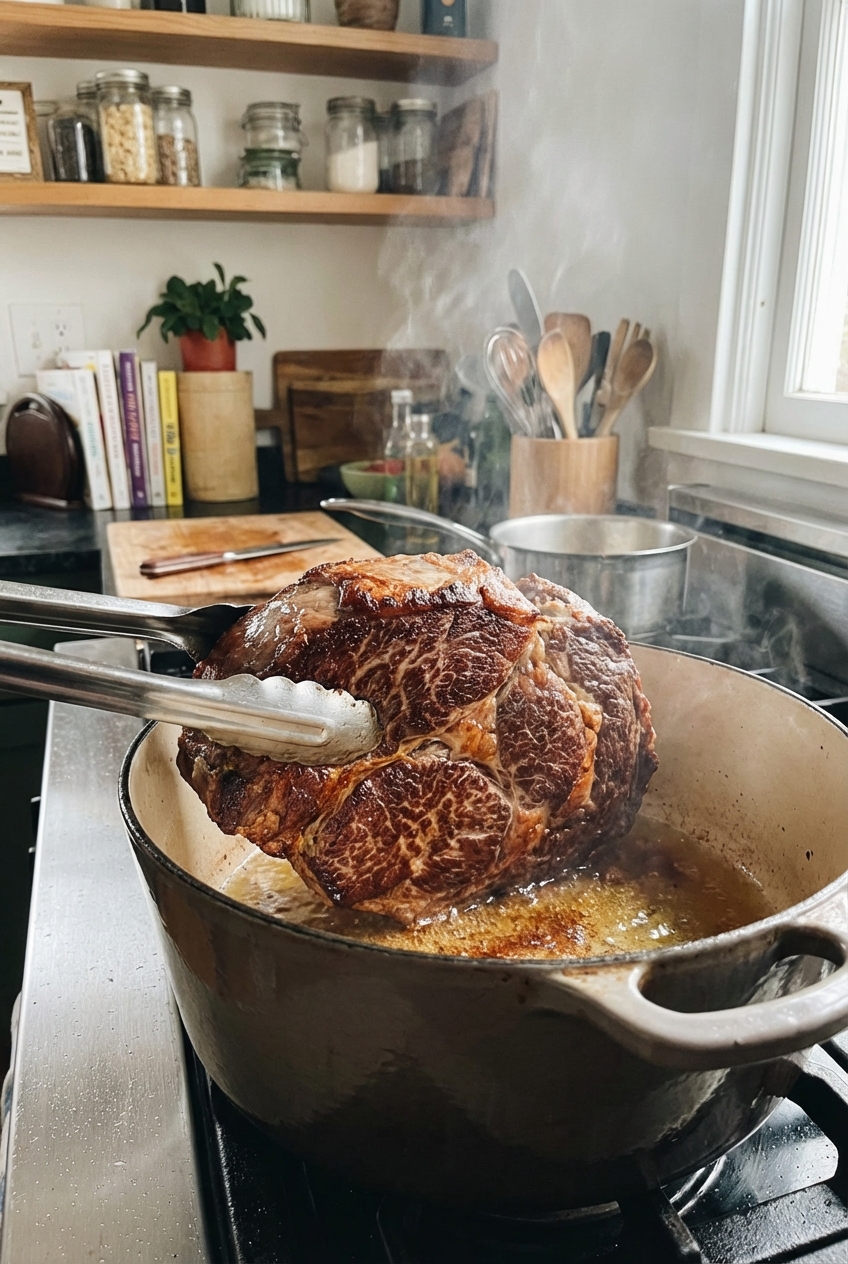
A Dutch oven is ideal for searing and braising, but any heavy, oven-safe pot with a lid works. In a pinch, sear in a skillet and transfer to a covered roasting pan.
What if my roast is tough?
It usually means it needs more time, not less. Chuck can hit safe temperatures and still be chewy. Cover it back up and bake another 20 to 30 minutes, then check again. You are looking for that fork-tender, easy-give feeling.
Will the edges stay crisp?
The deep browning from the sear is non-negotiable for flavor, but a covered braise will soften the exterior. If you want more of that crisped-up vibe at the end, you have options: uncover for the last 20 to 30 minutes of the braise, or briefly broil slices or shredded beef on a sheet pan, then spoon gravy over.
Can I make this in a slow cooker?
Yes. Still sear the roast first for flavor. Then cook on low for 8 to 10 hours or high for 5 to 6 hours. Reduce and thicken the sauce on the stove at the end.
Can I make it faster?
If speed is the whole point, use a pressure cooker or cut the meat into chunks. An Instant Pot version is typically tender in about 60 to 75 minutes at pressure, plus natural release. You still want to sear first for the best flavor.
Can I skip the cornstarch slurry?
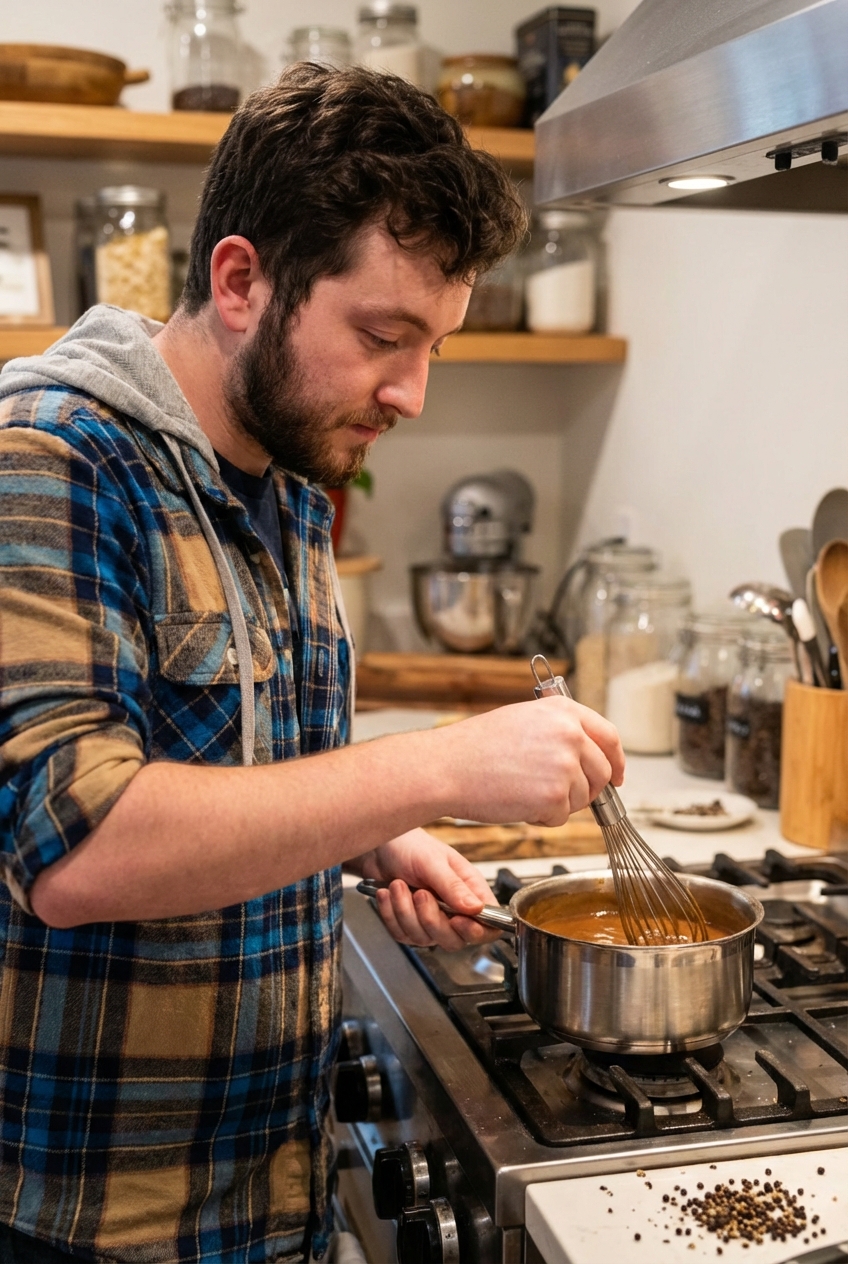
You can. Just reduce the braising liquid longer. It will not be quite as glossy, but it will still taste great.