Mom's Best Recipes
Recipe

Modern Bratwurst Recipe

Quick, juicy bratwurst with crisp edges, a bright mustardy pan sauce, and fast toppings you can actually pull off on a weeknight.

Author By Matt Campbell
4.8
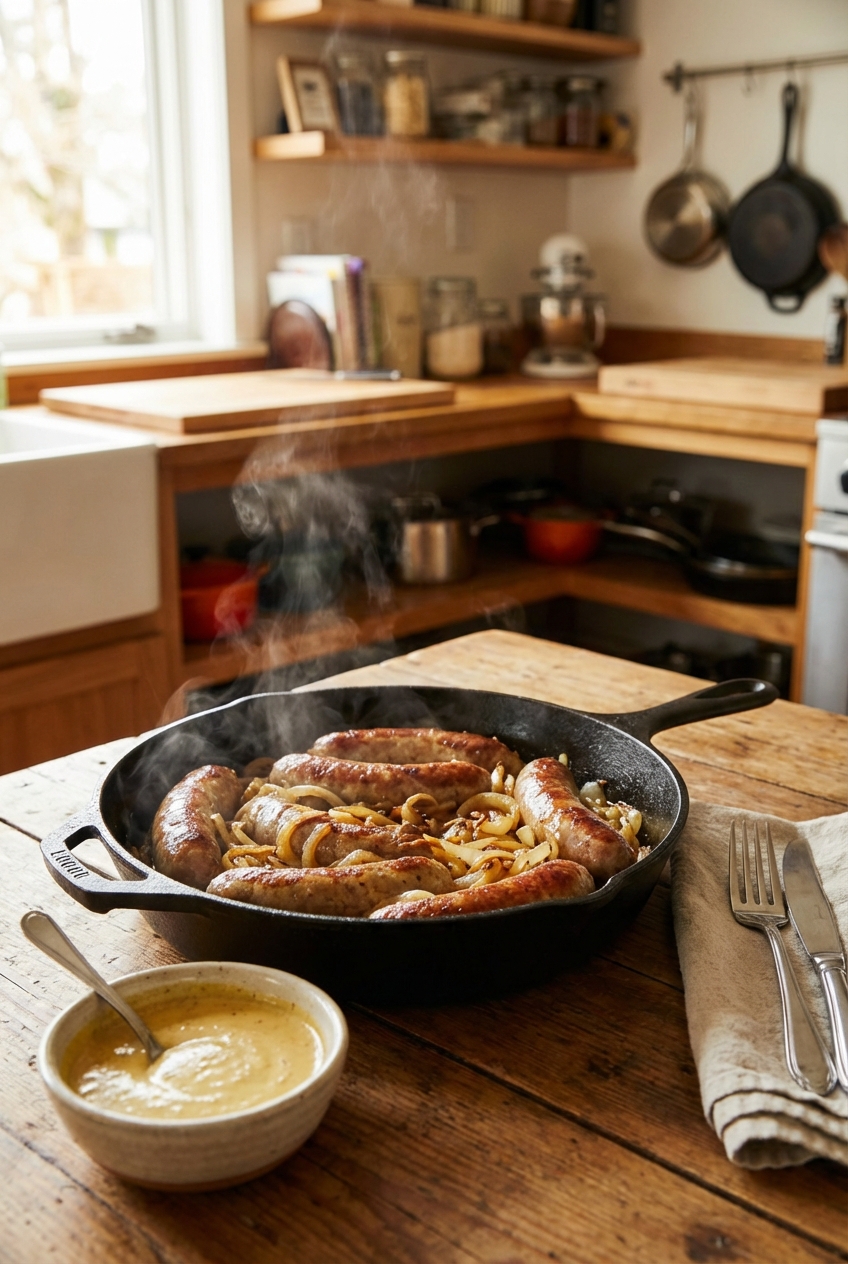
Juicy bratwurst in a skillet with browned onions and a small bowl of mustard pan sauce on a wooden table

Bratwurst has a reputation for being a grill-only, summer-only situation. I disagree. This is the modern, weeknight brat: seared until the casing snaps, finished gently so the inside stays juicy, then dressed up with a quick mustard pan sauce and whatever you have hanging out in the fridge.

No beer bath required. No special equipment. Just a skillet, a few smart moves, and permission to make it your own. The goal here is simple: crisp edges, cozy buns, and flavor that tastes like you tried harder than you did.
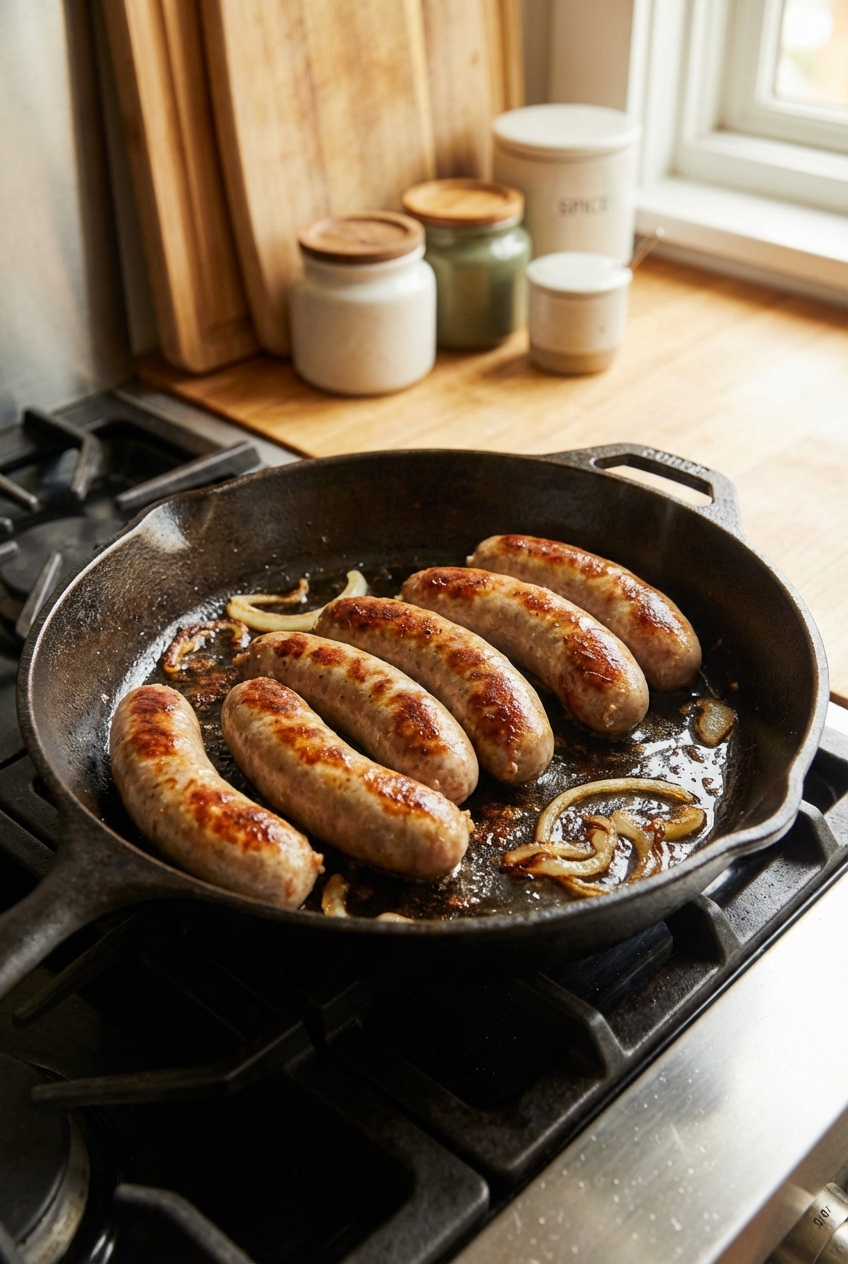
Bratwurst links browning in a cast iron skillet on a stovetop

Why It Works

  • Juicy brats with a real snap: We sear first for color and texture, then steam-finish with a splash of water so they cook through without splitting.
  • One-pan flavor boost: The mustard pan sauce uses the browned bits from the skillet, so it tastes restaurant-y in about 2 minutes.
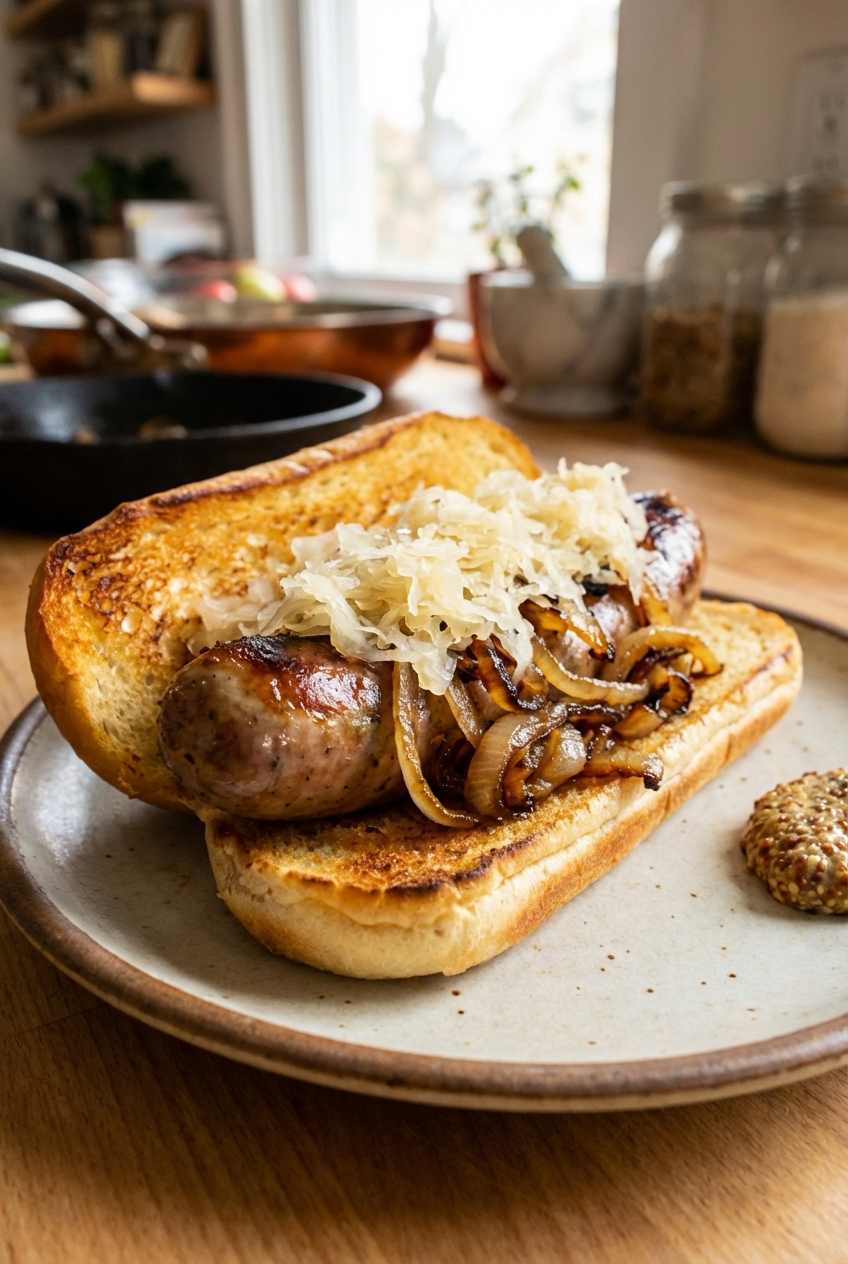
  • Flexible toppings: Go classic with onions and mustard, or modern with pickled jalapeños, sauerkraut, or a crunchy slaw.
  • Weeknight speed: From fridge to plate in about 25 minutes, including toasting buns.

Pairs Well With

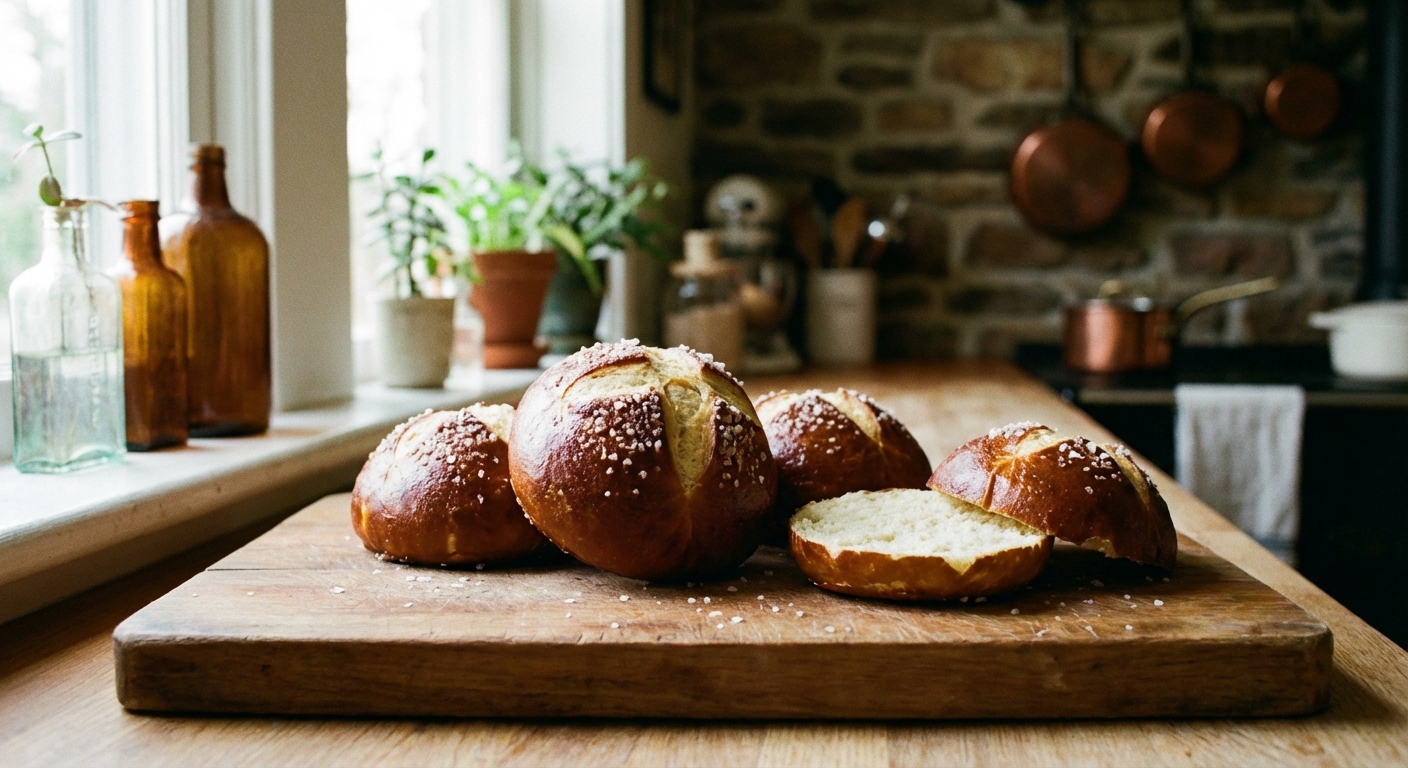
  • Buttery pretzel buns
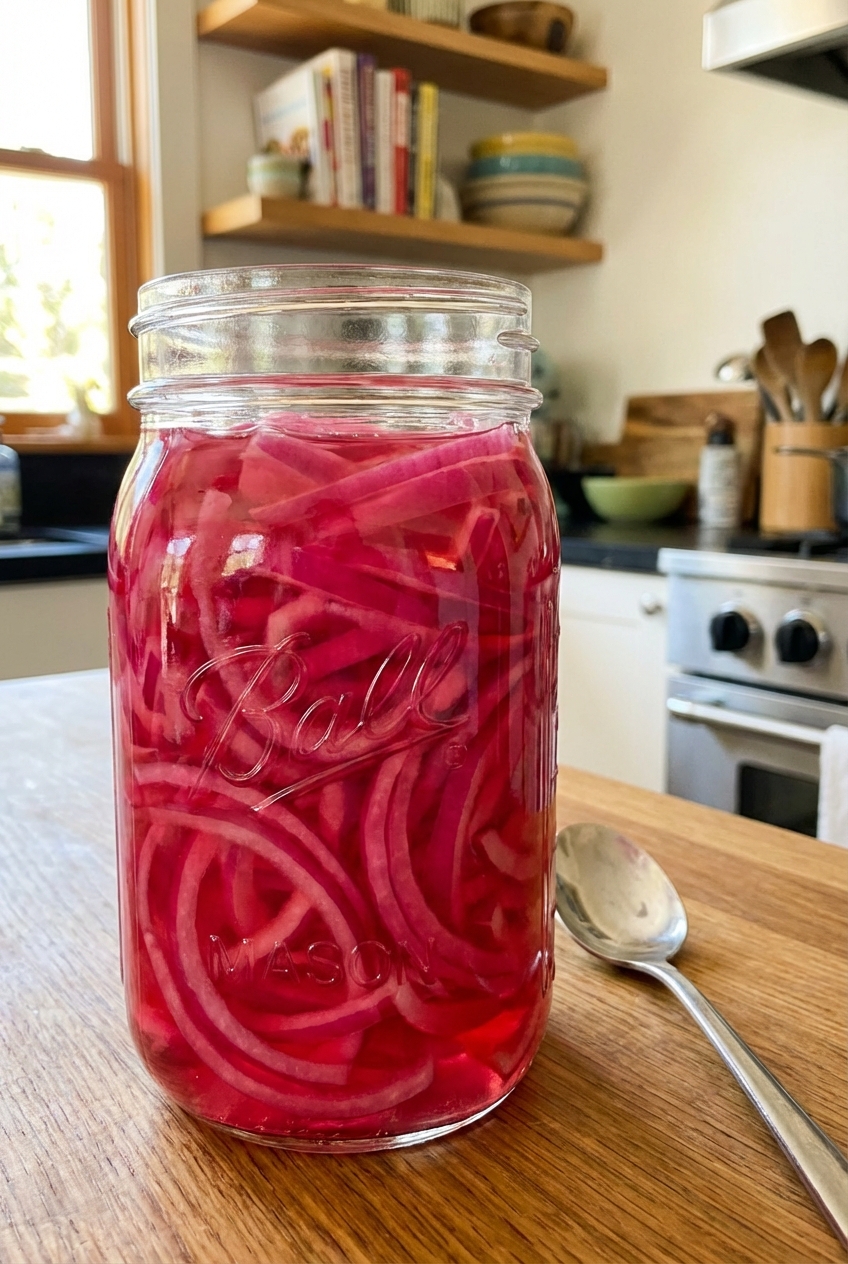
  • Tangy sauerkraut or quick pickled onions
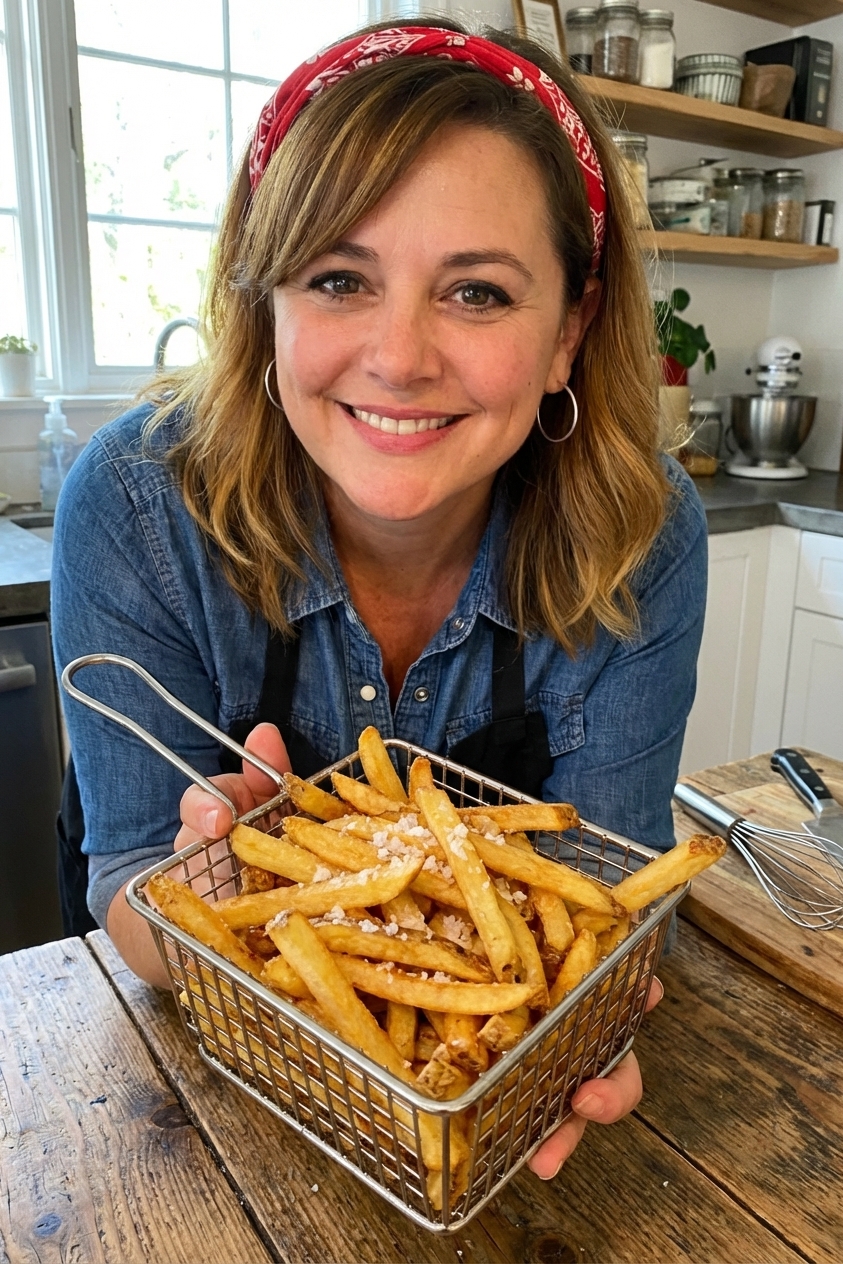
  • Oven fries or skillet potatoes
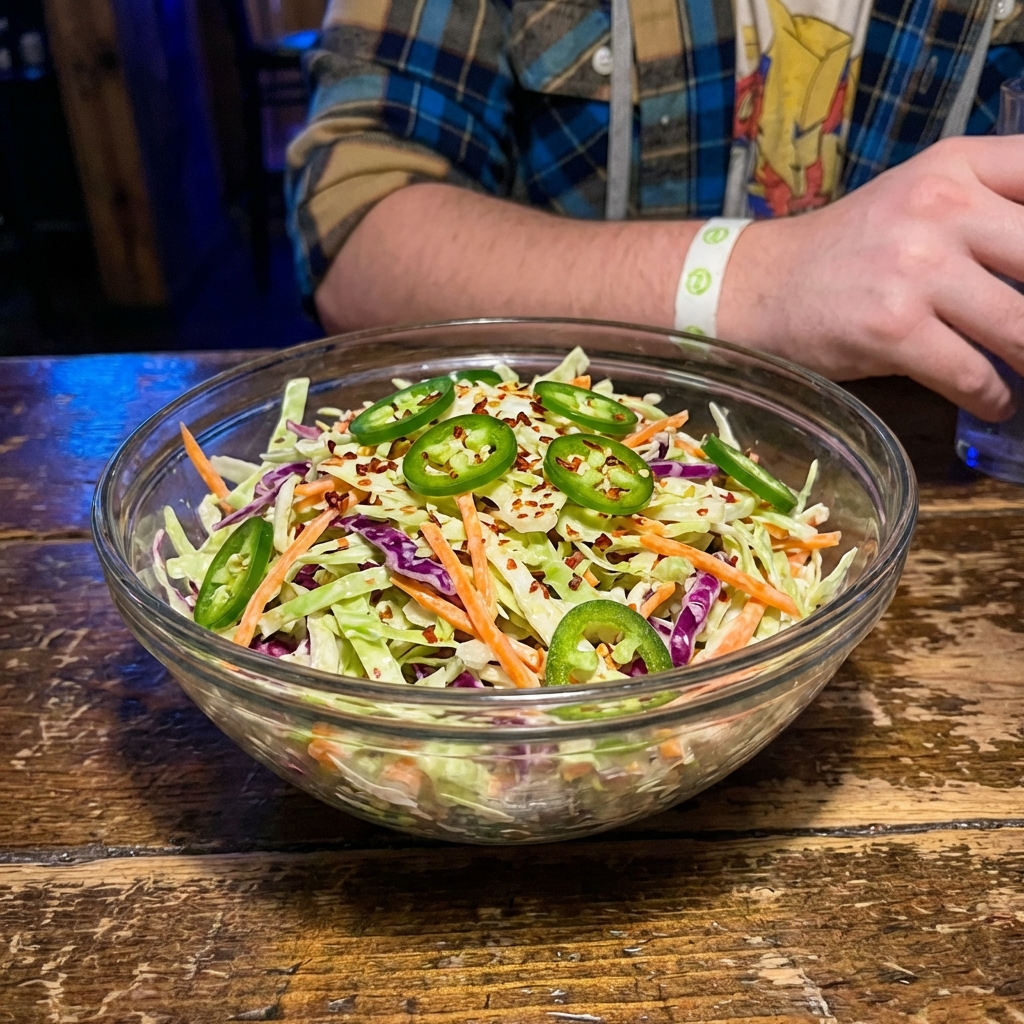
  • Crunchy cabbage slaw with vinegar

Storage Tips

Refrigerate: Cool brats completely, then store in an airtight container for up to 4 days. Store sauce separately if you can.

Freeze: Wrap cooked brats tightly and freeze up to 2 months for best quality (they are safe longer, but texture is best in that window). Thaw overnight in the fridge for best texture.

Reheat without drying out: Slice and warm in a covered skillet with a splash of water, or reheat whole brats in a 325°F oven until hot. If you microwave, cover them and use short bursts so the casing does not get rubbery.

Leftover glow-up idea: Chop a brat, crisp it in a pan, then toss with sauerkraut and a swipe of mustard for a 5-minute “brat bowl” over rice or roasted potatoes.

Common Questions

Do I have to boil brats first?

No. For a modern, fast method, sear them for color, then add a small splash of water and cover. That gentle steam finish cooks them through without bursting the casing.

What internal temperature should bratwurst be?

For fresh pork bratwurst (ground meat), a common and reliable target is 160°F internal temperature. For chicken or turkey brats, aim for 165°F, or follow the package if it gives a specific target.

Can I use beer instead of water?

Yes. Swap the water for beer if you want, but keep it to a small amount and avoid a raging boil. Beer can taste bitter if you reduce it too hard. Think gentle steam, not aggressive simmer.

Why did my brats split?

Usually high heat for too long. Sear for color, then lower the heat and finish covered. Also, do not stab them. You want those juices inside the party.

What brats should I buy?

Any fresh, uncooked bratwurst works. Classic pork is great, but smoked brats, cheddar brats, or chicken brats all play nicely with the mustard sauce. If they are pre-cooked, shorten the covered steaming step to just heat through, and aim for about 140 to 145°F (or the package direction).

I started making brats in a skillet when I was chasing that “cook like a pro” payoff without committing to a full backyard production. One night I had brats, a sad onion, and mustard. I browned everything hard, added a splash of water to finish, then stirred mustard into the pan like I meant to do it all along. It was messy, fast, and honestly perfect. Now it is my go-to when I want something cozy but still sharp enough to make you sit up and take notice.