Mom's Best Recipes
Recipe

Modern Crab Cakes

Crispy-edged, mostly-crab cakes with a bright lemony sauce and weeknight-friendly steps.

Author By Matt Campbell
4.8
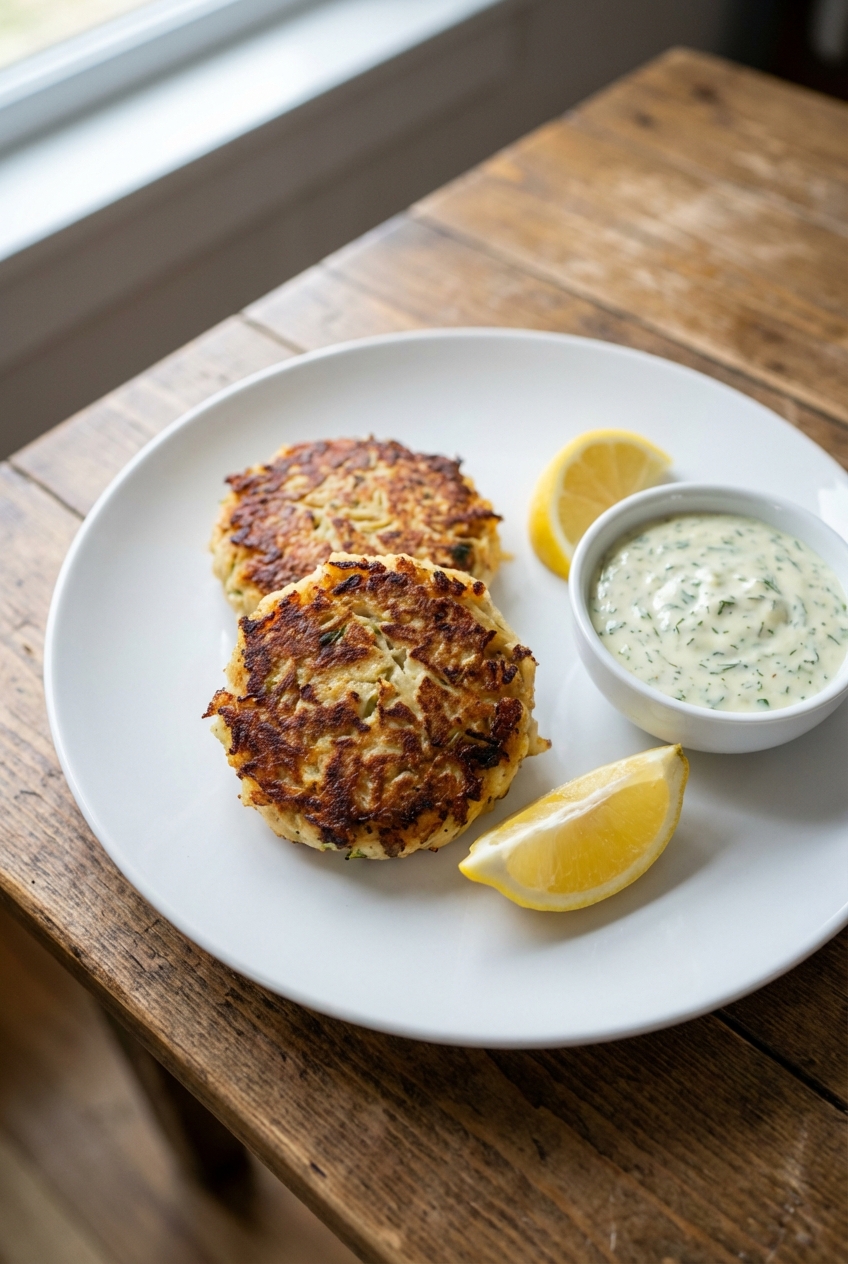
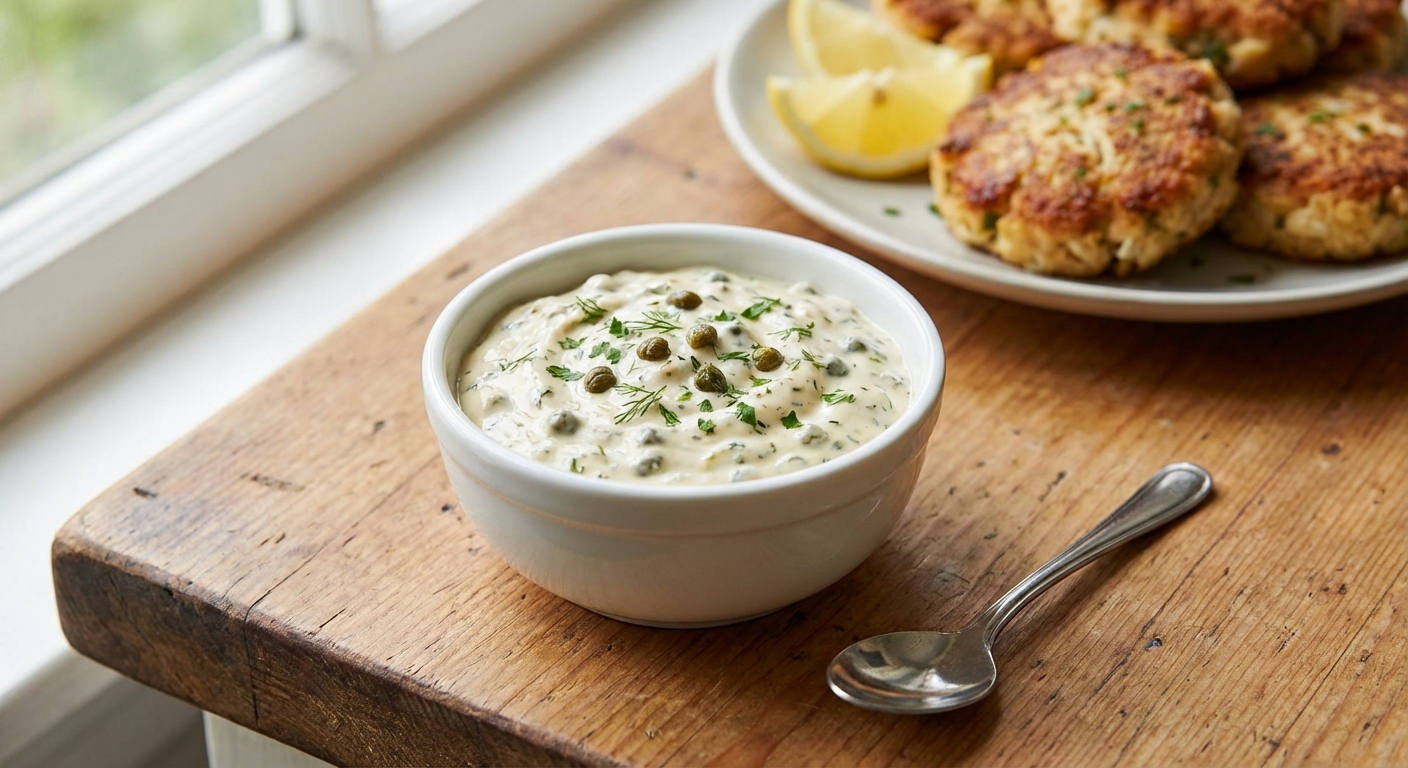
Two golden crab cakes on a white plate with a lemon wedge and a small bowl of creamy herb sauce on a wooden table

Crab cakes have a reputation. They sound fancy, they look restaurant-y, and somehow they always come with anxiety about falling apart in the pan. Here is the modern fix: less filler, more crab, a binder that actually works, and a quick chill that turns “hope and prayer” into “crispy, confident flip.”

These are bright and savory, with crisp edges and a tender center. Think: sweet crab, a little Dijon zip, fresh herbs, and just enough panko to keep everything together without turning it into a crab-flavored bread ball. We finish with a fast lemony sauce that takes the whole thing from good to “why did we not do this sooner?”
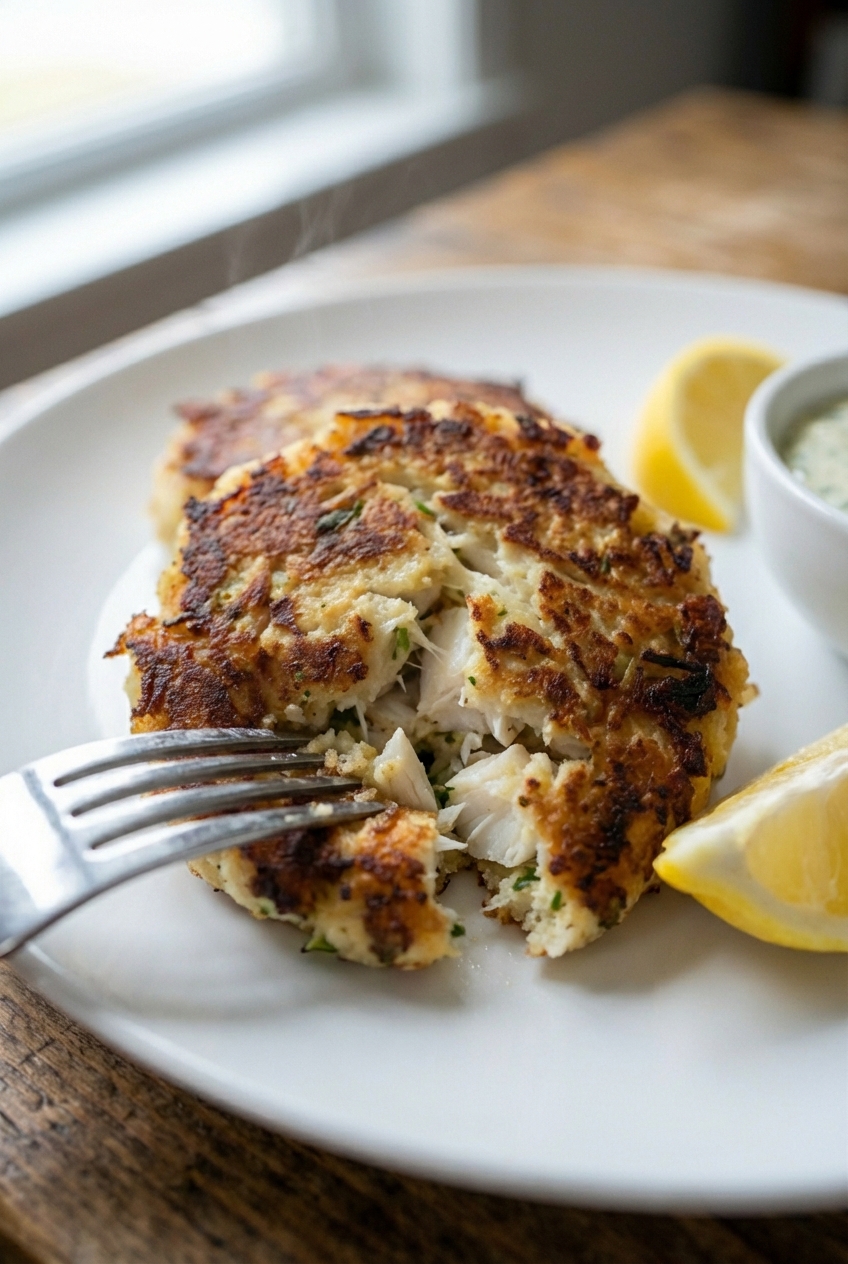
A close-up of a crab cake being cut with a fork, showing chunky crab inside and crisp browned crust

Why It Works

  • Mostly crab, not filler: A light touch of panko and mayo keeps the texture plush, not bready.
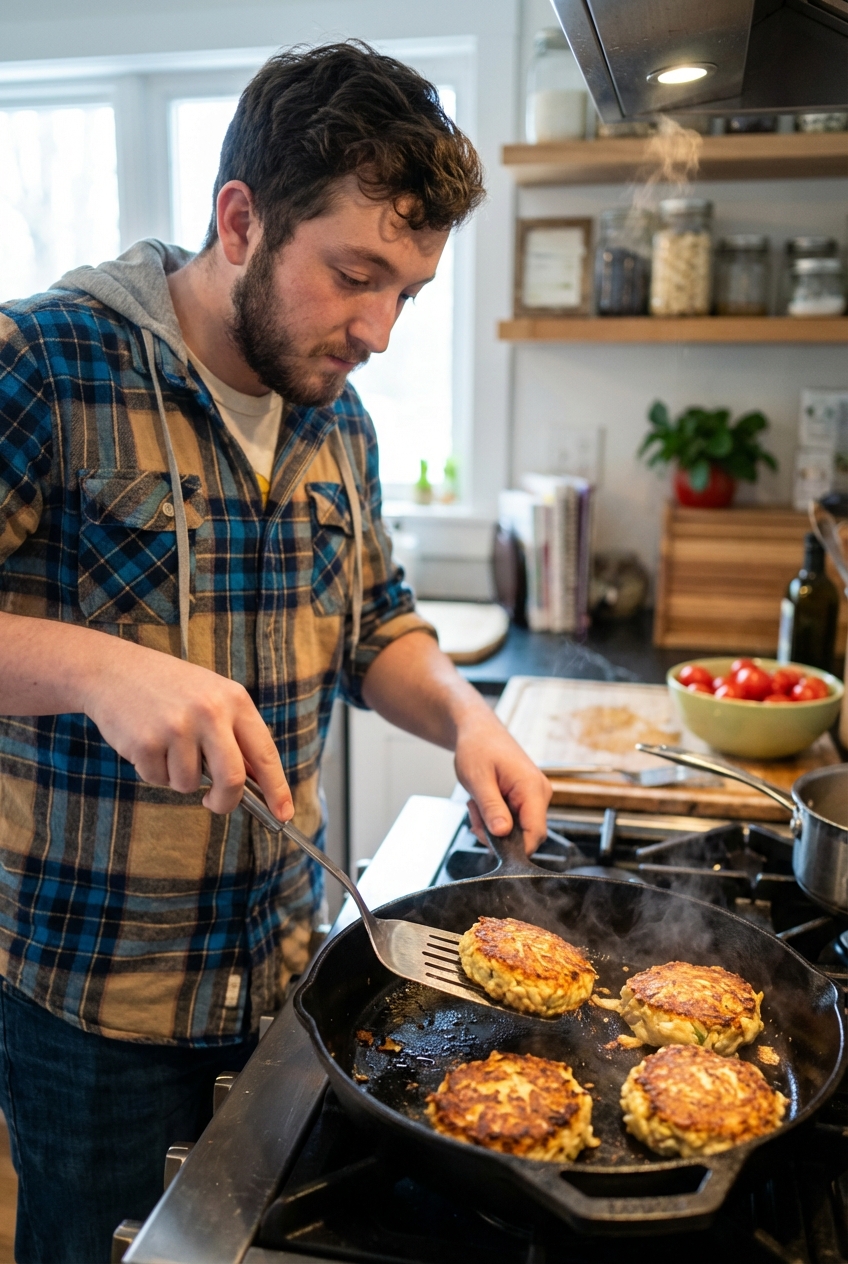
  • Quick chill = clean flip: Ten minutes in the fridge firms the cakes so they sear instead of slumping.
  • Modern flavor pop: Dijon, lemon zest, and herbs add brightness without drowning out the crab.
  • Crisp edges, gentle center: A hot skillet and a little patience gives you that golden crust that makes crab cakes worth it.

Pairs Well With

Storage Tips

Refrigerate: Store cooked crab cakes in an airtight container for up to 3 days. Place parchment between layers to protect the crust.

Reheat (best method): Warm in a 400°F oven or air fryer for 6 to 10 minutes until hot and crisp. A skillet works too, use medium heat with a tiny splash of oil.

Freeze: Freeze uncooked crab cakes on a parchment-lined sheet until solid, then transfer to a freezer bag for up to 2 months. Thaw overnight in the fridge before cooking.

Cook from frozen (no thaw): For the most reliable results, bake from frozen at 425°F for 16 to 20 minutes (smaller cakes) until browned and hot in the center, then broil 1 to 2 minutes if you want more color. If pan-frying from frozen, keep heat at medium, add a little extra oil, and expect 4 to 5 minutes per side. If the outsides brown too fast before the center heats through, lower the heat and cover the pan for 1 to 2 minutes.

Sauce storage: Keep the lemony sauce separate and refrigerated for up to 3 to 4 days. Stir before serving.

Common Questions

What kind of crab should I use?

Jumbo lump is the dream for big, sweet chunks. Lump is still excellent and often more budget-friendly. If you use claw meat, the flavor is great but the texture is finer, so be extra gentle when mixing.

Can I use canned crab?

Yes. Drain it well, pick it over for shells, and pat dry. Extra moisture is the enemy of crisp edges.

Why did my crab cakes fall apart?

Usually one of three things: too much crab liquid, not enough binder, or you skipped the chill. Make sure the mixture feels like it can hold a patty, then chill 10 minutes before cooking. Also, do not flip early. Let that first side brown and set.

Can I bake them instead of pan-frying?

Absolutely. Brush the tops lightly with oil and bake at 425°F for 12 to 15 minutes, then broil for 1 to 2 minutes for color. Pan-frying gives the crispest crust, but baking is hands-off and tidy.

Is this spicy?

Not as written. Add more hot sauce or a pinch of cayenne if you want heat.

How do I keep the crab chunks intact?

Mix the binder first, then fold in the crab with a light hand. Think “tossing clouds,” not “stirring concrete.”

How do I know they are done?

You are aiming for cakes that are browned on both sides and hot in the center. If you want a number, use an instant-read thermometer and look for about 145°F in the middle.

I used to think crab cakes were a “special occasion only” food, mostly because I was convinced they would either crumble into seafood confetti or come out weirdly bready. The turning point was treating them like a team project: give the binder a head start, fold the crab in like you actually respect it, then let the fridge do ten minutes of quiet leadership. Now these are my go-to when I want dinner to feel like a little flex without turning my kitchen into a full-time job.