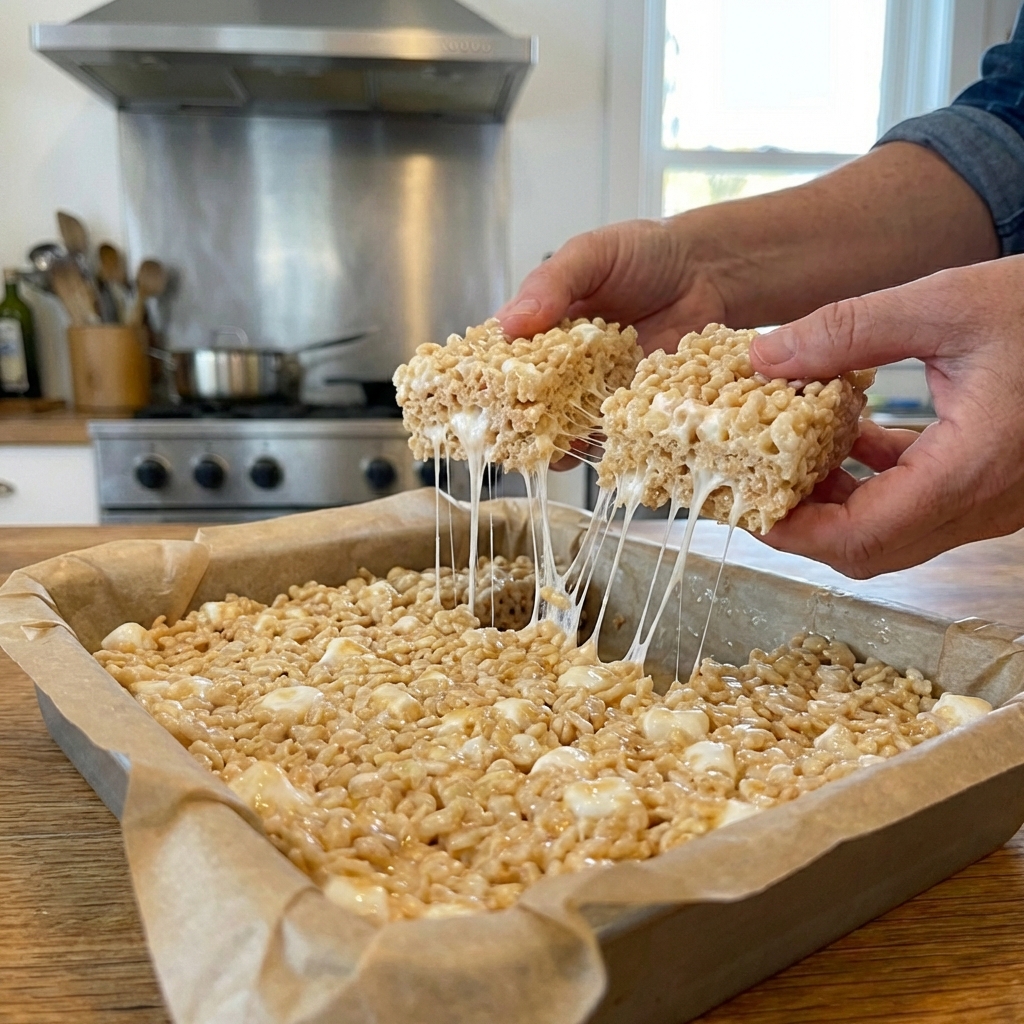
Do I need a candy thermometer?
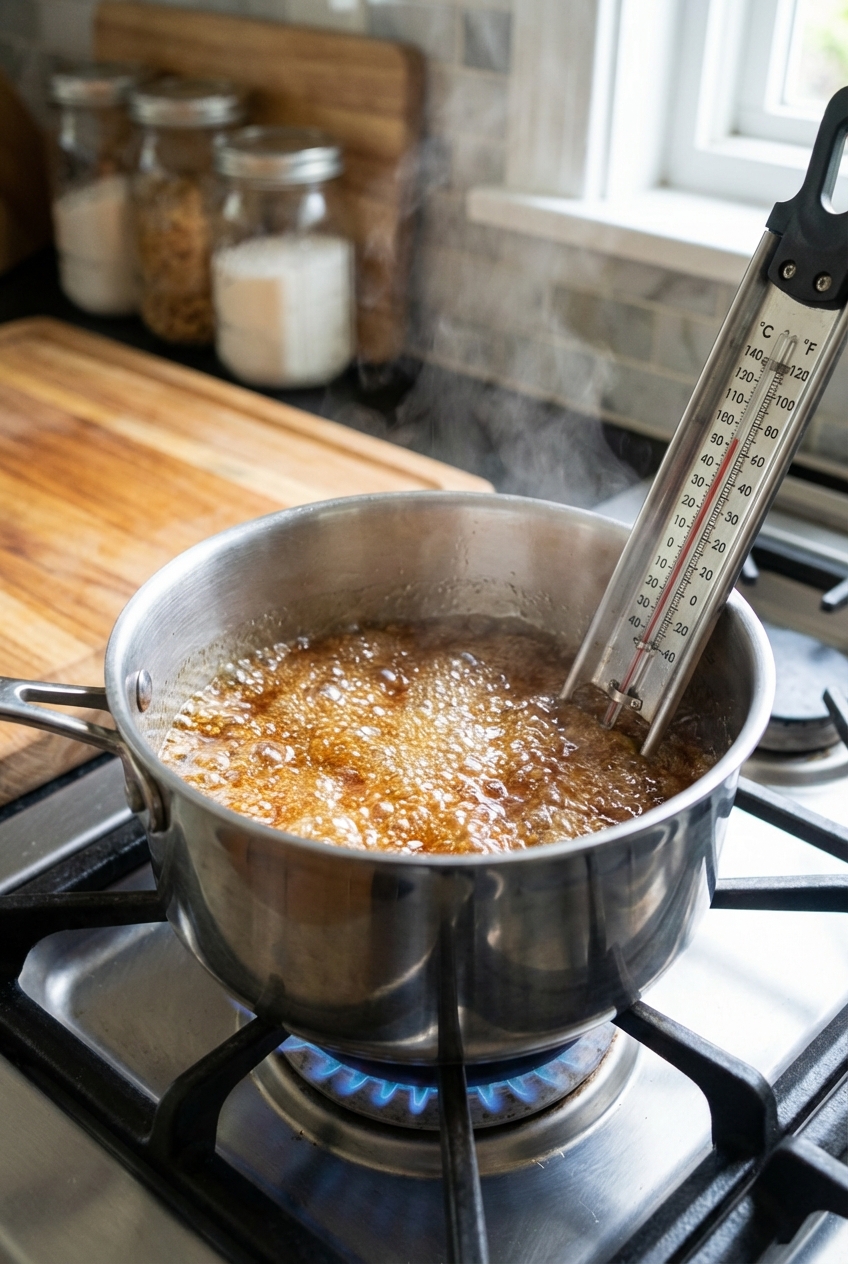
It is strongly recommended. Marshmallows are one of those sweets where temperature equals texture. A simple clip-on thermometer is perfect and not pricey.
What syrup temperature should I aim for?
For a softer, more cloud-like marshmallow, cook the syrup to 240°F. For a slightly bouncier, more classic chew, go to 245°F. Both work. Your exact thermometer accuracy and your kitchen humidity can nudge the final texture, so treat 240 to 245°F as the sweet spot.
Why did my marshmallows turn out wet or weepy?
Usually one of three things: your syrup did not reach temp, your marshmallows did not set long enough, or your kitchen is humid. Next time, hit 240 to 245°F, let them set overnight, and dust generously.
Why didn’t my marshmallows whip up (or stayed runny)?
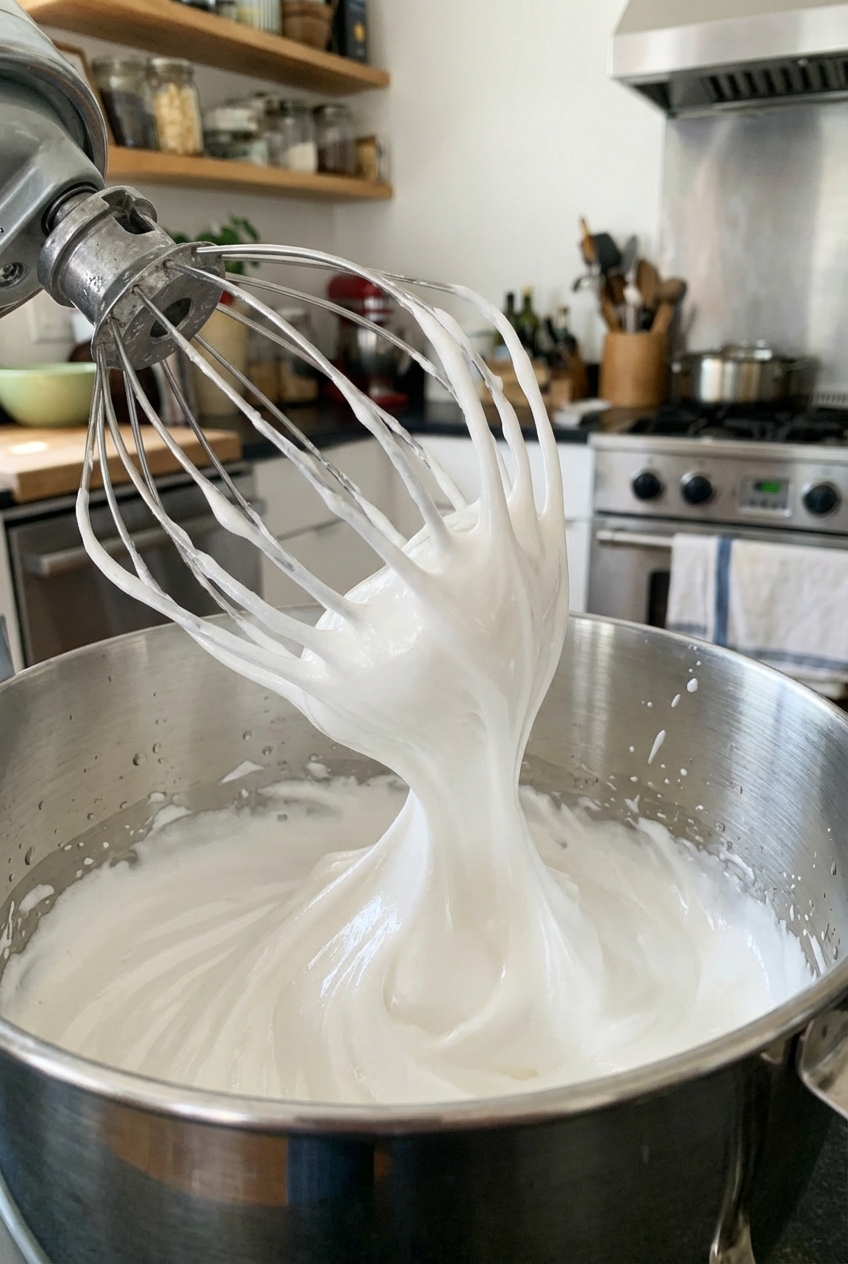
Common culprits: under-temp syrup, old/weak gelatin, or not whipping long enough. Make sure the syrup reaches at least 240°F, your gelatin blooms into a firm, spongy mass (not watery), and you whip until the mixture is thick, glossy, and holds its shape. Also, avoid adding extra water or flavor liquids unless you know the formula can handle it.
Can I make these without corn syrup?
Yes. This recipe is designed for honey or light corn syrup. Honey helps prevent crystallization similar to corn syrup, with a slightly more flavorful finish.
Can I use gelatin sheets instead of powder?
Yes, but sheets vary by brand and strength. The safest approach is to use about 14 g gelatin by weight total. Depending on the sheets you have, that is often about 5 to 7 sheets. Bloom sheets in cold water, squeeze out excess, then add them where the bloomed powdered gelatin would go.
How do I add flavors?
Add extracts at the end of whipping. Start small. For example: peppermint (1/4 to 1/2 tsp), almond (1/4 tsp), or espresso powder (1 to 2 tsp dissolved in a tiny splash of hot water).