Mom's Best Recipes
Recipe

Modern Pork Chops (Quick & Tasty)

Juicy, pan-seared pork chops with crisp edges and a fast lemon-garlic pan sauce you will want to spoon over everything.

Author By Matt Campbell
4.8
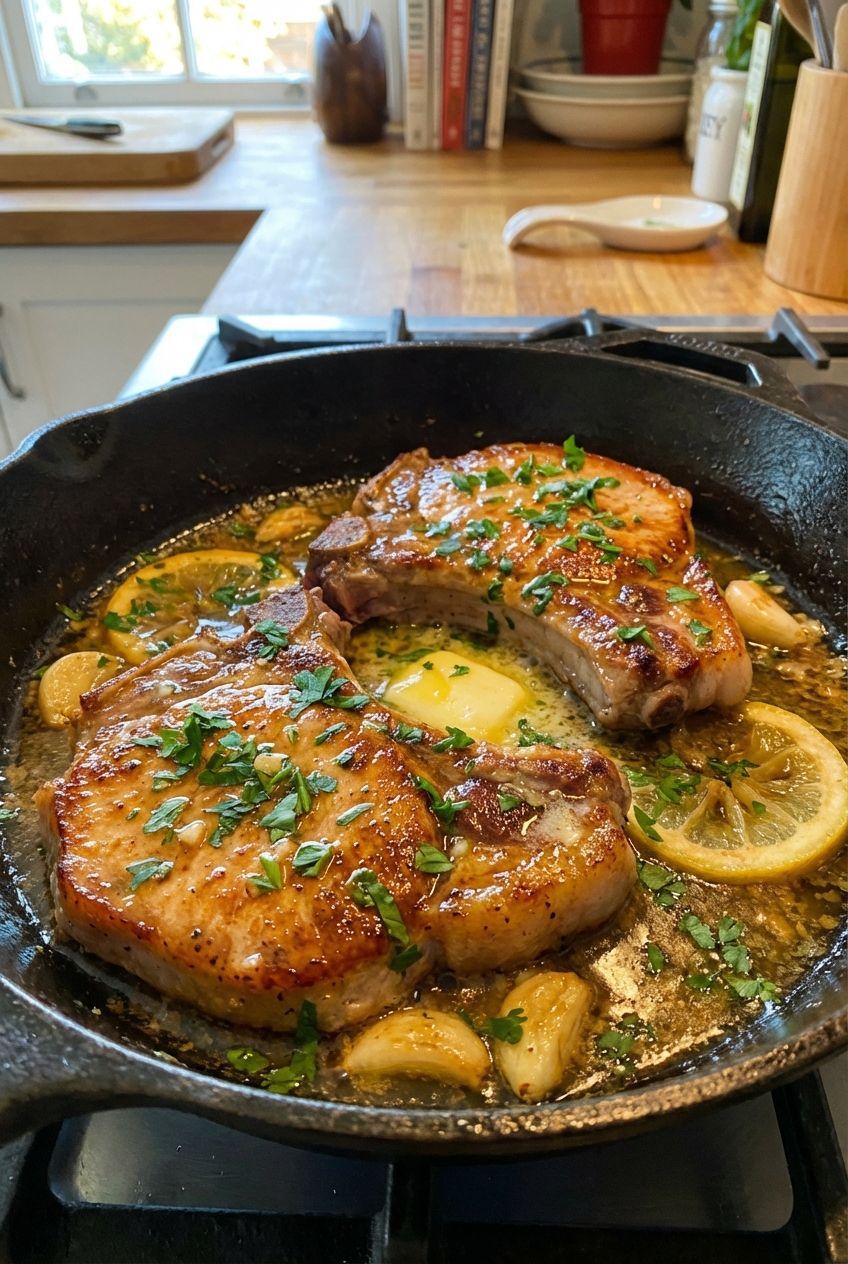
Two golden-brown pan-seared pork chops in a skillet with a glossy lemon-garlic pan sauce and chopped parsley

Pork chops have a reputation problem. Most of us grew up with chops that were either dry, bland, or both, which is honestly impressive in the worst way. This is the modern fix: a hard sear for crisp edges, a gentle finish so the inside stays juicy, and a bright pan sauce that tastes like you tried way harder than you did.

This is weeknight cooking with a little swagger. We are talking accessible ingredients, clear steps, and a sauce you can rescue or remix depending on what is in your fridge. If you can heat a skillet and trust your thermometer (and a timer for the sear), you can nail these.
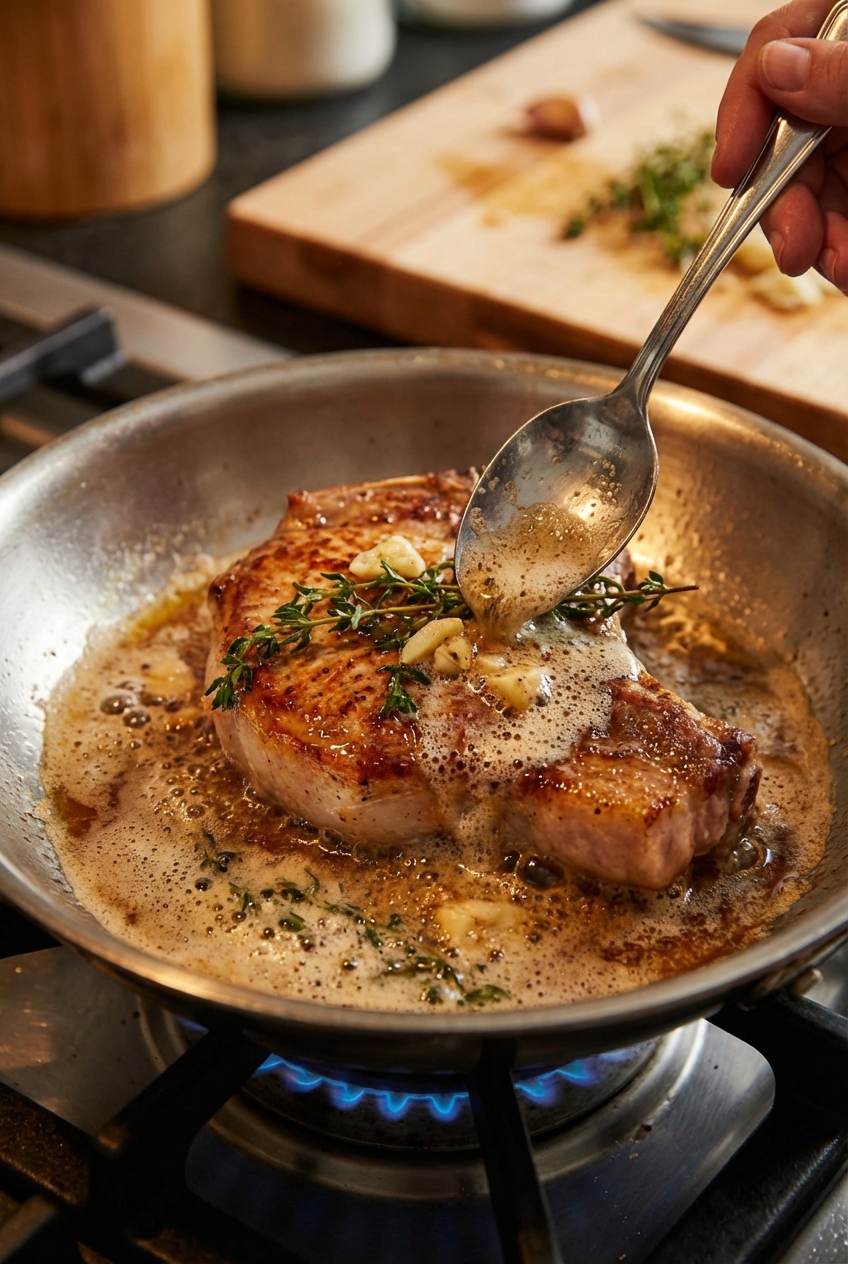
A close-up of a pork chop being basted with foamy butter and herbs in a stainless steel pan

Why It Works

  • Juicy pork, not sawdust: We cook to temperature, not vibes, and we let the chops rest so they stay moist.
  • Crisp, flavorful crust: A dry surface, high heat, and a little patience get you that golden edge.
  • Fast pan sauce with big payoff: Lemon, garlic, and a quick butter finish turn the browned bits into a glossy, bright sauce.
  • Flexible for real life: Works with boneless or bone-in, and the sauce plays nice with herbs you already have.

Pairs Well With

Storage Tips

Refrigerate: Store pork chops and sauce in an airtight container for up to 3 to 4 days. If you can, keep a little sauce on the chops so they stay moist.

Freeze: Freeze cooked chops for up to 2 months. Wrap individually, then place in a freezer bag. The sauce can be frozen too, but butter-based sauces may separate a bit. It still tastes good.

Reheat without drying out: Warm chops in a covered skillet over low heat with a splash of water or broth, 3 to 6 minutes, flipping once. Or microwave at 50% power in short bursts with a spoonful of sauce on top.

Leftover move: Slice thin and toss into a salad, fried rice, or a quick sandwich with mustard and pickles.

Common Questions

How do I keep pork chops from drying out?

Two rules: do not overcook, and do not skip the rest. For whole cuts of pork, the target is 145°F in the thickest part, followed by a rest of at least 3 minutes. If you like a little carryover magic, you can pull them at 140 to 142°F and let them coast up to 145°F while they rest (I usually rest 3 to 5 minutes). Resting helps the meat hold onto its juices better when you slice.

Do I need a meat thermometer?

You can cook without one, but a thermometer is the easiest way to make pork chops consistently juicy. It is the smallest upgrade with the biggest payoff.

Can I use bone-in chops?

Yes. Bone-in chops are a little more forgiving and often more flavorful. They usually take a few extra minutes. Sear the same way, then finish on lower heat (or in the oven) until they hit temp.

What thickness works best?

1 to 1 1/2 inches is the sweet spot for a great sear without overcooking the center. Thin chops cook fast and can go from juicy to dry in a blink.

Can I make this dairy-free?

Yes. Swap butter for olive oil, and skip the final butter swirl. The sauce will be a little lighter and less glossy, but still bright and delicious.

My sauce tastes too sour or too salty. How do I fix it?

If it is too sour, whisk in a little more butter or a small pinch of sugar or honey. If it is too salty, add a splash of unsalted broth or water and another squeeze of lemon to rebalance.

I started making pork chops like this when I realized my “season, sear, pray” method was not a method. One night I pulled a couple chops early, made a quick lemony pan sauce, and suddenly dinner tasted like it had a plan. Now it is my go-to when I want something that feels a little grown-up, but still fits into real-life energy levels. Crisp edges, cozy sides, and a sauce that makes you drag bread through the pan even if you swore you were not going to.