Mom's Best Recipes
Recipe

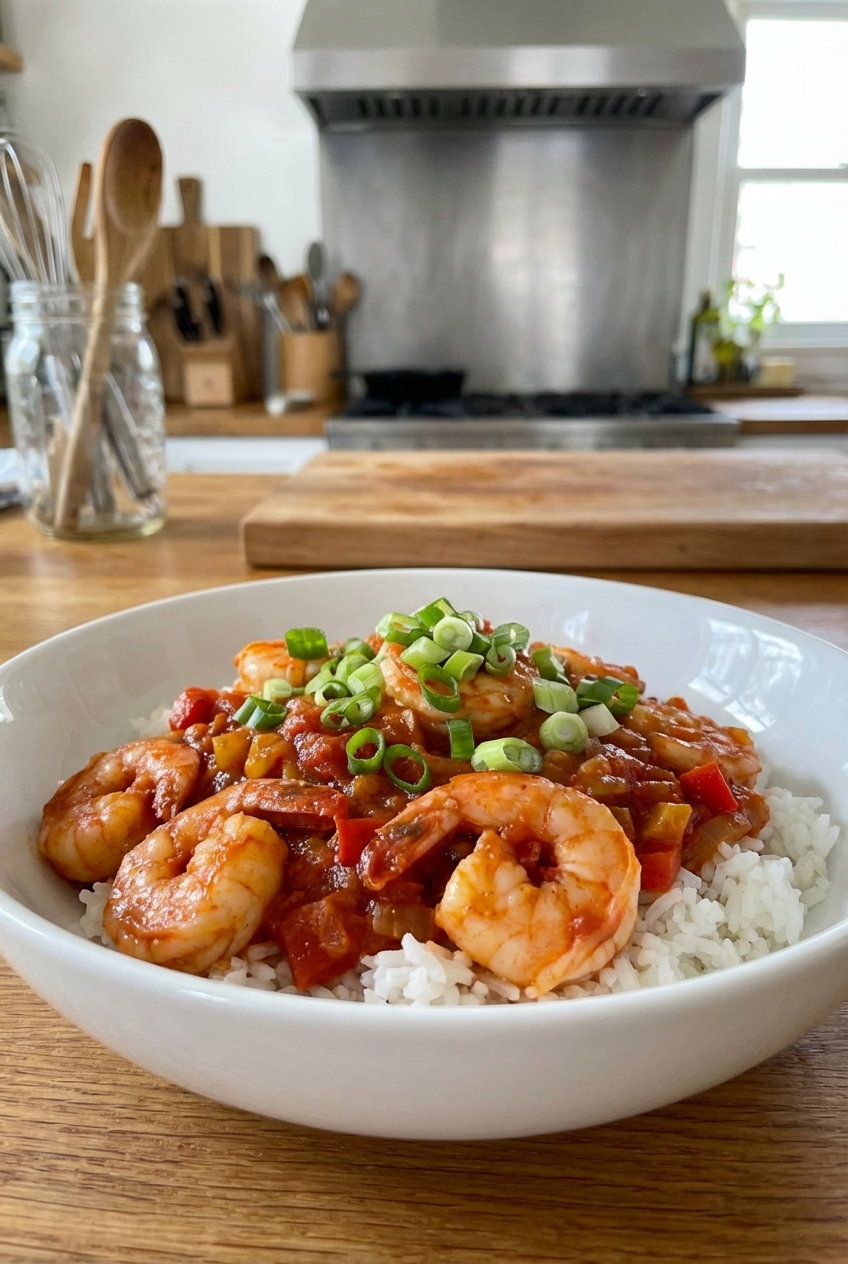
Modern Shrimp and Rice Recipe

Fast, glossy shrimp over rice with a zingy garlic-lime sauce, crisp edges, and weeknight-level effort.

Author By Matt Campbell
4.8

Shrimp and rice is one of those forever combos, like jeans and a good jacket. But we are not doing bland, beige, and apologetic. This is modern shrimp and rice, meaning bright sauce, big flavor, and a finish that tastes like you actually planned dinner, even if you started cooking when everyone was already hovering.

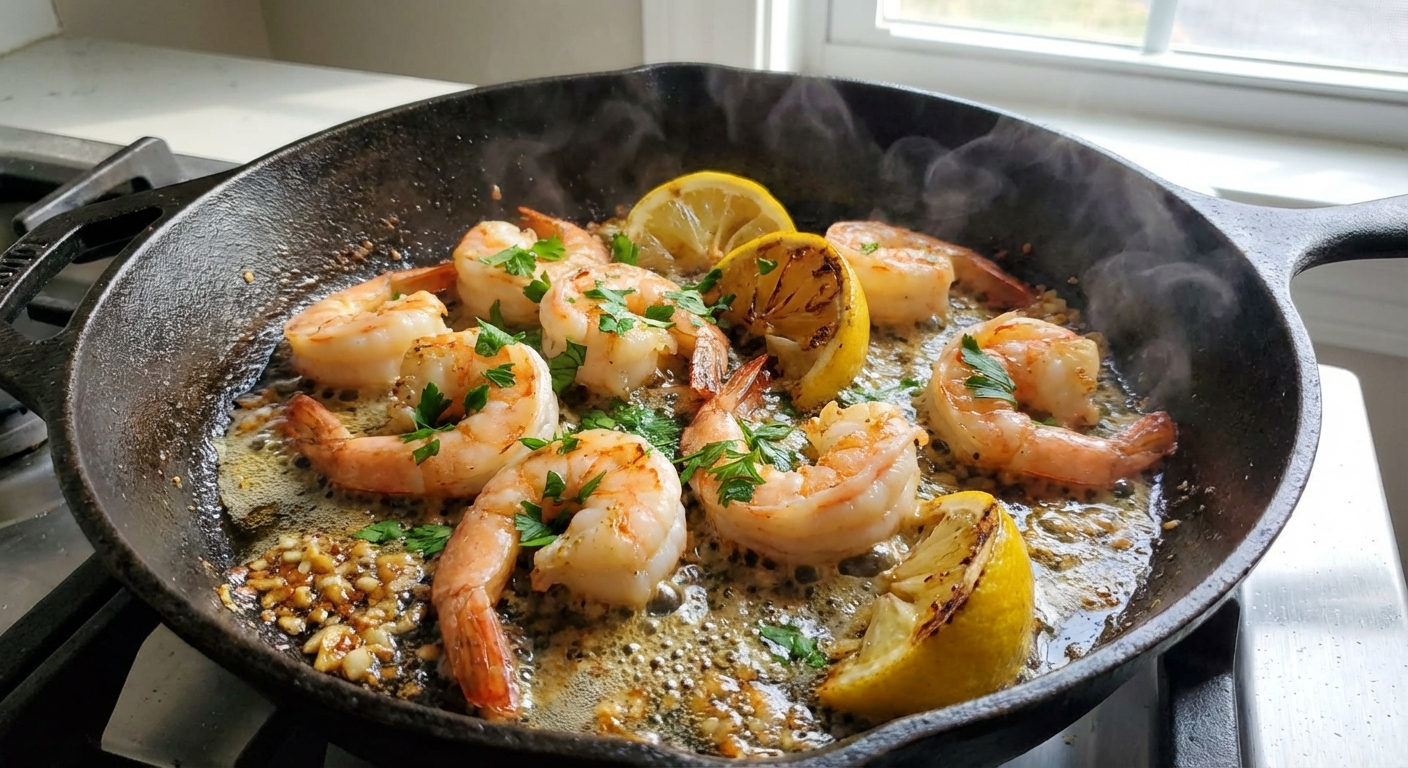
The vibe: juicy shrimp with crisp, golden edges, rice that catches all the garlicky lime goodness, and a sauce that hits salty, tangy, and just a little buttery. It is quick, flexible, and very friendly to whatever you have in the fridge.
Why It Works

  • Fast cooking, big payoff: shrimp cooks in minutes, so the sauce does the heavy lifting.
  • Glossy, clingy sauce: a quick cornstarch slurry gives you that restaurant-style coating without hours of simmering.
  • Bright, modern flavors: lime, garlic, and a touch of soy bring punch, not heaviness.
  • Accessible ingredients: everything is standard grocery store stuff, and the swaps are easy.

Pairs Well With

Storage Tips

Shrimp is best the day you cook it, but leftovers can still be great if you reheat gently.

How to store

  • Fridge: Store shrimp and rice in separate airtight containers if possible. Keep for up to 2 days.
  • Freeze: Rice freezes well for up to 2 months. Shrimp can be frozen, but the texture softens. If you do freeze it, freeze in sauce and use within 1 month.

How to reheat without rubber shrimp

  • Microwave (best for convenience): Add a splash of water to the rice, cover loosely, and heat until hot. Warm shrimp separately in short bursts (15 to 20 seconds) just until heated through.
  • Stovetop (best texture): Reheat rice with a splash of water in a covered pan. Warm shrimp and sauce in a small skillet on low heat, stirring often. Stop as soon as the shrimp is hot.

Common Questions

Can I use frozen shrimp?

Yes. Thaw it first for the best sear. Quick method: put shrimp in a colander and run cold water over it for 5 to 10 minutes, tossing occasionally, until pliable. Pat very dry before cooking.

What kind of rice is best?

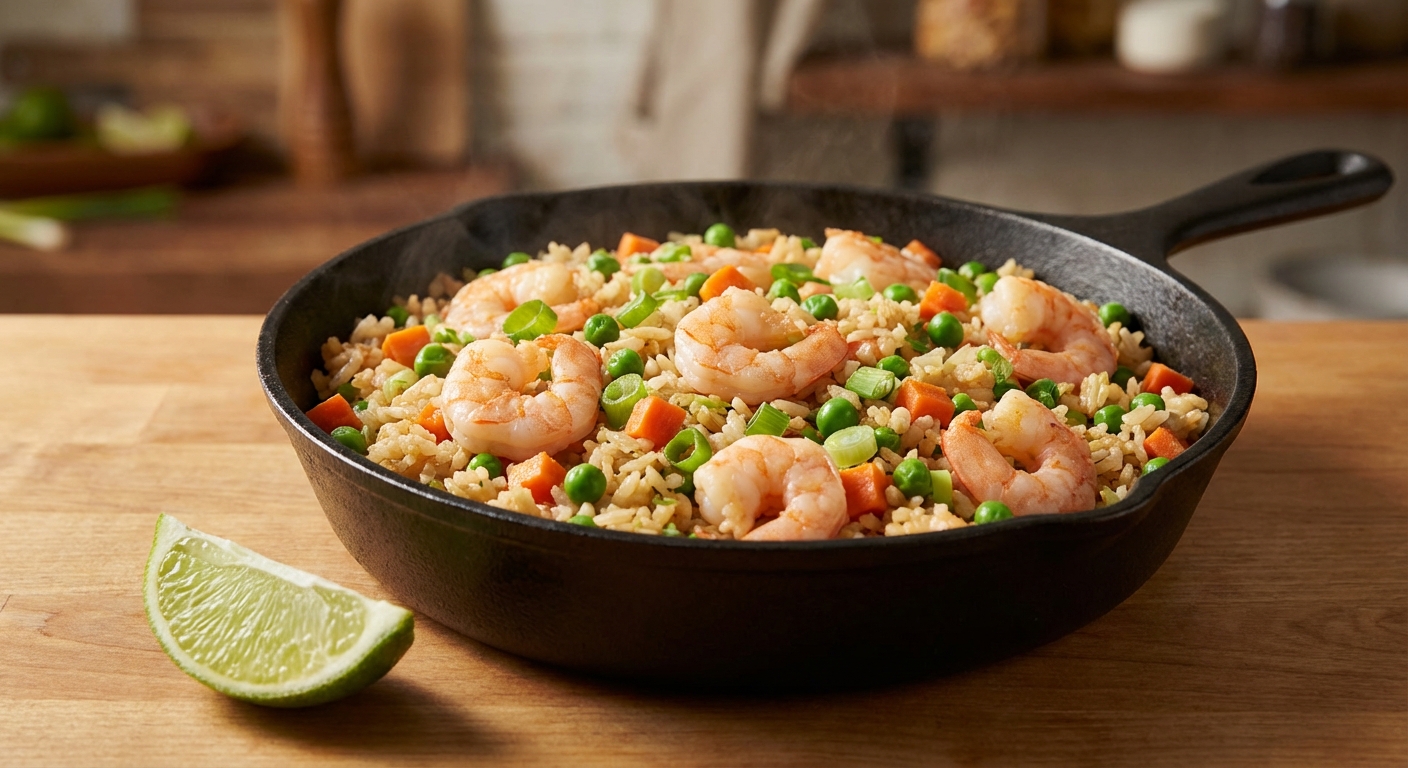
Jasmine is the easiest match for the timing below. Basmati is also great, but it may need a few extra minutes depending on the brand. If you want extra “modern bowl” energy, use brown rice, quinoa-rice blends, or even cauliflower rice. For brown rice, follow the package directions and keep the shrimp and sauce as written.

How do I keep shrimp from getting rubbery?

Two rules: medium-high heat and short cook time. Shrimp is done when it turns opaque and curls into a loose C shape. If it curls into a tight O, it is probably overcooked. Use it as a quick visual cue, not a courtroom rule.

Is this spicy?

Not unless you want it to be. The red pepper flakes are optional. You can also add a spoon of chili crisp at the end for a bigger kick.

Can I add veggies?

Absolutely. Quick-cooking options: snap peas, baby spinach, thin bell pepper strips, shredded carrots, or zucchini. Add sturdy veggies right after the shrimp comes out, sauté 2 to 3 minutes, then return shrimp and sauce.

This dish is my go-to when I want dinner to feel like a win without turning my kitchen into a disaster zone. Shrimp is basically the cheat code. It cooks fast, it loves aggressive seasoning, and it forgives a little chaos as long as you do not overcook it. The first time I made this version, I was trying to use up a lonely lime and a half-bag of rice, and the sauce turned into one of those “wait, why is this so good?” moments. Now it is in my weeknight rotation for the simple reason that it tastes like effort, but it is mostly just timing.