Mom's Best Recipes
Recipe

Moroccan Couscous

Fluffy quick-cooking couscous with chickpeas, warm spices, raisins, toasted nuts, and a bright lemon herb finish.

Author By Matt Campbell
4.8
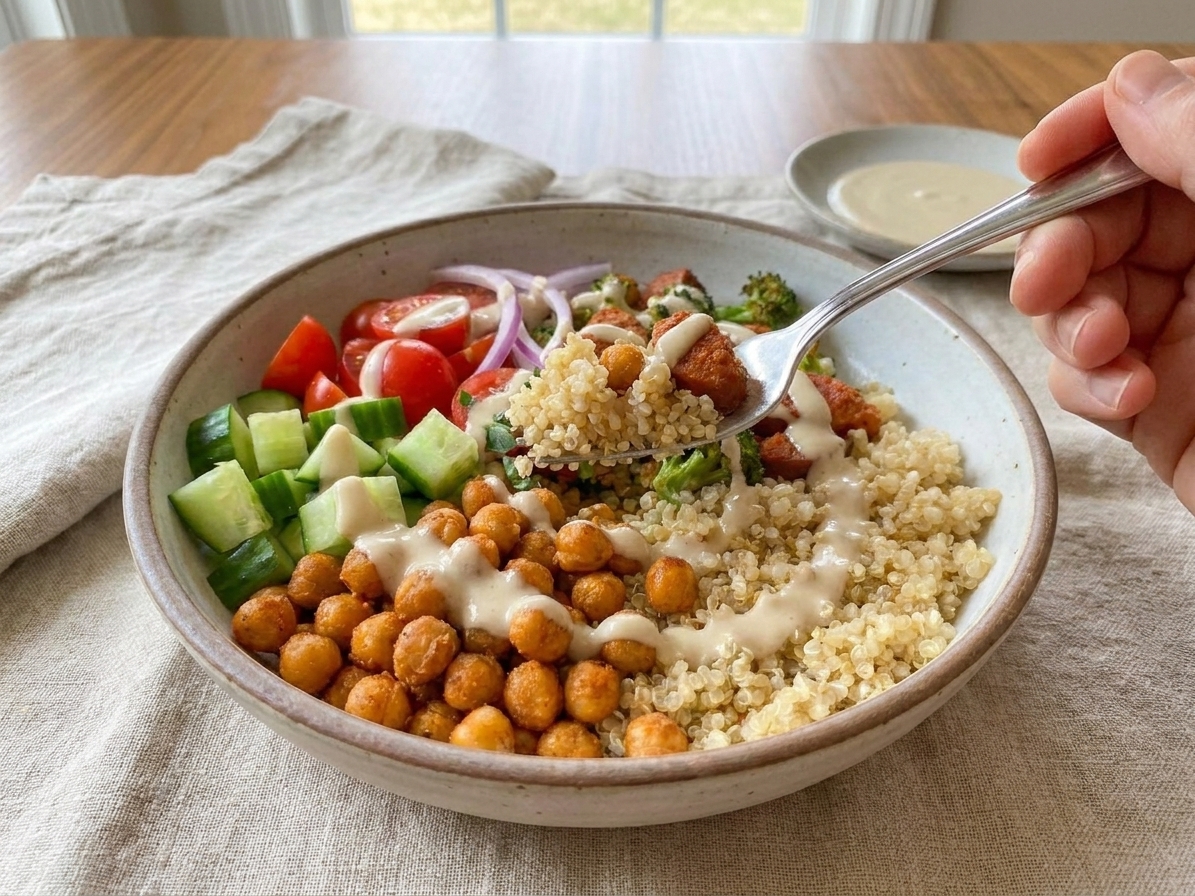
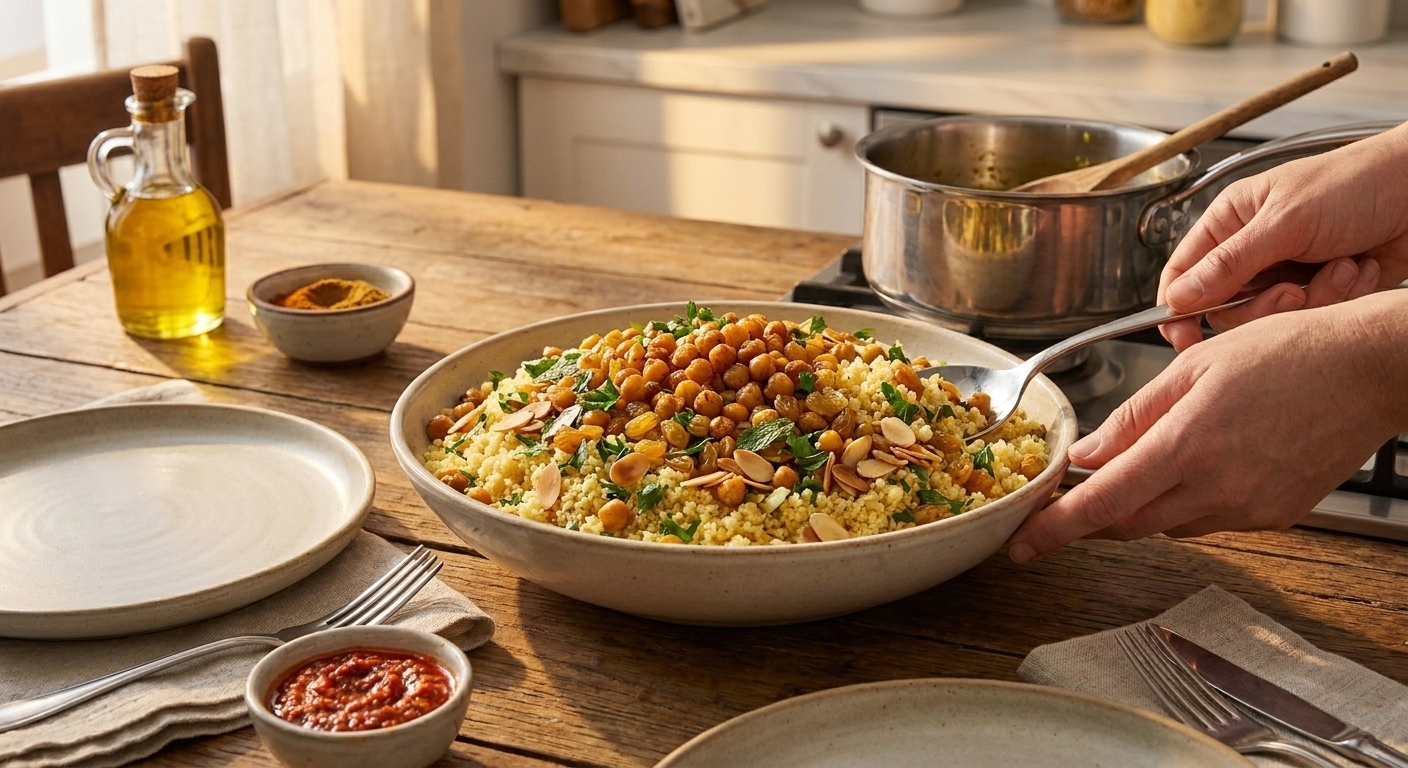
A large shallow bowl of Moroccan couscous with chickpeas, golden raisins, toasted almonds, and chopped herbs, set on a wooden table with warm natural light

Moroccan couscous is one of those dishes that somehow hits cozy and fresh at the same time. You get warm spices that smell like you actually had a plan, plus bright lemon and herbs that keep every bite from feeling heavy. It is weeknight-friendly, pantry-friendly, and very forgiving if you are the kind of cook who measures with vibes.

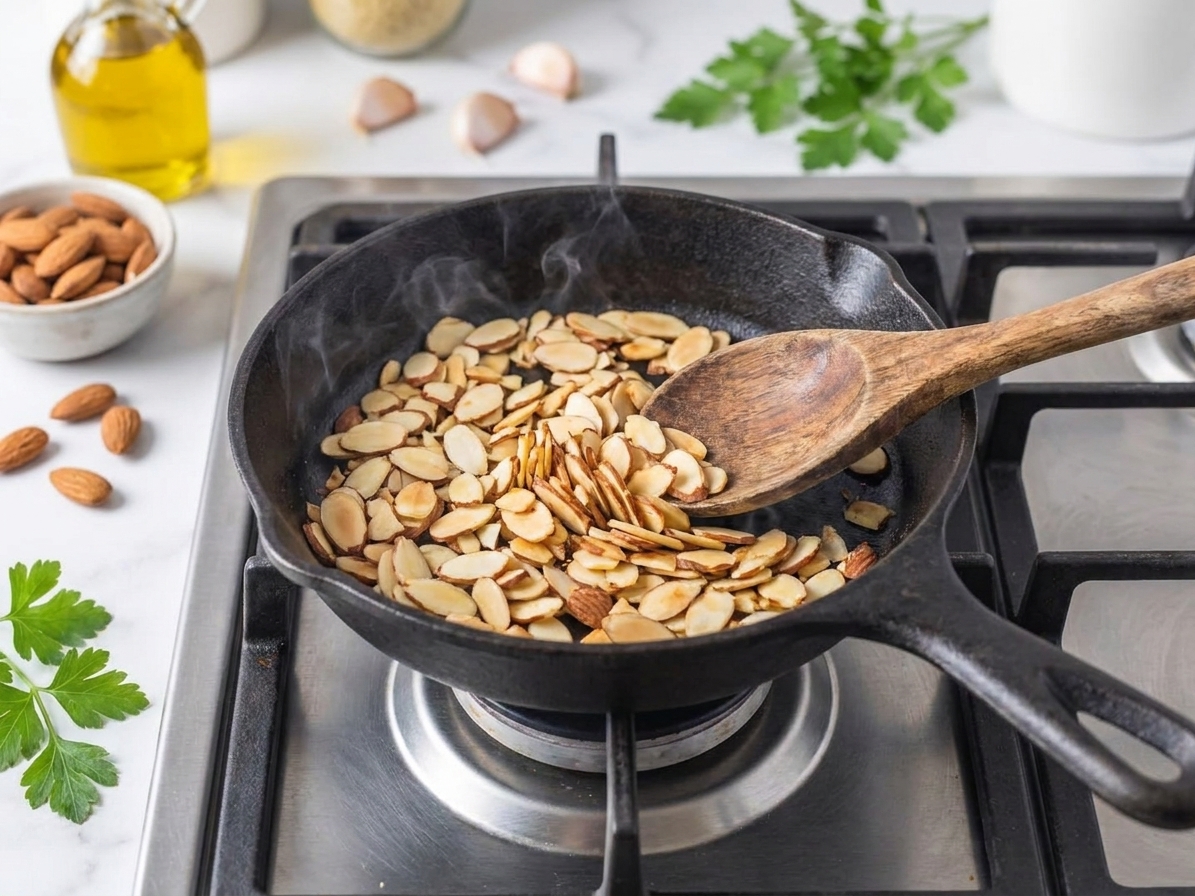
This version leans into the flavors I crave most: a little sweet from raisins, a little crunch from toasted almonds, and chickpeas to make it feel like a real meal. You can serve it as a side with chicken or fish, or pile it into a bowl and call it dinner. No one will argue.

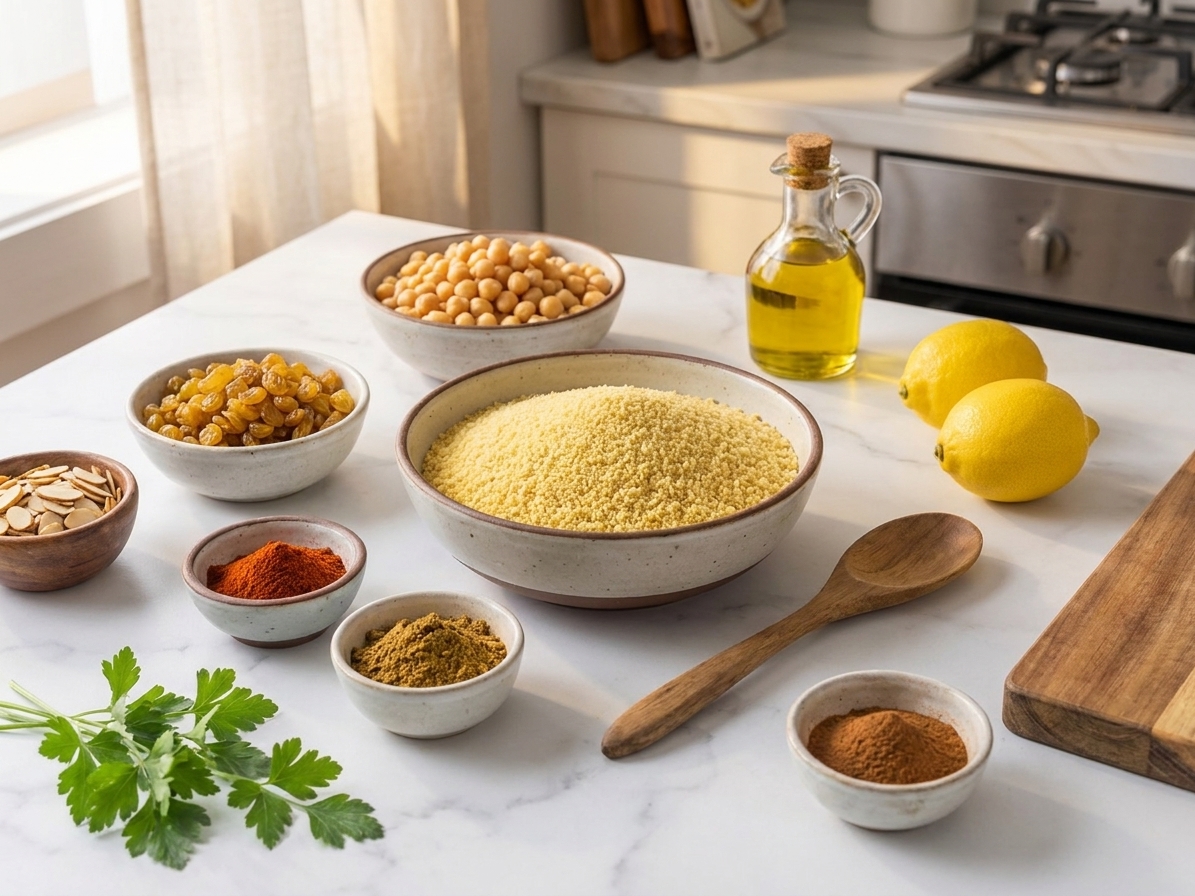
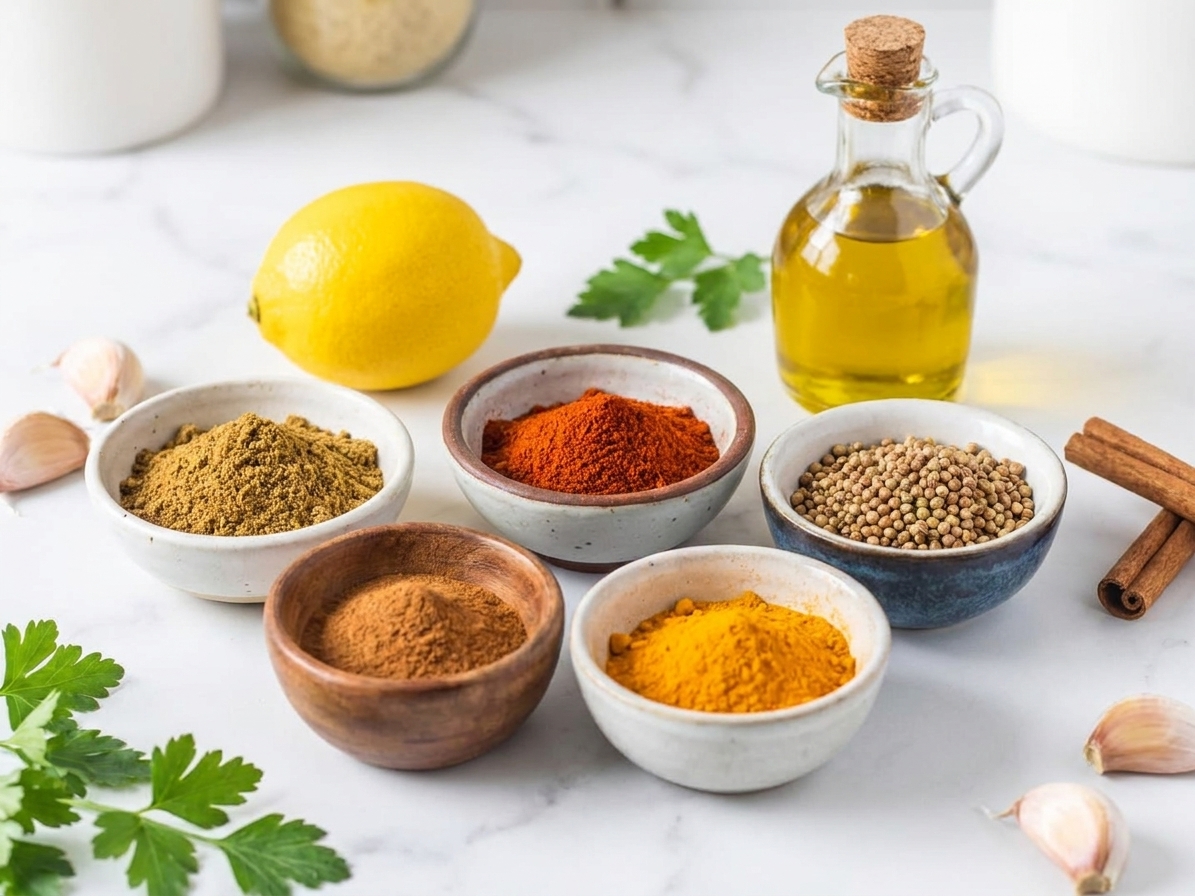
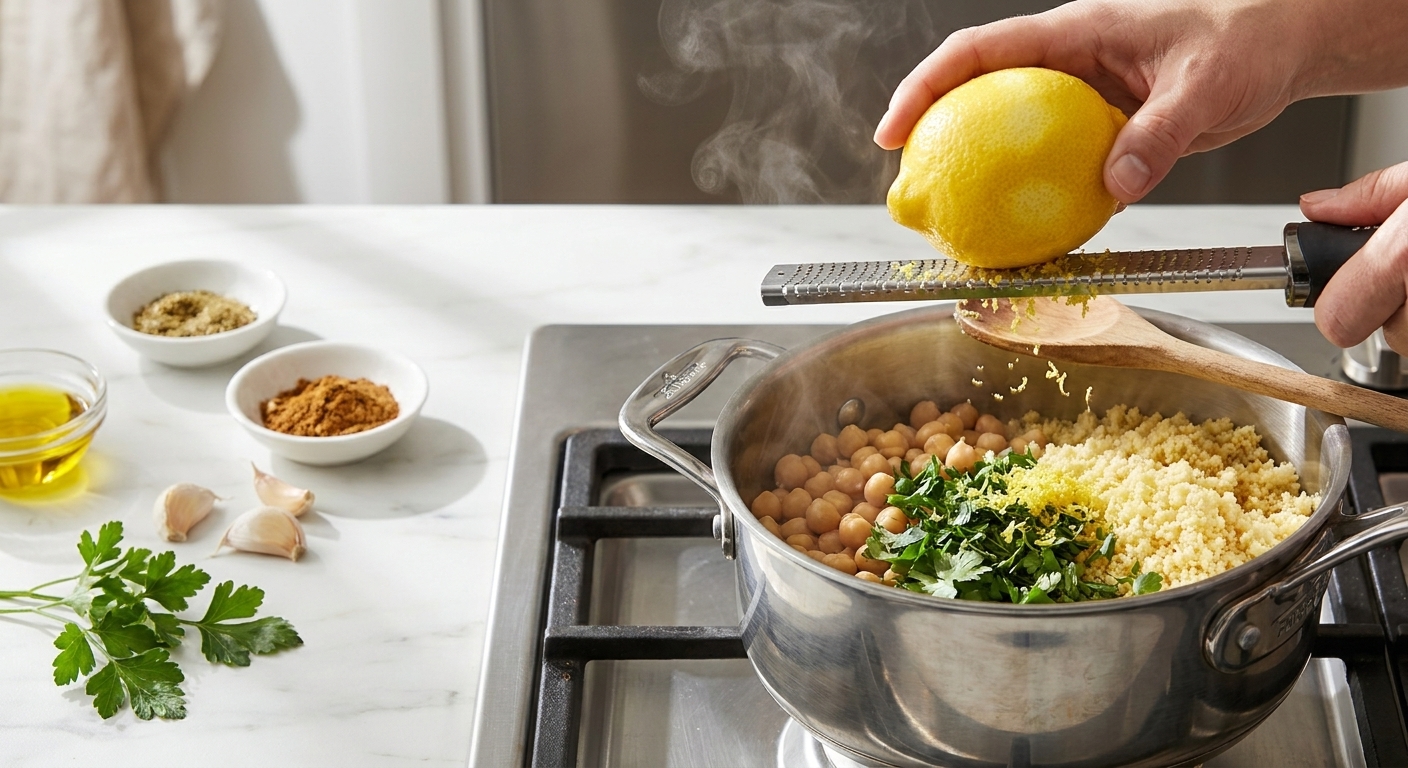
Measured ingredients for Moroccan couscous on a kitchen counter including couscous, chickpeas, raisins, sliced almonds, lemons, olive oil, and small bowls of spices

Why It Works

  • Fluffy, not gummy: We steam quick-cooking couscous off the heat, then fluff with a fork and a little olive oil so the grains stay separate.
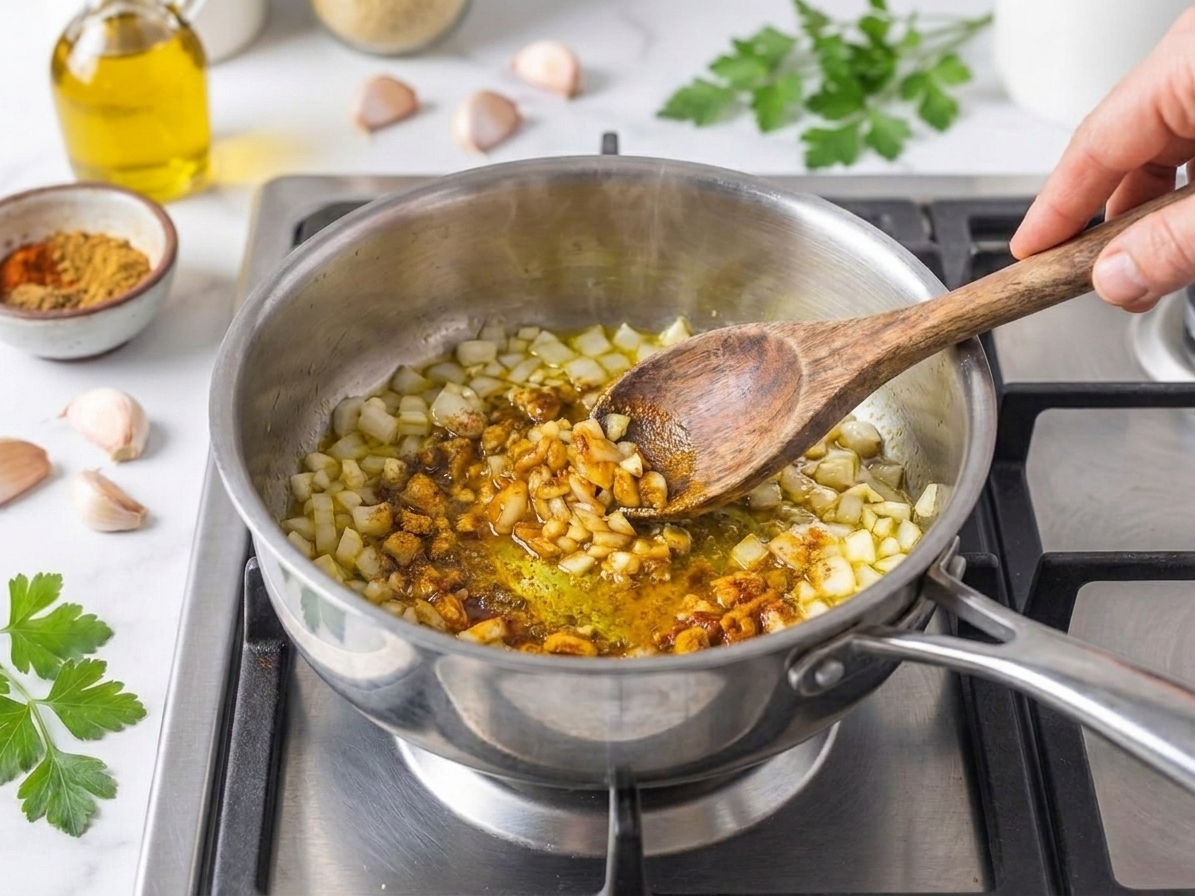
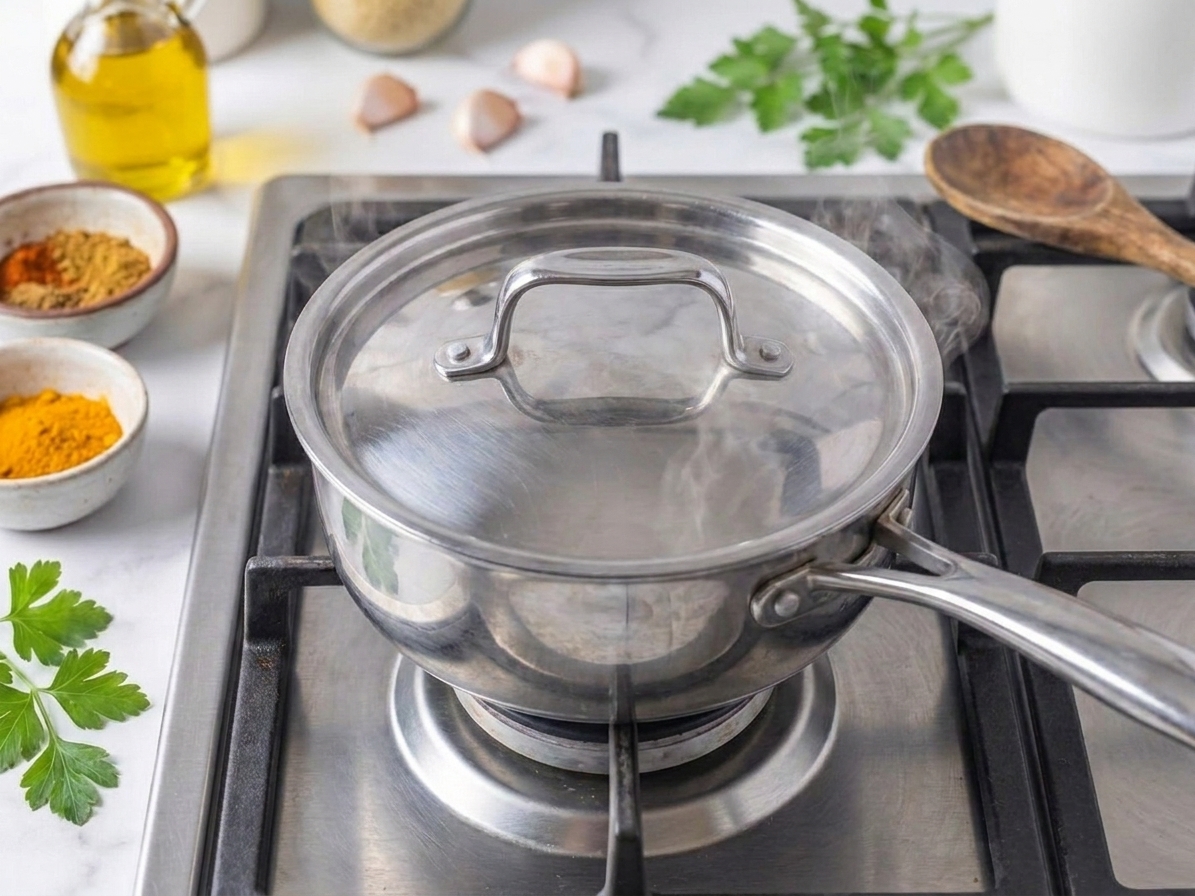
  • Fast flavor build: Blooming the spices in warm oil wakes them up in about 30 seconds and makes the whole pot taste like more than the ingredient list suggests.
  • Sweet, salty, bright balance: Raisins and lemon pull in opposite directions in the best way, and chickpeas make it satisfying without extra work.
  • Flexible on purpose: Swap add-ins based on what you have. This recipe is more of a “good method” than a strict rule book.

Pairs Well With

Storage Tips

Refrigerate: Cool couscous completely, then store in an airtight container for up to 4 days.

Reheat: Sprinkle in 1 to 2 tablespoons of water (or broth) per serving, cover loosely, and microwave until hot. Fluff with a fork and refresh with a squeeze of lemon. On the stovetop, warm in a skillet over medium-low with a splash of water and a drizzle of olive oil.

Meal prep tip: If you know you will store it, hold back some herbs and almonds and add them after reheating so they stay bright and crunchy.

Freezing: It can be frozen for up to 2 months, but the texture is best refrigerated. If you do freeze, thaw overnight in the fridge and reheat gently with added moisture.

Common Questions

Is couscous Moroccan?

Couscous is a staple across the Maghreb (North Africa), including Morocco, Algeria, and Tunisia (and beyond). “Moroccan couscous” usually refers to a style and flavor profile, not one single, official dish. This recipe is inspired by those warm spices, bright herbs, and lemony finish, with a weeknight-friendly method.

Do I need a couscoussier (steamer pot) for this?

Nope. Traditional couscous can be steamed, but this recipe is written for quick-cooking (instant) couscous, which does great with the covered-pot method.

What kind of couscous should I use?

Use quick-cooking (instant) couscous, the small-grain kind that steams in about 5 minutes. Pearl (Israeli) couscous needs simmering like pasta, so it will not follow the same timing or liquid ratio.

Why did my couscous turn mushy?

Usually it is too much liquid, too much stirring, or using a different couscous type than the recipe expects. This recipe uses 1 cup couscous to 1 1/4 cups liquid for a fluffy result, but brands vary, so check your package if you are using whole wheat couscous or anything that is not labeled quick-cooking. Also, bring the liquid to a boil, stir once, then cover and take it off the heat.

Can I make it gluten-free?

Classic couscous is wheat. For gluten-free, use quinoa or certified gluten-free millet prepared separately, then toss with the same spiced chickpea mixture and lemon herb finish.

How do I make it vegan or nut-free?

Vegan: Use vegetable broth (and skip any dairy toppings). Nut-free: Swap almonds for toasted pumpkin seeds or sunflower seeds for crunch.

What protein goes well with Moroccan-style couscous?

Chicken thighs, lamb, shrimp, or even a fried egg. For vegetarian protein, add extra chickpeas, lentils, or a dollop of Greek yogurt on top.

I love recipes like this because they feel like the kind of food you make when you want to take care of people without turning your kitchen into a disaster zone. The first time I tried Moroccan-style couscous at home, I went a little too hard on the spices, got nervous, then “fixed” it with lemon and herbs. Plot twist: that is not fixing. That is the whole point. Now I treat couscous like my blank canvas for warm spice plus bright finish, and it shows up on my table whenever I need dinner to feel comforting but not sleepy.