What is the difference between apple cider and apple juice?
In the U.S., apple cider usually means nonalcoholic, less filtered juice that tastes more like fresh apples, with a deeper, slightly tangy flavor. Apple juice is clearer and often a bit sweeter and lighter. (Terminology varies by region. In some places, “cider” can mean hard cider.) You can mull either, but cider gives the best cozy, orchard-y taste.
Do I have to use whole spices?
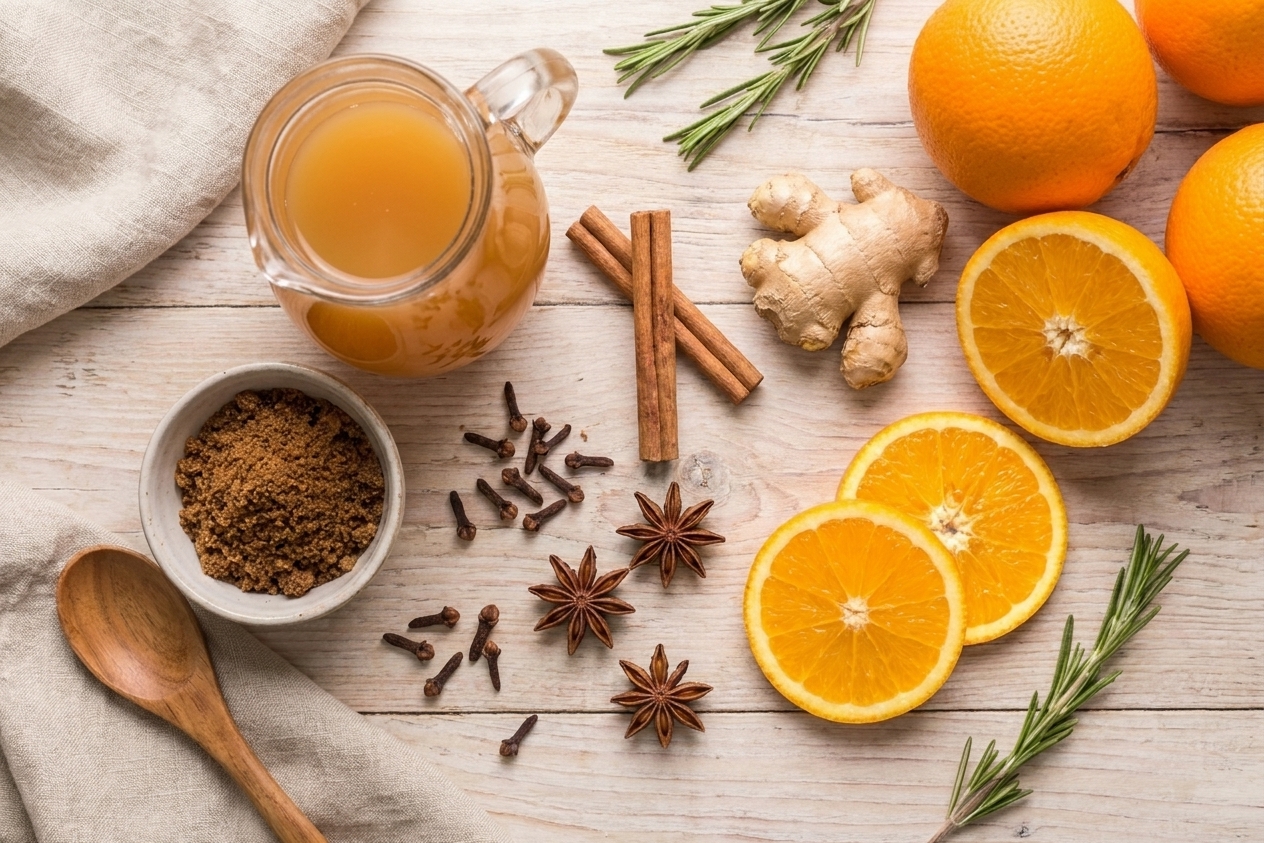
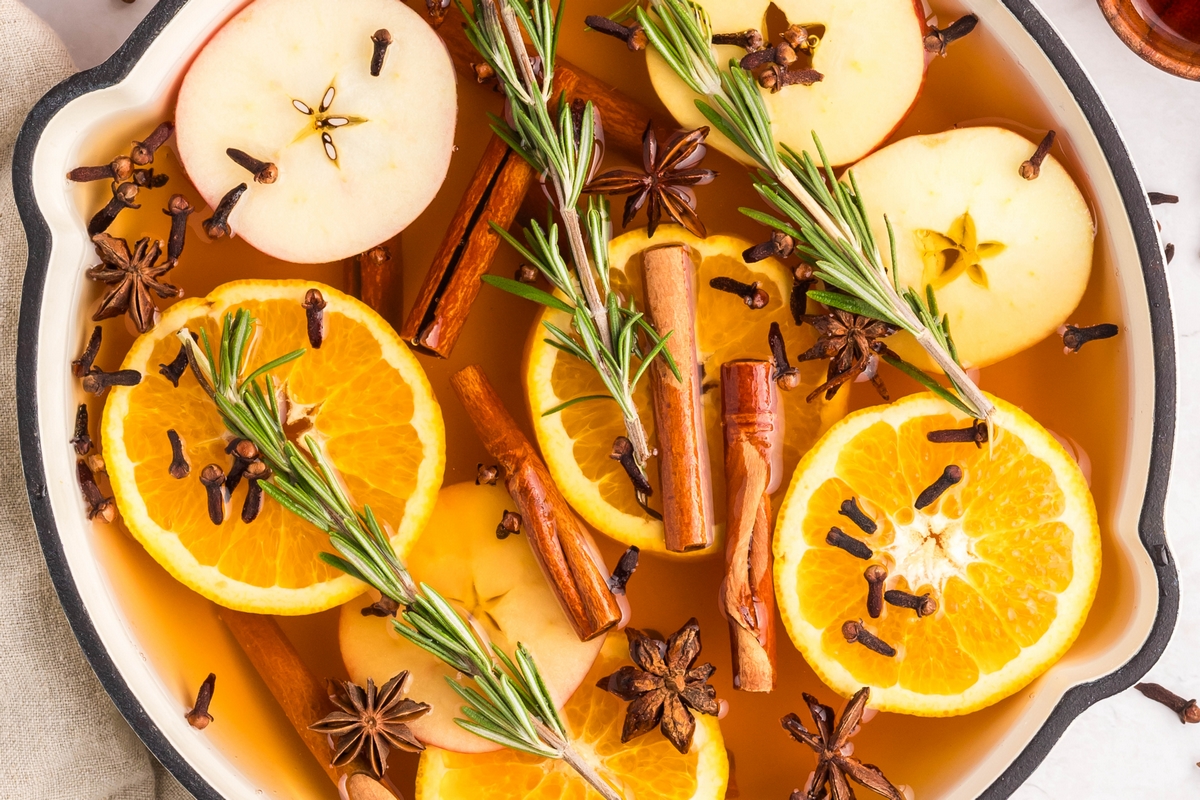
Whole spices are the move here. Ground spices can make the cider cloudy and gritty, and they are easier to overdo. If ground is all you have, use a tiny amount and strain through a fine mesh strainer or coffee filter.
How long should cider mull?
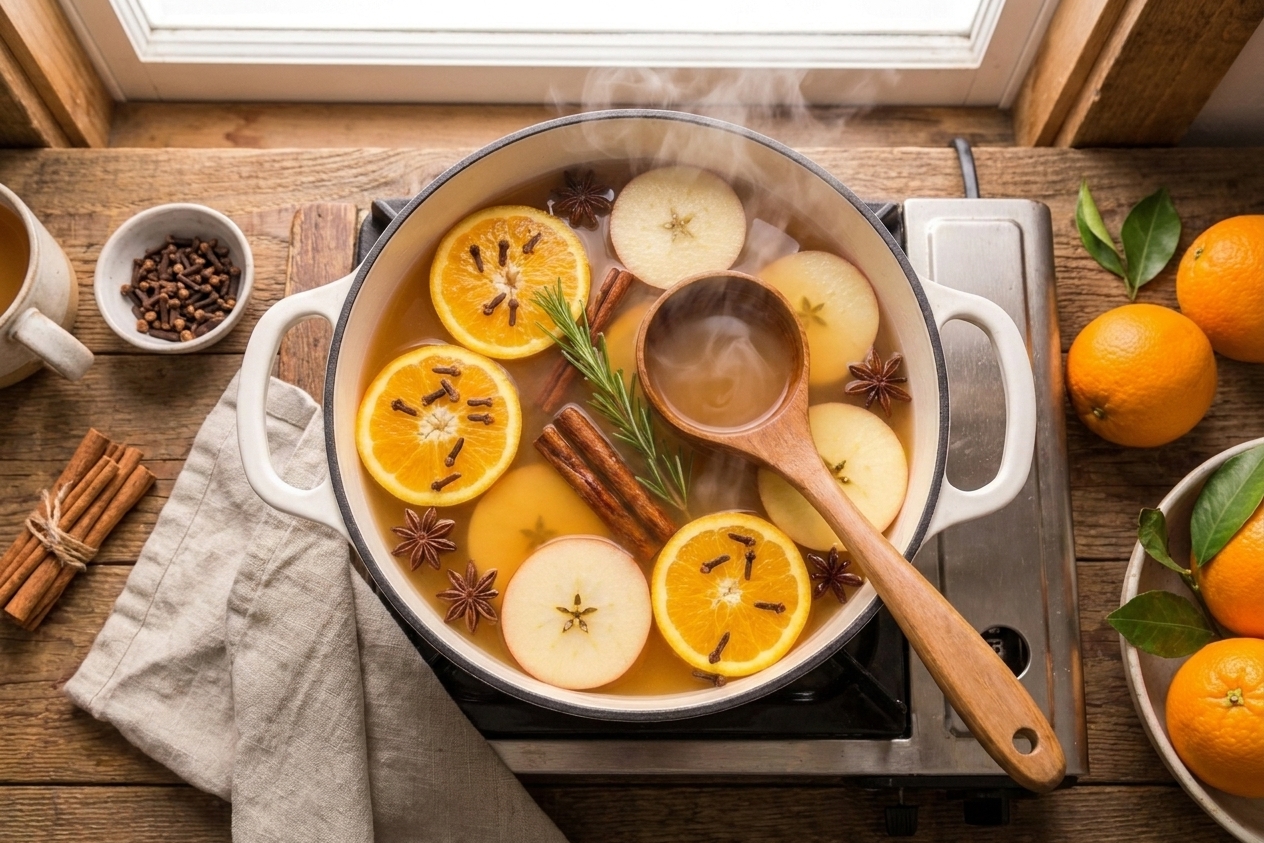
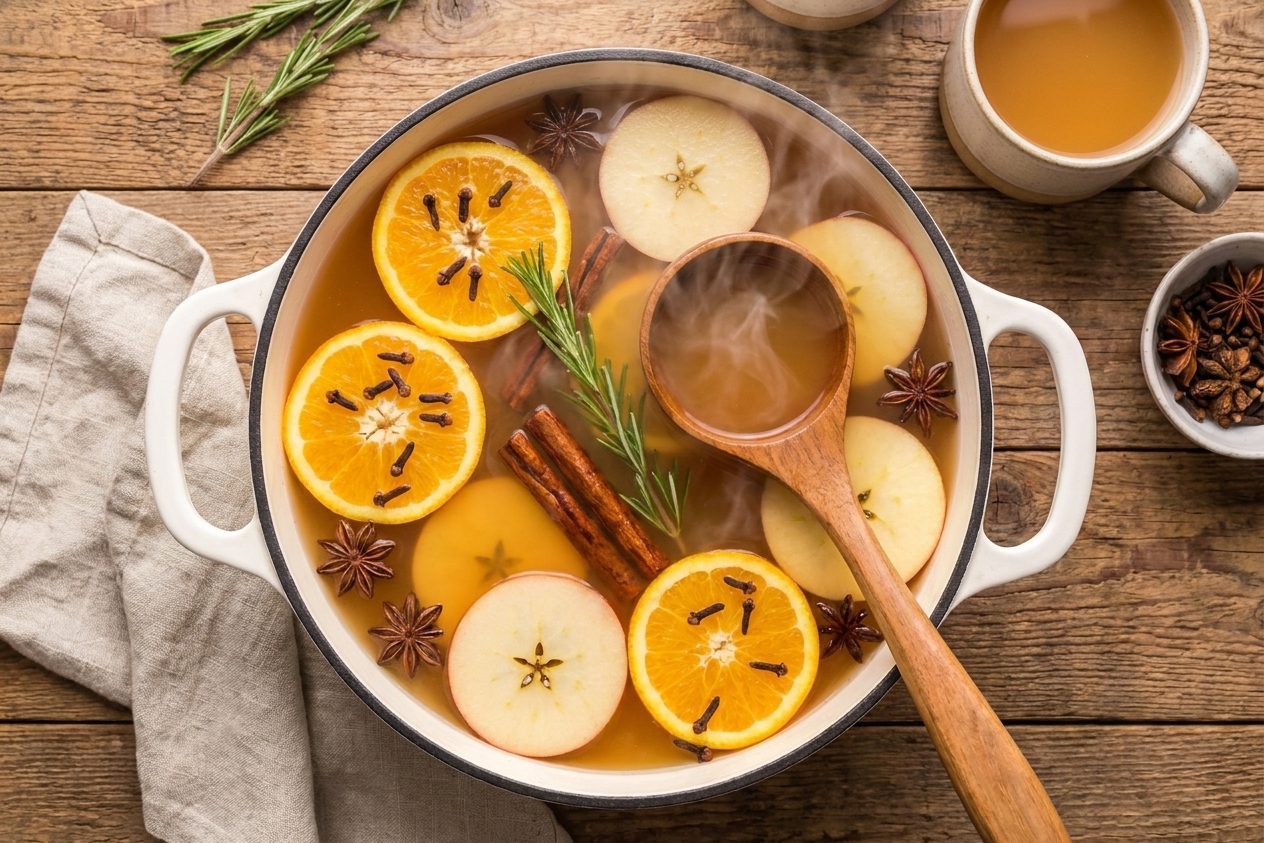
On the stovetop, 20 to 30 minutes usually gets you there. In a slow cooker, plan on 1 to 2 hours on LOW for full flavor, then switch to warm. Taste as you go because different ciders vary.
Why does my mulled cider taste bitter?
Common culprits: simmering too hard, leaving citrus slices in too long (especially if you used thick slices with lots of pith), or using too many cloves. Keep it at a gentle steam (no boiling), and pull spices once it tastes right.
Can I make it for kids?
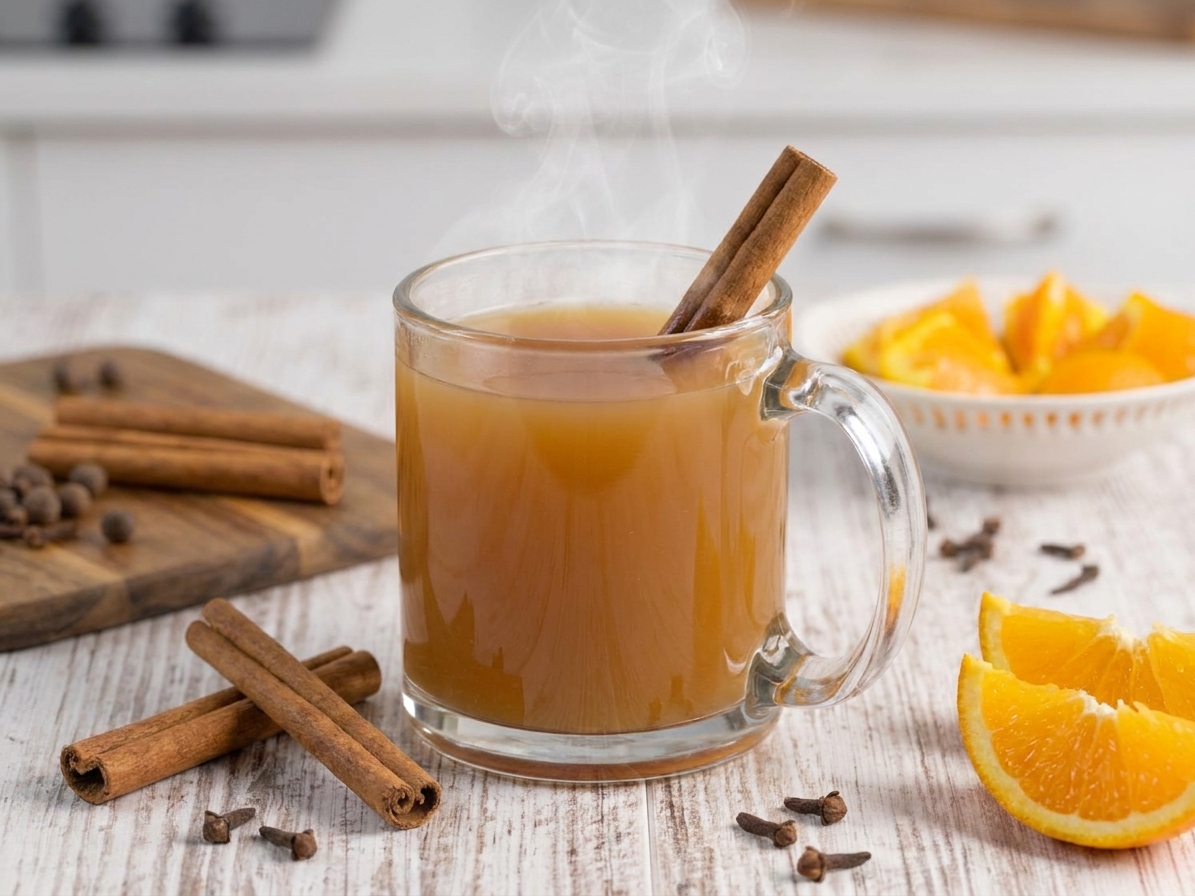
Absolutely. This recipe is kid-friendly as written. For extra fun, serve with a cinnamon stick and a thin apple slice, or top mugs with a little whipped cream for dessert energy.
Can I add alcohol?
Yes. Add alcohol off heat after the cider is hot to minimize evaporation. A splash of bourbon, dark rum, or spiced rum is great. For a crowd, let guests spike their own mugs.
Do I need to worry about using unpasteurized cider?
If you are using fresh, unpasteurized cider, keep it refrigerated and heat it until it is piping hot and steaming. Then cool and store leftovers promptly, just like you would with any fresh juice.