Mom's Best Recipes
Recipe

Mulled Cider

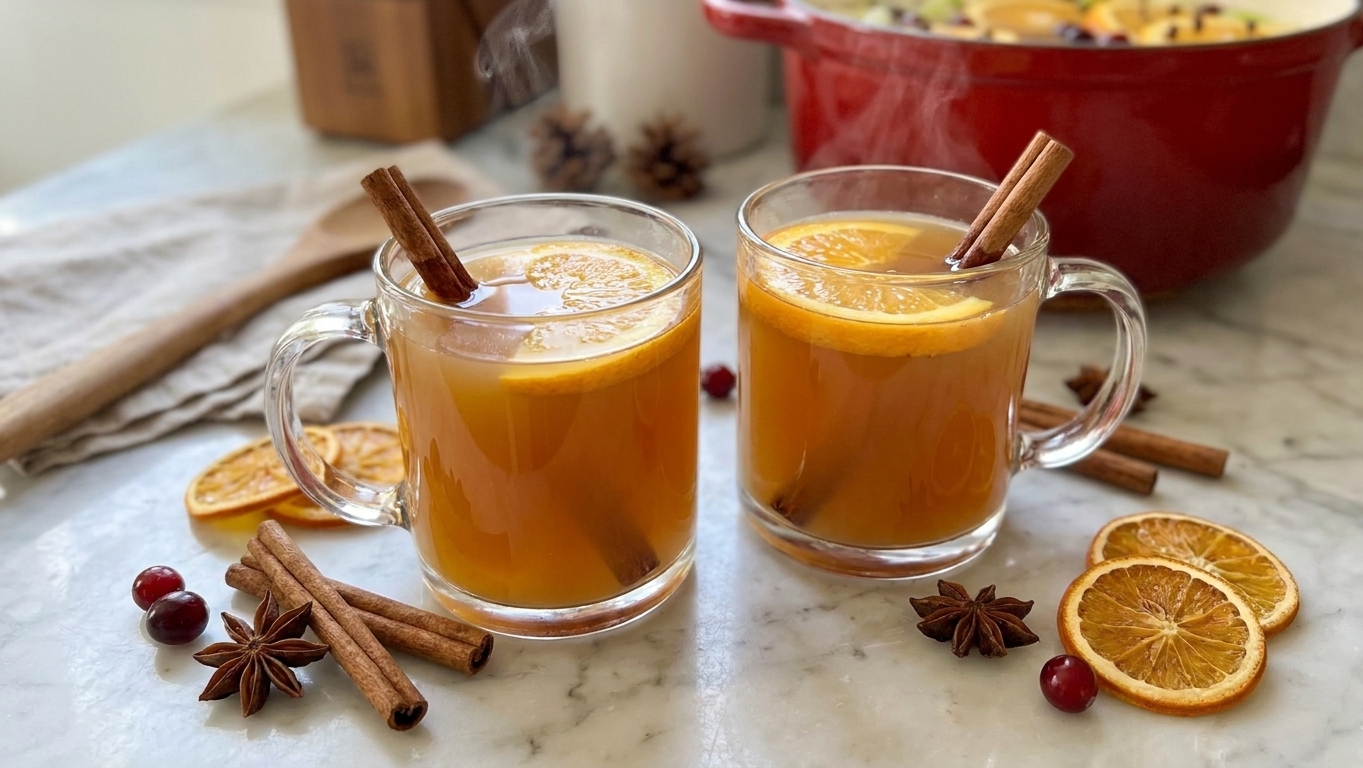
Warm, spiced apple cider with orange and whole spices. Simple, not overly sweet, and built for refills.

Author By Matt Campbell
4.8
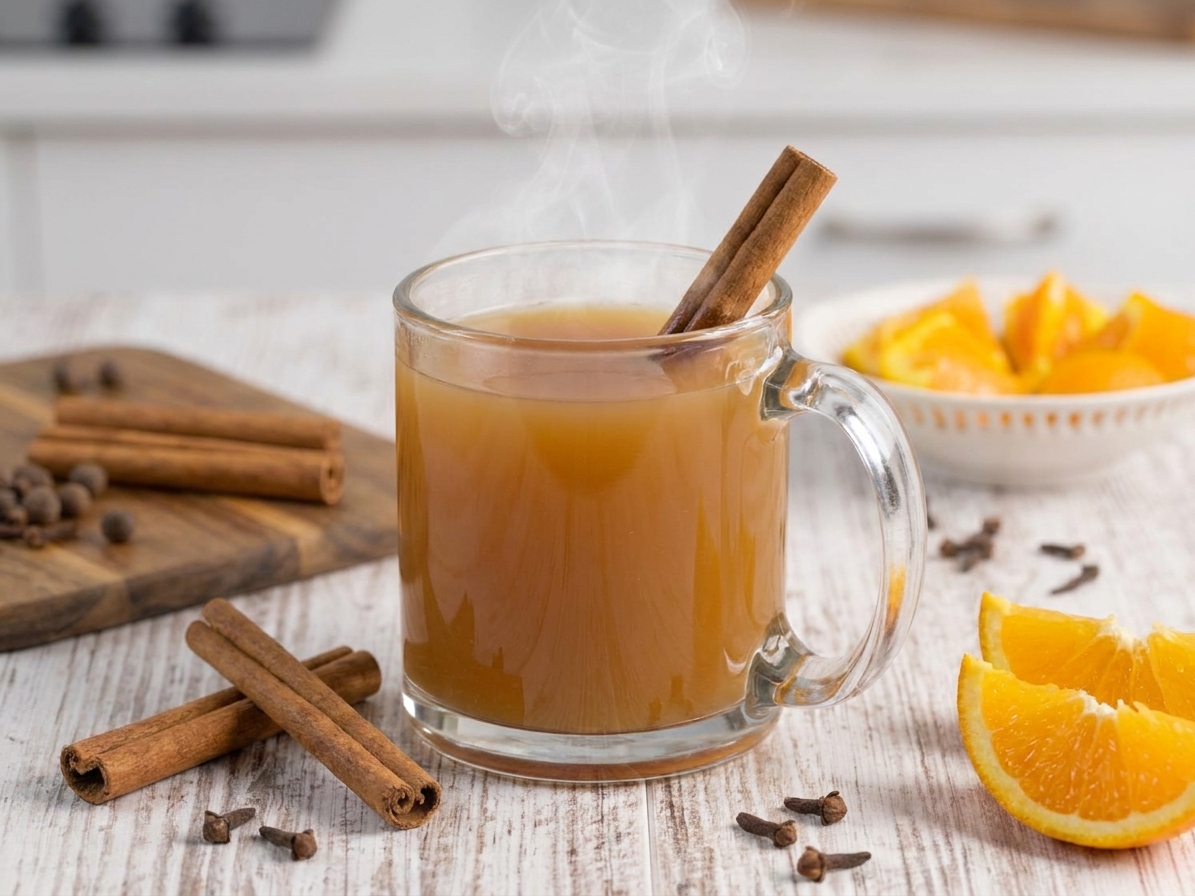
A steaming mug of mulled apple cider on a wooden table with a cinnamon stick and orange slice nearby in warm kitchen light

Mulled cider is my favorite kind of kitchen multitask. You throw a few good things in a pot, turn the heat low, and suddenly your whole house smells like you have your life together. It is warm, bright from citrus, and cozy from spices. It also gives you a built-in excuse to taste as you go, which I fully support.

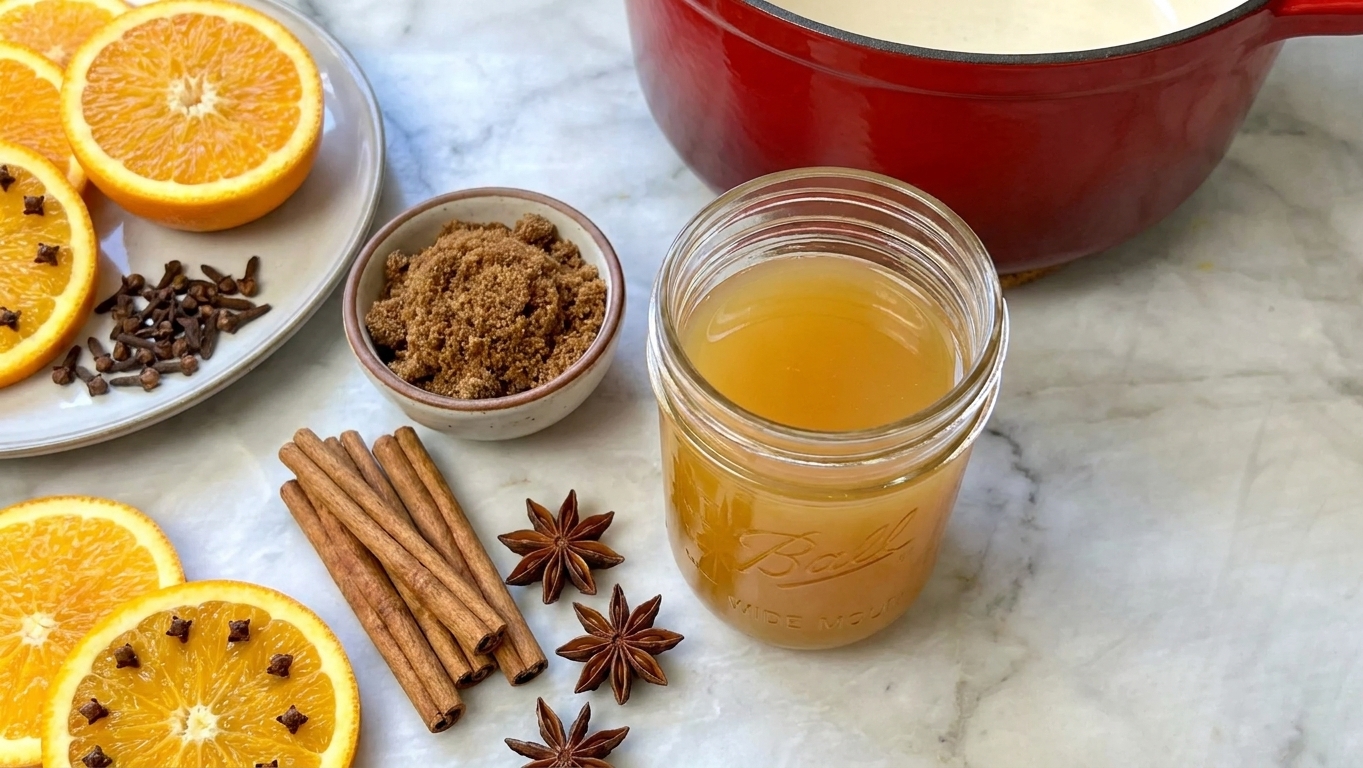
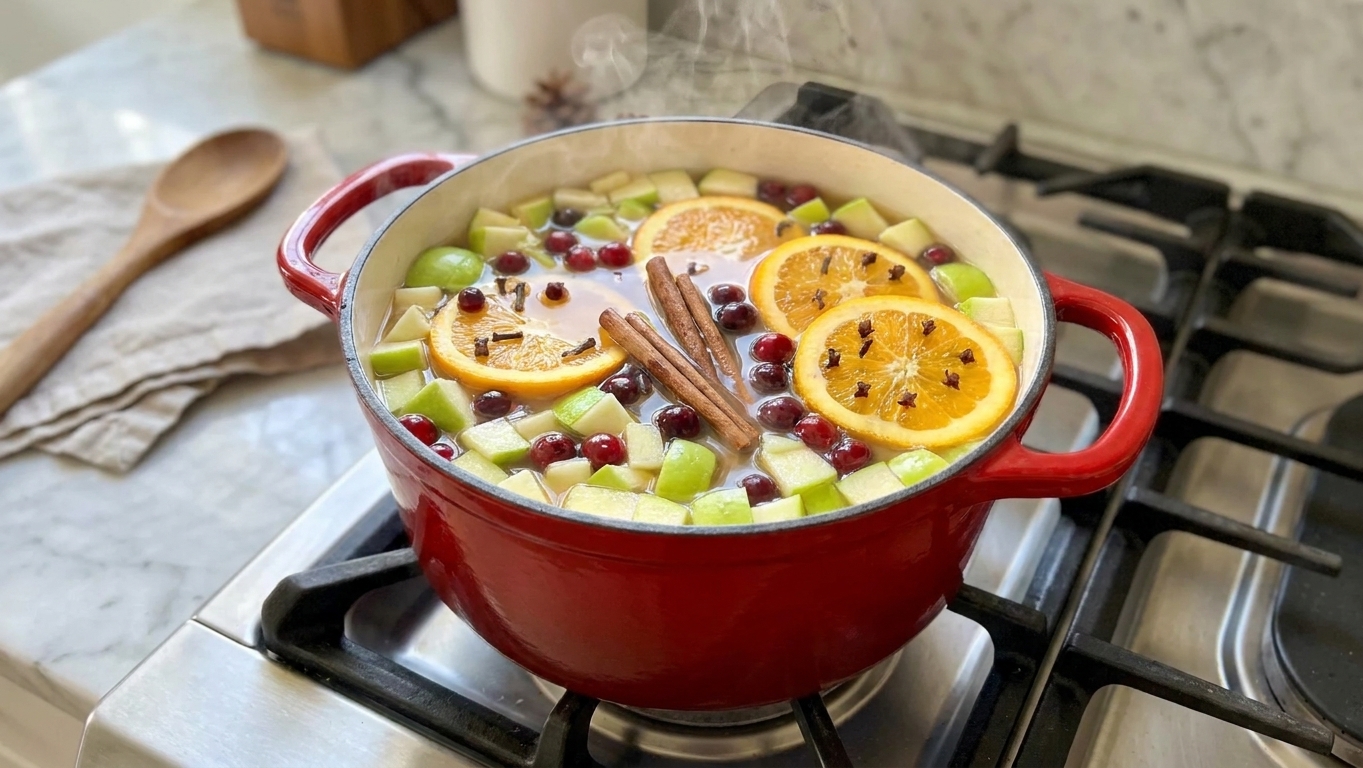
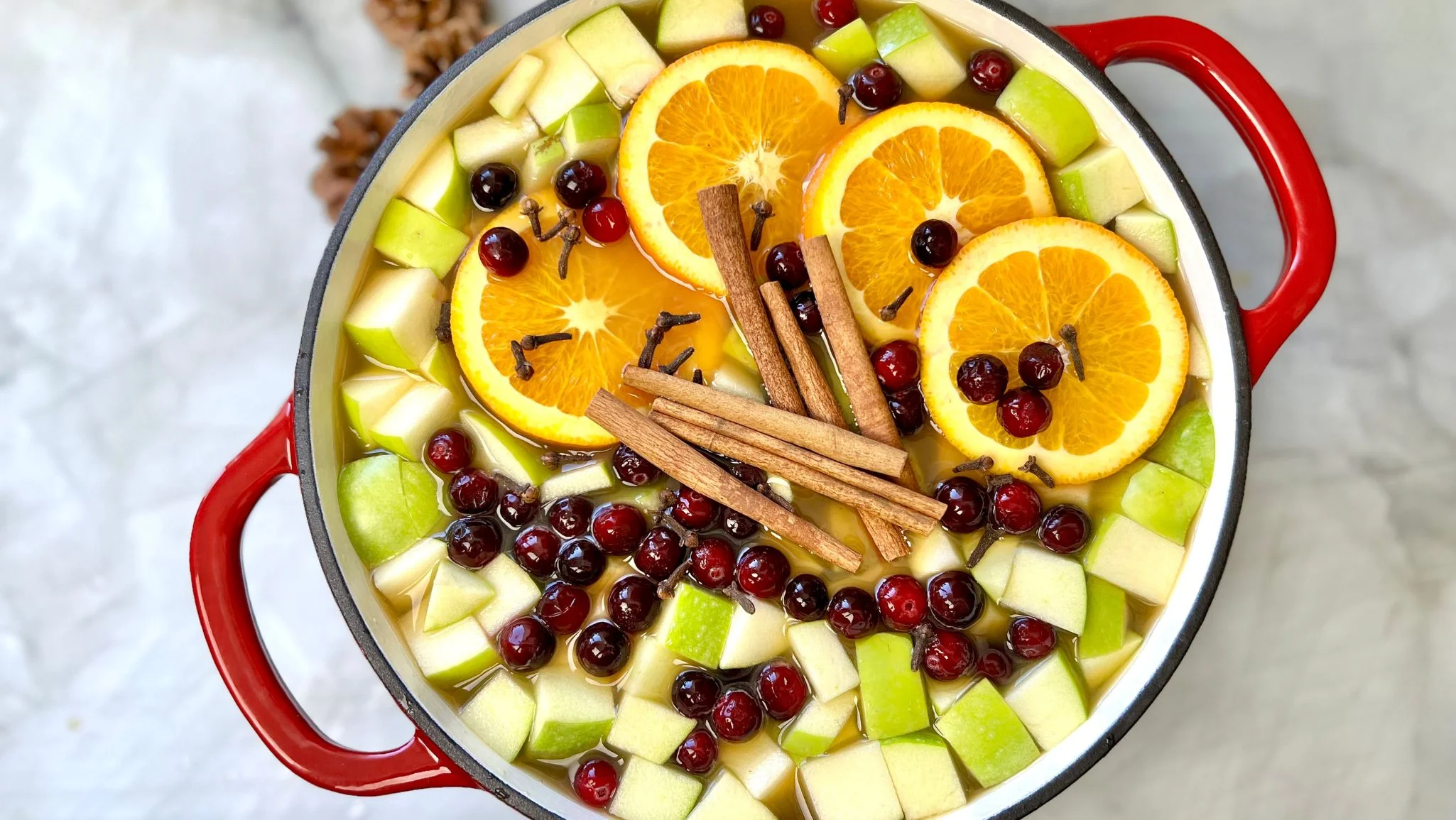
This version keeps it classic and approachable: real apple cider, orange, cinnamon, cloves, and star anise. The trick is gentle heat and a little restraint. We are going for fragrant and rounded, not potpourri. I will show you exactly how to keep it balanced, how to make it ahead, and how to hold it for a crowd without turning it bitter.
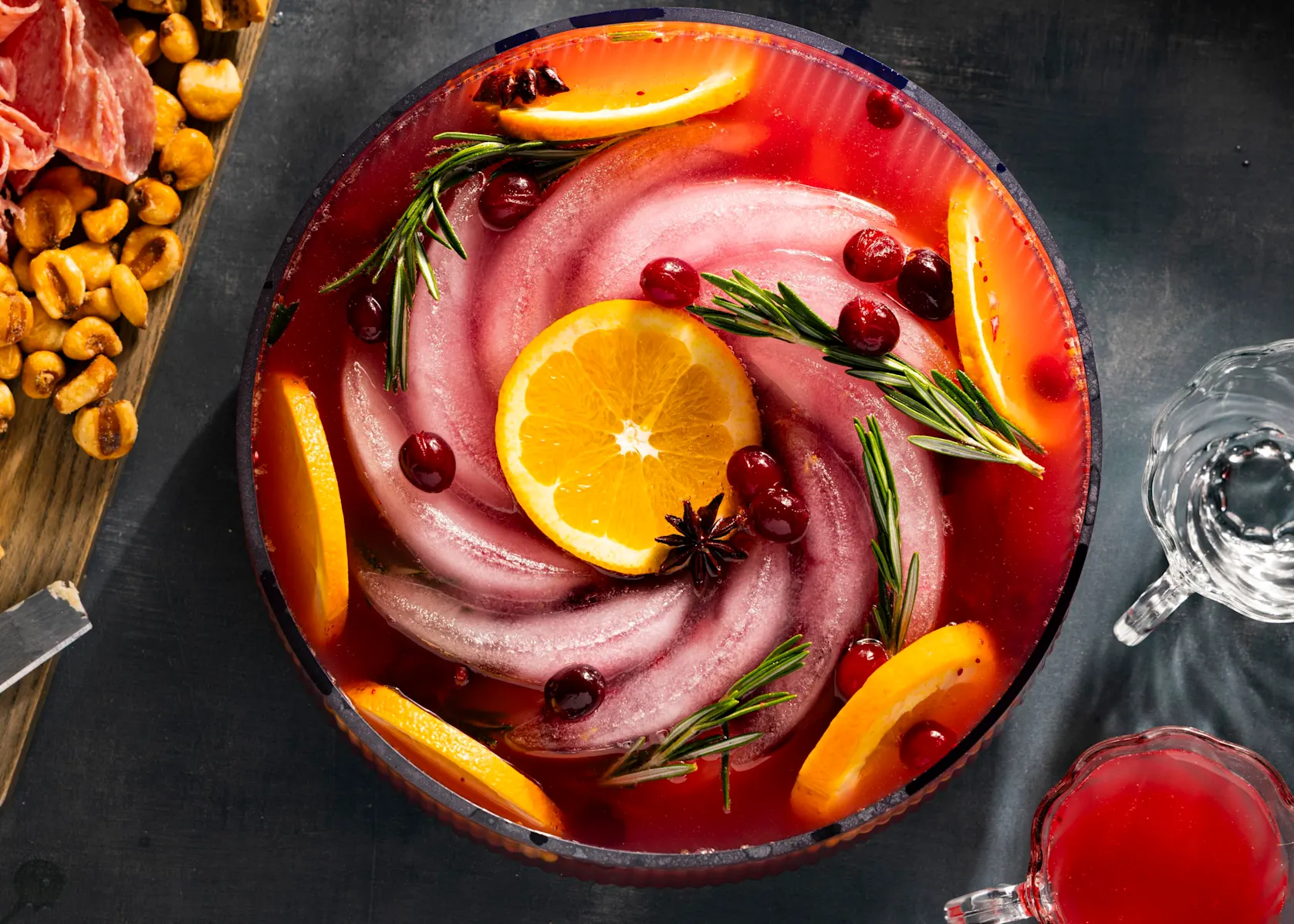
Why It Works

  • Big flavor with low effort: Whole spices infuse slowly, so the cider tastes layered without needing fancy ingredients.
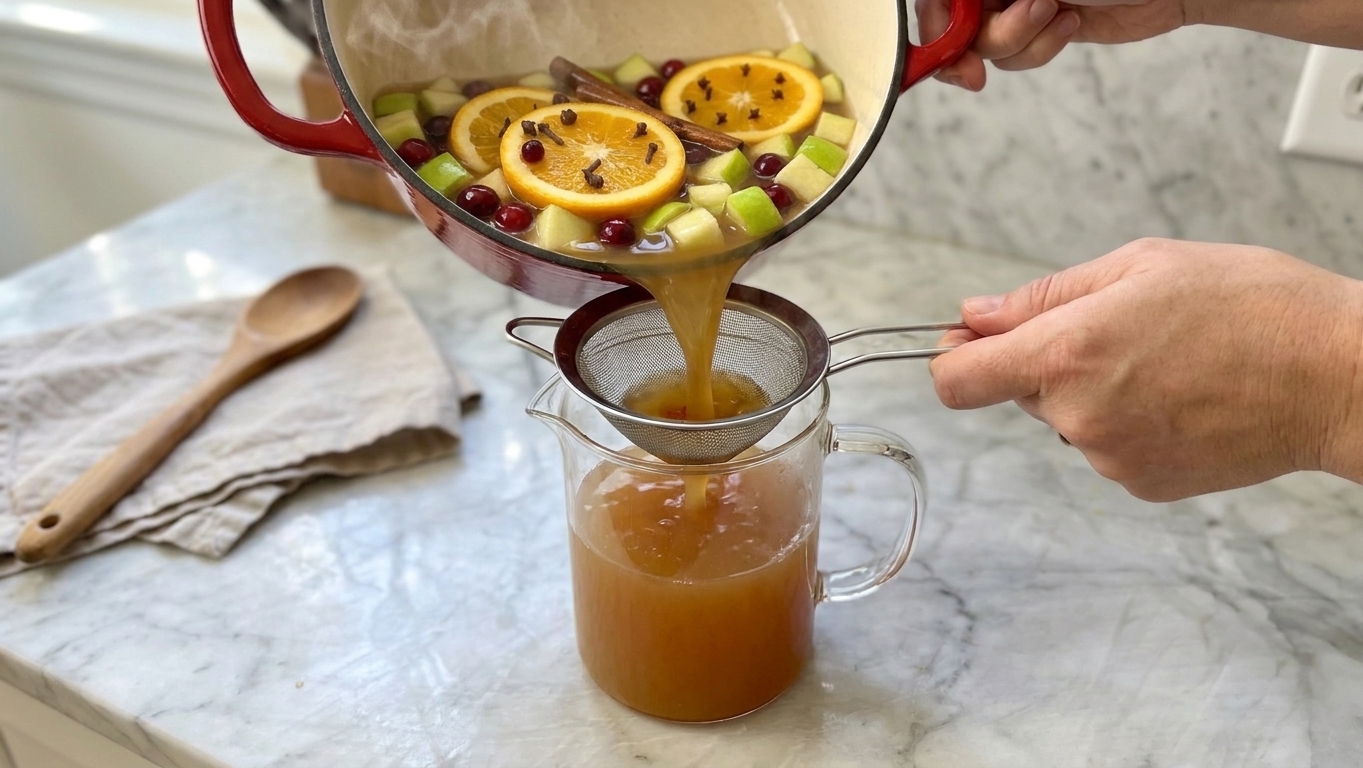
  • No bitterness: Gentle heat plus straining keeps cloves and orange peel from taking over.
  • Easy to customize: Make it sweeter, more citrusy, or add a splash of bourbon or rum for the adults.
  • Great for parties: Strain it, then keep it steaming on the lowest heat or on WARM in a slow cooker.

Pairs Well With

Storage Tips

Refrigerate

Cool the cider to room temp, then strain out the spices and citrus. Store in an airtight container in the fridge for up to 4 days for best quality. (How long it stays great depends on your cider and how it was handled, especially if it is unpasteurized.)

Reheat

Reheat gently on the stovetop over low heat until steaming hot. Avoid a hard boil, which can cook off some of the aroma and make the flavor taste less fresh.

Freeze

Freeze strained cider in a freezer-safe container for up to 3 months for best quality. Thaw overnight in the fridge, then warm slowly. Tip: leave a little headspace because liquids expand when frozen.

Common Questions

What is the difference between apple juice and apple cider?

In the U.S., apple cider usually means nonalcoholic, less filtered (often unfiltered) apple juice with a more robust, apple-forward flavor. Apple juice is typically clearer and can taste a little sweeter or flatter. If you use juice, go lighter on added sugar and lean into the spices and citrus. (And yes, in some countries “cider” means alcoholic. This recipe is for the nonalcoholic kind.)

Do I need to sweeten mulled cider?

Not always. Many store-bought ciders are already sweet. I start with 1 tablespoon of brown sugar or maple syrup after the cider has had a chance to steep, then add more to taste (up to 2 tablespoons).

How long should I mull it?

Plan for 25 to 35 minutes on low heat for great flavor. You can hold it warm longer, but I recommend straining out the spices and citrus after about 1 hour to prevent bitterness, especially from cloves and orange peel.

Can I make this in a slow cooker?

Yes. Cook on LOW for 2 to 3 hours, then switch to WARM. For best flavor control, strain out the spices once it tastes right.

What alcohol goes well with mulled cider?

Bourbon, dark rum, spiced rum, or brandy are all great. Add alcohol to the mug, not the pot, so everyone can choose their own adventure and the cider stays family-friendly.

I love mulled cider because it feels like cooking, but it is really just organized steeping. When I was chasing practical skills over culinary school vibes, this was the kind of thing that taught me a real kitchen lesson: temperature control matters. The difference between warm, spiced comfort and bitter, overcooked sadness is basically one setting on the stove. Keep it low, taste often, and suddenly you are the person who always has something cozy ready when people walk in.