Mom's Best Recipes
Recipe

Nasi Goreng

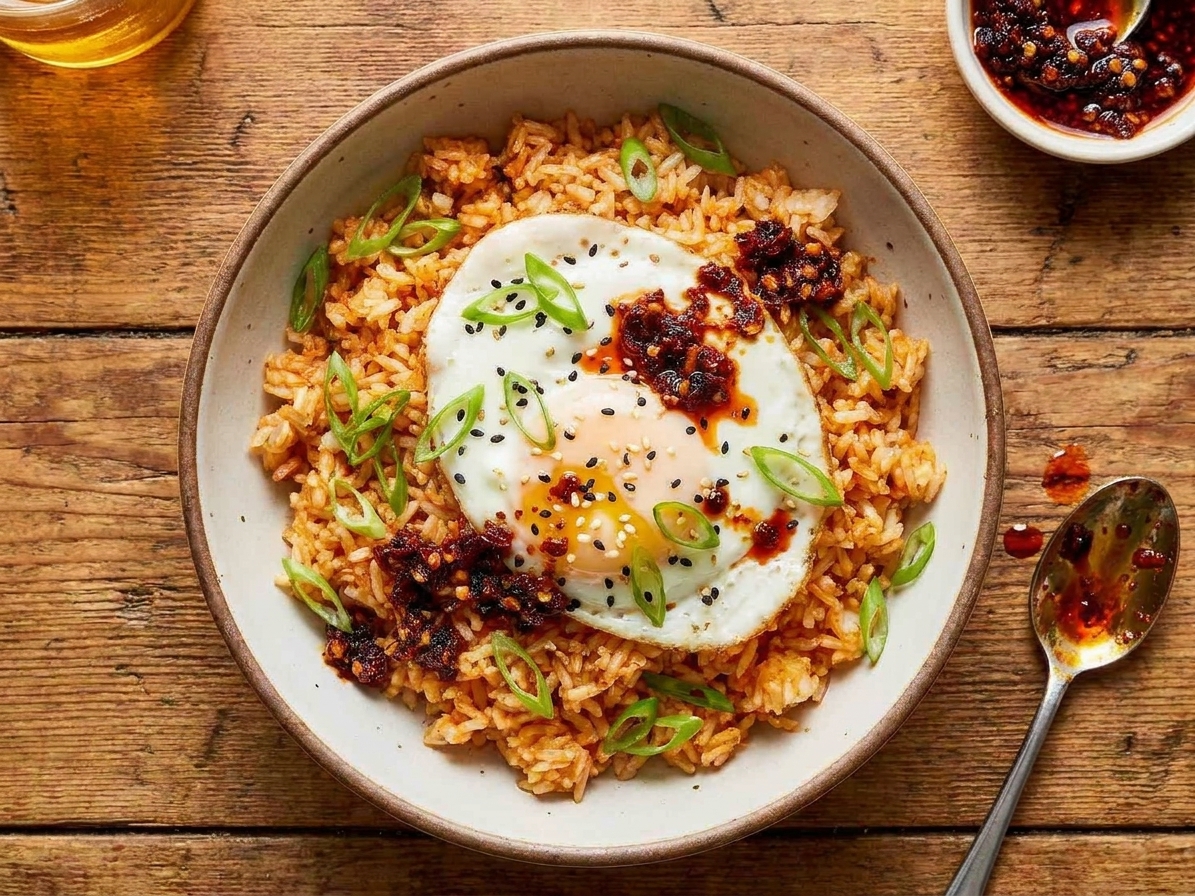
Indonesian fried rice with sweet soy, sambal, and crisp edges, finished with a fried egg and crunchy toppings.

Author By Matt Campbell
4.8
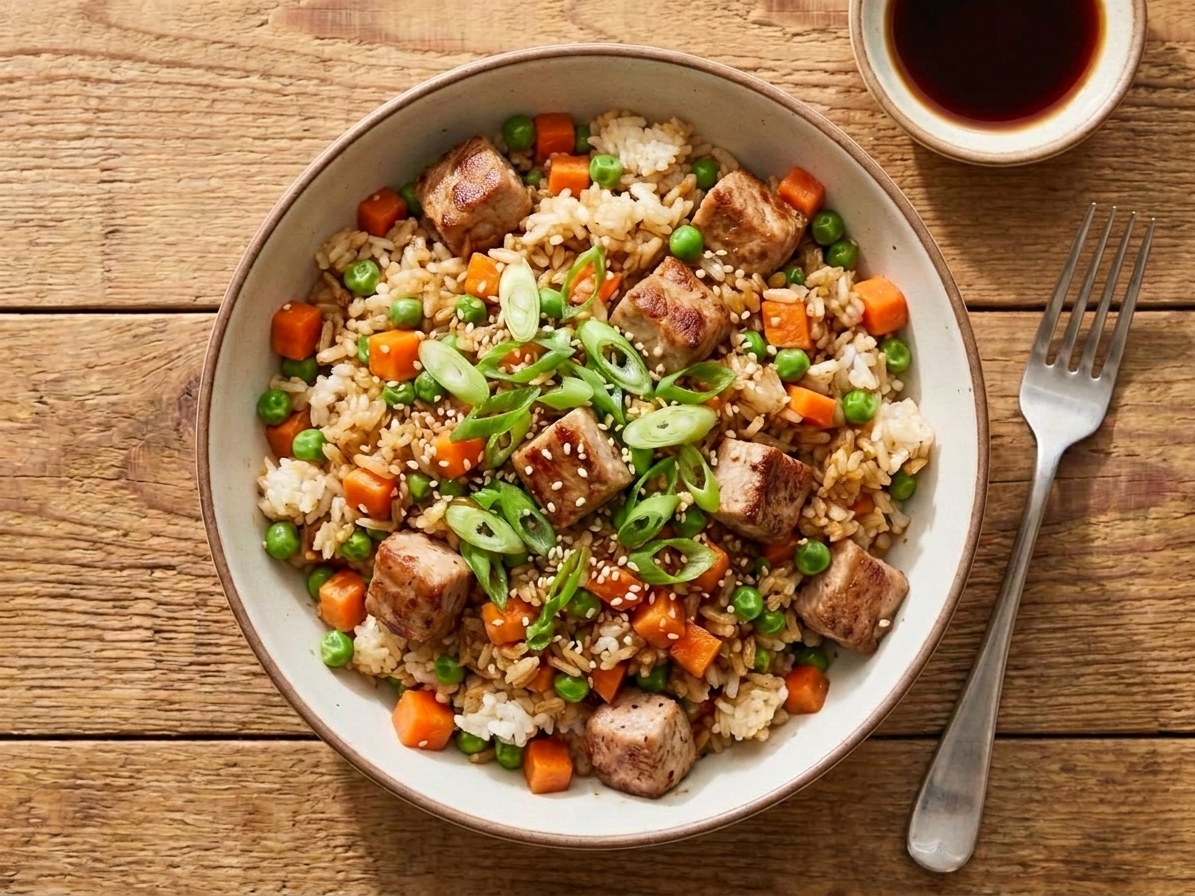
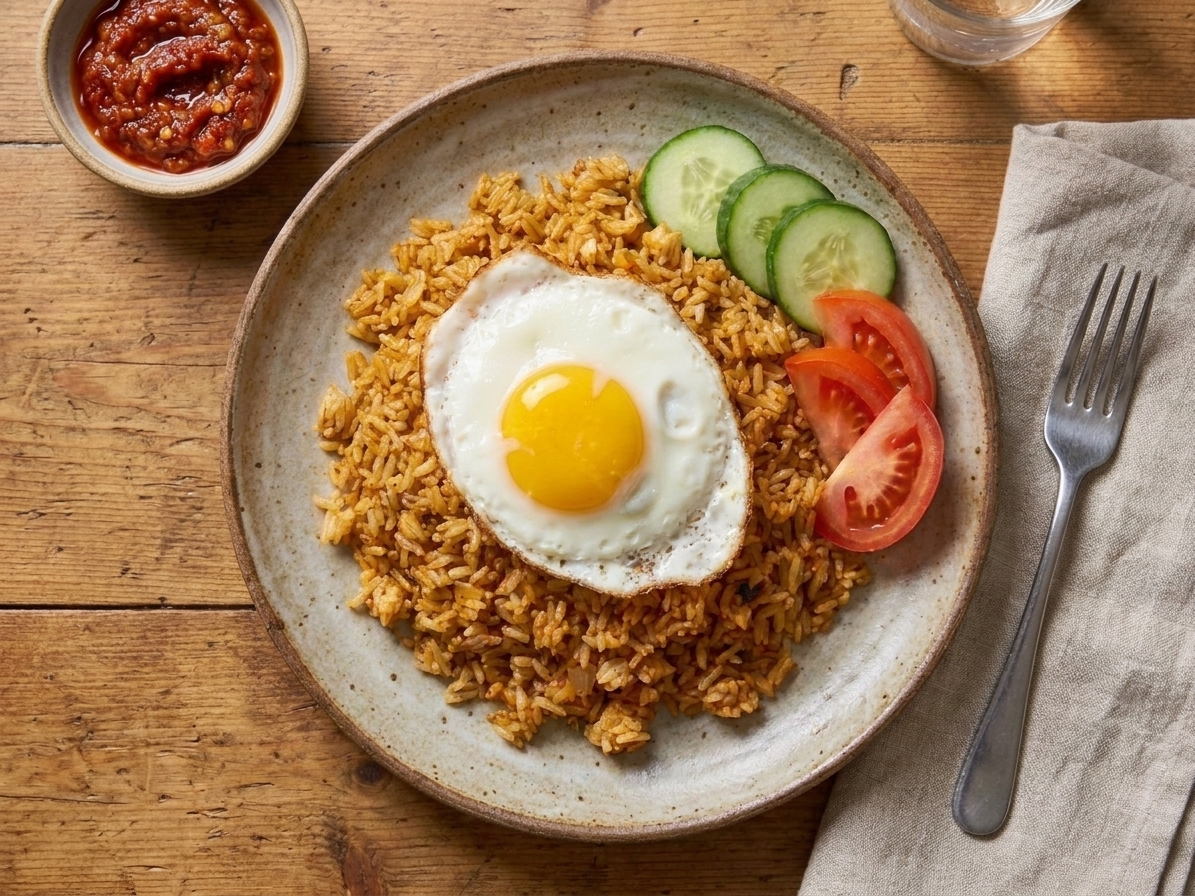
A plated serving of nasi goreng on a white plate topped with a sunny-side-up egg, sliced cucumber and tomato on the side, warm kitchen table setting

Nasi goreng is one of those dishes that makes leftovers feel like a flex. It is fried rice, yes, but with its own personality: a little sweet (thanks to kecap manis, Indonesian sweet soy sauce), a little spicy (hello, sambal), and the kind of savory depth that makes you keep taste testing straight out of the pan.

This is my weeknight version for Mom’s Best Recipes. It is accessible, low drama, and built for real kitchens. If you have day-old rice, a couple eggs, and anything in the fridge that can be chopped, you are basically already holding the keys.

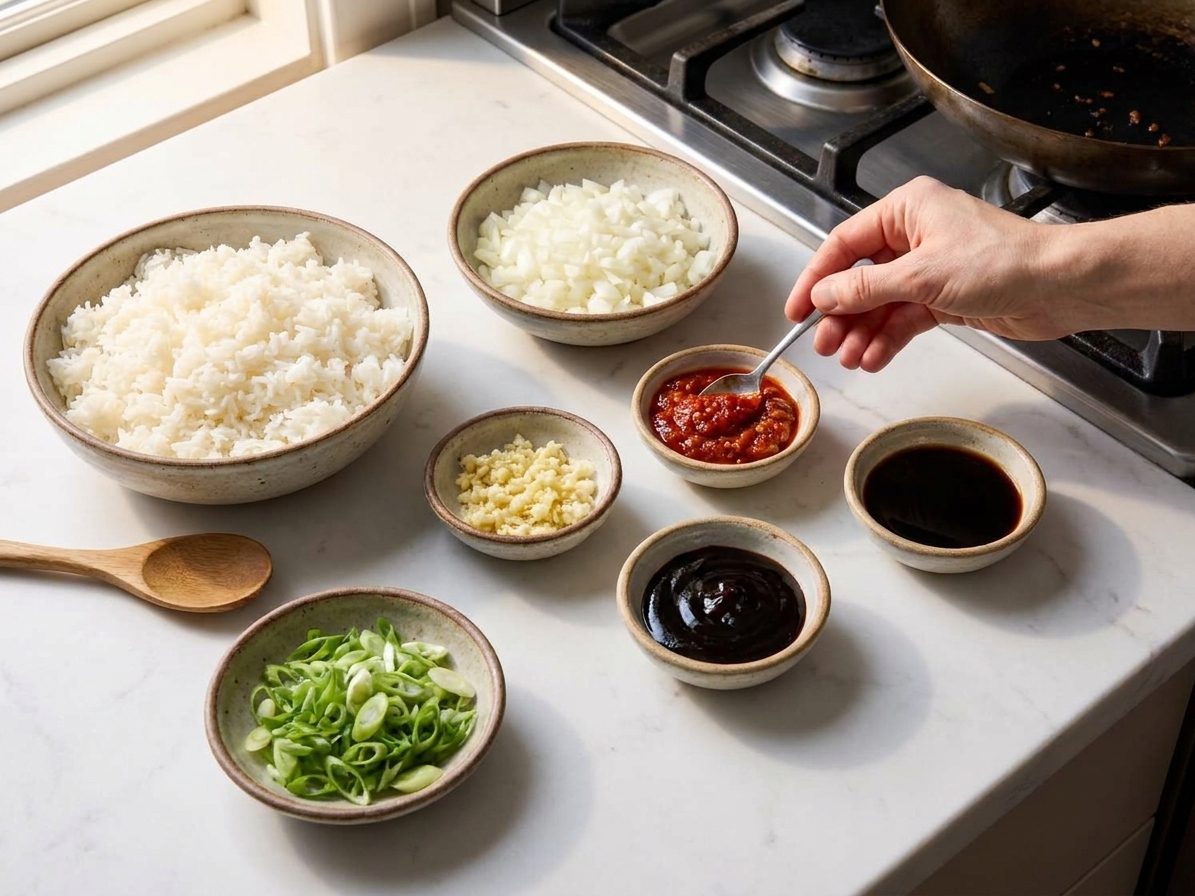
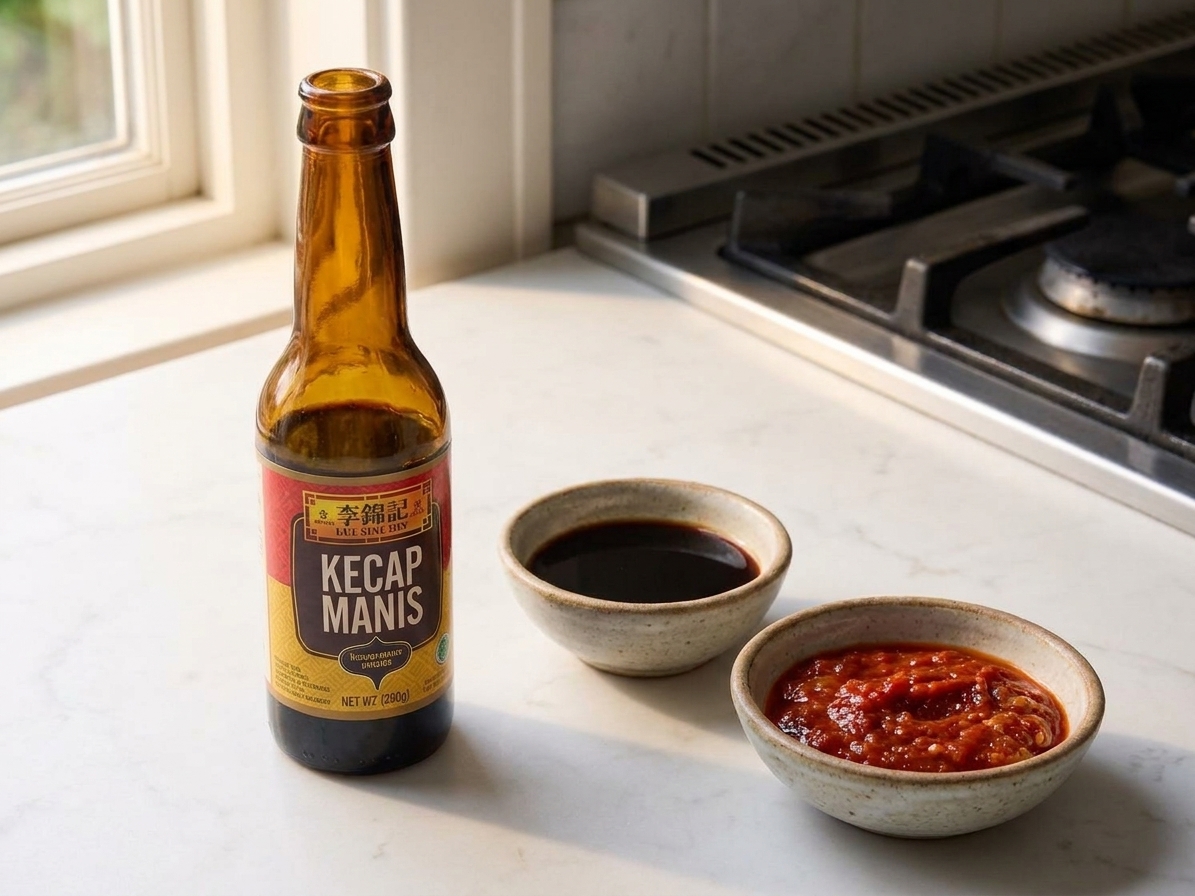
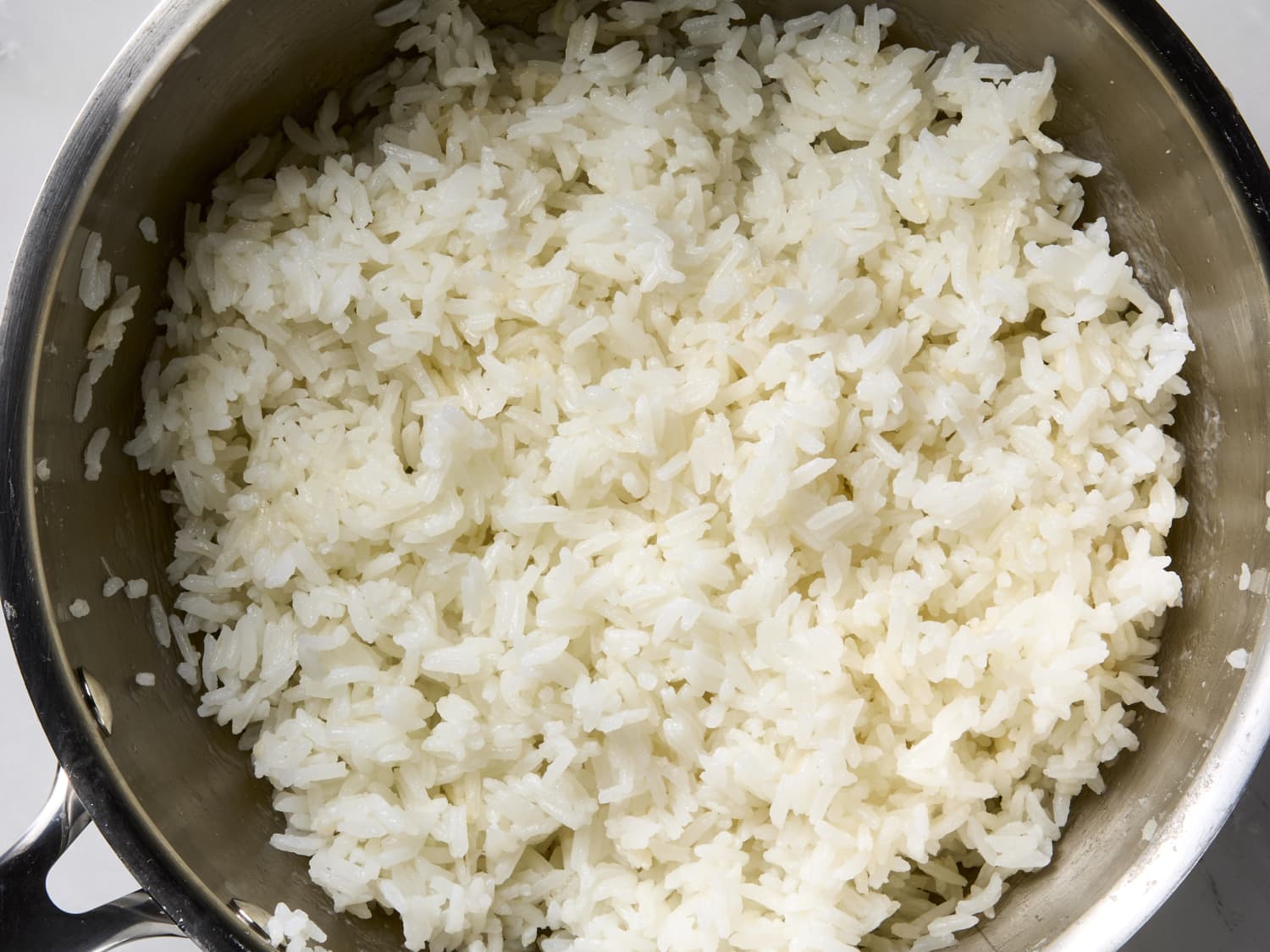
Bowls of cooked rice, chopped onion, minced garlic, sambal, kecap manis, soy sauce, and sliced green onions laid out on a clean kitchen counter with warm lighting

Why It Works

  • Day-old rice = crispier rice. Cold, dried-out grains fry up with those golden edges instead of turning into a soft pile.
  • Kecap manis does a lot of heavy lifting. It brings sweetness, salt, and caramel-y depth in one move.
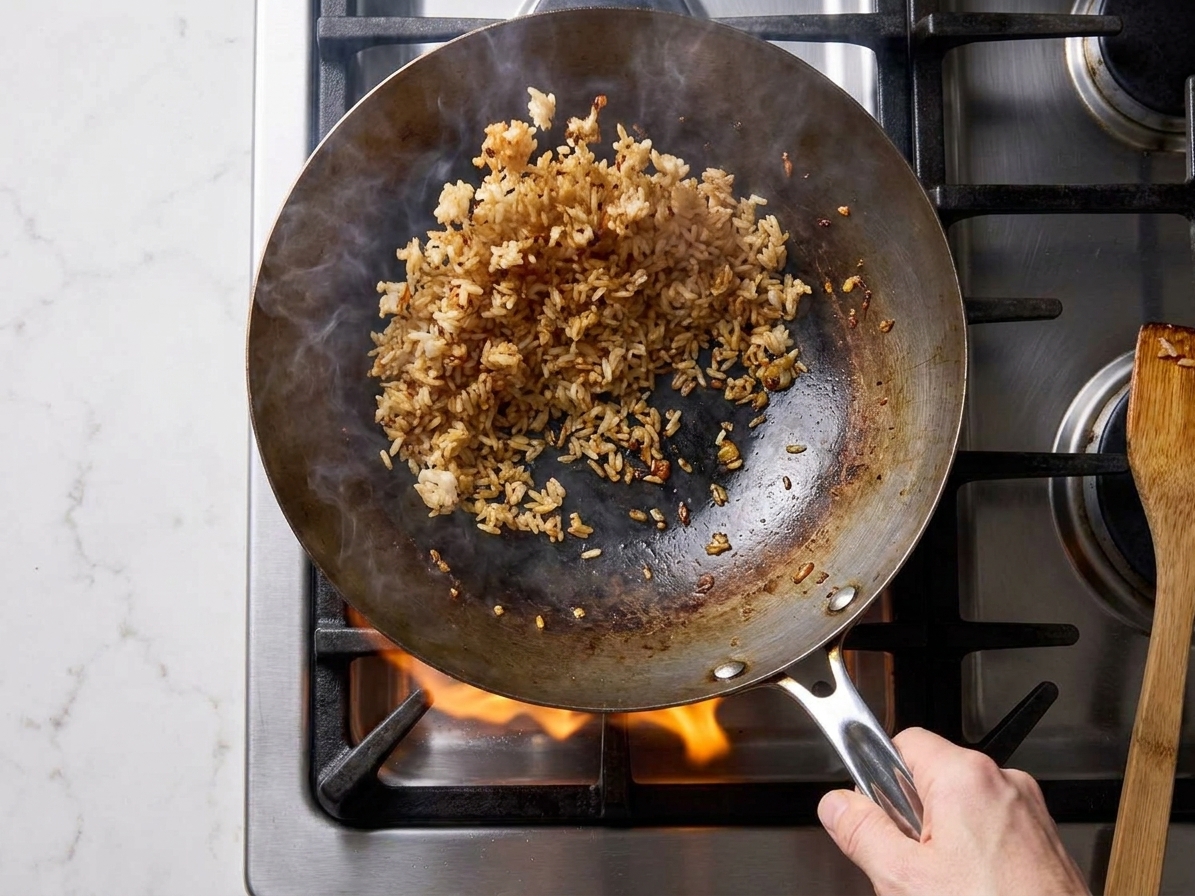
  • Big heat, quick cooking. Nasi goreng is at its best when ingredients hit a hot pan fast so they char slightly and stay punchy.
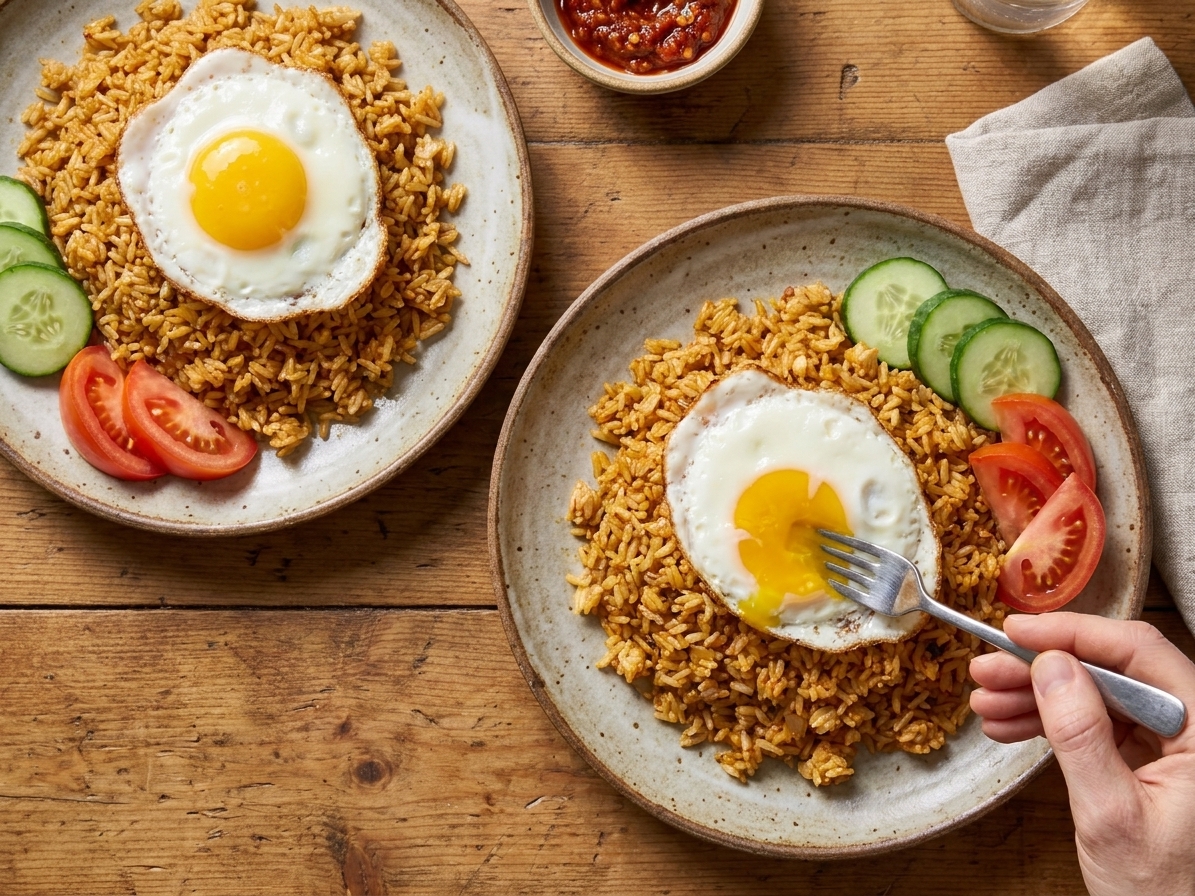
  • The egg on top is not optional in spirit. A runny yolk turns the rice into instant sauce and makes the whole bowl feel extra cozy.

Pairs Well With

Storage Tips

Refrigerate: Cool the rice quickly, then store in an airtight container for 3 to 4 days. Rice is a higher-risk leftover, so do not let it sit out. Get it into the fridge within 1 to 2 hours (closer to 1 hour if your kitchen is warm). For best results, spread freshly cooked rice on a sheet pan to cool faster before refrigerating. Also, cool and refrigerate rice promptly the day it is cooked. Do not use rice that sat out for hours.

Reheat: Best is a hot skillet with a small splash of water or oil, tossing until piping hot throughout. Microwave works too. Cover loosely and add a teaspoon of water to keep it from drying out.

Freeze: Freeze in flat portions for up to 2 months for best quality. Thaw overnight in the fridge or reheat from frozen in a covered skillet on medium-low, then uncover and crisp it up.

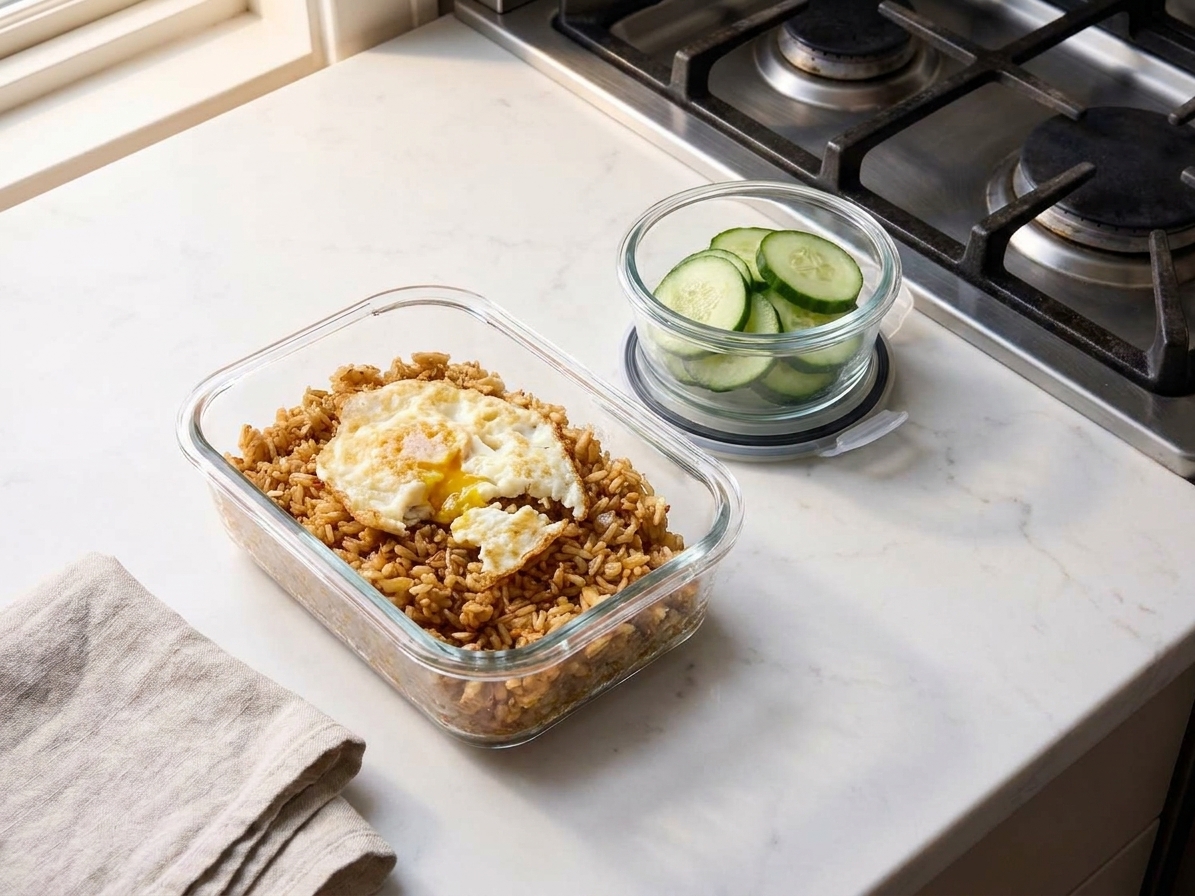
A glass meal prep container filled with leftover nasi goreng and a separate container with sliced cucumbers, set on a kitchen counter

Common Questions

What makes nasi goreng different from regular fried rice?

A common signature in many versions is kecap manis, which gives nasi goreng its darker color and sweet-savory flavor. Many versions also use sambal and sometimes shrimp paste (terasi) for extra punch.

Can I make it without kecap manis?

Yes. Mix 2 tablespoons soy sauce with 1 tablespoon brown sugar (or palm sugar if you have it). Simmer briefly until a little syrupy (30 to 60 seconds), then use as directed. It is not identical, but it gets you very close.

Is nasi goreng spicy?

It can be. This recipe keeps heat adjustable. Start with 1 teaspoon sambal and build from there. You should be able to taste the garlic and sweet soy, not just fire.

What protein works best?

Chicken, shrimp, or tofu are all great. Honestly, leftover rotisserie chicken is the weeknight cheat code. Just add it once the rice is hot so it warms through without drying out.

Any classic add-ins I can try?

If you want a more traditional edge, add 1/2 teaspoon terasi (shrimp paste) with the garlic and sambal and cook it for 30 seconds to bloom. You can also add a little extra kecap manis at the end if you like it darker and sweeter. Another classic topping is kerupuk (Indonesian crackers) for extra crunch.

How can I make it gluten-free or vegetarian?

Gluten-free: Use gluten-free soy sauce or tamari and make sure your kecap manis is gluten-free. Vegetarian: Skip fish sauce and use tofu or extra veggies.

My fried rice turns mushy. What am I doing wrong?

Usually it is one of three things: the rice is too fresh, the pan is not hot enough, or the pan is crowded. Use cold rice, crank the heat, and cook in batches if needed.

Nasi goreng is my favorite kind of kitchen chaos: one pan, high heat, a little bit of improvising, and suddenly your leftovers are wearing a tuxedo. The first time I made it, I tried to be precise and ended up overthinking the sauce. Now I do what I wish I did from the start: I taste as I go, I keep the heat up, and I let the rice get a little crisp because those browned bits are the whole point.