Mom's Best Recipes
Recipe

New England Clam Chowder

Creamy, peppery, bacon-kissed chowder with tender potatoes and briny clams. Comfort food that still feels bright and balanced.

Author By Matt Campbell
4.8
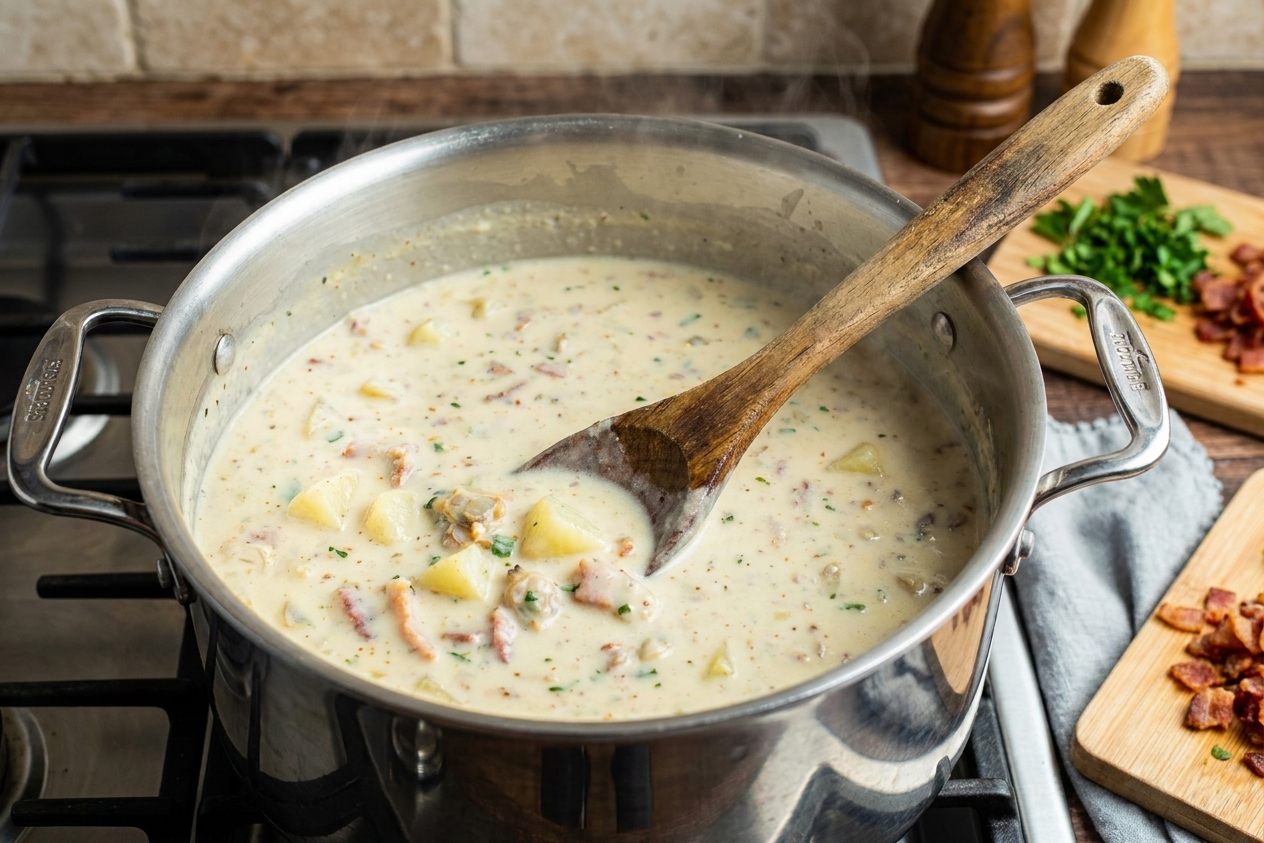
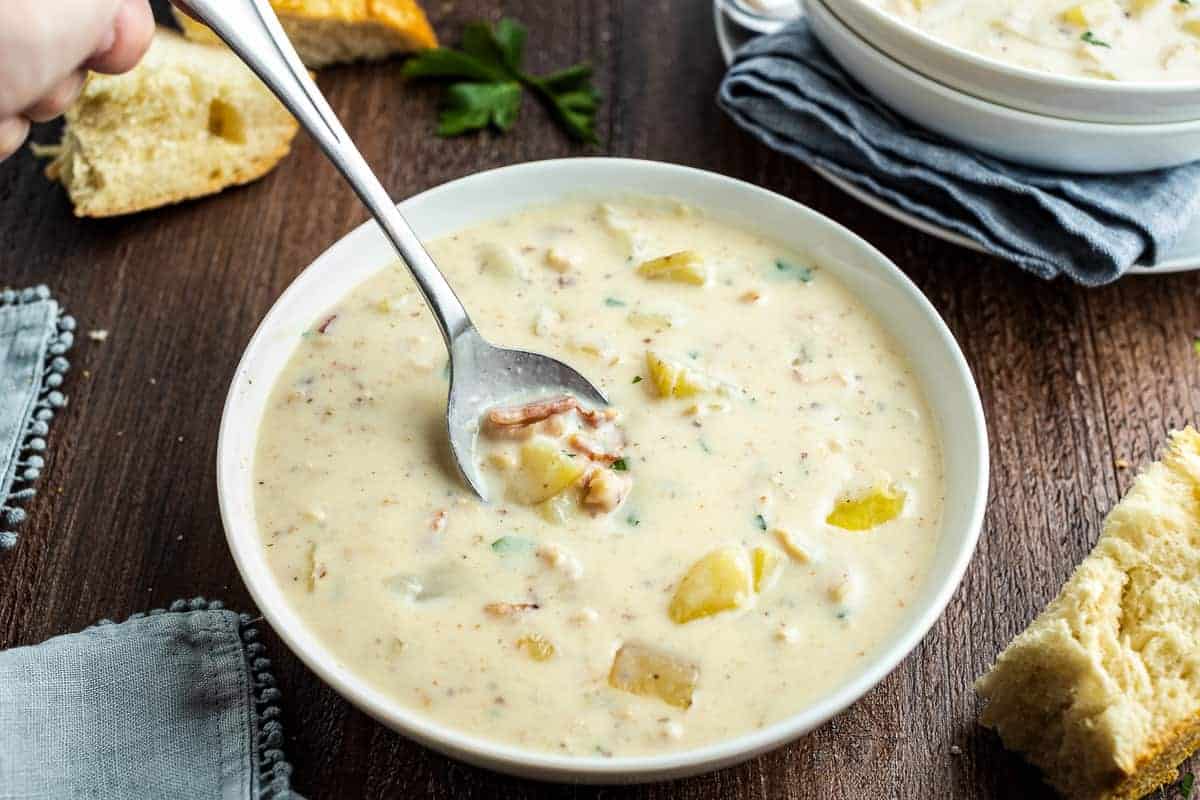
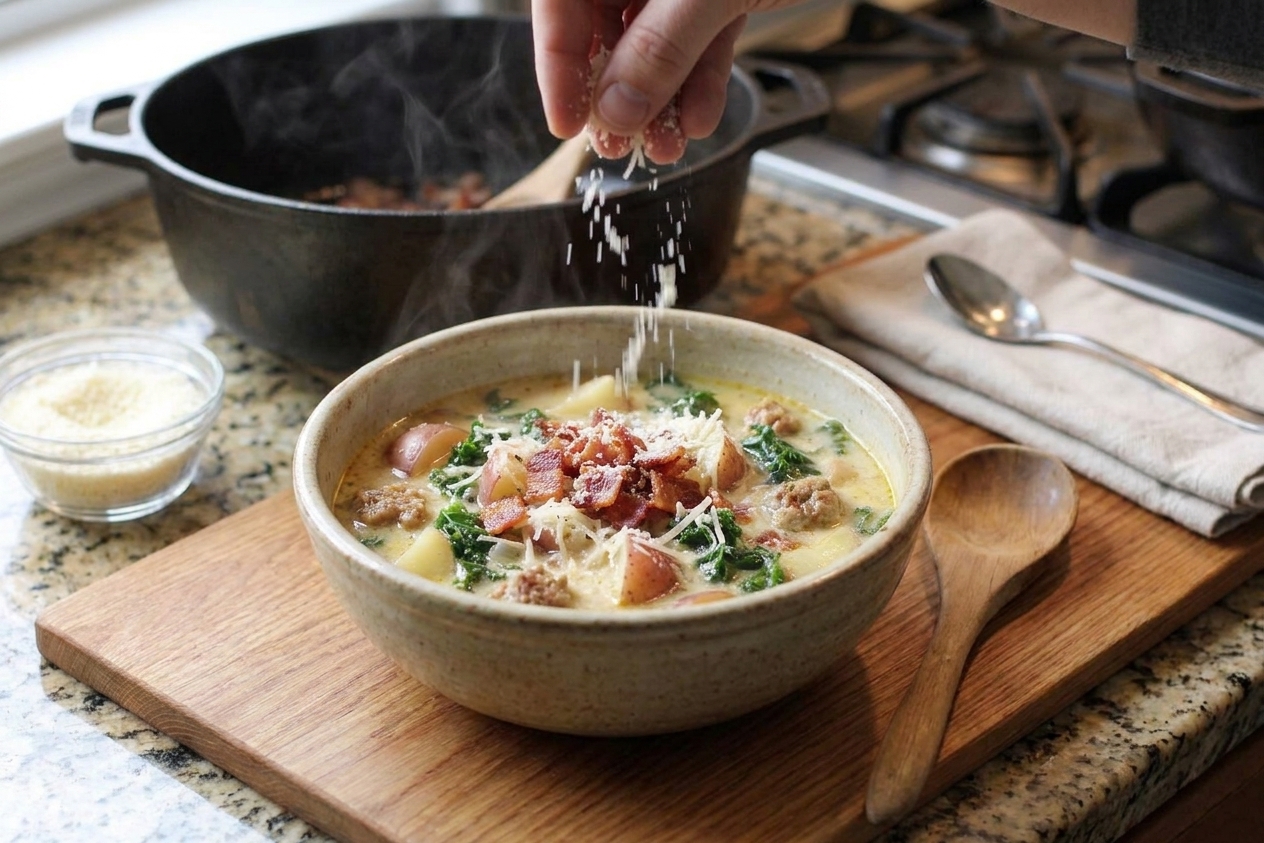
A steaming bowl of creamy New England clam chowder topped with crisp bacon and chopped parsley on a wooden table with oyster crackers nearby

If you have ever wanted to make New England clam chowder at home but assumed it required a chef coat and a seaside accent, I have good news. Chowder is mostly about building flavor in layers, keeping the heat gentle once dairy shows up, and not being shy with black pepper.

This version is my go-to: crisp bacon, silky onions, tender potatoes, and clams that taste like the ocean in the best way. It is cozy, but not heavy. It is classic, but not precious. And yes, it is absolutely allowed to eat it standing at the stove with a spoon while you “taste for seasoning.”
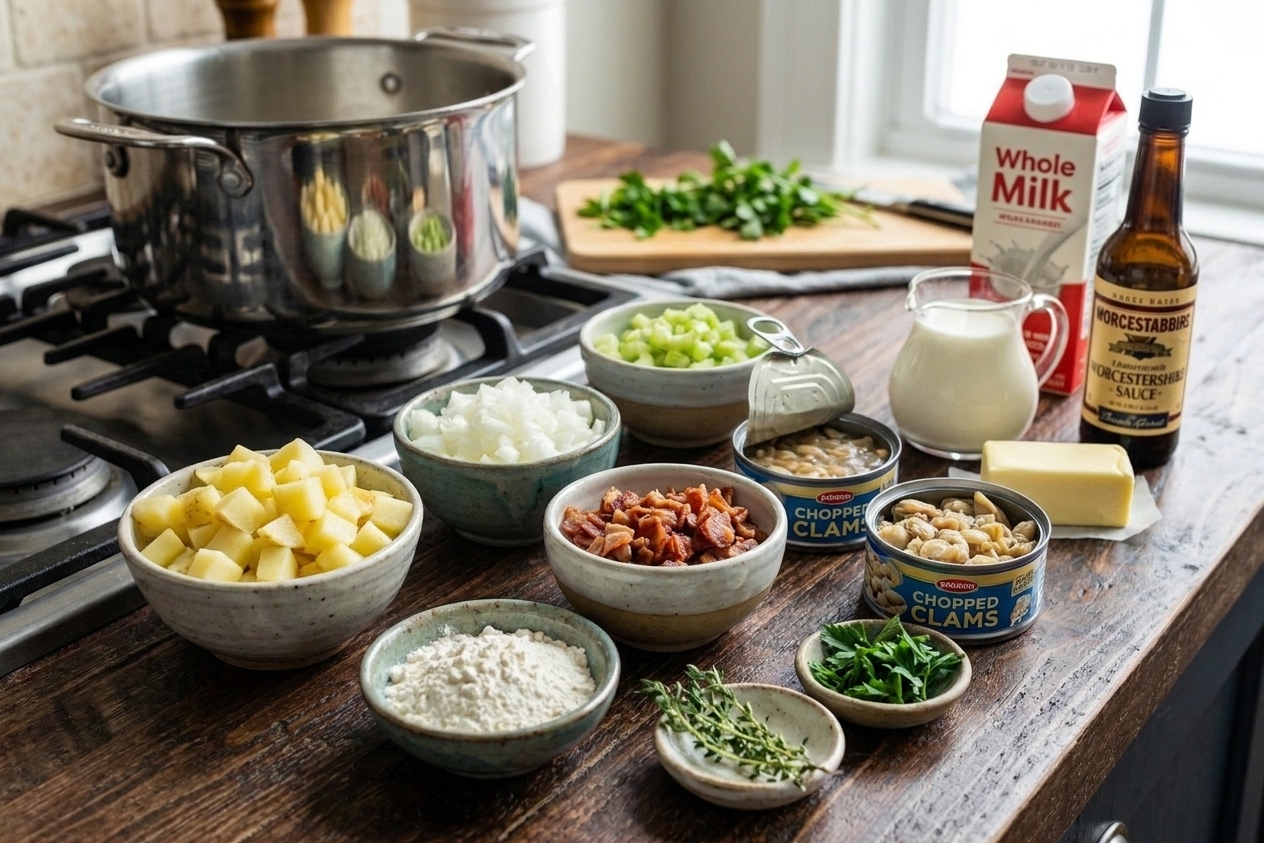
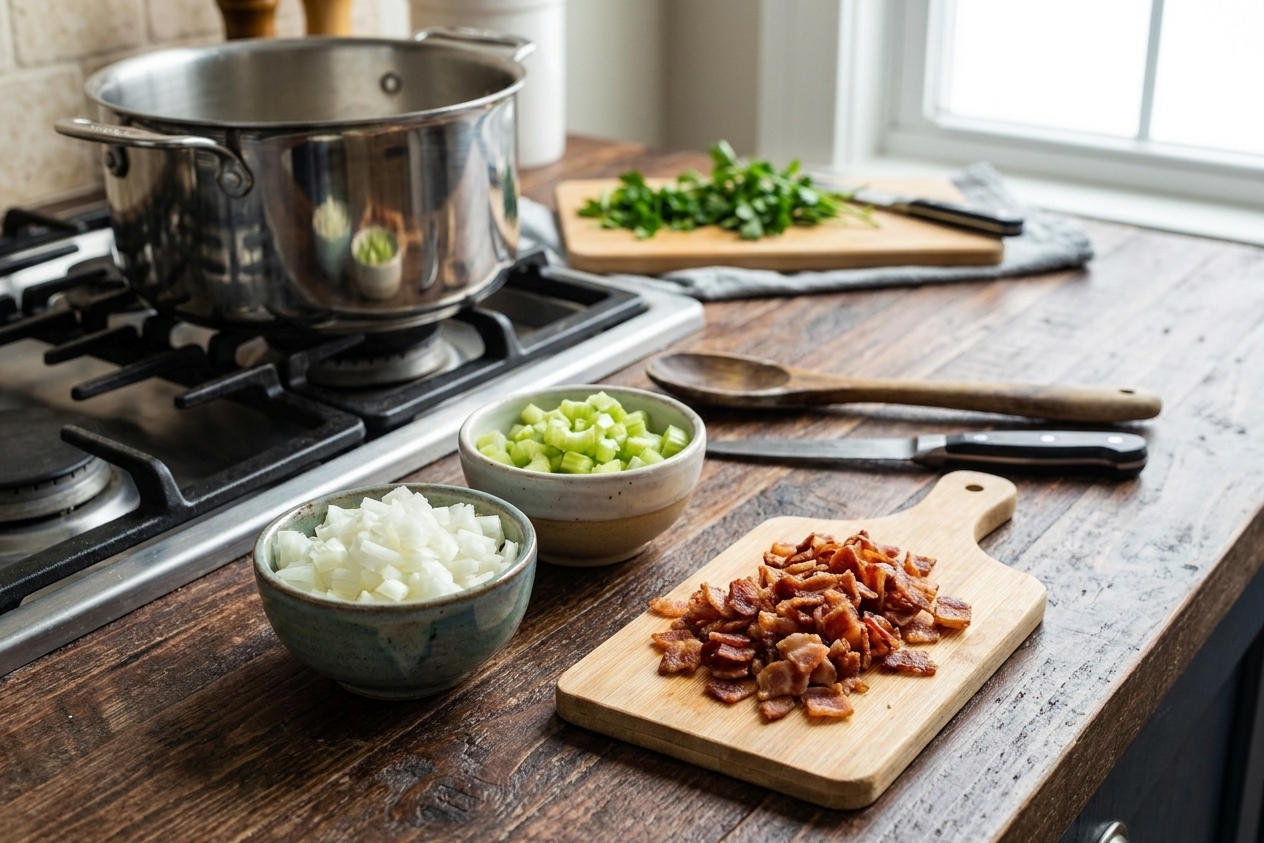
Clam chowder ingredients arranged on a kitchen counter including potatoes, onions, celery, canned clams, bacon, milk, cream, flour, and herbs in small bowls

Why It Works

  • Deep, savory base: Bacon fat plus a quick sauté of onion and celery gives you that “wow, it tastes like it simmered all day” effect.
  • Thick without being gluey: A small flour roux and starchy potatoes do the thickening, so it stays creamy, not gummy. Want it even thicker? Mash a few potatoes right in the pot.
  • Briny clams that stay tender: We add clams at the end so they warm through without turning chewy.
  • Balanced richness: Half-and-half style creaminess with plenty of black pepper and a little lemon if you want a lift.

Pairs Well With

Storage Tips

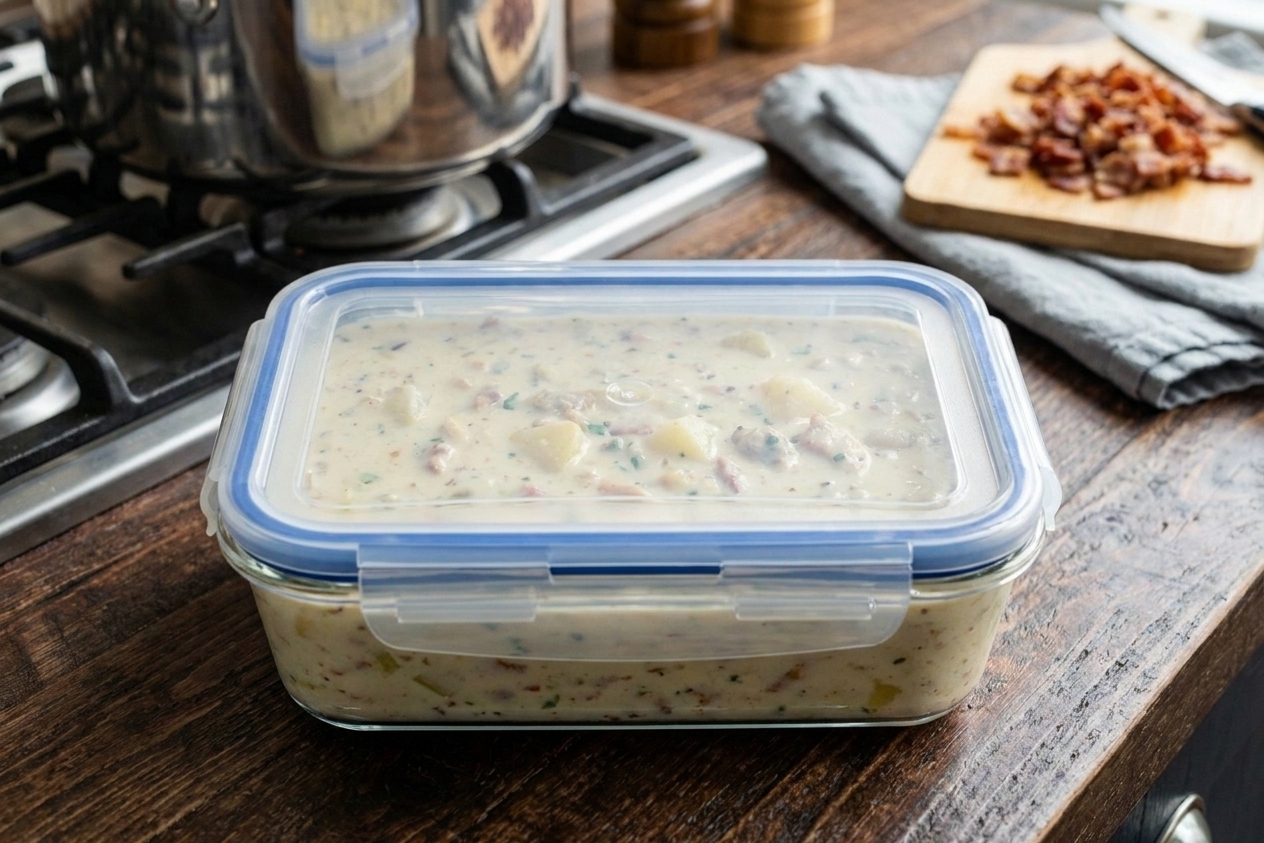
Refrigerate: Cool chowder quickly, then store in an airtight container for up to 3 days.

Reheat gently: Warm over low heat, stirring often. Do not boil. If it looks too thick, loosen with a splash of milk, half-and-half, broth, or a little water.

Freezing: Cream-based soups can separate after freezing. If you still want to freeze it, do it for up to 1 month and reheat slowly. Whisk as it warms and consider finishing with a small splash of cream to help bring it back together.

A glass meal prep container filled with clam chowder with a tight lid sitting on a kitchen counter

Common Questions

Can I use fresh clams instead of canned?

Absolutely. Steam about 2 to 2 1/2 pounds littleneck clams with a splash of water until they open, then chop the meat. You are aiming for roughly 1 to 1 1/2 cups chopped clam meat (yields vary). Strain the cooking liquid through a fine mesh sieve and use it in place of the clam juice (or as part of your total broth).

How do I keep chowder from curdling?

Once you add milk or cream, keep it at a gentle simmer, not a boil. Prevention is the real fix here. If it starts to look a little grainy (but not fully separated), pull it off the heat and whisk in a splash of cold cream to help it smooth out.

Why is my chowder too thin?

Simmer a few more minutes uncovered, and mash a few potato chunks against the side of the pot. If it still needs help, mix 1 tablespoon flour with 2 tablespoons cold milk and whisk it in, then simmer 3 to 5 minutes.

Why is my chowder too thick?

Easy fix. Stir in a little milk, half-and-half, broth, or clam juice until it is the consistency you like.

What is the difference between New England and Manhattan clam chowder?

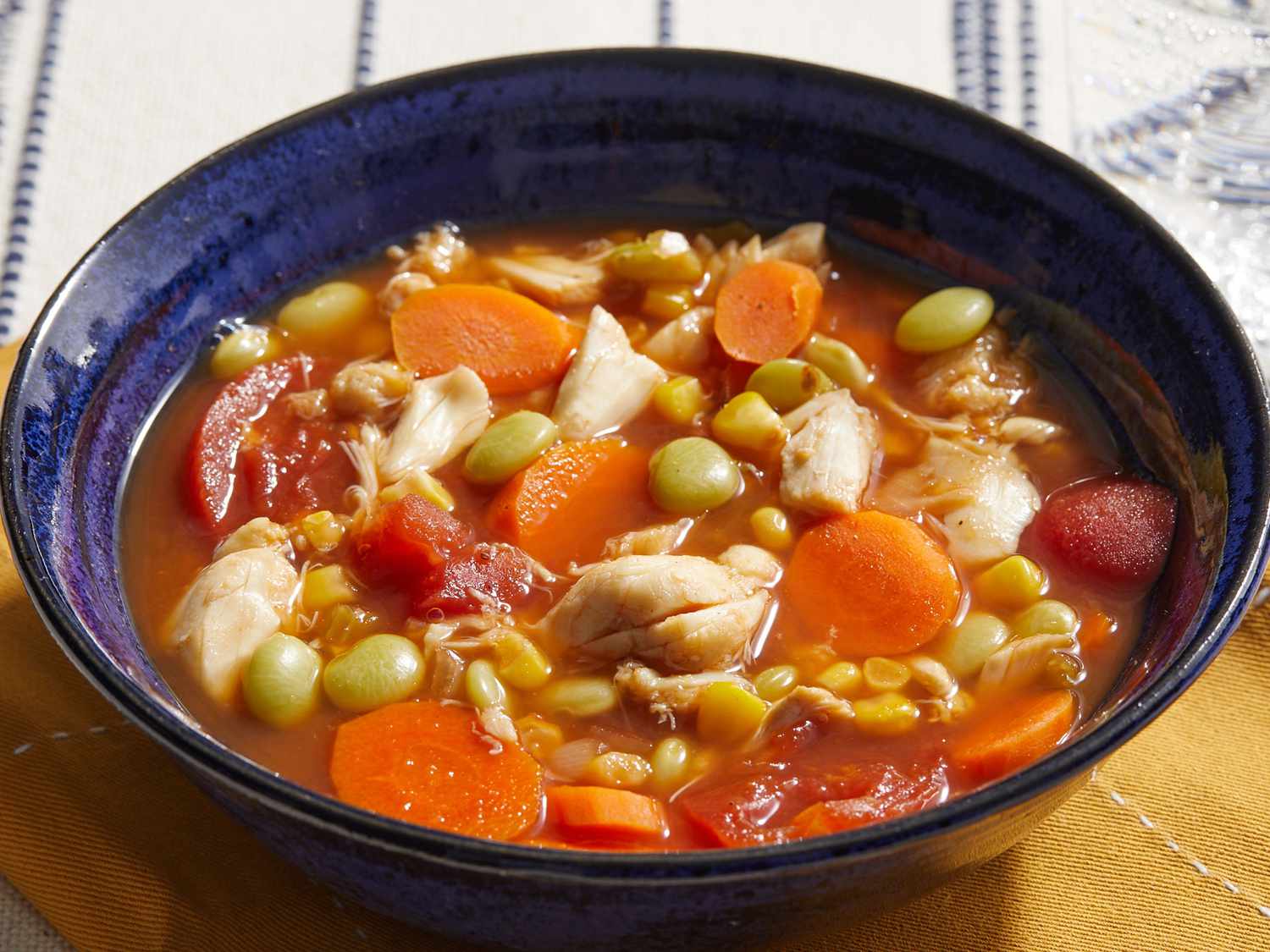
New England is creamy and dairy-based. Manhattan is tomato-based and more brothy. Both are great, but they are totally different moods.

The first time I made clam chowder at home, I treated it like a science project. Thermometer out, stirring like my life depended on it, terrified I would break the dairy. Now I make it like a friend cooking for friends: bacon first, onions until they smell sweet, potatoes until they are just soft, clams at the end. The whole thing tastes like you put in way more effort than you actually did, which is honestly my favorite kind of recipe.