Mom's Best Recipes
Recipe

Nutritious Smoked Ribs Recipe

Bold, smoky ribs with a spice-forward rub, a tangy vinegar-yogurt mop (optional), and a bright lower-sugar BBQ sauce that keeps things flavorful, not heavy.

Author By Matt Campbell
4.8
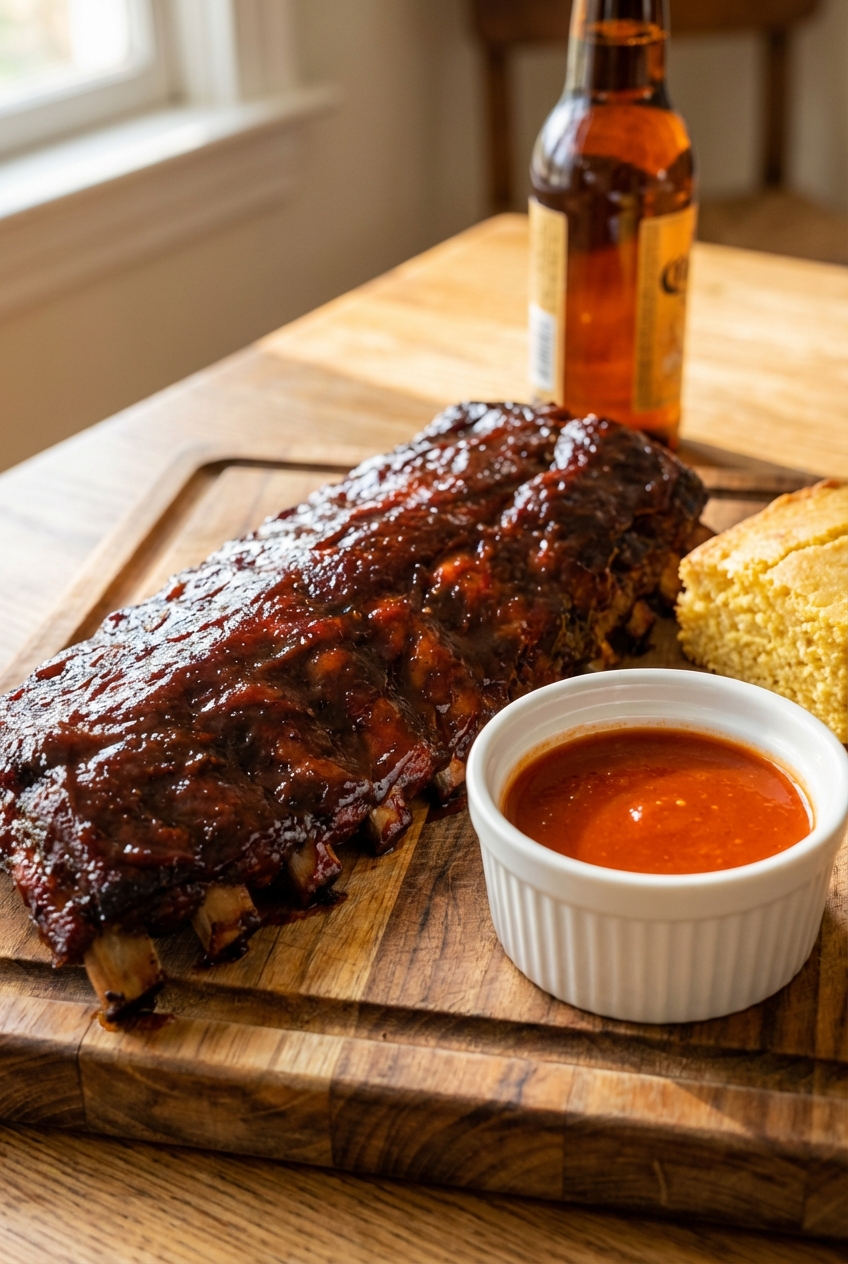
A real photograph of smoked pork ribs on a wooden cutting board with a glossy barbecue glaze and a small bowl of bright vinegar-based sauce on the side

Smoked ribs are one of those foods that feel like a flex, even when you keep the process pretty low drama. The trick is building flavor in layers so you do not have to lean on a mountain of sugar or a thick, sticky sauce to make them exciting. This version goes bold with a paprika-forward rub, bright with a quick vinegar-forward sauce, and cozy with that slow-smoked tenderness that makes people hover near the cutting board.

And yes, we are calling them “nutritious” on purpose. Not because ribs suddenly become a salad, but because we keep things more balanced: lower added sugar, smart flavor boosters like mustard and vinegar, and an optional tangy mop (or simple spritz) to help the ribs stay juicy without turning into a candy glaze situation. You still get crisp edges, a great bark, real smoke flavor, and often a nice smoke ring if your cooker is feeling generous.
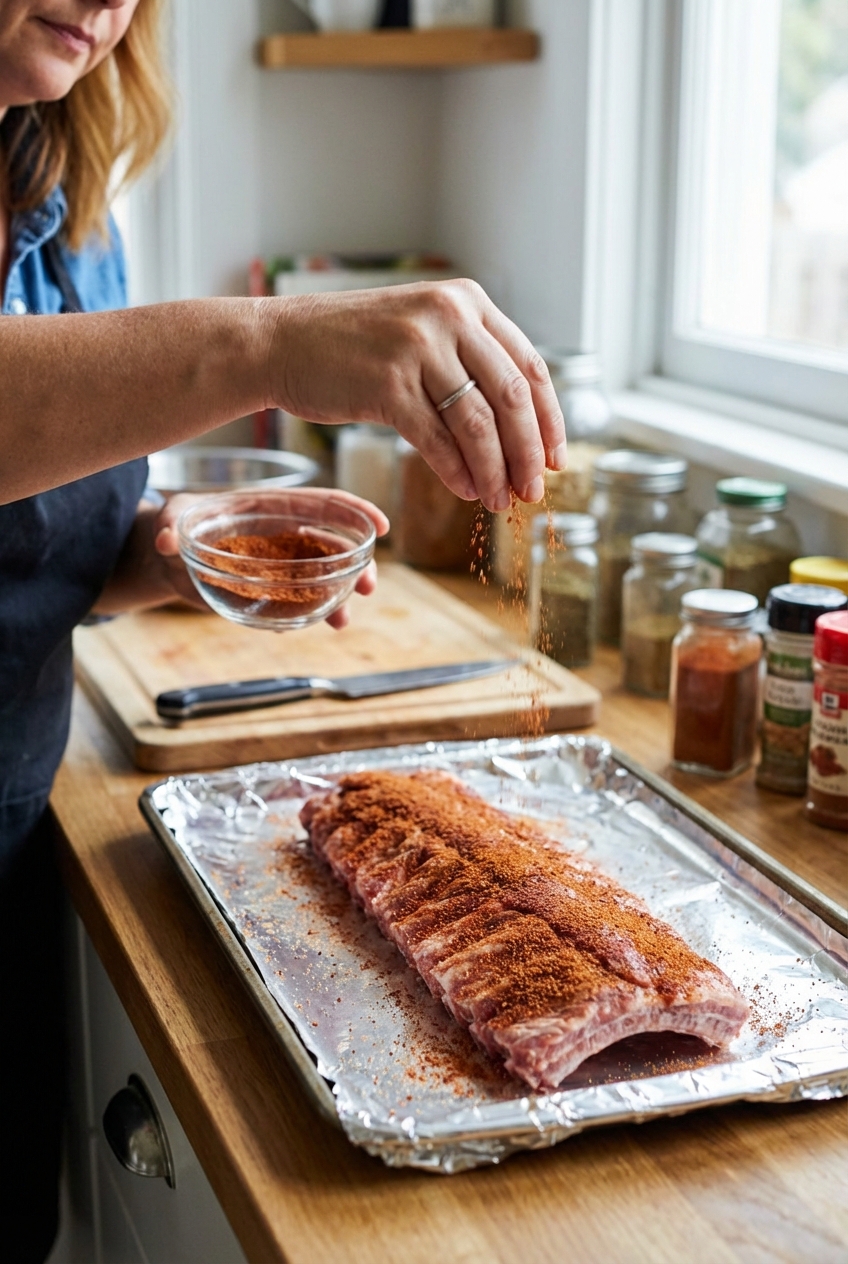
A real photograph of a hand sprinkling a paprika-based dry rub over a rack of ribs on a sheet pan in a home kitchen

Why It Works

  • Big flavor without the sugar crash: Tomato, vinegar, spices, and a little honey bring balance, not syrupy sweetness.
  • Tender, not mushy: Low and slow cooking, plus simple tenderness tests, gets you that perfect bite where the meat pulls cleanly off the bone.
  • Moisture insurance (your choice): A tangy, thin mop or a vinegar spritz helps keep ribs juicy without drowning the bark.
  • Easy to customize: Dial heat up with cayenne, go sweeter with extra honey, or keep it sharp with more vinegar.

Pairs Well With

Storage Tips

Cool fast: Let ribs rest until just warm, then refrigerate within 2 hours.

  • Fridge: Store in an airtight container for 3 to 4 days. Keep sauce separate if you can so the bark stays happier.
  • Freezer: Wrap portions tightly and freeze up to 2 months. For best texture, freeze with a little sauce on the side, not drenched.

Reheat (best method): Wrap ribs in foil with a splash of water, broth, or apple cider vinegar. Warm at 275°F for 20 to 35 minutes until hot. Unwrap for the last 5 minutes to wake up the edges, then brush with sauce.

Microwave method: Works in a pinch. Cover and heat in short bursts with a damp paper towel to prevent drying out.

Common Questions

Are smoked ribs healthy?

Ribs are still a rich cut, so think of this as a more balanced way to do ribs, not a magic trick. This recipe keeps added sugar lower than many BBQ versions, leans on vinegar, mustard, and spices for big flavor, and uses a light mop or spritz to help the meat stay juicy without needing a thick, sticky glaze. Pair with veggie-heavy sides and you have a satisfying meal that does not feel like a sugar bomb.

What temperature should ribs be when they are done?

Temperature is a helpful guide, but ribs are really about tenderness. A common finish range is about 195°F to 203°F in the thickest meat, or when a probe slides in with little resistance, the rack passes the bend test (it flexes and the surface cracks slightly), and the bones wiggle a bit. Use the number as a checkpoint, not a finish line.

Do I need to remove the membrane?

Yes, if it is still on. Removing it helps seasoning and smoke penetrate, and it improves bite-through texture. Slide a butter knife under it, grab with a paper towel, and peel.

Can I do this on a gas grill?

Absolutely. Set up for indirect heat, keep the grill around 250°F to 275°F, and use a smoker box or a foil packet of wood chips. Keep a drip pan under the ribs.

Do I have to wrap ribs?

No, but wrapping (the Texas crutch) speeds things up and softens the bark. This recipe gives you both options. If you love crisp edges, keep them unwrapped longer and sauce at the end.

Will a yogurt mop curdle?

It can, especially if it goes on too thick or your cooker runs hot. Keep it very thin (think brushable, not creamy), apply it as a light film, and treat it as optional. If you want zero risk, use a simple spritz of apple cider vinegar and water instead (see the mop notes in the ingredients).

The first time I tried to make ribs “healthier,” I made them sad. I went too lean, too light, and somehow managed to remove the joy. So I changed my approach: keep the ribs honest, keep the smoke doing the heavy lifting, and get strategic with flavor. A punchy rub, an optional tangy mop (with a no-drama vinegar spritz if you want it), and a sauce that tastes like barbecue without tasting like dessert. Now these are the ribs I make when I want people to feel taken care of, but I also want to feel good after eating them.