Mom's Best Recipes
Recipe

Old Fashioned Meatloaf

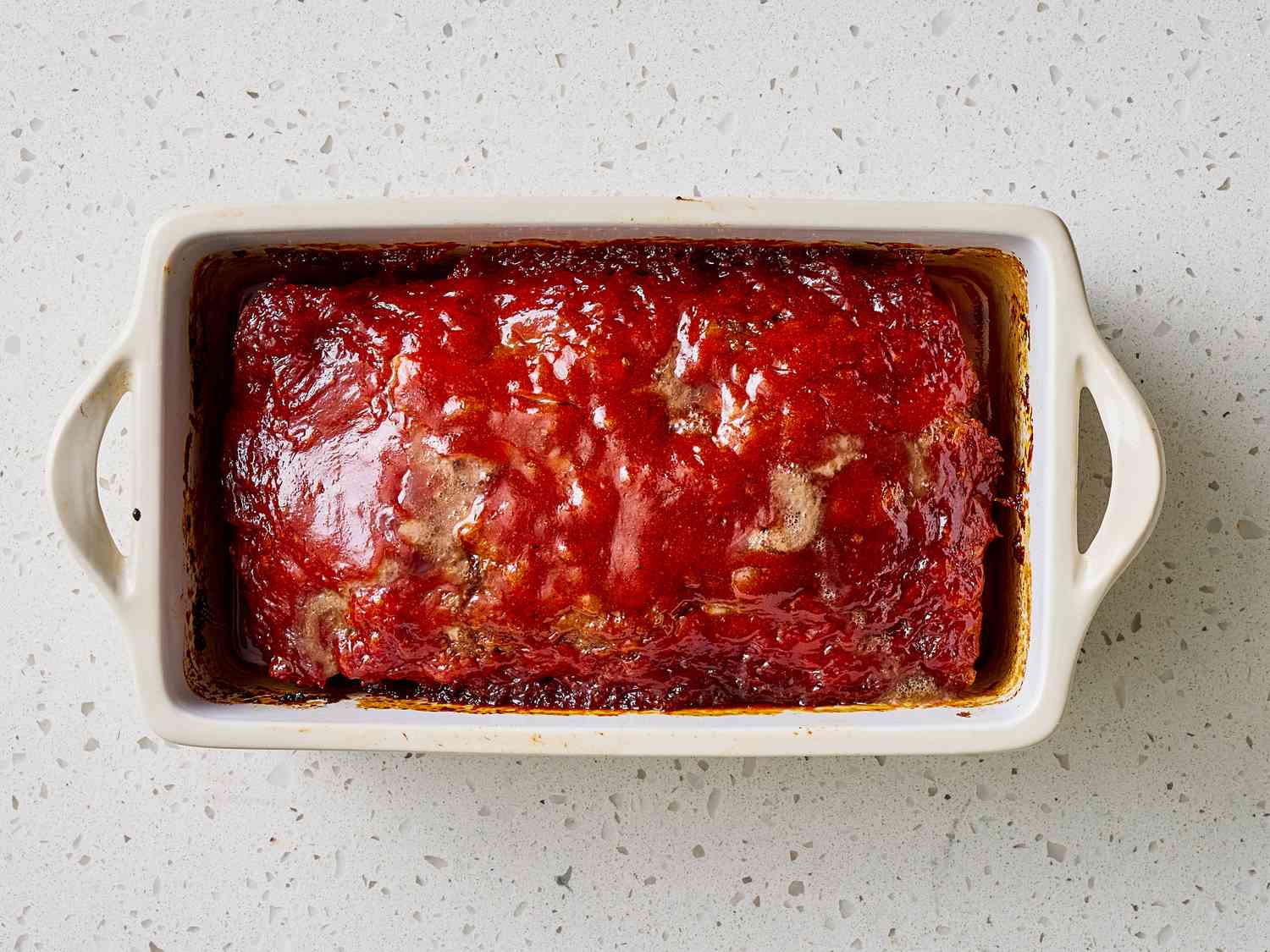
Tender, juicy, classic meatloaf with a sweet tangy glaze and those crisp, browned edges everyone fights over.

Author By Matt Campbell
4.8
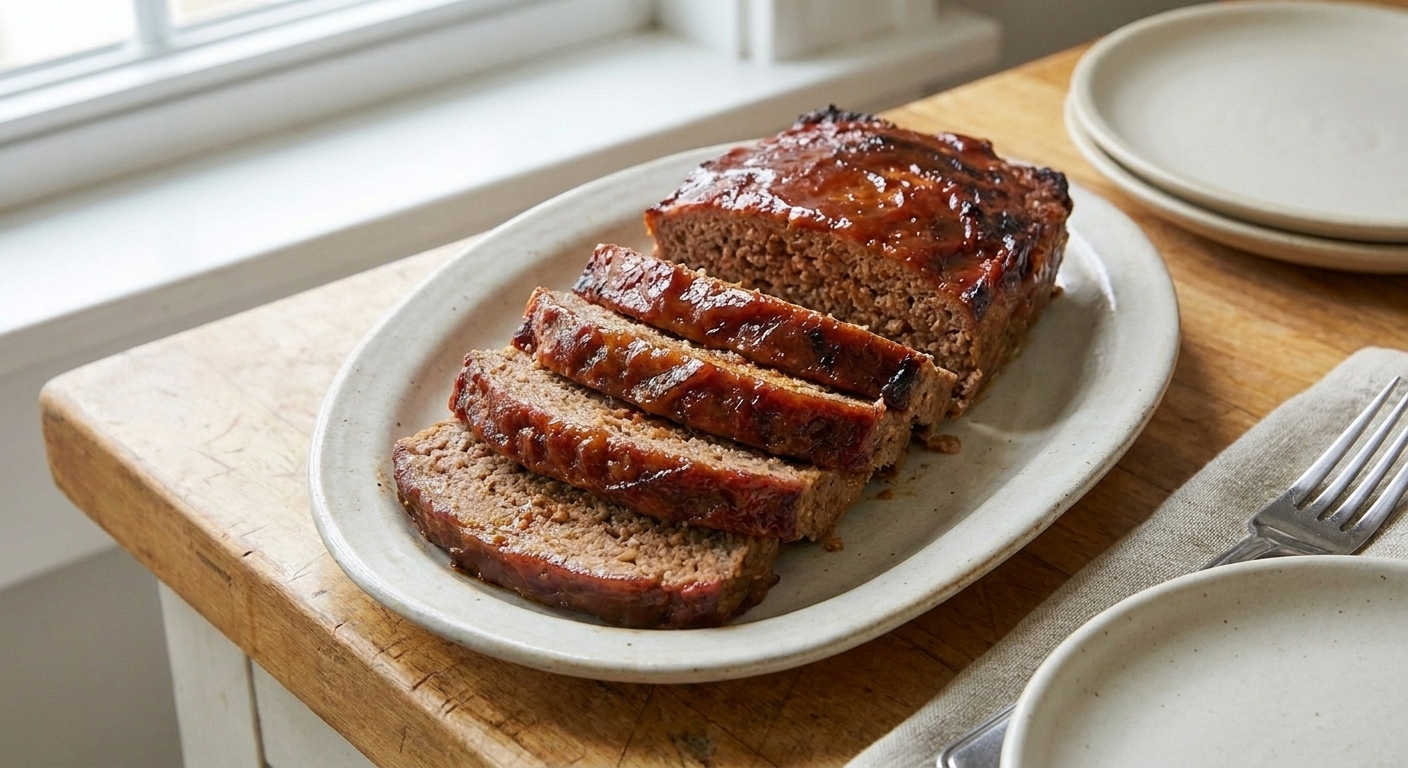
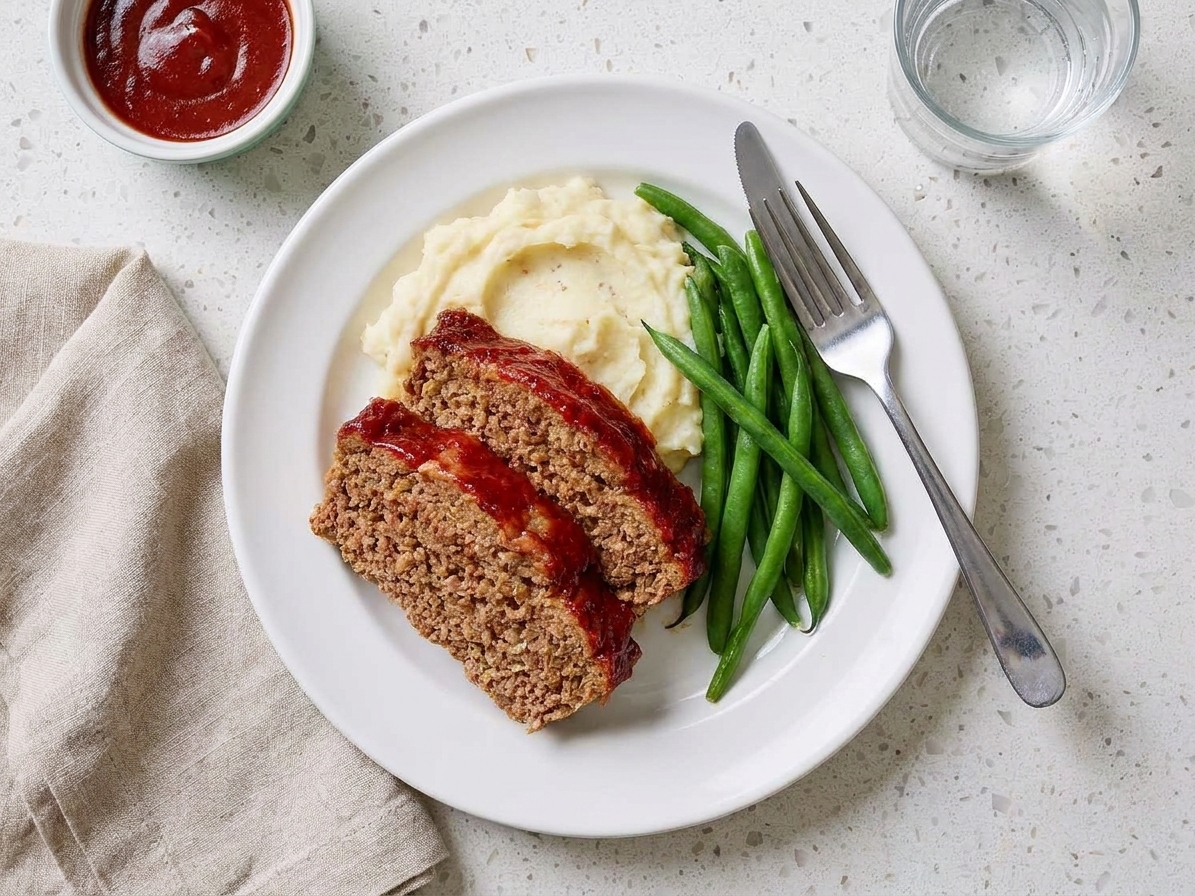
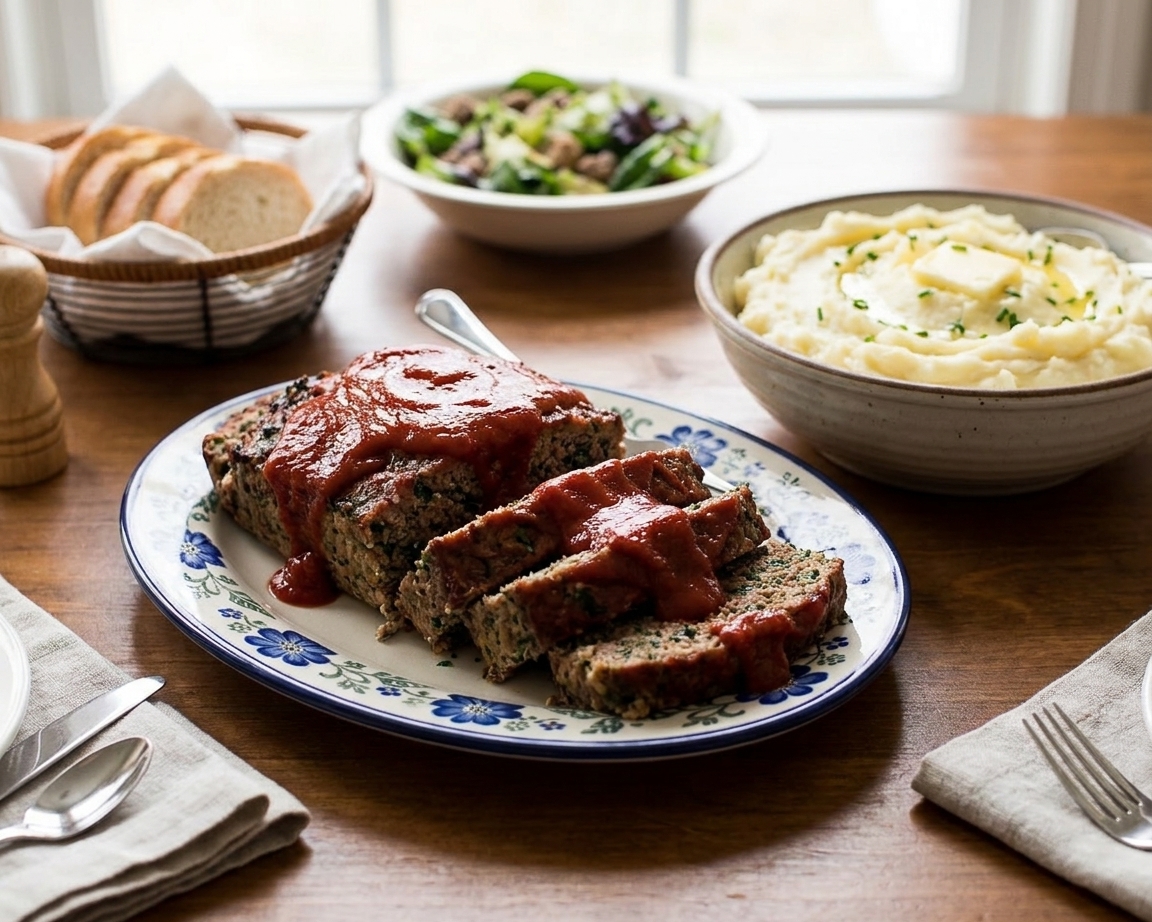
A sliced old fashioned meatloaf with a glossy ketchup glaze on top, arranged on a serving platter on a warm kitchen table

Old fashioned meatloaf is one of those dinners that never tries to be trendy, and still somehow wins the whole week. It is cozy, dependable, and deeply snackable straight from the fridge, which is honestly a skill.

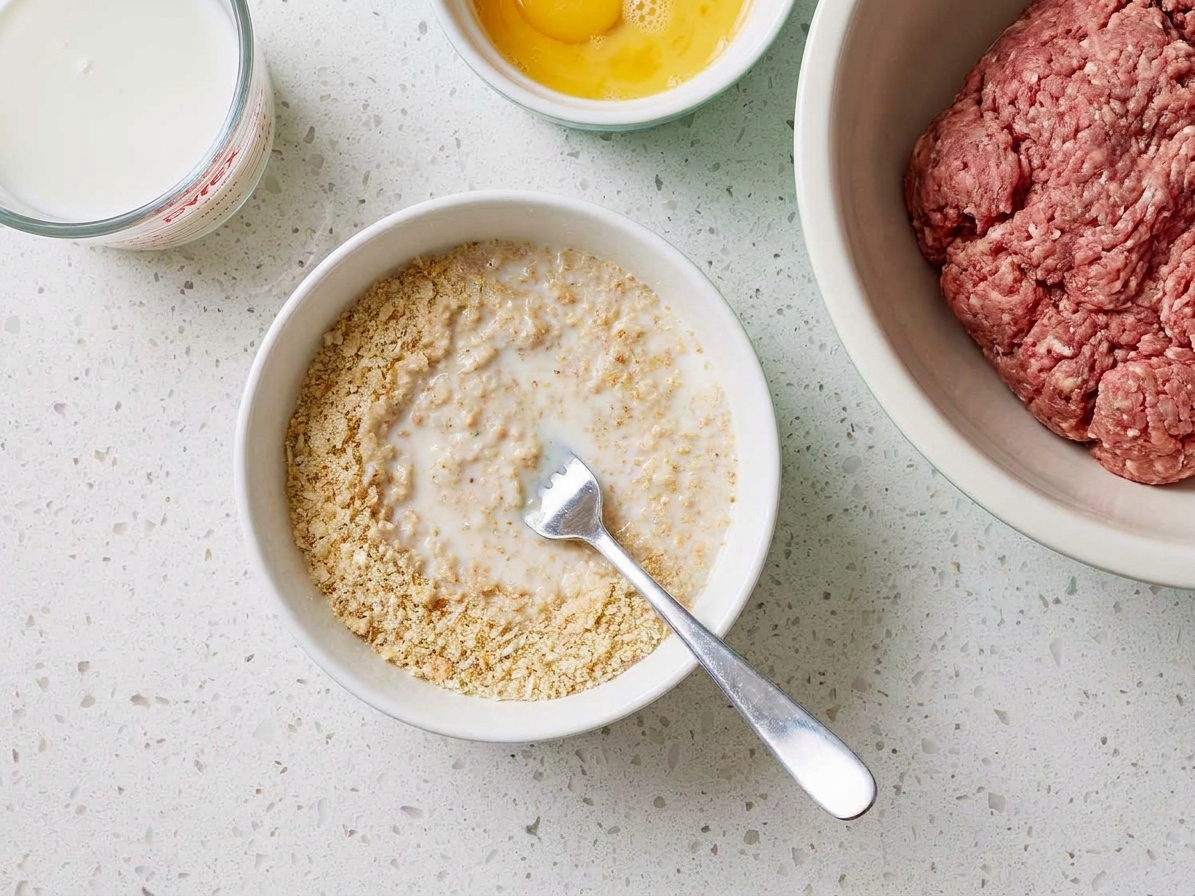
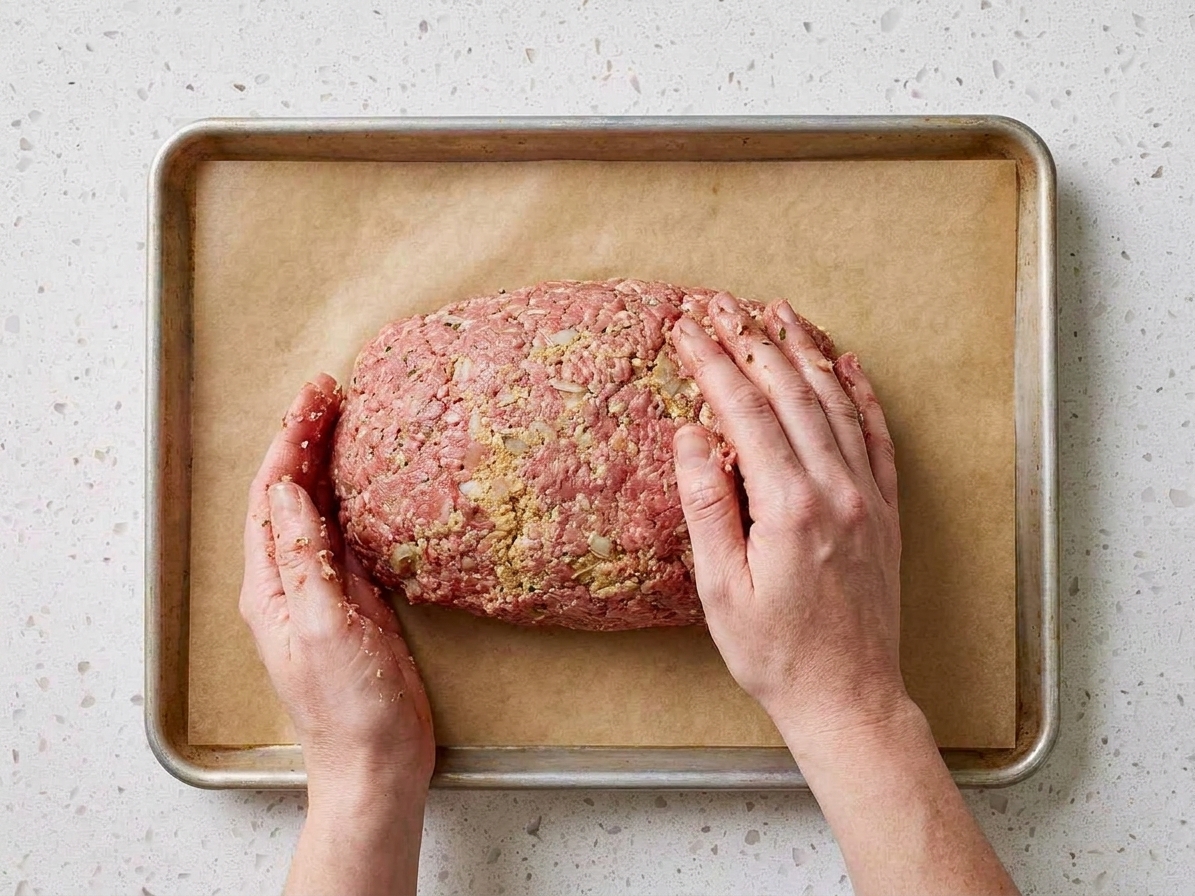
This version is my ideal middle ground: classic flavors, accessible ingredients, and a glaze that hits sweet, tangy, and a little sticky around the edges. The inside stays tender, not dense, thanks to a few small moves that matter: soaking the breadcrumbs, not overmixing, and letting it rest before you slice.
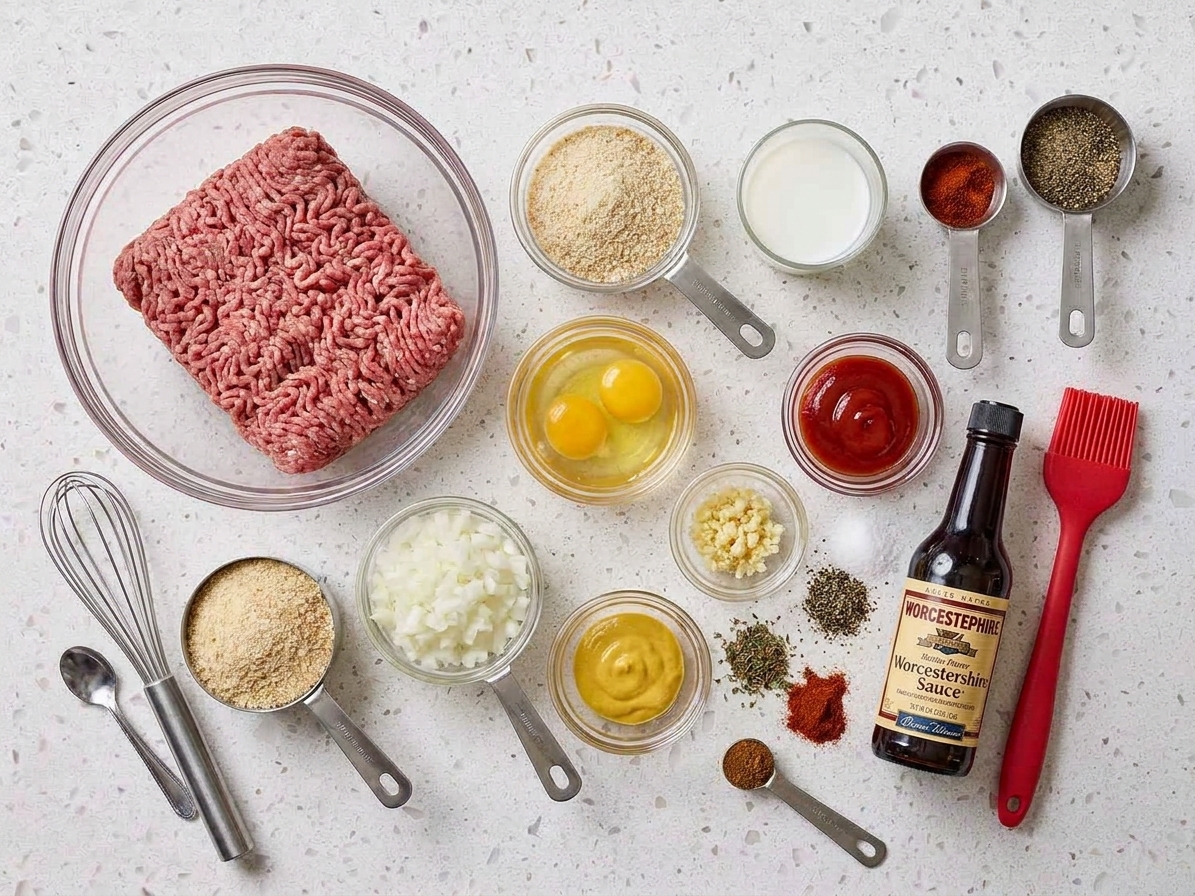
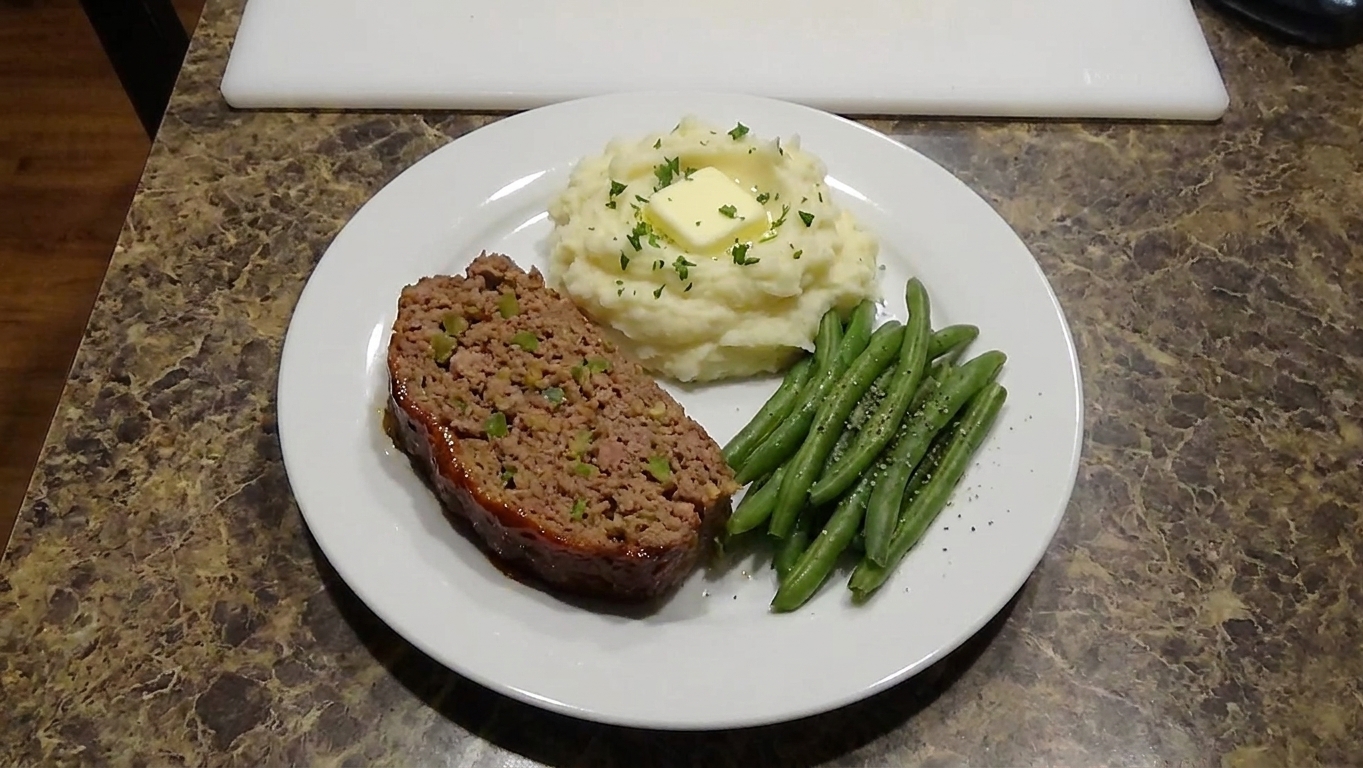
Ground beef, breadcrumbs, eggs, milk, onion, garlic, ketchup, mustard, Worcestershire sauce, and spices arranged on a kitchen counter

Why It Works

  • Moist, tender slices: A simple panade (breadcrumbs + milk) keeps the meatloaf from baking up dry.
  • Real flavor, no fuss: Onion, garlic, Worcestershire, and a little mustard make it taste like it simmered all day.
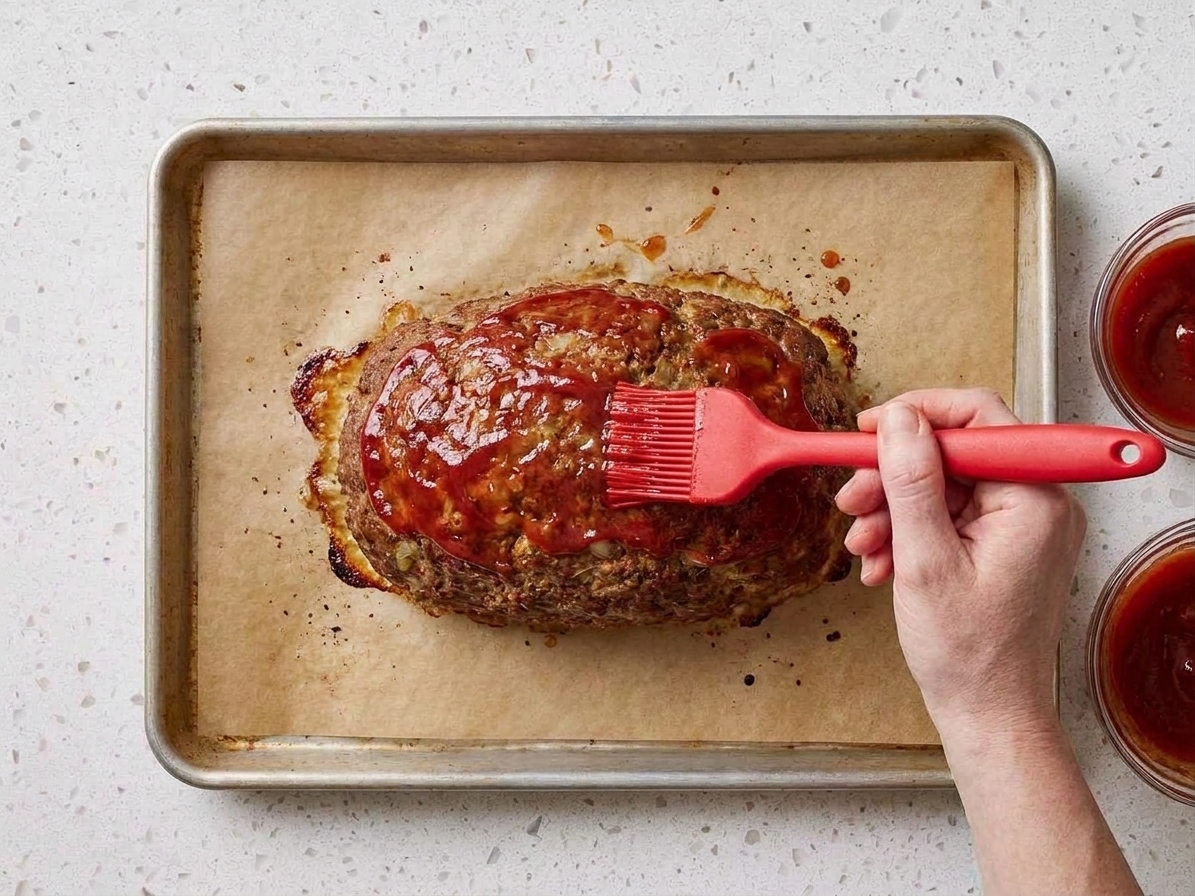
  • That classic glaze: Ketchup, brown sugar, and vinegar bake into a glossy top with caramelized edges.
  • Better leftovers: It slices clean once chilled, making next day sandwiches dangerously easy.

Pairs Well With

Storage Tips

Refrigerate: Cool meatloaf completely, then wrap tightly or store in an airtight container. It keeps well for 4 days.

Freeze: Slice first for easier reheating. Freeze slices (or the whole loaf) wrapped in plastic wrap and then foil, or in a freezer bag. Best within 3 months.

Reheat: For the best texture, reheat slices in a 325°F oven covered with foil until hot (about 15 to 20 minutes). Microwave works, but go in short bursts so it stays tender. Add a spoon of water or a little extra ketchup glaze if it looks dry.

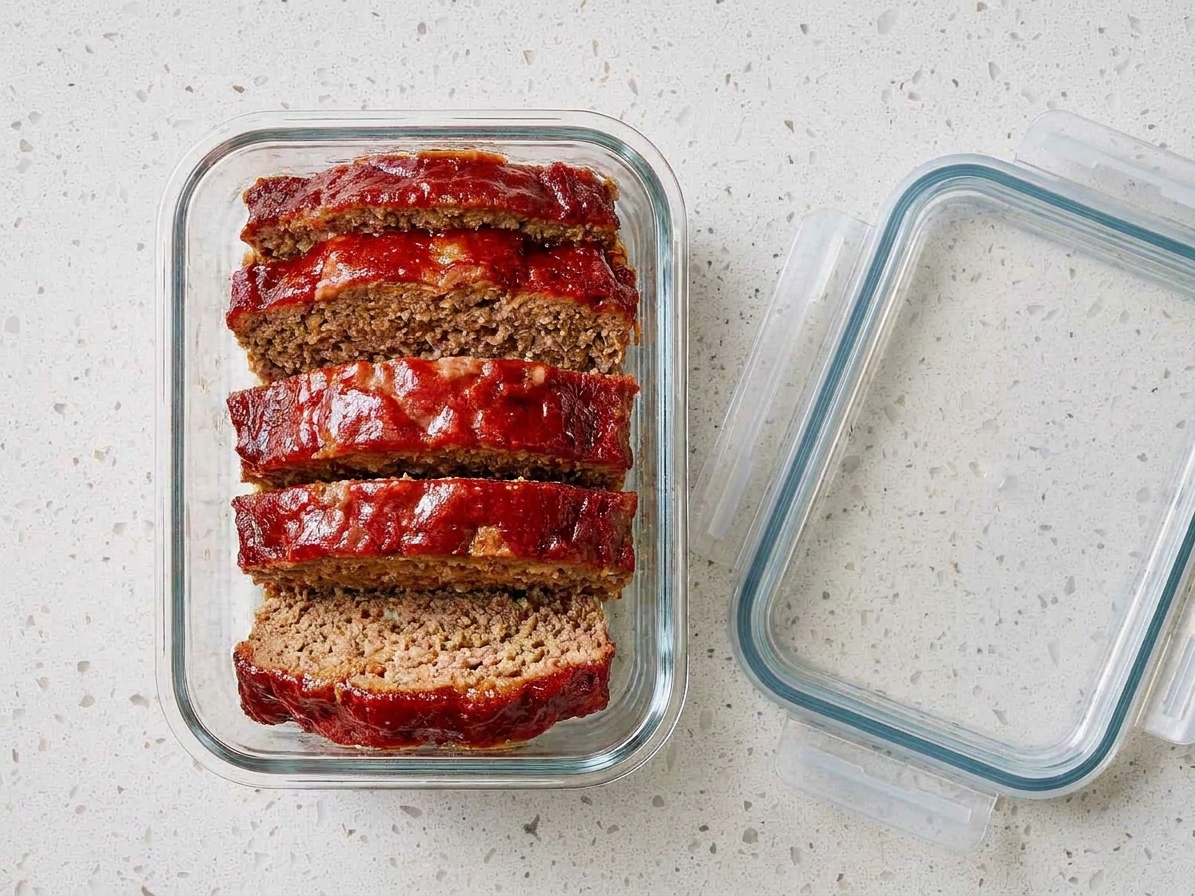
Slices of meatloaf stacked in a glass airtight container ready for the refrigerator

Common Questions

Why does my meatloaf fall apart?

Usually it is one of three things: not enough binder (eggs and soaked crumbs), slicing too soon, or meat that is too lean. This recipe uses two eggs and a breadcrumb panade, and the rest time helps it set so it holds together.

Should I bake meatloaf covered or uncovered?

Uncovered is the move here. You want evaporation and browning for better flavor and those crisp edges. If you notice the top getting too dark late in baking, loosely tent with foil for the last 10 minutes.

What internal temperature should meatloaf be?

For an all beef meatloaf like this one, cook to 160°F in the thickest part. Pull it at 160°F, then let it rest 10 to 15 minutes. Carryover heat finishes the job and the juices settle.

Can I make it ahead?

Yes. Mix and shape the loaf up to 24 hours ahead, cover, and refrigerate. Let it sit on the counter for 20 to 30 minutes while the oven preheats, then bake as directed.

Loaf pan or baking sheet?

I prefer a sheet pan for more browned surface area and less steaming. If you love the loaf pan look, it works, but drain excess grease carefully and consider letting it finish the last 10 minutes out of the pan if you can safely lift it.

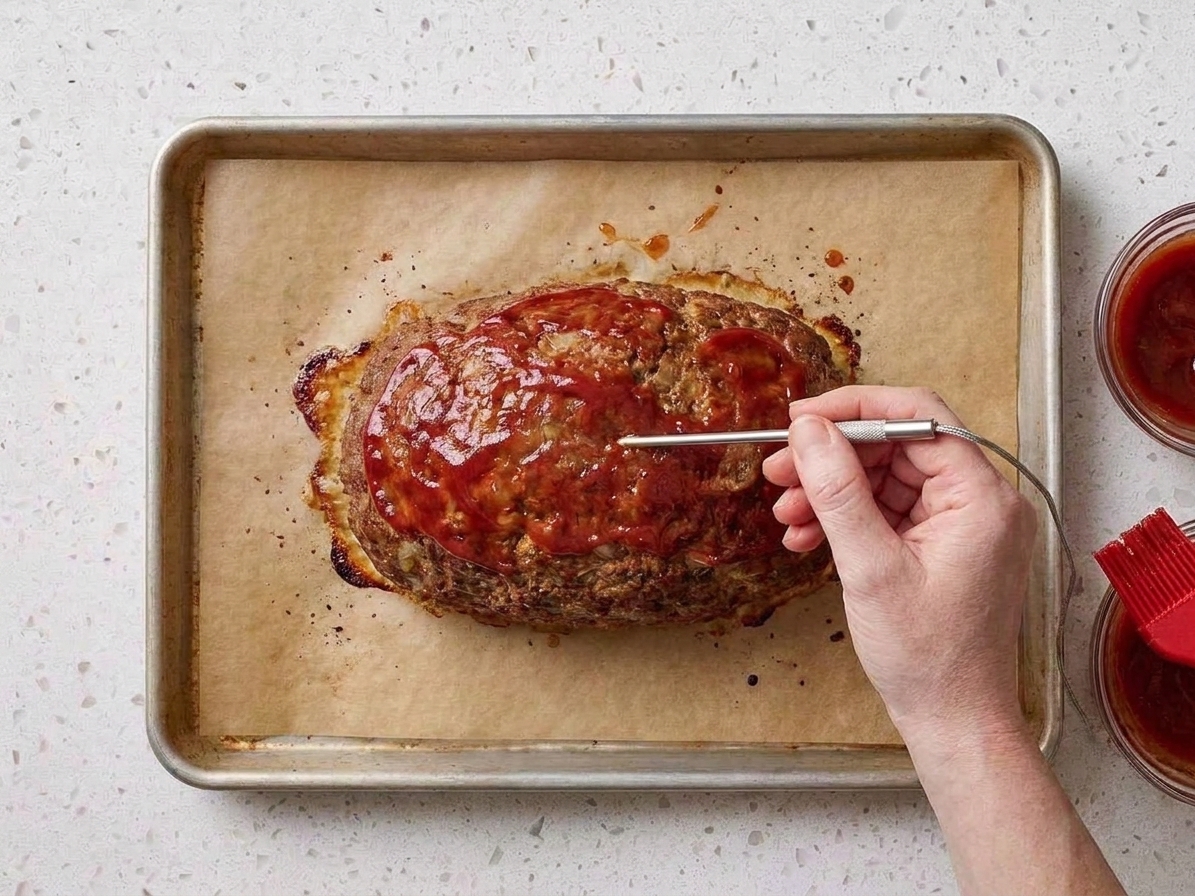
An instant read thermometer being inserted into the center of a baked meatloaf on a sheet pan

Meatloaf is the kind of food that taught me how to cook like a real person instead of a perfectionist. You mix it with your hands, you eyeball the shape, you trust your nose when the glaze starts to caramelize. The first time I nailed a loaf that was juicy in the middle with crisp edges and a sticky top, I felt like I had unlocked a very specific adult superpower. Now it is my go-to when I want a dinner that feeds everyone and future-me too.