Mom's Best Recipes
Recipe

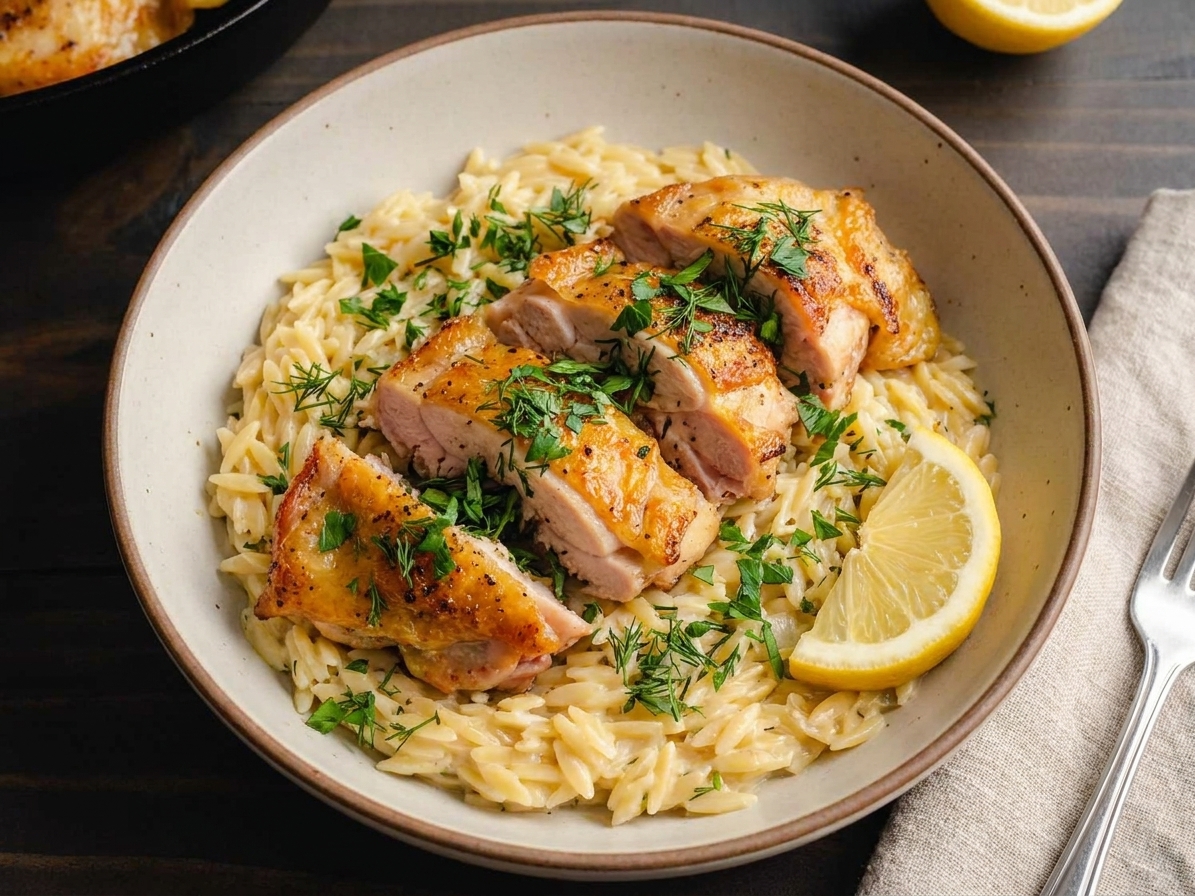
Lemon Chicken and Orzo

A one-skillet lemon chicken and orzo dinner with crisp edges, a cozy pan sauce, and a bright, herby finish.

Author By Matt Campbell
4.8
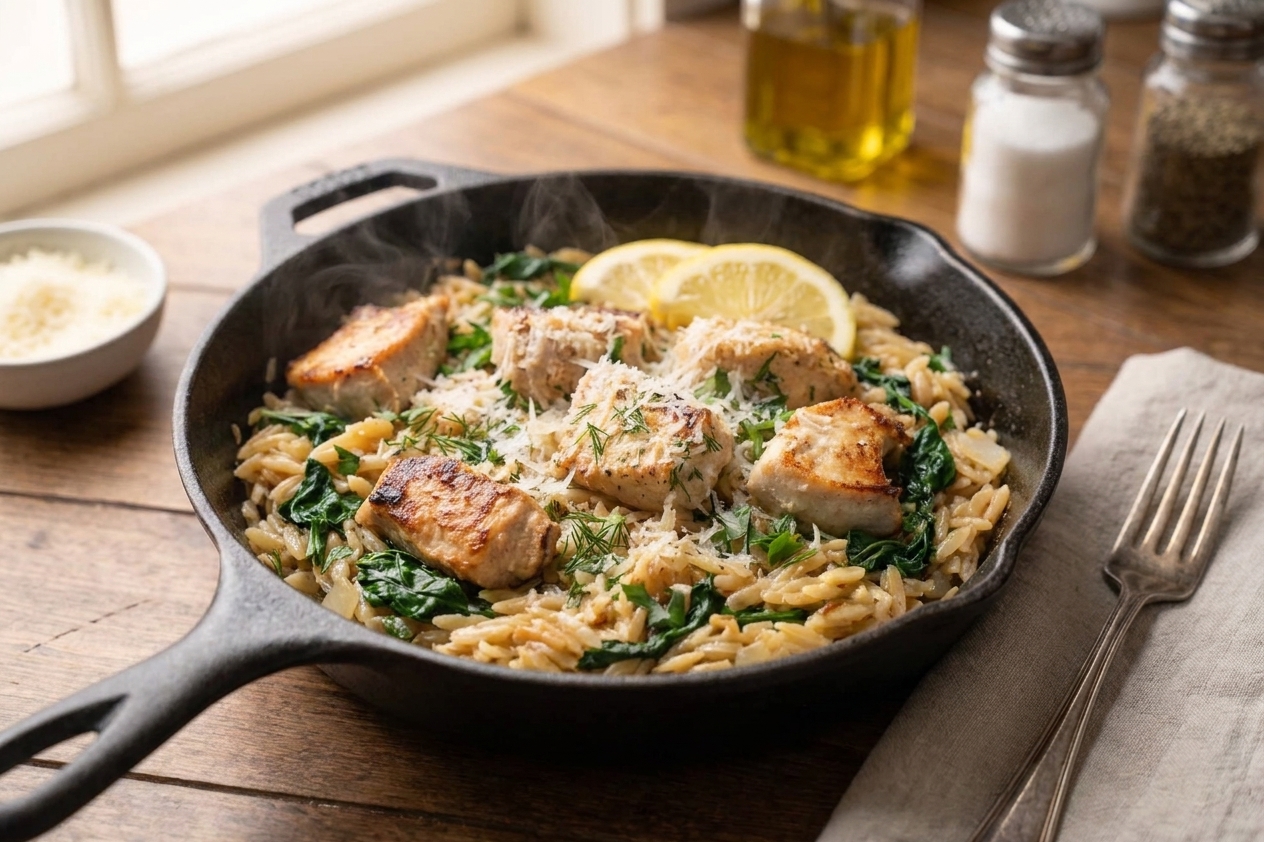
A cast iron skillet filled with golden seared chicken thighs nestled into creamy orzo with lemon slices and chopped parsley on a warm kitchen counter

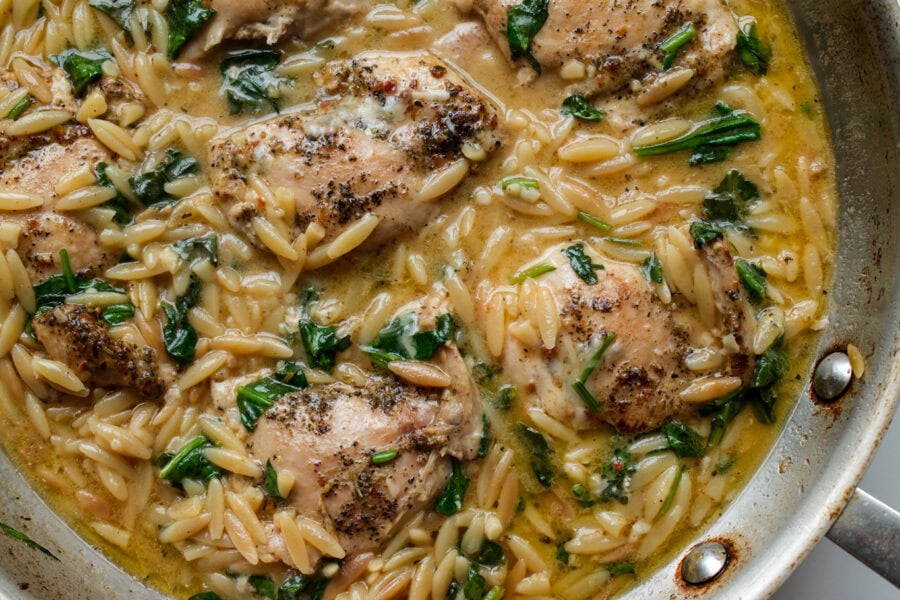
Some nights you want a dinner that feels a little fancy, but still lands squarely in the “I did not destroy my kitchen” category. This recipe is my one-pan answer: juicy, golden chicken tucked into lemony orzo that cooks right in the skillet, soaking up all the good stuff. Bright, cozy, and the kind of meal that makes you pause mid-bite like, okay wow, this is hitting.

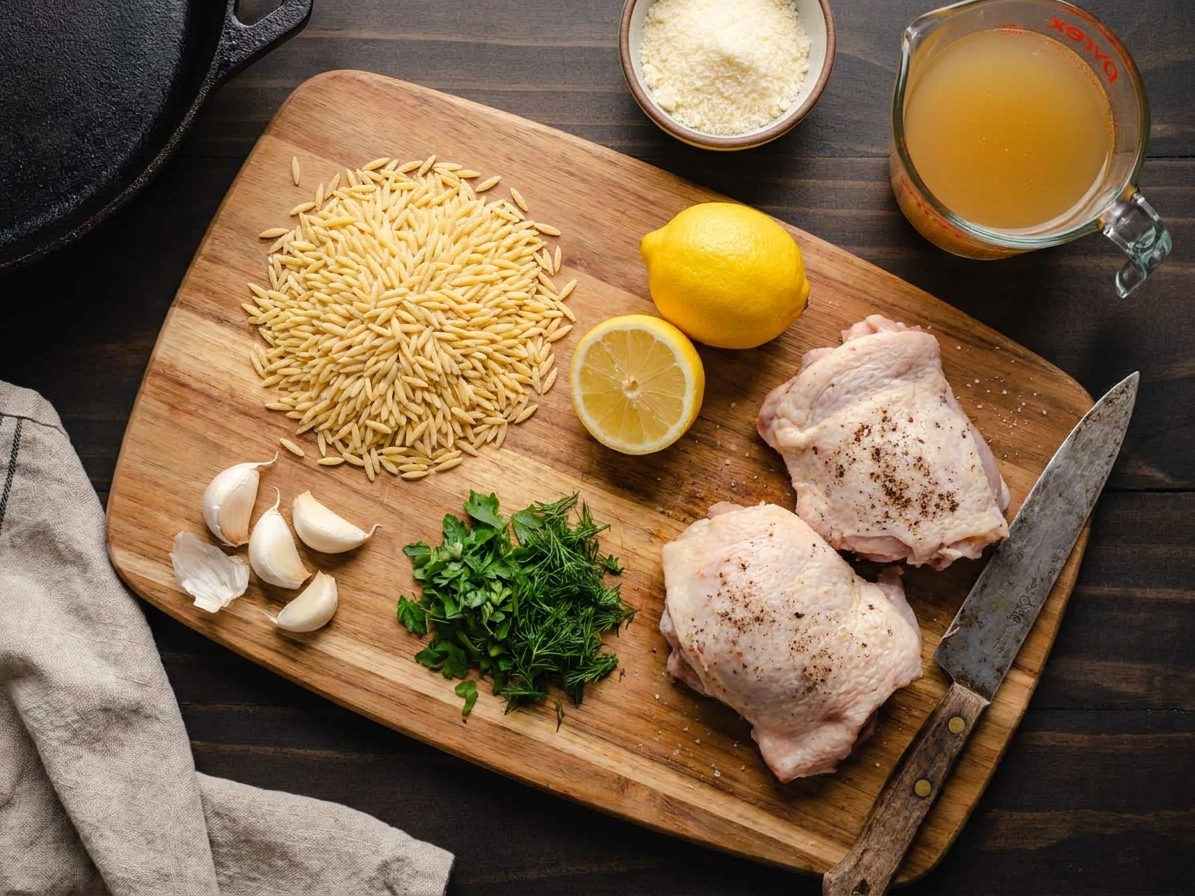
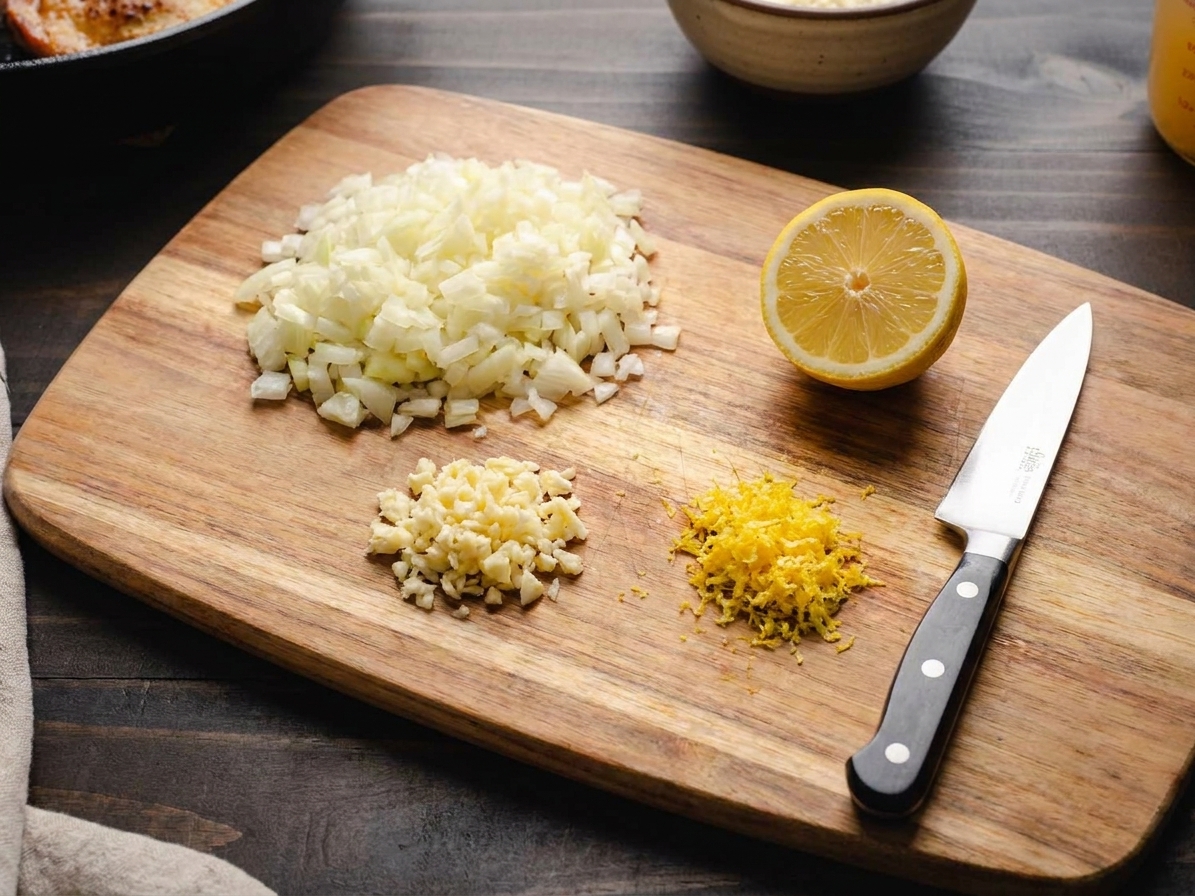
Orzo, garlic, lemons, chicken thighs, chicken broth, Parmesan, and herbs arranged on a clean kitchen counter with a cutting board

Everything is accessible, everything is practical, and the flavor is doing the absolute most in the best way.

Why It Works

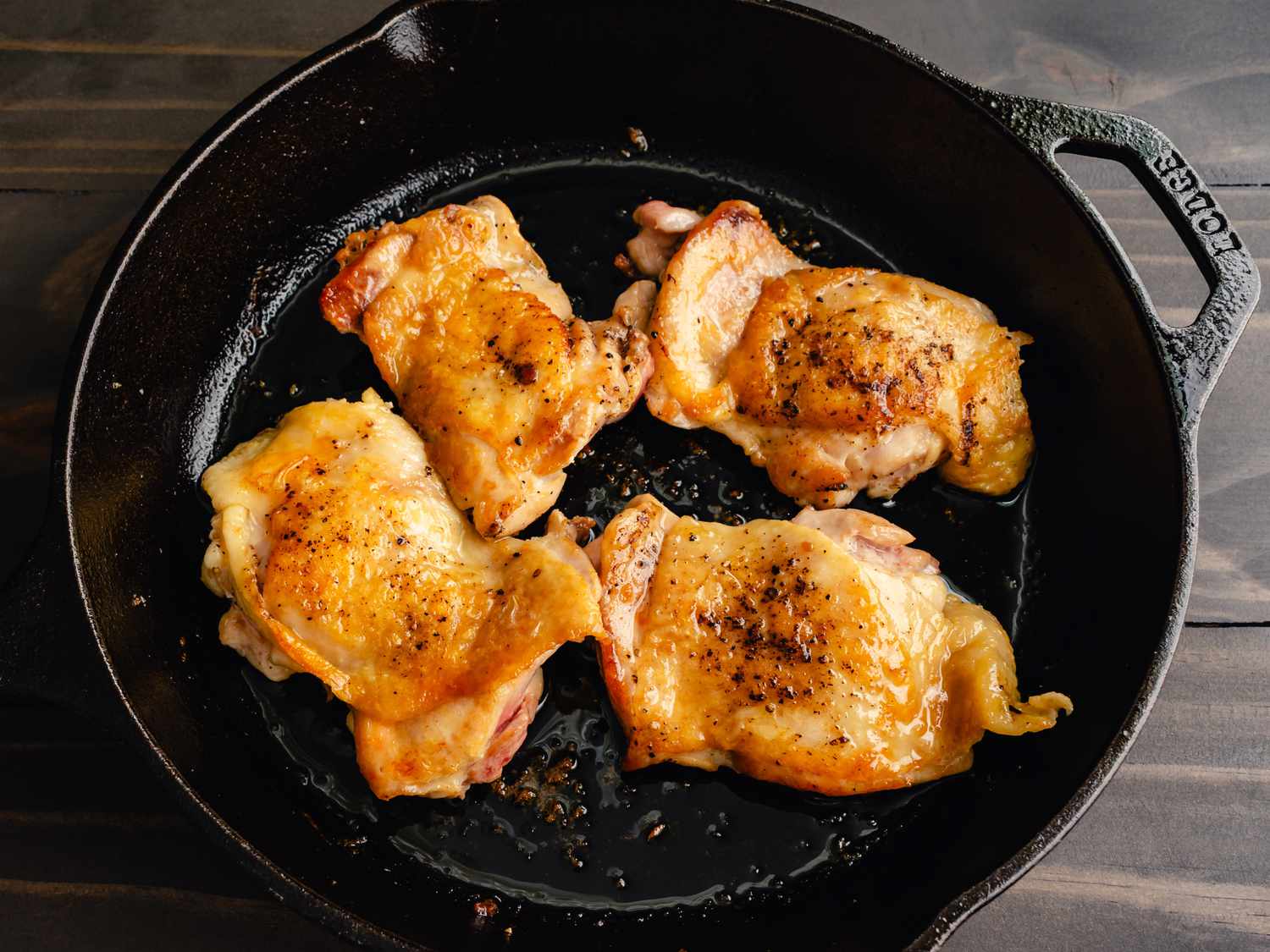
  • One pan, big payoff: you sear the chicken first, then cook the orzo in the same skillet to capture all those browned bits.
  • Bright plus cozy: lemon zest and juice wake up the rich chicken and make the whole dish taste lighter without being less satisfying.
  • Weeknight friendly texture: orzo turns tender and glossy, almost risotto-adjacent, without constant stirring.
  • Flexible finish: keep it simple with parsley, or go bold with spinach, feta, or a pinch of chili flakes.

Pairs Well With

Storage Tips

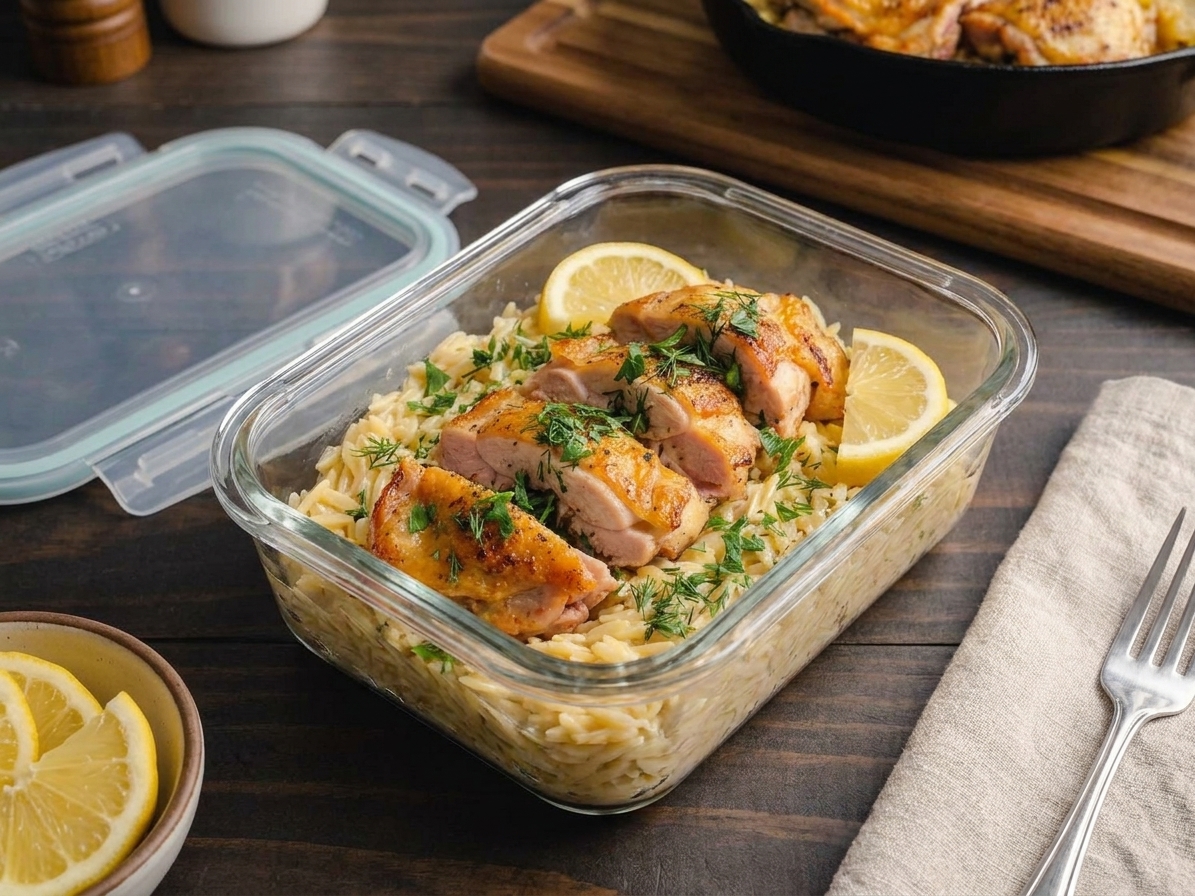
Refrigerate: Store leftovers in an airtight container for up to 3 to 4 days.

Reheat: Warm on the stove or in the microwave with a splash of broth or water to loosen the orzo. Orzo loves to drink up sauce as it sits, so that extra splash brings it right back.

Freeze: You can freeze it, but the orzo will soften more after thawing. If you do freeze, cool completely first and freeze up to 2 months. Thaw overnight in the fridge and reheat gently with added broth.

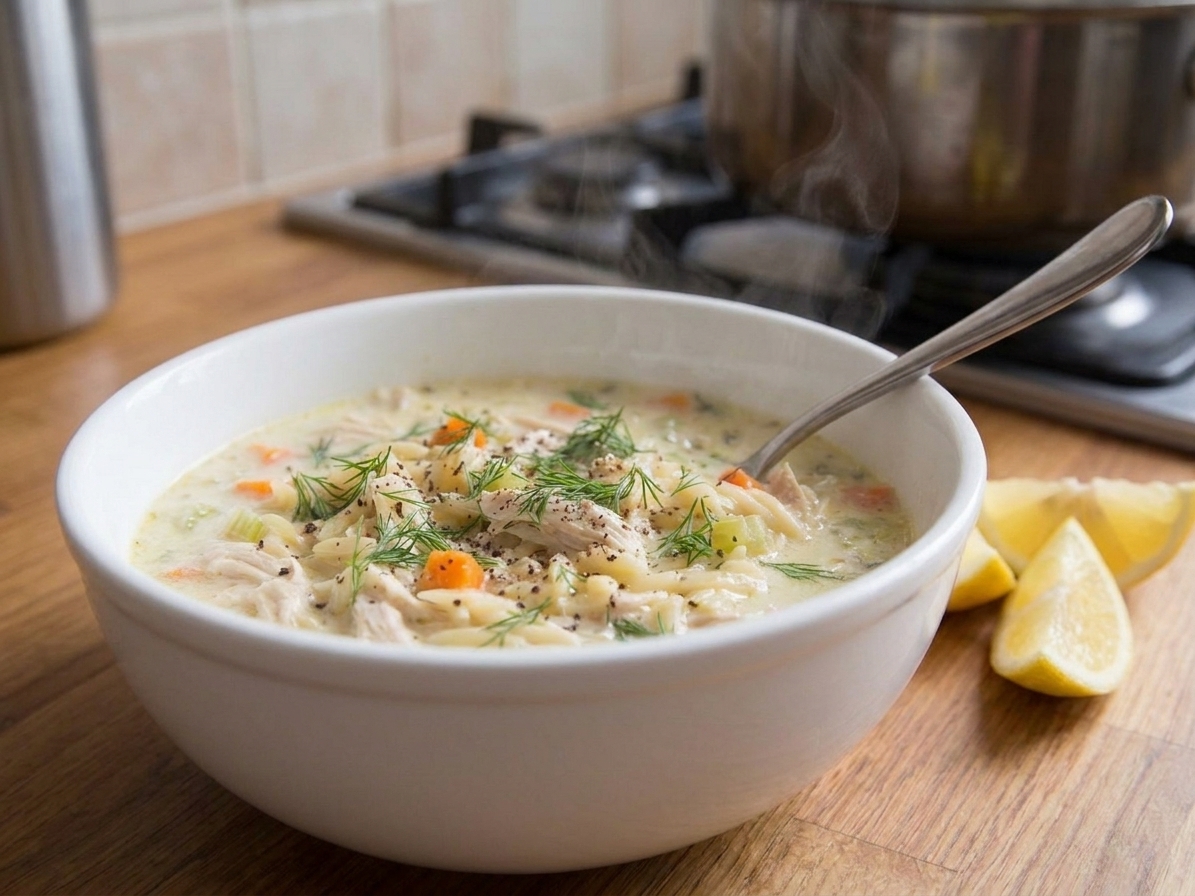
A glass meal prep container filled with leftover lemon chicken and orzo sitting on a kitchen counter next to a lid

Common Questions

Can I use chicken breasts instead of thighs?

Yes. Use 1 1/2 pounds boneless, skinless chicken breasts. Sear until golden, then simmer gently and pull them when they hit 165°F. Breasts dry out faster, so keep the simmer low and do not overcook.

Do I have to toast the orzo first?

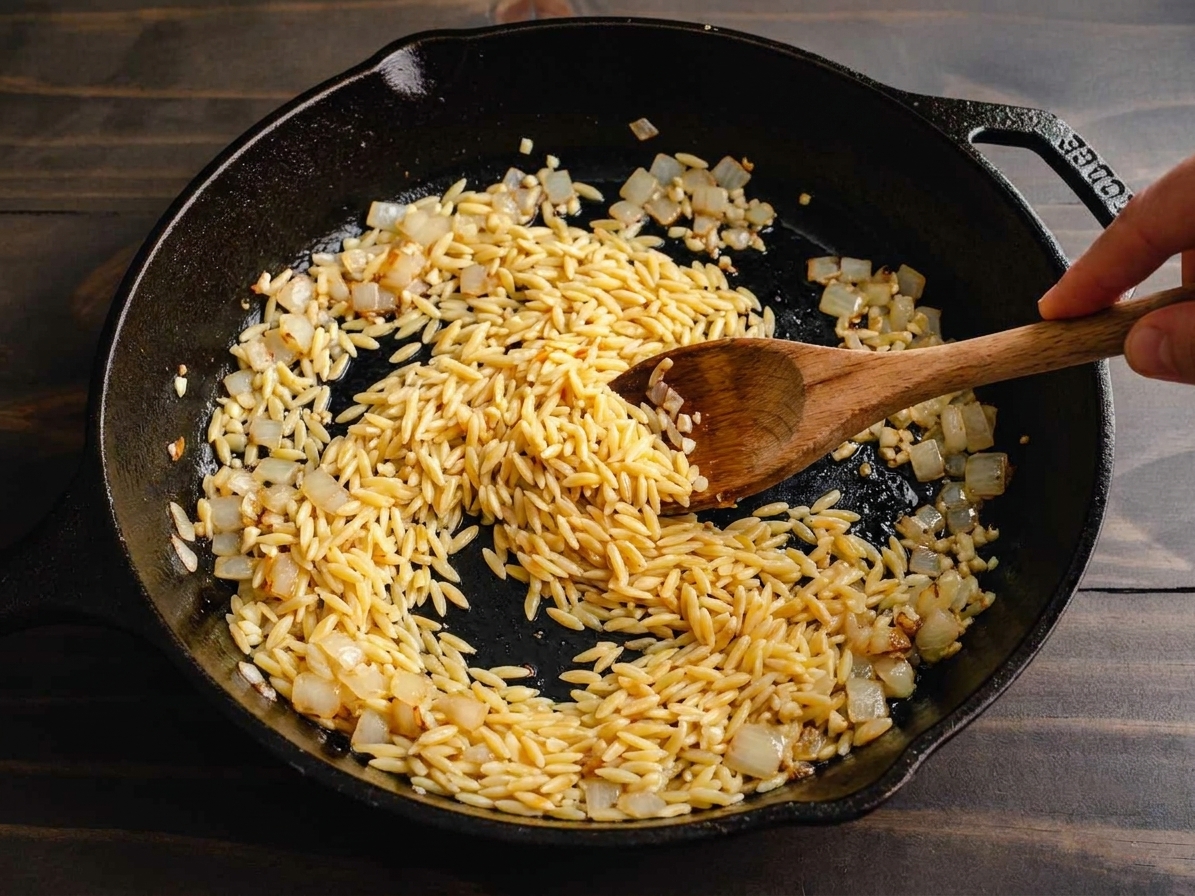
You do not have to, but it helps. Toasting for 1 minute in the pan adds a nutty note and keeps the texture a little more defined.

My orzo got too thick or the pan looks dry. Did I mess it up?

Nope. Orzo thickens as it rests, and some brands drink more broth than others. If the pan looks dry before the orzo is tender, add a splash of warm broth or water, cover again, and keep simmering. If it thickens at the end, stir in a splash of warm broth, water, or even a little milk until it looks glossy again.

Can I make this gluten-free?

Yes, with a reliable swap. Use gluten-free orzo if you can find it, or swap in a small gluten-free pasta that cooks in about the same time (check the package timing). I do not recommend rice here unless you plan to fully rework the liquid and cook time.

What internal temperature should the chicken be?

165°F in the thickest part is the safe minimum. For thighs, some people prefer the texture closer to 175°F to 185°F because the connective tissue softens more, but that is a texture preference, not a requirement.

What if I do not have a lid?

No problem. Cover the skillet tightly with foil, or use a sheet pan on top. The goal is to trap steam so the orzo cooks evenly.


I’m a sucker for any recipe where the pan does the storytelling. Sear chicken, build a quick sauce, let the pasta soak it up, and suddenly you have a dinner that feels restaurant-y without restaurant drama. The first time I made this, I was aiming for “clean-out-the-fridge comfort,” and it turned into a repeat request. The lemon at the end is the move. It makes the whole skillet taste alive.