Mom's Best Recipes
Recipe

Orange and Olive Oil Cake

A moist, afternoon-style orange olive oil cake with big citrus flavor, a tender crumb, and a one-bowl method. Optional almond meal adds structure and a subtle nutty edge.

Author By Matt Campbell
4.8
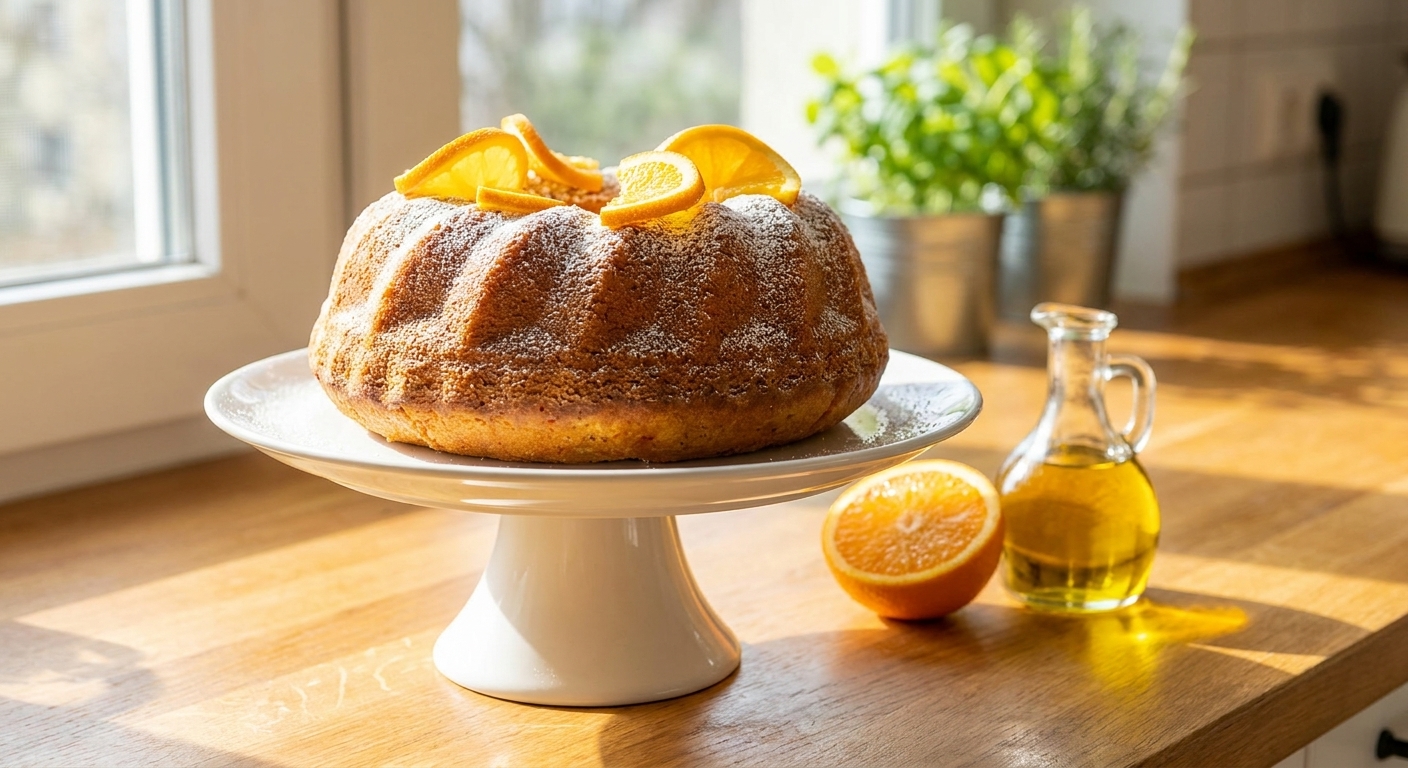
A golden orange and olive oil bundt cake on a simple cake stand on a sunny kitchen counter, lightly dusted with powdered sugar, with a halved orange and a small bottle of olive oil nearby, realistic food photography

This is the cake I make when I want something that feels a little fancy but behaves like a weeknight recipe. It is bright with orange zest, soft and plush from olive oil, and it comes together in one bowl with minimal drama. No creaming butter, no hauling out the mixer unless you feel like it.

The vibe is afternoon snack meets brunch dessert. It is the kind of cake you can slice with coffee, dress up with whipped yogurt cream, or just hit with powdered sugar and call it a day. Also, it is often better the next day, which feels like the universe throwing you a small, kind bone.

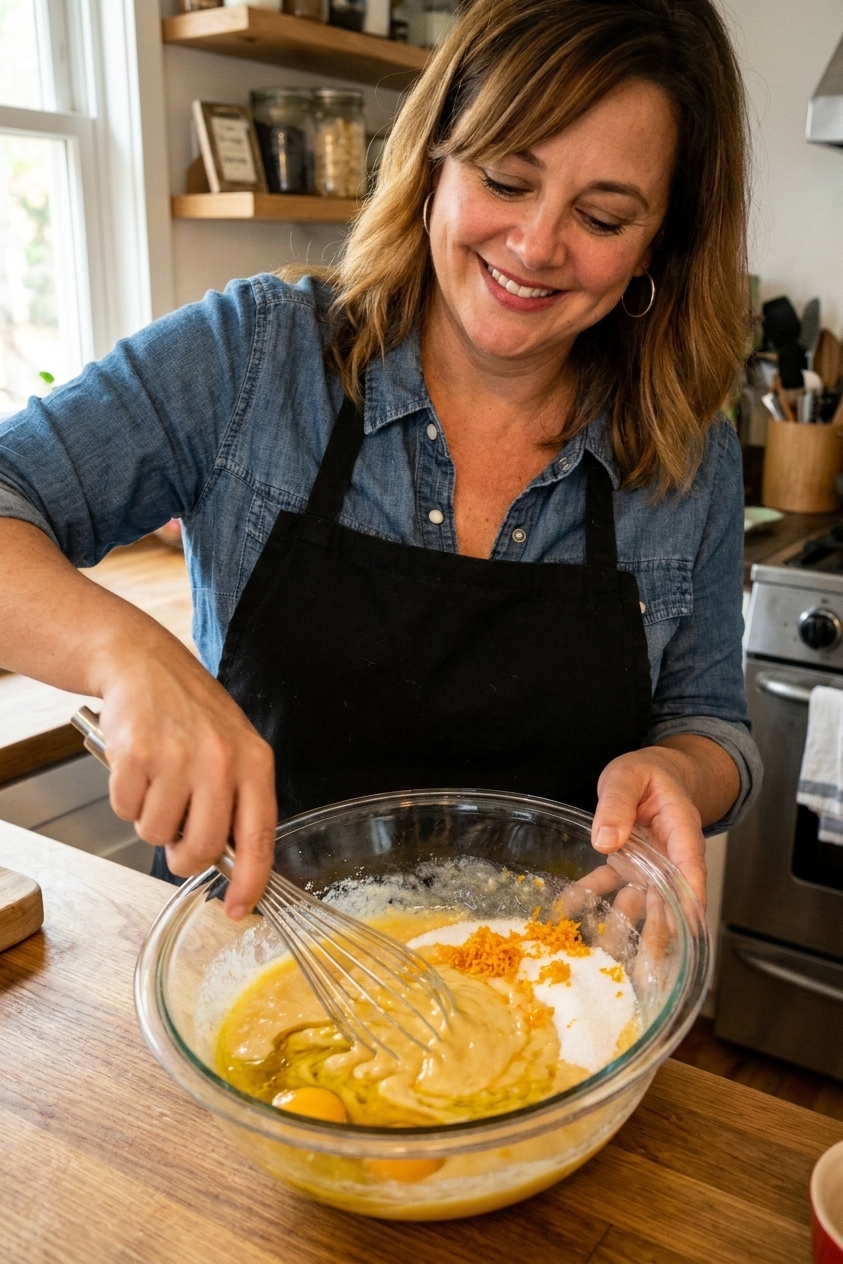
A glass mixing bowl with orange zest, sugar, eggs, olive oil, and orange juice being whisked together into a glossy cake batter on a home kitchen counter, realistic food photography

Why It Works

  • One-bowl method: You whisk the wet ingredients, fold in the dry, and bake. Easy cleanup, reliable results.
  • Olive oil keeps it moist without fuss: Oil-based cakes stay tender for days, which is why this one slices beautifully even after chilling.
  • Orange zest does the heavy lifting: Juice adds brightness, but zest brings the real punch. Rub it into the sugar and the whole cake smells like a citrus grove.
  • Optional almond meal for structure: A little almond meal helps the crumb stay plush and sturdy, though it can also make the cake a touch more delicate, especially in a bundt.
  • Not greasy, promise: The trick is using a fruity extra-virgin olive oil and measuring carefully. For the most consistent results, use weights when you can.

Pairs Well With

Storage Tips

Keep It Tender

  • Room temp: Store tightly wrapped (or in an airtight container) for up to 3 days. Olive oil cakes stay soft, but they still dry out if left uncovered.
  • Refrigerator: Keeps well for up to 6 days, but for best flavor and texture, aim to finish it within 4 to 5 days. Wrap well so it does not pick up fridge odors. Let slices sit out 20 to 30 minutes, or warm briefly.
  • Freezer: Freeze up to 2 months for best quality. Wrap slices in plastic wrap, then foil, or use a freezer bag with as much air pressed out as possible. Thaw at room temperature, still wrapped.

Avoid a Greasy Crumb

  • Let the cake cool fully before slicing. Warm olive oil cakes can read “oily” because the crumb has not set yet.
  • Measure oil carefully. If you have a scale, use it for extra consistency.
  • If your cake looks shiny on the outside after baking, that is usually from over-greasing the pan. Grease thoroughly, but do not leave pools of oil or butter.

Common Questions

Can I bake this in a bundt pan or a round pan?

Yes. A 10 to 12-cup bundt works great, and so does a 9-inch round (or 9-inch springform). Bundts usually take a little longer because the cake is thicker. Also, bundt pan sizes vary, so do not fill the pan more than 2/3 to 3/4 full. If you have extra batter, bake it in a muffin cup alongside the cake.

What kind of olive oil should I use?

Use a fruity extra-virgin olive oil you actually like the taste of. If it is aggressively peppery or bitter, it can take over. If your oil is very bold, mix half olive oil and half neutral oil.

How many oranges do I need?

Orange size varies a lot. You will need 2 tablespoons zest and 1/2 cup (120 ml) juice. That is usually 2 to 3 oranges depending on how big and juicy they are.

Can I make it with almond meal?

Absolutely. Almond meal adds a slightly sturdier crumb and a subtle nuttiness. Swap 1/2 cup flour for 1/2 cup almond meal. The texture will be a little more delicate and moist, so be extra thorough with bundt pan prep and unmold while the cake is still slightly warm.

Do I need a mixer?

No. A whisk and a spatula are enough. The goal is to mix until just combined so the cake stays tender.

Can I reduce the sugar?

You can reduce it by about 2 tablespoons without changing the bake much. More than that and the cake can turn a little dry and less tender.

Why did my bundt stick?

Most bundt sticking comes from one of three things: under-greasing, skipping flour (or baking spray with flour), or unmolding too late. Use baking spray with flour or butter plus flour, making sure you get into all the corners. Let it cool 10 to 15 minutes, then invert while it is still slightly warm.

I originally started making olive oil cake because I wanted a dessert that felt a little grown-up but still lived comfortably in a normal kitchen. Butter cakes are great, but they ask for softened butter, a mixer, and timing you do not always have. This one is more like cooking with a friend: zest the orange, whisk like you mean it, and trust the oven to do the rest. The next day, when the citrus settles in and the crumb turns even softer, it feels like the cake is quietly showing off.