Mom's Best Recipes
Recipe

Overnight French Toast Casserole

A make-ahead French toast bake with custardy centers, golden edges, and big cinnamon-vanilla flavor. Perfect for brunch, holidays, and low-stress mornings.

Author By Matt Campbell
4.8
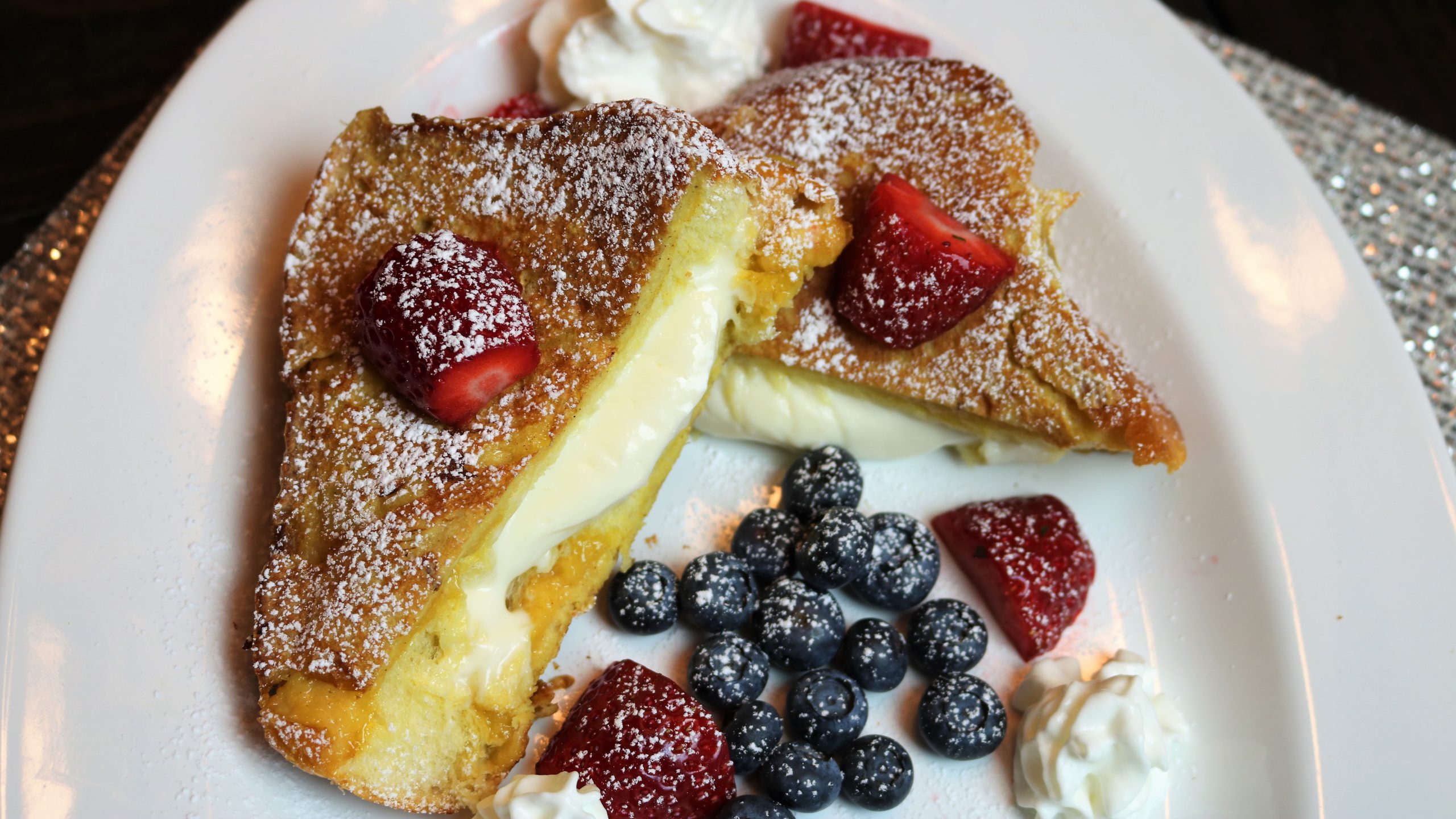
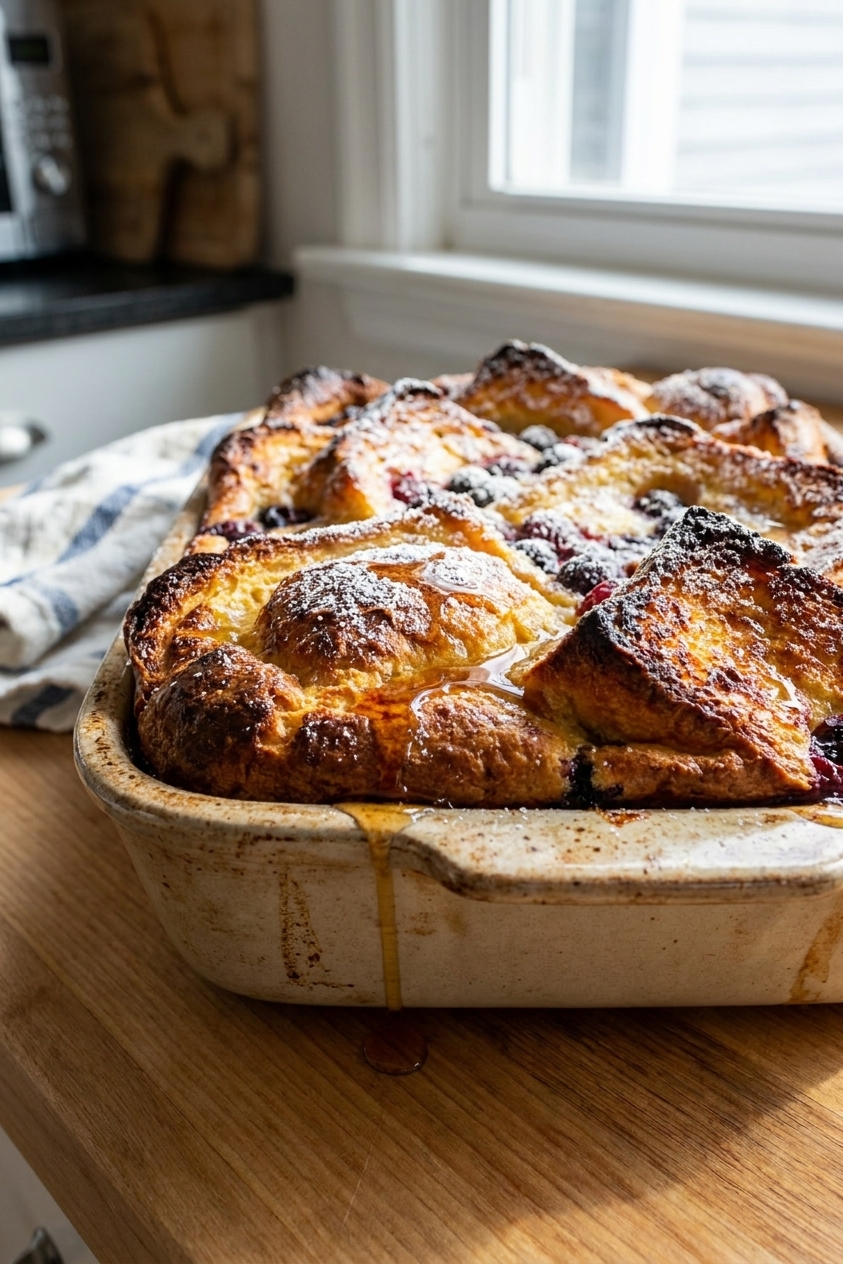
A golden, puffed overnight French toast casserole in a baking dish on a bright brunch table, with powdered sugar and fresh berries nearby, real food photography

If you want a brunch that feels a little fancy but behaves like a weeknight meal prep, this is it. Overnight French toast casserole is basically bread pudding’s cool cousin: cubes of bread soak up a cinnamon-vanilla custard while you sleep, then you bake it until the top is bronzed and crisp and the inside is soft, creamy, and ridiculously comforting.

I love this for holidays and “people are coming over at 9 a.m.” situations because all the work happens the night before. Morning-you only has one job: preheat the oven and act like you totally planned this level of cozy.

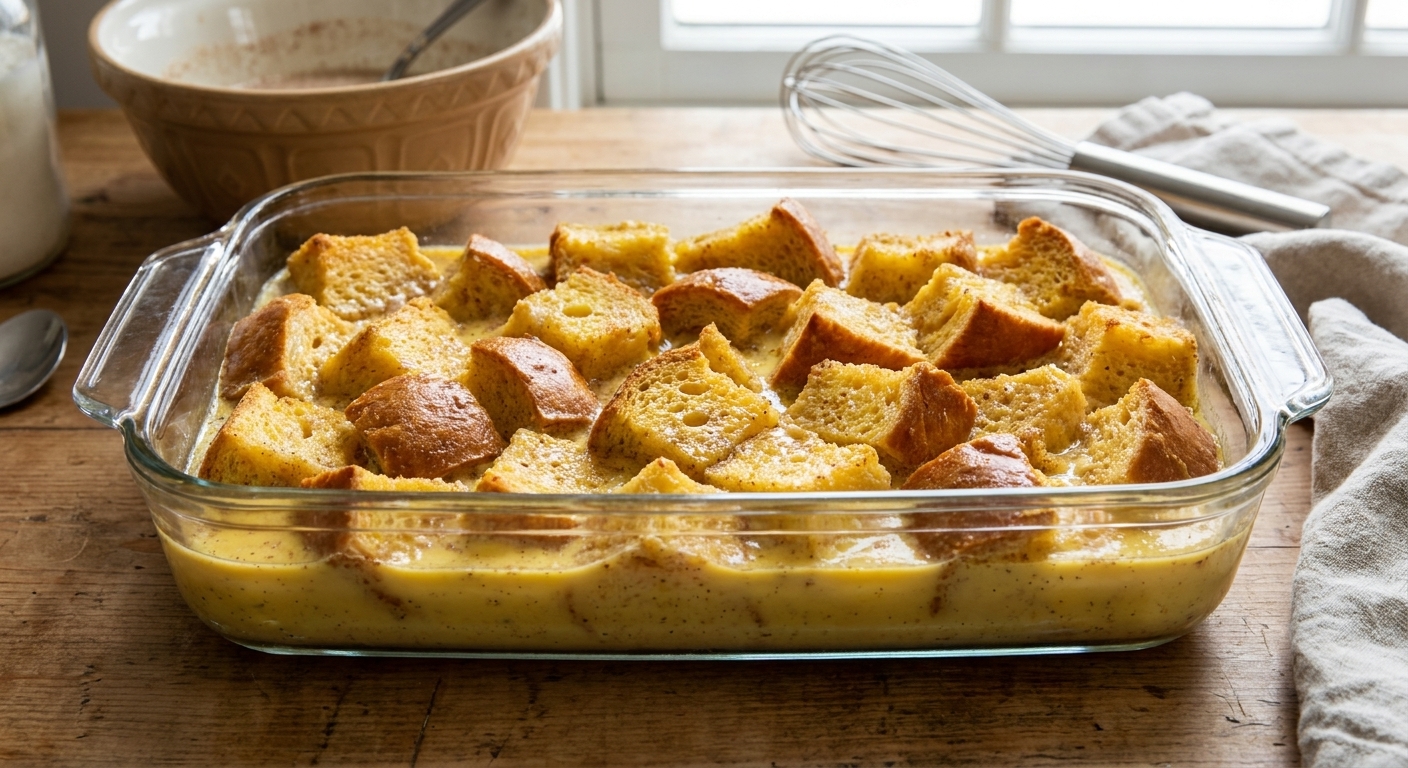
Cubed brioche bread soaking in a cinnamon-vanilla egg custard inside a glass baking dish on a kitchen counter, real food photography

Why It Works

  • True overnight payoff: resting time lets the custard soak evenly, so you get a pudding-like center instead of dry pockets.
  • Texture you actually want: a puffed, golden top with crisp edges and a tender middle.
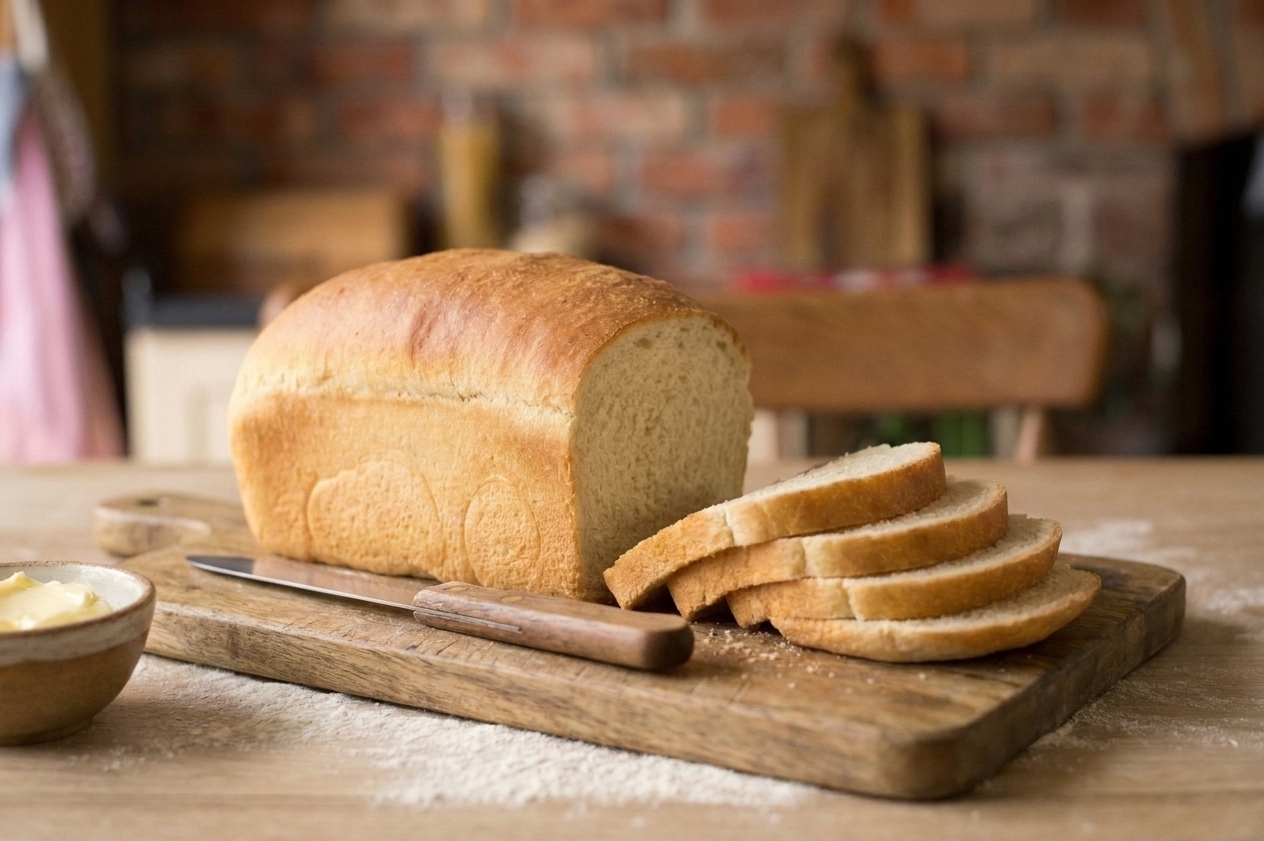
  • Flexible bread options: brioche is rich and dreamy, but thick sandwich bread works great and stays budget-friendly.
  • Easy to scale: bake in an 8x8 for a small crew or a 9x13 for brunch crowds.

Pairs Well With

Storage Tips

Storage and Reheating

  • Refrigerate: Let it cool a bit, then cover and refrigerate within 2 hours. Enjoy within 3 to 4 days.
  • Freeze: Slice into portions, wrap well, and freeze up to 2 months for best quality. Thaw overnight in the fridge for the best texture.
  • Reheat, single serving: Microwave 45 to 90 seconds until hot, then crisp in a toaster oven or skillet if you want the edges crisp again.
  • Reheat, whole pan: Cover with foil and warm at 325°F for 15 to 30 minutes, until hot throughout. Uncover for the last 5 minutes to re-crisp the top.

Best cue: Reheated leftovers should be steaming hot throughout. If you use a thermometer, aim for 165°F in the center.

Tip: If the casserole looks a little dry after reheating, drizzle with warm maple syrup or a quick splash of half-and-half. It bounces right back.

Common Questions

Common Questions

What bread is best for overnight French toast casserole?

Brioche is my favorite for a rich, custardy result. Challah is also excellent. If you want accessible and sturdy, use thick-cut sandwich bread (Texas toast style). Slightly stale bread is ideal because it drinks up custard without turning to mush.

Do I really have to let it sit overnight?

Overnight is best, but you can do a shorter soak. Aim for at least 4 hours in the fridge if you are in a pinch.

How long is “overnight,” and what is the max?

My sweet spot is 8 to 12 hours. You can assemble and chill for up to 24 hours if needed. Past that, the bread can get a little too soft and the top may bake up less crisp.

Why is my casserole soggy in the middle?

Common causes are: bread cubes too small, not enough bake time, oven running cool, or the dish being too deep. Bake until the center is set but still moist. If you want a no-guessing option, the center should reach 165°F. If it browns too fast, tent with foil and keep baking.

Can I add fruit?

Yes. Add blueberries, sliced strawberries, diced apples, or raspberries. For juicy fruit, I like using it as a topping so the casserole stays custardy instead of watery.

Can I make it dairy-free?

Yes. Use unsweetened oat milk or almond milk, and swap butter for a plant-based alternative. Choose a sturdy bread and consider adding 1 extra egg for structure.

How do I scale this for a 9x13 pan?

Use the 9x13 crowd option in the recipe card below. It uses a 1.75x multiplier, which is slightly under the exact area increase so it fits comfortably and avoids overflow in most dishes. It makes about 10 to 12 servings depending on appetite and who showed up “just for coffee.”

My melted butter clumped when I mixed the custard. Did I break it?

Nope. That happens when warm butter hits colder milk and eggs. It bakes up totally fine. If you want a perfectly smooth custard, use room-temperature eggs and milk, or let the melted butter cool for a minute before whisking it in.

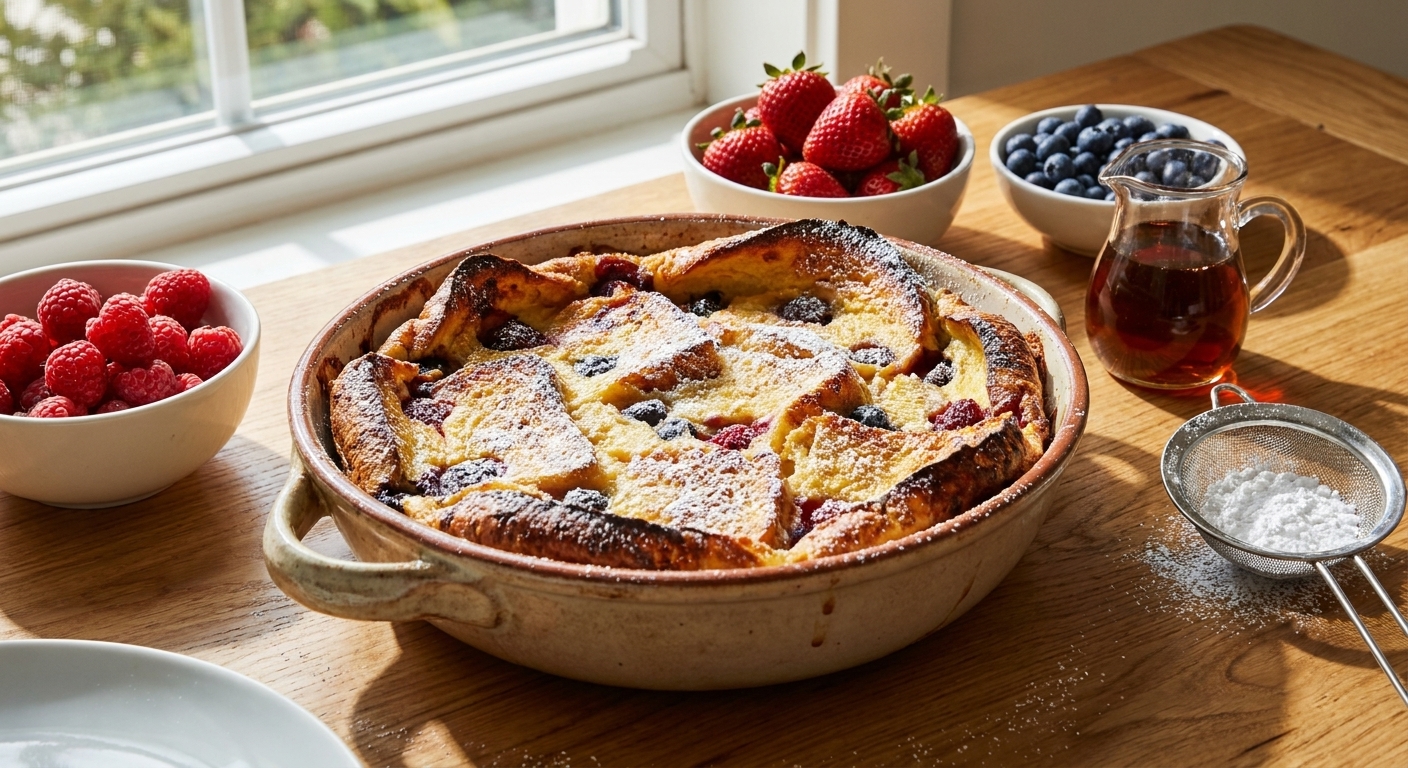
I started making overnight French toast casserole when I realized I love hosting breakfast, but I do not love flipping individual slices of French toast while everyone hovers around the coffee like hungry seagulls. This bake lets you do the fun part, which is building a good custard and sneaking extra vanilla in there, then you wake up and your kitchen basically handles itself. I am firmly in favor of any recipe that gives you crisp edges and a calm morning.