Mom's Best Recipes
Recipe

Pan-Seared Duck Breast with Cherry-Port Sauce

Crisp skin, juicy medium-rare meat, and a glossy cherry-port sauce made right in the pan.

Author By Matt Campbell
4.8
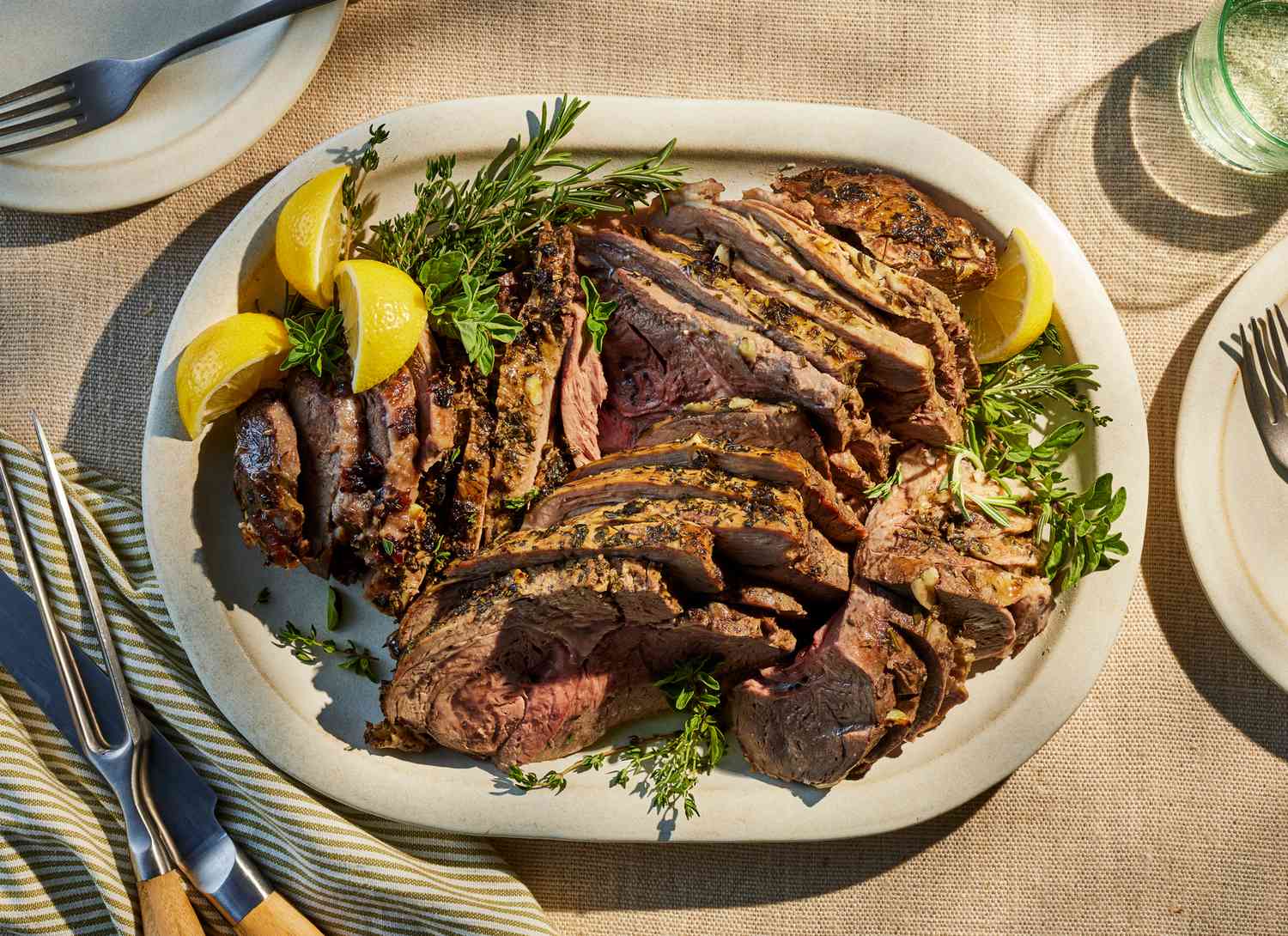
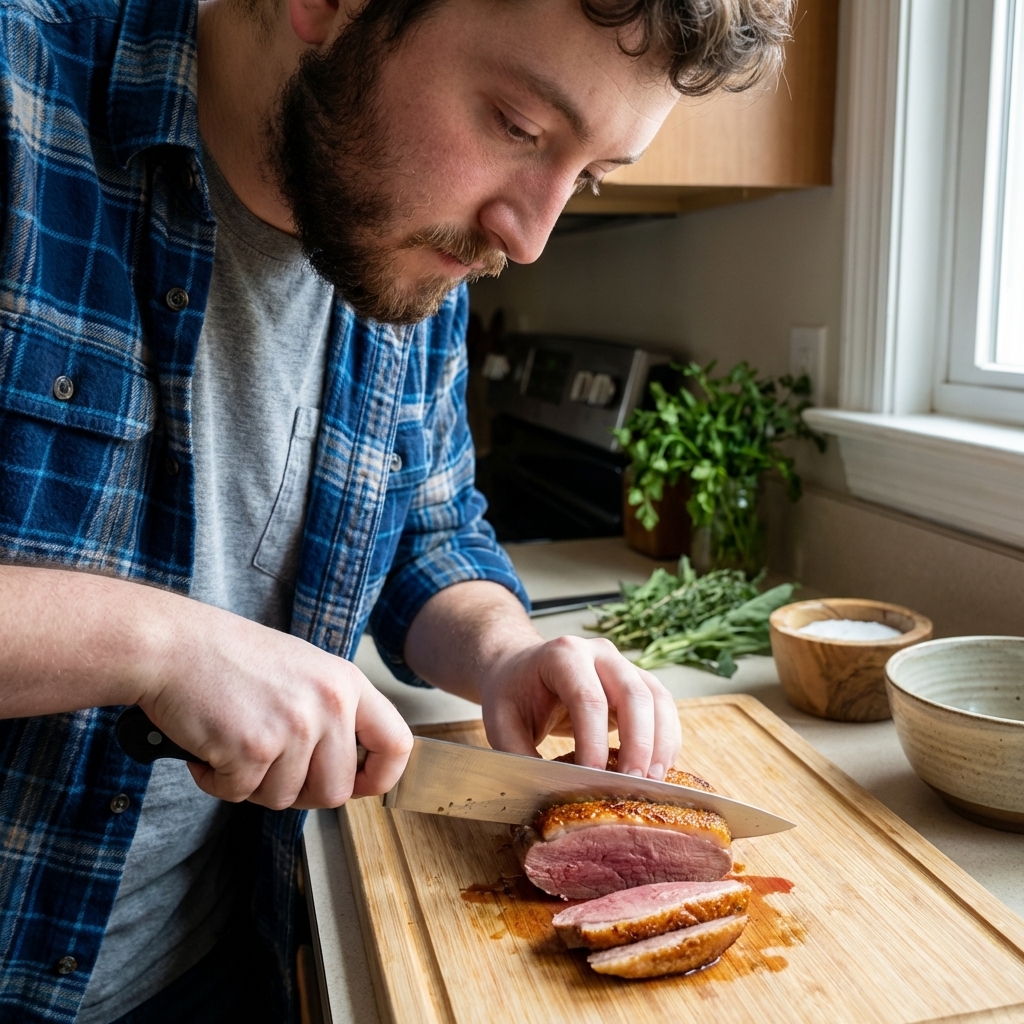
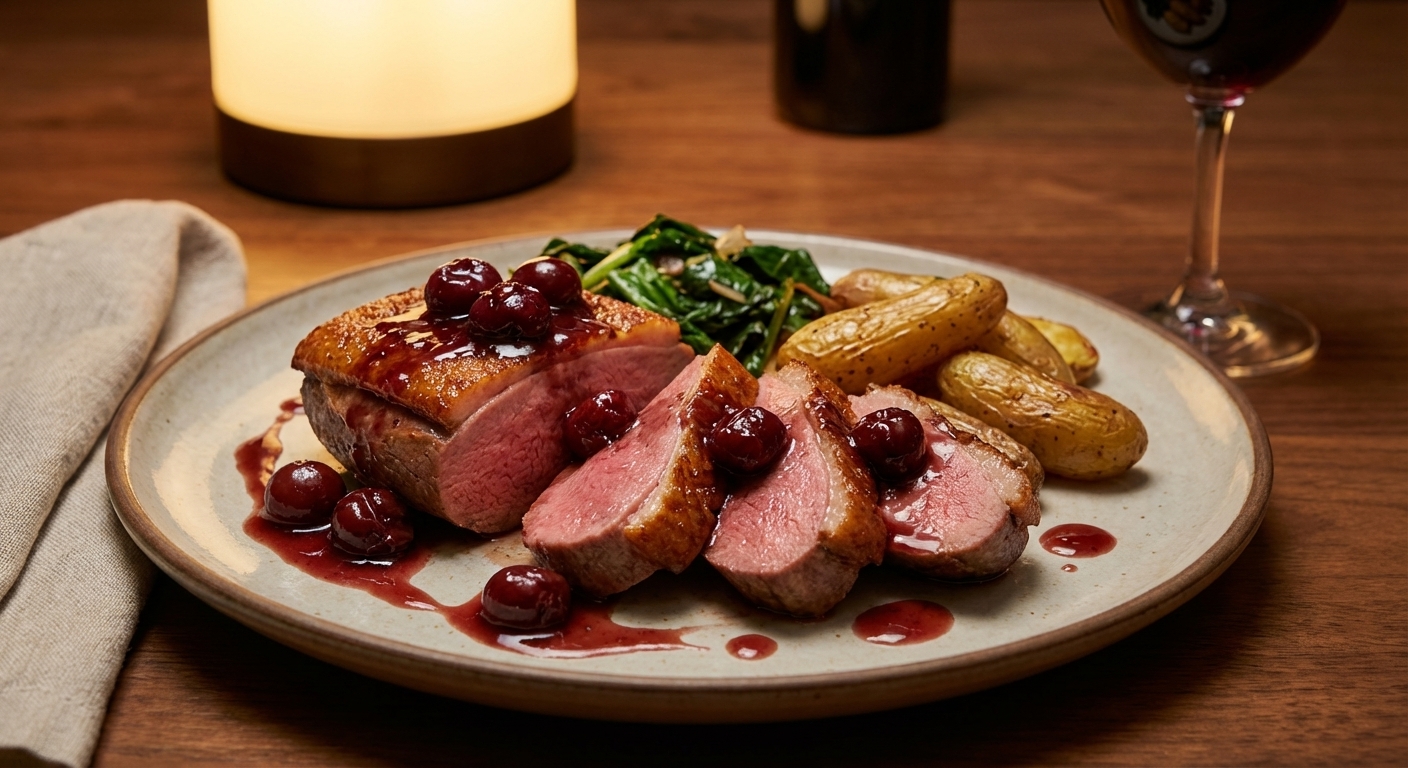
A sliced, medium-rare pan-seared duck breast with crackly crisp skin on a plate, topped with a glossy cherry-port sauce, warm dinner lighting, real food photography

Duck breast is the shortcut to restaurant-style duck at home. No wrestling a whole bird, no hours of confit bubbling away. Just a smart little technique: score the skin, render the fat low and slow, then finish with a quick sear so the outside gets shatter-crisp while the inside stays rosy and tender.

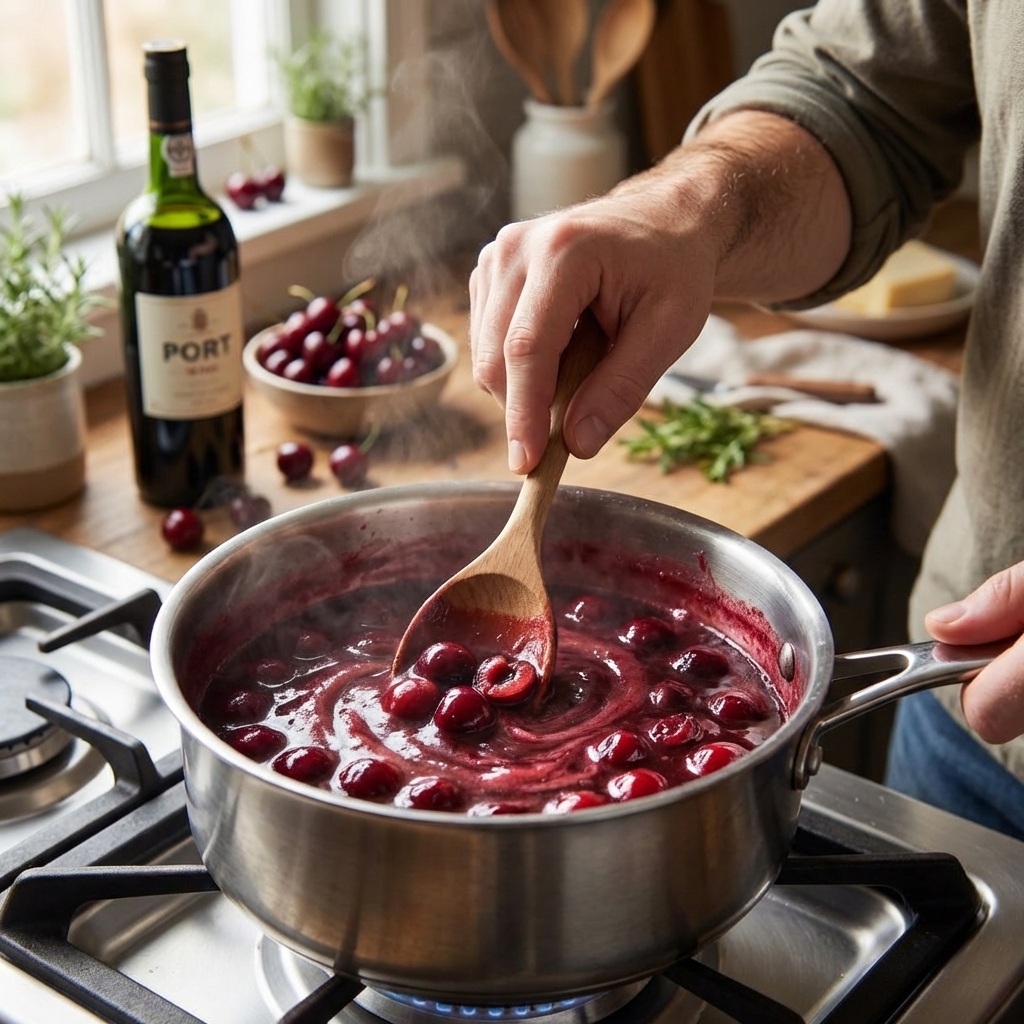
And since we are already standing over a pan full of duck drippings, we might as well do the most logical thing possible: turn them into a cherry-port sauce that tastes like date night. It is sweet, tangy, and just rich enough to make you pause mid-bite and go, “Okay, wow.”
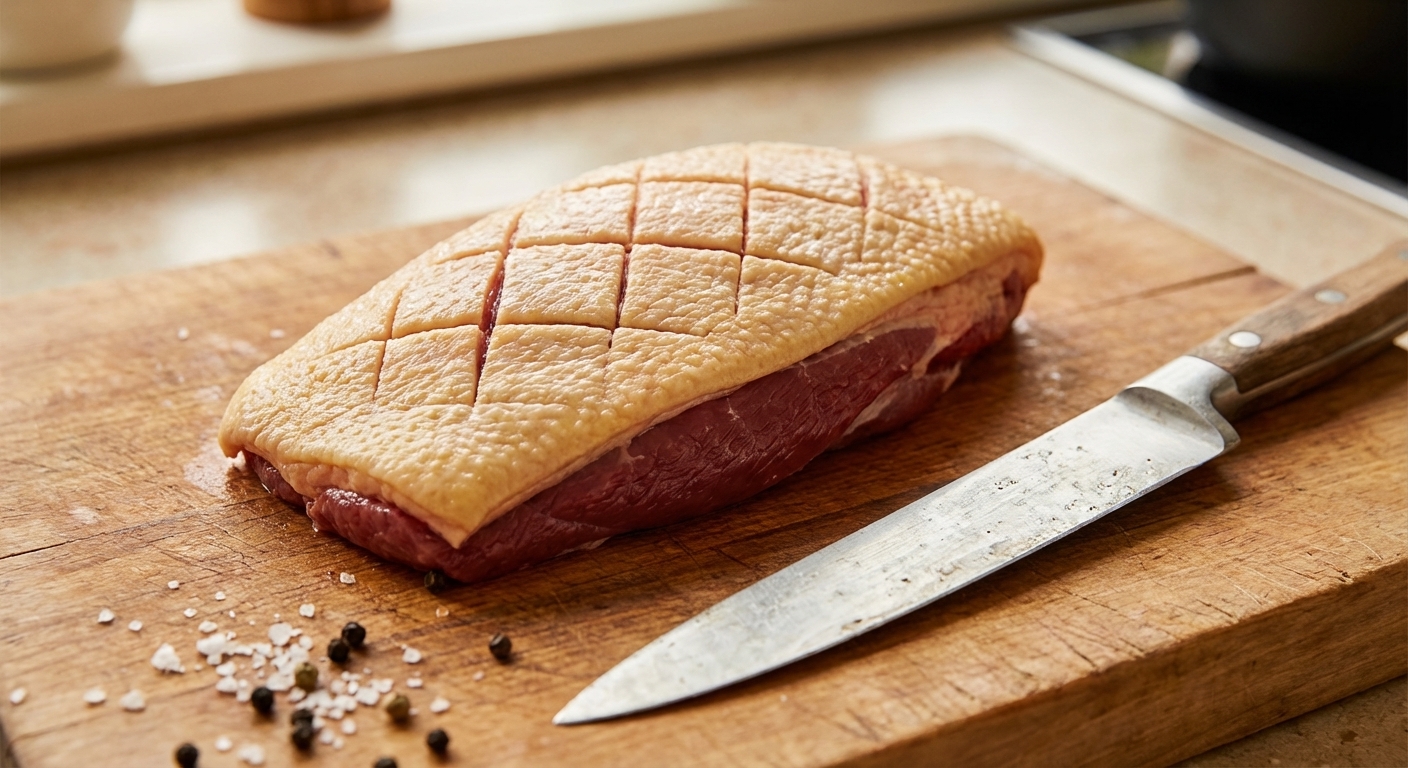
A raw duck breast on a wooden cutting board with the skin scored in a neat crosshatch pattern, a chef's knife nearby, close-up real photo

Why It Works

  • Crispy skin without deep-frying: Starting in a cold pan renders the fat gently, so the skin turns thin and crisp instead of chewy.
  • Juicy, medium-rare duck: We cook to temperature, not vibes. Pull it at 125 to 130°F and let carryover heat do the rest.
  • Sauce built from the pan: Port, cherries, and a quick reduction grab all the browned bits for big flavor with minimal effort.
  • Different from roast duck and confit: This is the fast, skillet method when you want elegant results without committing your whole afternoon.

Pairs Well With

Storage Tips

Keep it crispy-ish

  • Cool fast: Let duck cool about 20 minutes, then refrigerate. Keep your fridge at 40°F or below.
  • Store: Slice or keep whole. Refrigerate in an airtight container for up to 3 days. Store sauce separately if you can.
  • Reheat duck (best for crisp skin): Reheat skin-side down in a dry skillet over medium-low until warmed through and re-crisped, 3 to 6 minutes (flip briefly at the end if you want). Or reheat on a rack in a 325 to 350°F oven until warm, about 8 to 12 minutes depending on thickness.
  • Reheat sauce: Warm in a small pot over low heat. If it gets too thick, loosen with a spoonful of water, stock, or more port.
  • Freeze: Duck breast can be frozen up to 2 months, but the skin will lose crispness. The sauce freezes well for up to 3 months.

Common Questions

Do I need to marinate duck breast?

Nope. Duck has plenty of flavor on its own. A good salt-and-pepper season and a proper render gets you 90 percent of the magic.

What temperature should duck breast be cooked to?

For the classic result, aim for medium-rare. Pull the duck at 125 to 130°F, then rest 5 to 10 minutes. It will usually land around 130 to 135°F after resting.

Food safety note: Duck breast is often served medium-rare, but the USDA recommends cooking poultry to 165°F. Cook to your comfort level and use a thermometer.

Why start in a cold pan?

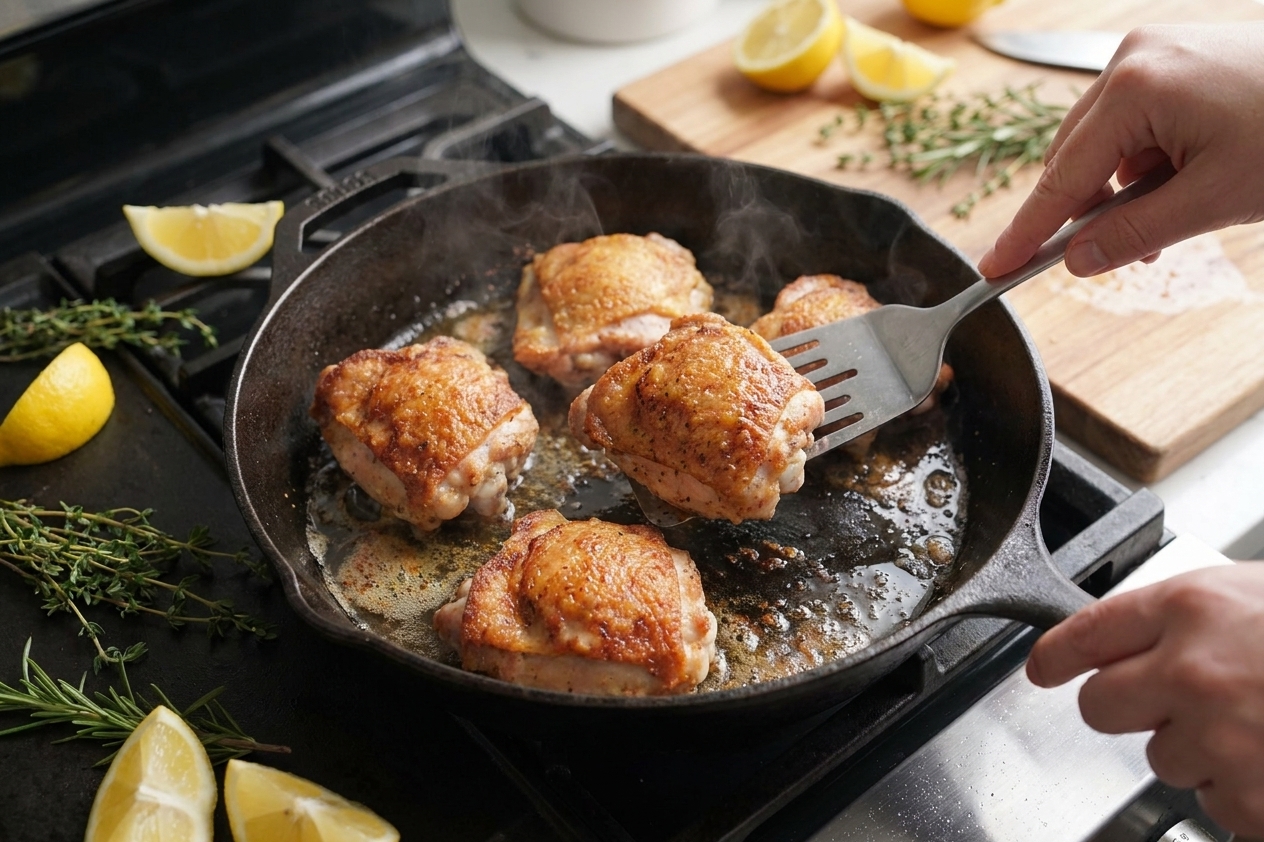
Because duck skin is basically a built-in fat bank. Starting cold lets the fat render slowly so the skin gets crisp without burning.

My duck skin is not crisp. What happened?

Common culprits: the pan was too hot too soon, the skin was not dried well, the pan was crowded, or there was not enough time rendering. Next time, pat it very dry, start cold, keep the heat at medium-low, and give it time until you have a generous pool of rendered fat.

Can I use dried cherries instead of fresh or frozen?

Yes. Use about 1/3 cup dried cherries and add an extra splash of water or stock so they can plump while the sauce reduces.

What can I do with the rendered duck fat?

Save it. Strain and refrigerate it, then roast potatoes, sauté vegetables, or fry eggs in it. It is basically culinary cheat codes.

The first time I cooked duck breast at home, I treated it like a steak and cranked the heat. The meat was fine, but the skin was doing that sad rubbery thing that makes you question every decision you have made since 2009. Then someone finally told me the secret: start cold and let the fat render like you are coaxing it, not bullying it. Now duck breast is one of my favorite “I want something fancy but I also want to be in sweatpants” dinners. The cherry-port sauce is my little victory lap, because if I am going to sear duck, I am absolutely going to swirl something glossy and dramatic in the pan afterward.