Mom's Best Recipes
Recipe

Pan-Seared Mahi Mahi

Crisp-edged mahi mahi with a fast lemon-garlic butter sauce. Restaurant vibes, weeknight effort.

Author By Matt Campbell
4.8
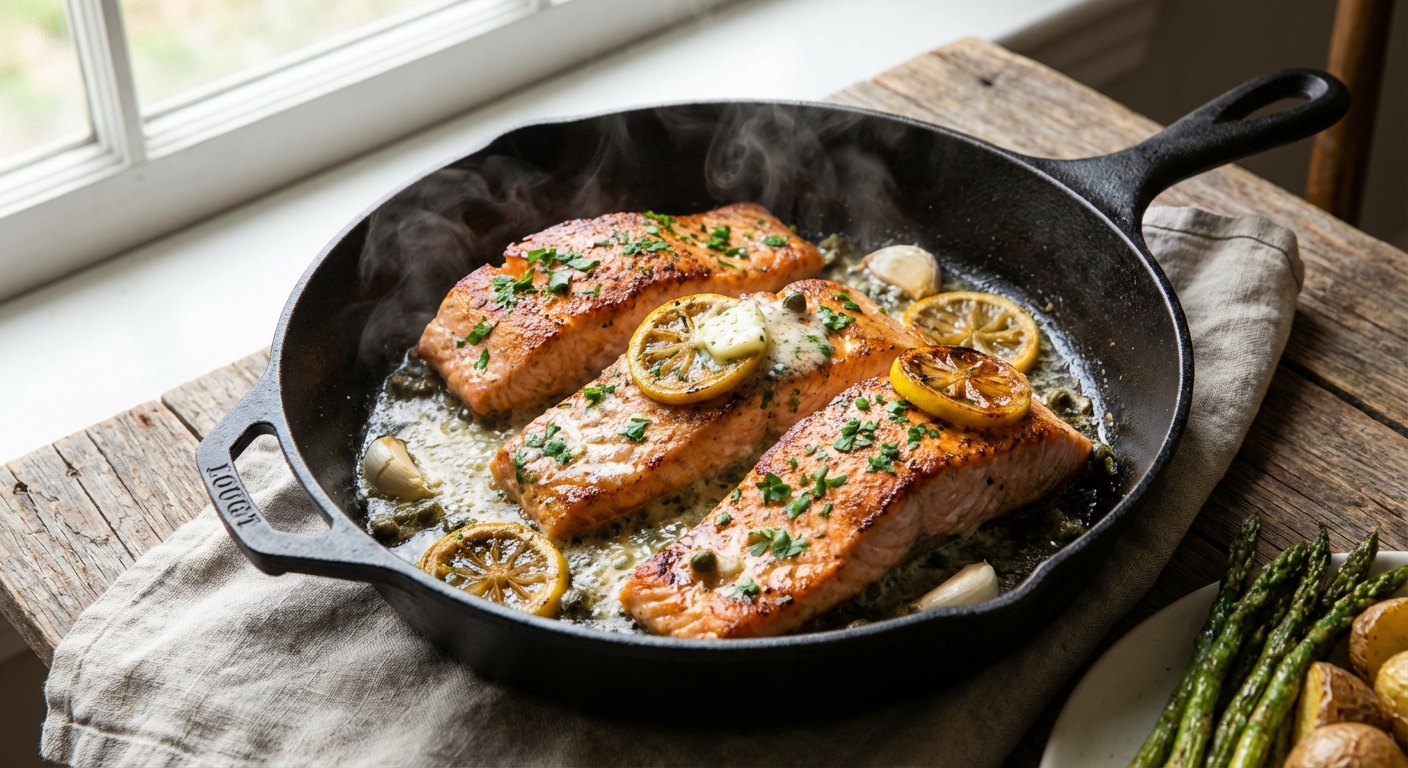
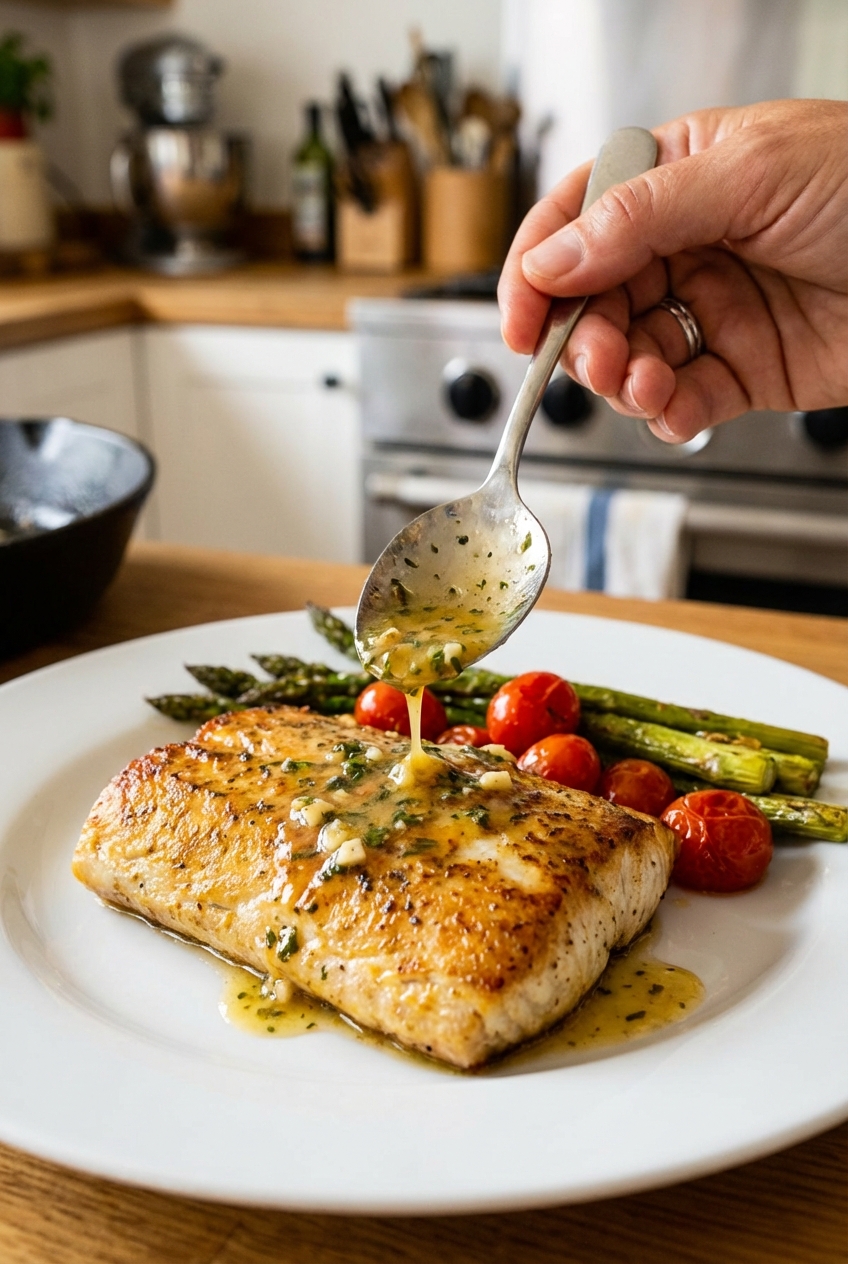
Pan-seared mahi mahi fillets in a skillet with browned edges and a lemon butter sauce

Mahi mahi is one of my favorite “I want something impressive but I also have laundry to fold” proteins. It is mild, firm, and fairly forgiving compared to more delicate fish, which means you can get a golden crust in a regular skillet without needing a culinary degree or a fish spatula you only use twice a year.

This recipe leans into what mahi does best: quick high-heat searing, then a simple lemon-garlic butter sauce that tastes like you tried harder than you did. Serve it with rice, roasted potatoes, or a big crunchy salad, and suddenly Tuesday feels like a coastal vacation. Sort of.

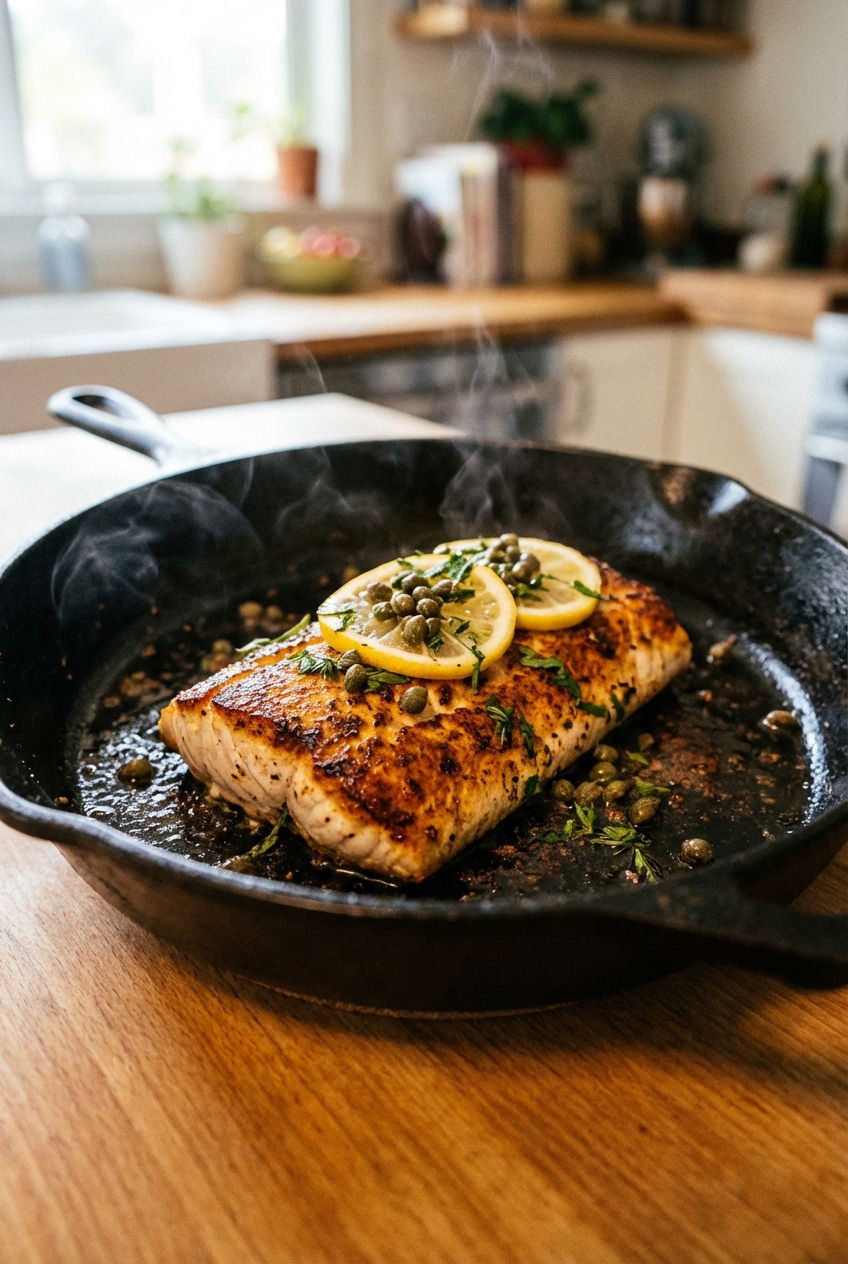
Close-up photo of a mahi mahi fillet with a crisp golden crust in a cast iron skillet

Why It Works

  • Fast crust, no drama: A hot pan, dry fish surface, and a light dusting of seasoning helps you get that crisp edge without sticking.
  • Mild fish, bold finish: Mahi mahi stays clean and neutral, so the lemon, garlic, and butter actually taste like something.
  • One pan sauce: You use the browned bits left behind from searing, so the sauce tastes deep and savory in under 2 minutes.
  • Easy to scale: Cooking for two or four works the same. Just do not crowd the pan. Cook in batches if you need to.

Allergen note: This recipe contains dairy (butter). For dairy-free, swap in a plant-based butter or finish with olive oil and a few capers for a salty punch.

Pairs Well With

Storage Tips

Refrigerate: Store cooled mahi mahi in an airtight container for up to 3 days. Keep any extra sauce separate if you can so the fish stays less soggy.

Reheat (best method): Warm gently in a skillet over medium-low with a splash of water or broth, just until heated through. Avoid blasting it in the microwave unless you like “fish jerky” as a concept.

Cold leftovers idea: Flake the chilled fish into a salad with cucumbers, tomatoes, and a lemony vinaigrette. It is shockingly good.

Freeze: You can freeze cooked mahi mahi for up to 2 months, but the texture will soften. If you plan to freeze, skip the sauce and make it fresh later.

Common Questions

How do I know when mahi mahi is done?

Mahi mahi is done when it turns opaque and flakes easily with gentle pressure from a fork. Visually, the center should go from translucent to just barely opaque, and it will finish as it rests.

Temperature note: The FDA recommends fish reach 145°F. For a juicier result, I often pull it a little earlier (around 137°F to 140°F) and let carryover heat finish the job. Use your best judgment, especially for kids, pregnant people, older adults, or anyone with a compromised immune system.

Can I use frozen mahi mahi?

Yes. Thaw overnight in the fridge, then pat it very dry with paper towels. Dry fish is how you get a good sear instead of a sad steam situation.

Why is my fish sticking to the pan?

Usually one of three things: the pan was not hot enough, the fish was still wet, or you tried to flip too early. Once the crust forms, the fish releases more easily. Give it a full 3 to 4 minutes on the first side and do not poke it constantly.

What oil is best for searing fish?

Use a high smoke point oil like avocado, canola, grapeseed, or light olive oil. Save extra virgin olive oil for finishing.

What can I serve with it?

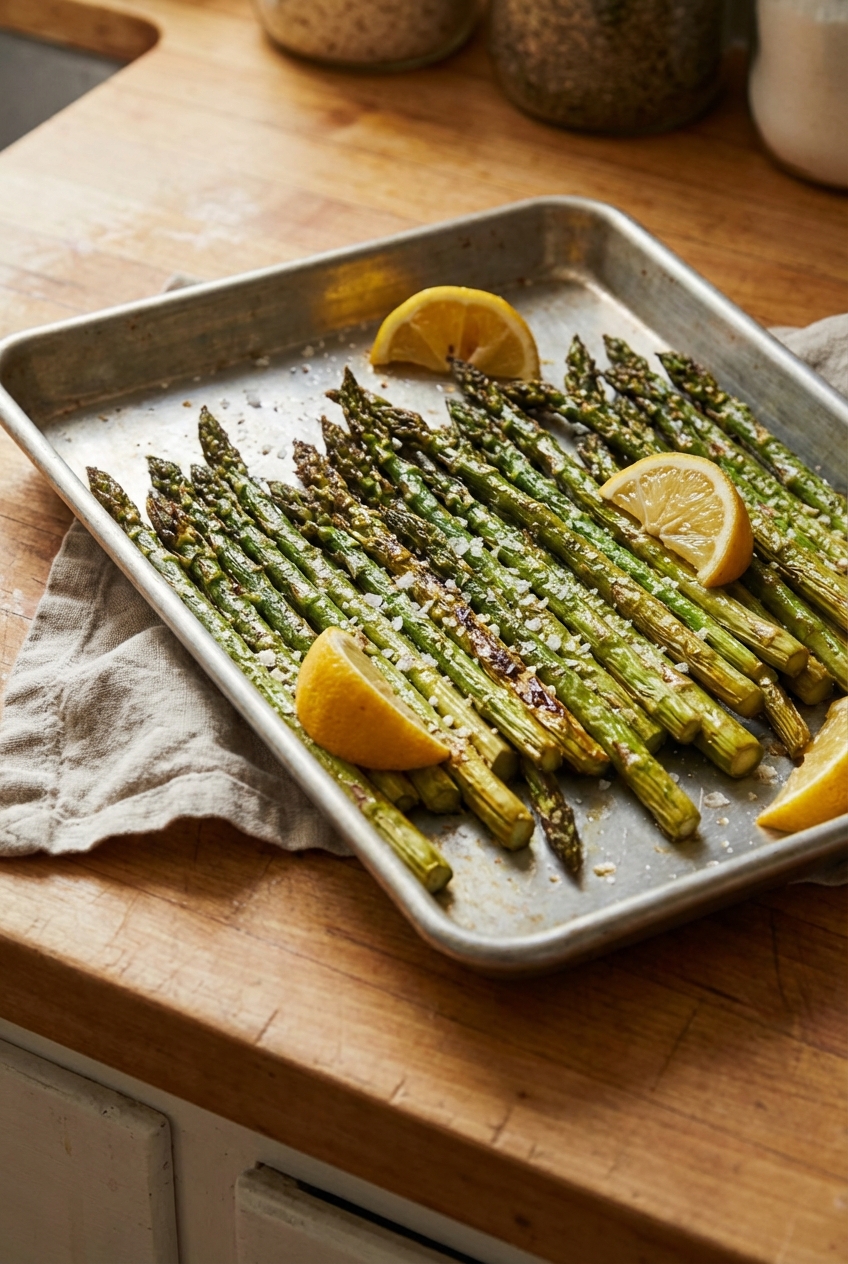
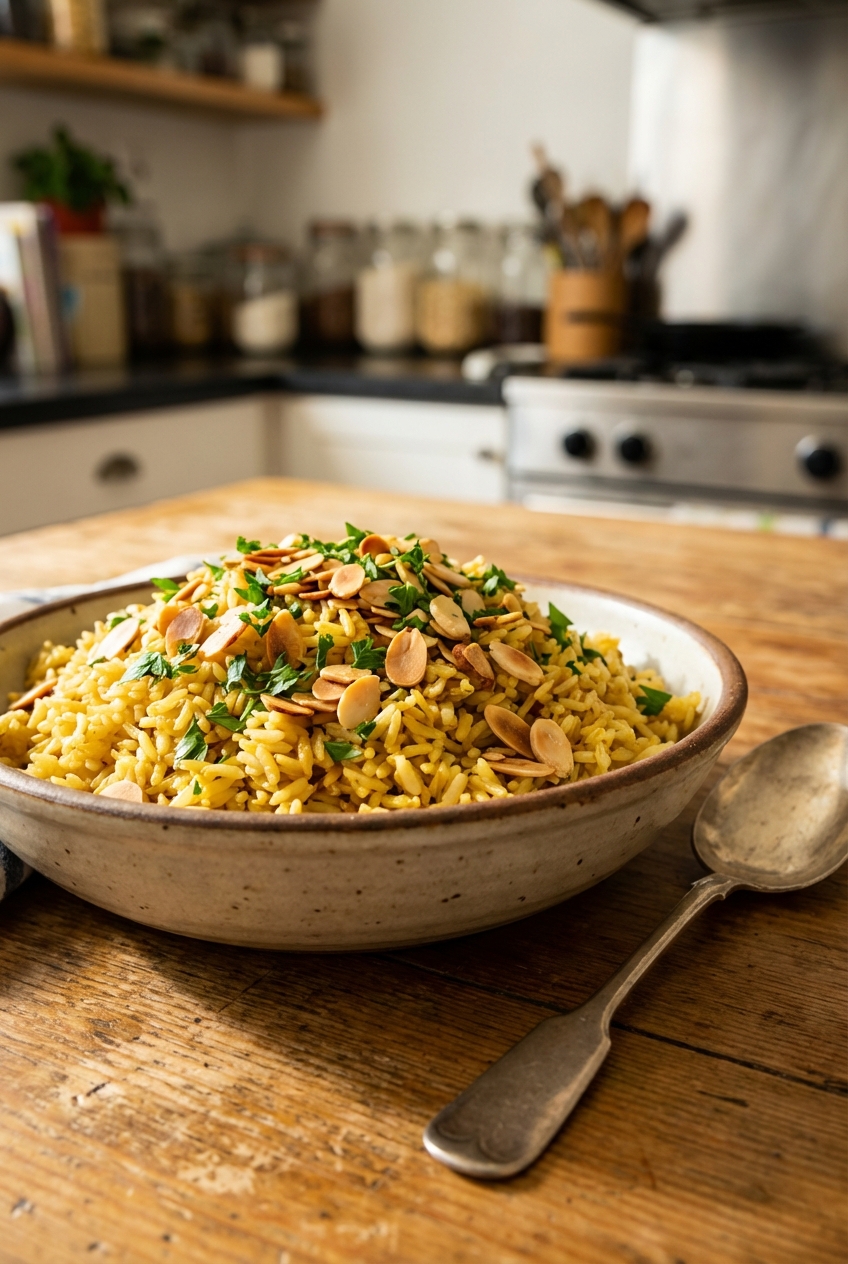
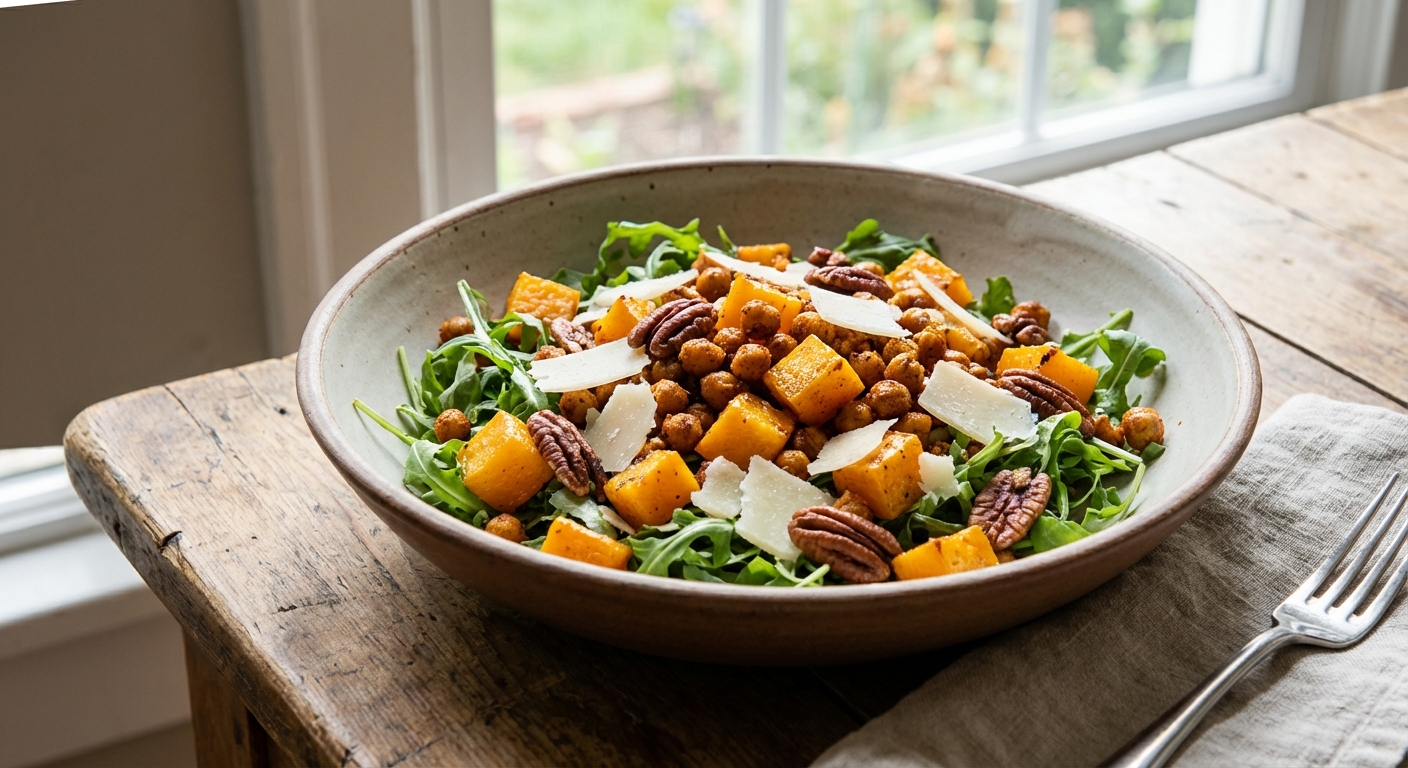
My go-to picks: rice pilaf, roasted asparagus, garlicky green beans, mashed potatoes, or a simple arugula salad with lemon and Parmesan.

What if my skillet cannot fit all 4 fillets?

Do not crowd the pan. Cook in batches and keep the finished fish warm on a plate loosely tented with foil while you sear the rest. Add a drizzle more oil between batches if the pan looks dry.


I used to think cooking fish at home was an “experienced cook” thing, like laminating dough or making your own ramen noodles. Then I started working more practical kitchen jobs and realized most great fish is not complicated, it is just timing, heat, and confidence.

This pan-seared mahi mahi became my go-to when I wanted something that felt like I ordered it out without turning my kitchen into a disaster zone. I make it when friends come over because it looks impressive, smells like lemon and butter, and gives you that satisfying sizzle moment where everyone suddenly wanders into the kitchen like they live there.