Mom's Best Recipes
Recipe

Pan-Seared Spiced Mahi Mahi

Spiced, aromatic, and weeknight-friendly mahi mahi with a bright citrus finish and crisp edges. Simple pantry seasonings, big flavor payoff.

Author By Matt Campbell
4.8
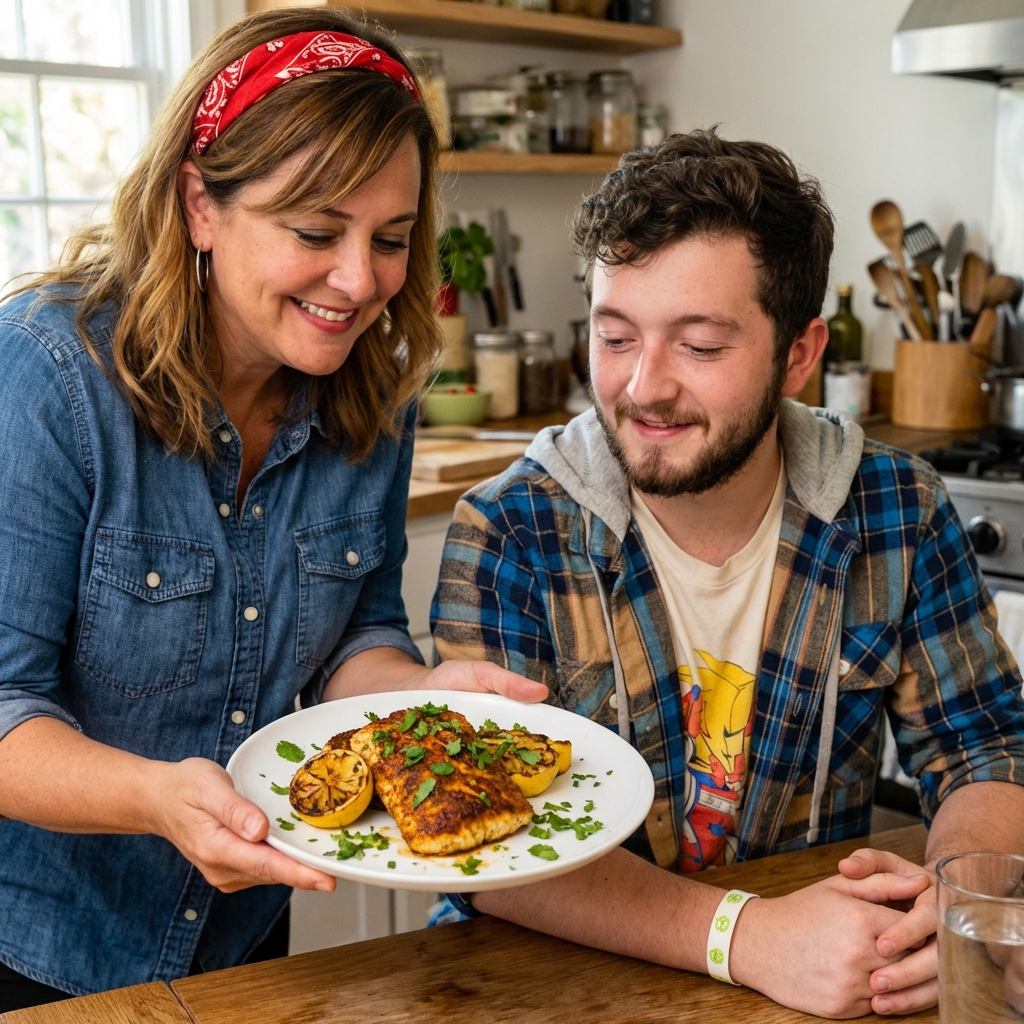
A real photograph of pan-seared mahi mahi fillets with a golden spice crust on a white plate with lemon wedges and chopped herbs

Mahi mahi is one of my favorite answers to the question, “What’s for dinner that feels a little special but won’t wreck my evening?” It is lean, mild, and fast-cooking, which means it plays really nicely with warm spices and a quick hit of citrus. This version keeps it classic weeknight: a simple spice blend, a good sear, and a finish that smells like you meant to do all this on purpose.

The goal here is spiced and aromatic without turning the fish into a dry postcard from the spice cabinet. We keep the seasoning bold, the cook time short, and we let a lemony pan sauce do the heavy lifting at the end. If you are new to cooking fish, this is a friendly place to start. If you already cook fish all the time, you will still appreciate how reliably this turns out.
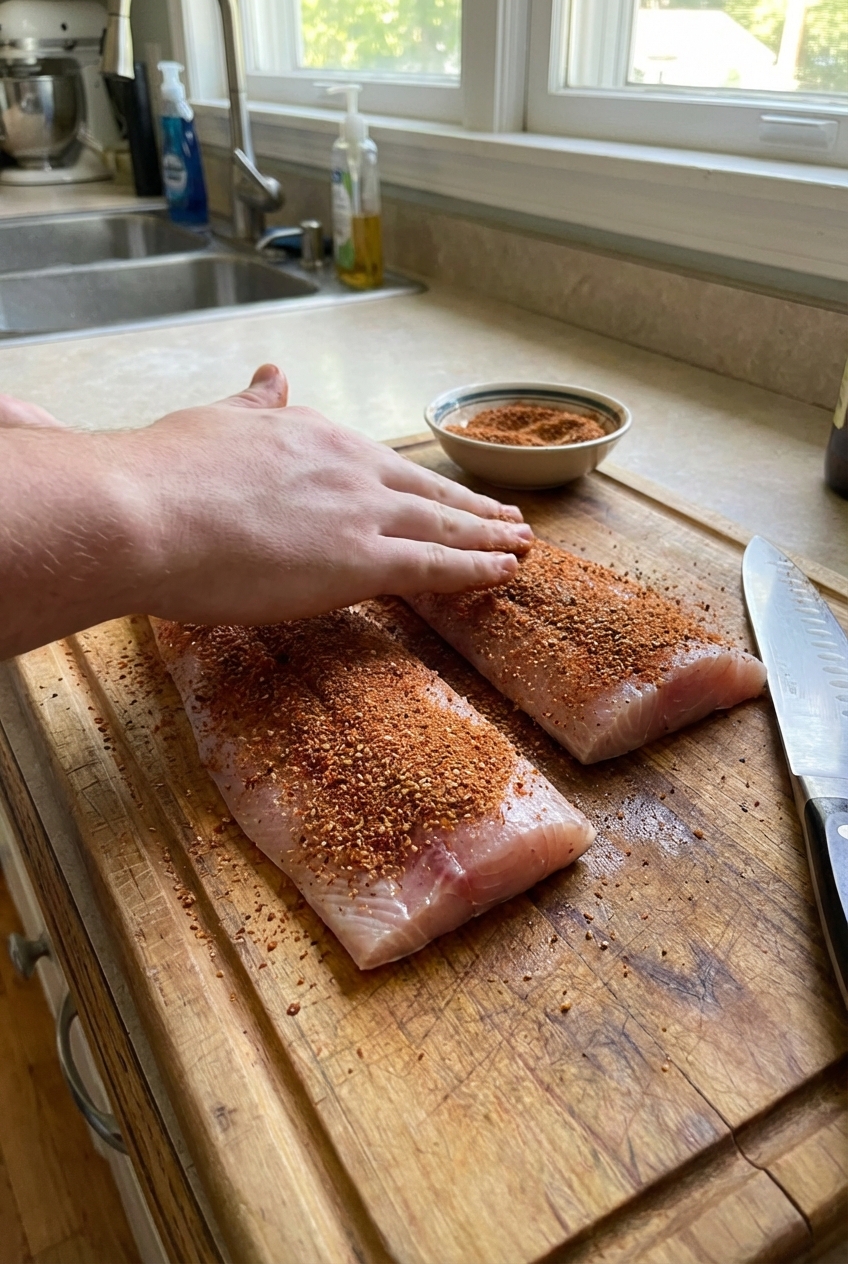
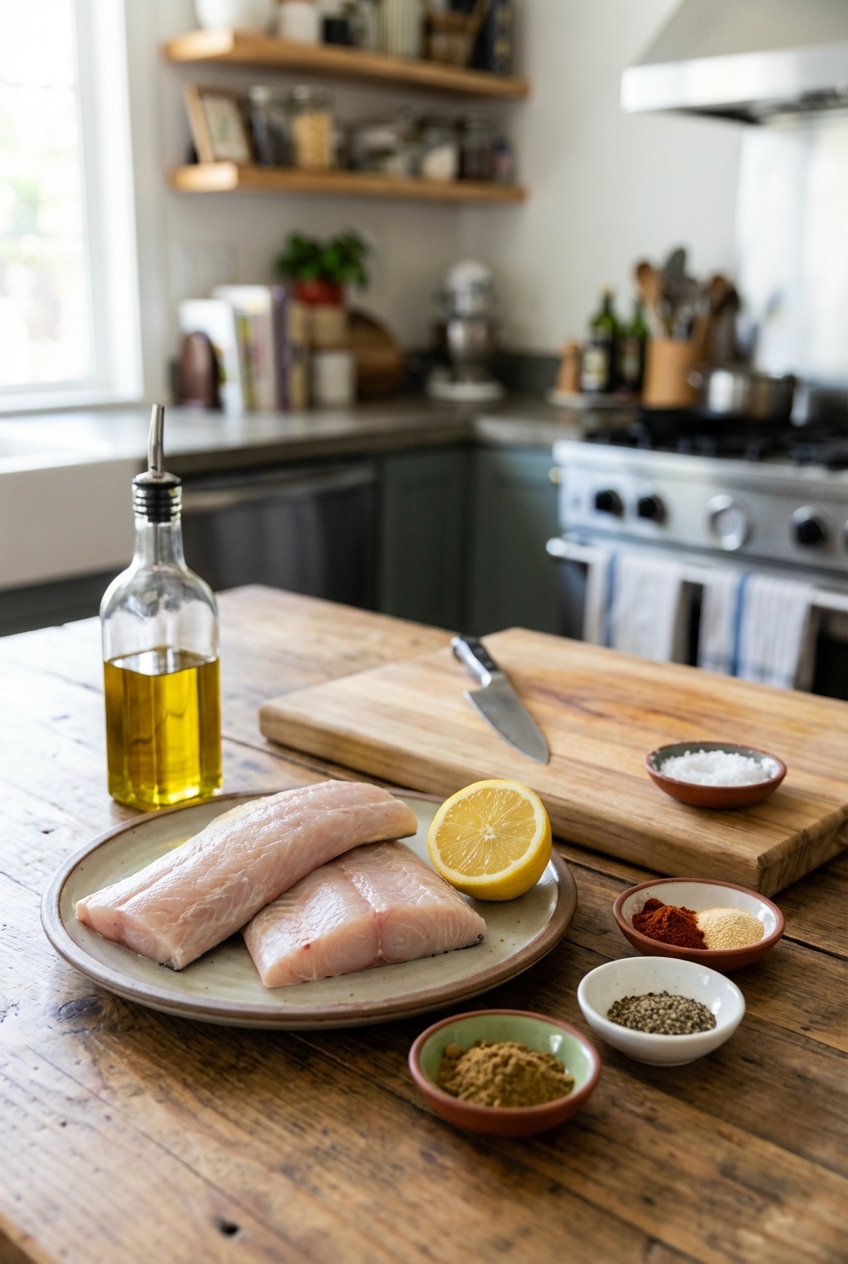
A real photograph of a hand rubbing a warm spice blend onto raw mahi mahi fillets on a cutting board

Why It Works

  • Crisp edges, juicy center: A hot pan and a thin coating of spices gives you that golden crust without overcooking the fillets.
  • Big flavor from common ingredients: Paprika, cumin, garlic, and oregano bring warmth and aroma without needing anything fancy.
  • A quick pan finish: Lemon juice and a little butter turn the browned bits into a simple sauce that tastes like a restaurant move.
  • Flexible cooking options: Works great in a skillet, and you can finish in the oven if your fillets are thick.

Pairs Well With

Storage Tips

Fish is best fresh, but leftovers can still be great if you treat them gently.

Refrigerate

  • Cool completely, then store in an airtight container. For best quality, eat within 1 to 2 days.
  • Keep any sauce separate if possible so the fish does not get soggy.

Reheat (without drying it out)

  • Stovetop: Add a splash of water or broth to a skillet, cover, and warm on low just until heated through.
  • Oven: Wrap loosely in foil and warm at 300°F for 8 to 12 minutes, depending on thickness.
  • Microwave: Use 50 percent power in short bursts. It is not glamorous, but it works if you are careful.

Leftover ideas

  • Flake into tacos with cabbage and a quick lime yogurt sauce.
  • Toss into a grain bowl with rice, cucumbers, and a drizzle of olive oil and lemon.
  • Make a warm salad: greens, roasted potatoes, and the fish gently reheated on top.

Common Questions

How do I know when mahi mahi is done?

The fish should turn opaque and flake easily with a fork. For the most consistent results, use an instant-read thermometer in the thickest part. For a juicy, chef-style finish, pull it at 137°F to 140°F and rest for 2 minutes (carryover heat will keep it moving). If you prefer to follow more conservative food safety guidance, cook to 145°F.

Can I use frozen mahi mahi?

Yes. Thaw overnight in the fridge, then pat it very dry before seasoning. Moisture is the enemy of that good sear.

Is mahi mahi a “fishy” fish?

Not really. It is mild and slightly sweet, which is why it works so well with spices and citrus.

What if my fillets are really thick?

Sear both sides, then finish in a 400°F oven for 4 to 8 minutes, until it hits your target temp. This keeps the crust from burning while the center catches up.

Can I make it less spicy for kids?

Absolutely. Use the same blend but cut the black pepper in half and skip cayenne if you add it. Serve with extra lemon and a little buttered rice and you will have very few complaints.

Can I make it dairy-free?

Yes. Skip the butter and finish with a squeeze of lemon plus a drizzle of olive oil. You still get a bright, glossy pan finish.

The first time I really nailed mahi mahi at home, it was purely accidental. I was trying to use up a random lemon, a half-empty paprika tin, and the last clean skillet in the house. I rushed the prep, got the pan hotter than I meant to, and ended up with that perfect crust you only get when you stop overthinking. Now it is one of my go-to “I want dinner to feel like a win” meals. The lesson holds up: dry the fish, season confidently, and taste the sauce before you call it done.