Mom's Best Recipes
Recipe

Parmesan Crisps

One ingredient, one sheet pan, and a ridiculous amount of crunch. These lacy, golden Parmesan crisps are my favorite last-minute upgrade for salads, soups, and snacking.

Author By Matt Campbell
4.8
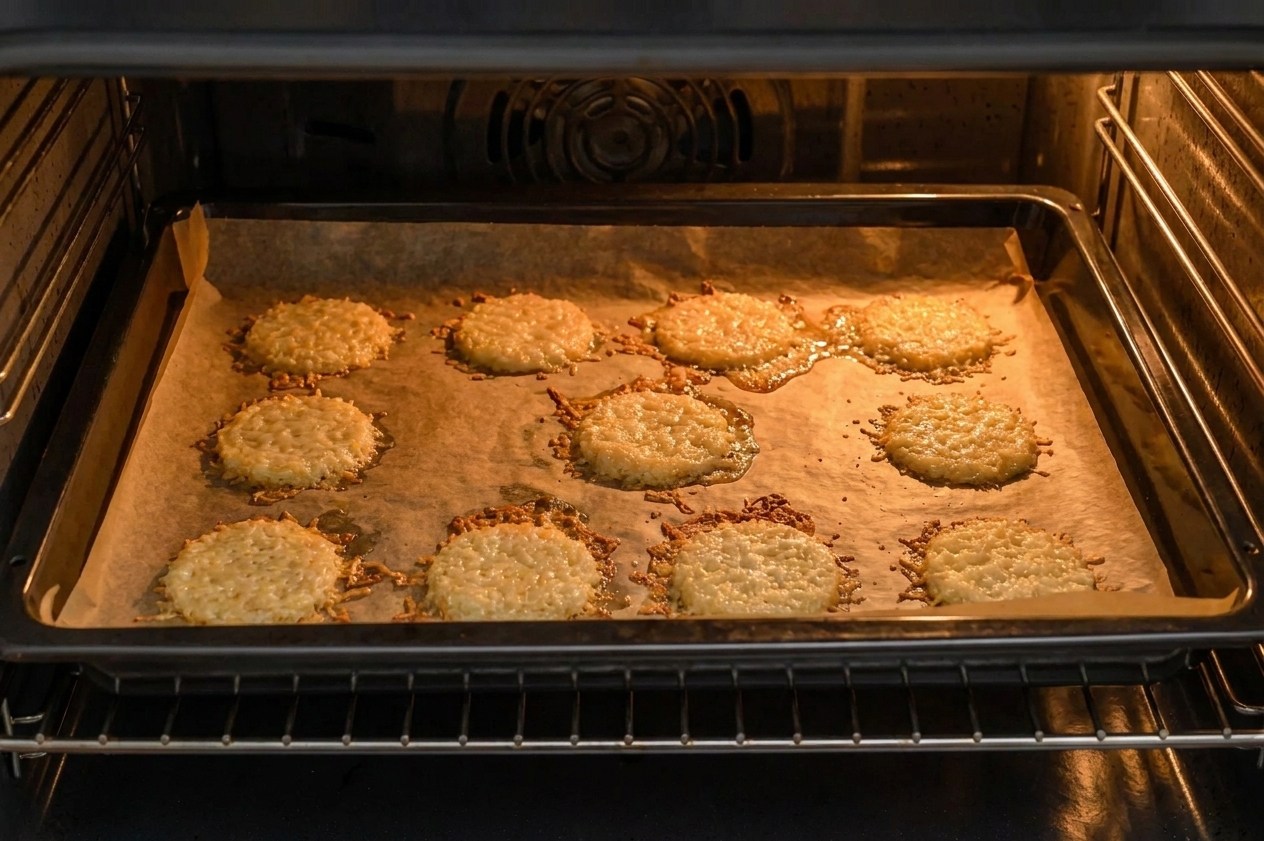
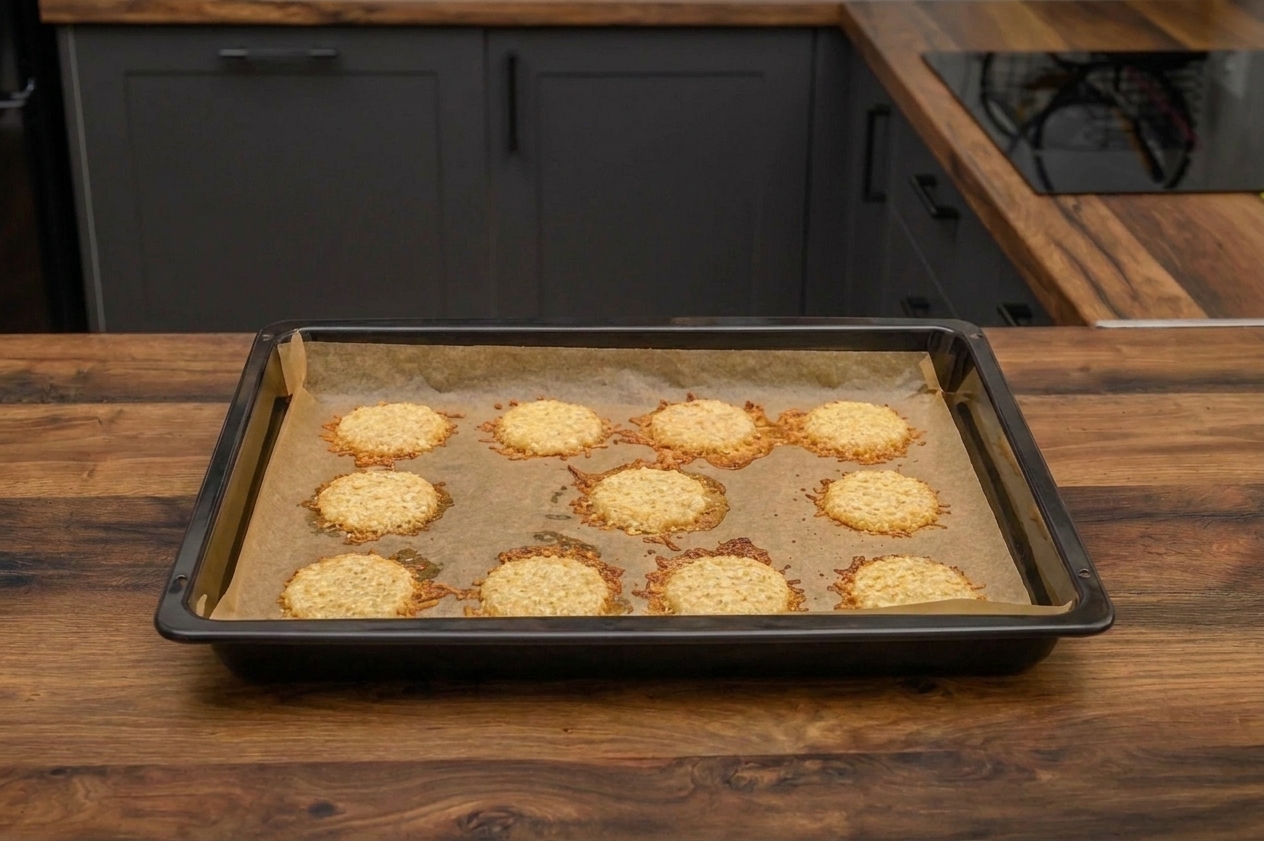
A batch of golden, lacy Parmesan crisps on a parchment-lined sheet pan, ready to serve

Parmesan crisps are what I make when I want my food to feel like it got dressed up, but I am absolutely not dressing up. They are salty, nutty, and shatter-crisp with those addictive frilly edges that make you keep “testing one” until half the batch is gone.

The best part is they are basically a technique, not a recipe. Once you nail the spacing and the bake, you can start playing: black pepper for cacio e pepe vibes, smoked paprika for a cozy snack, or a pinch of garlic powder that makes the whole kitchen smell like a promise.

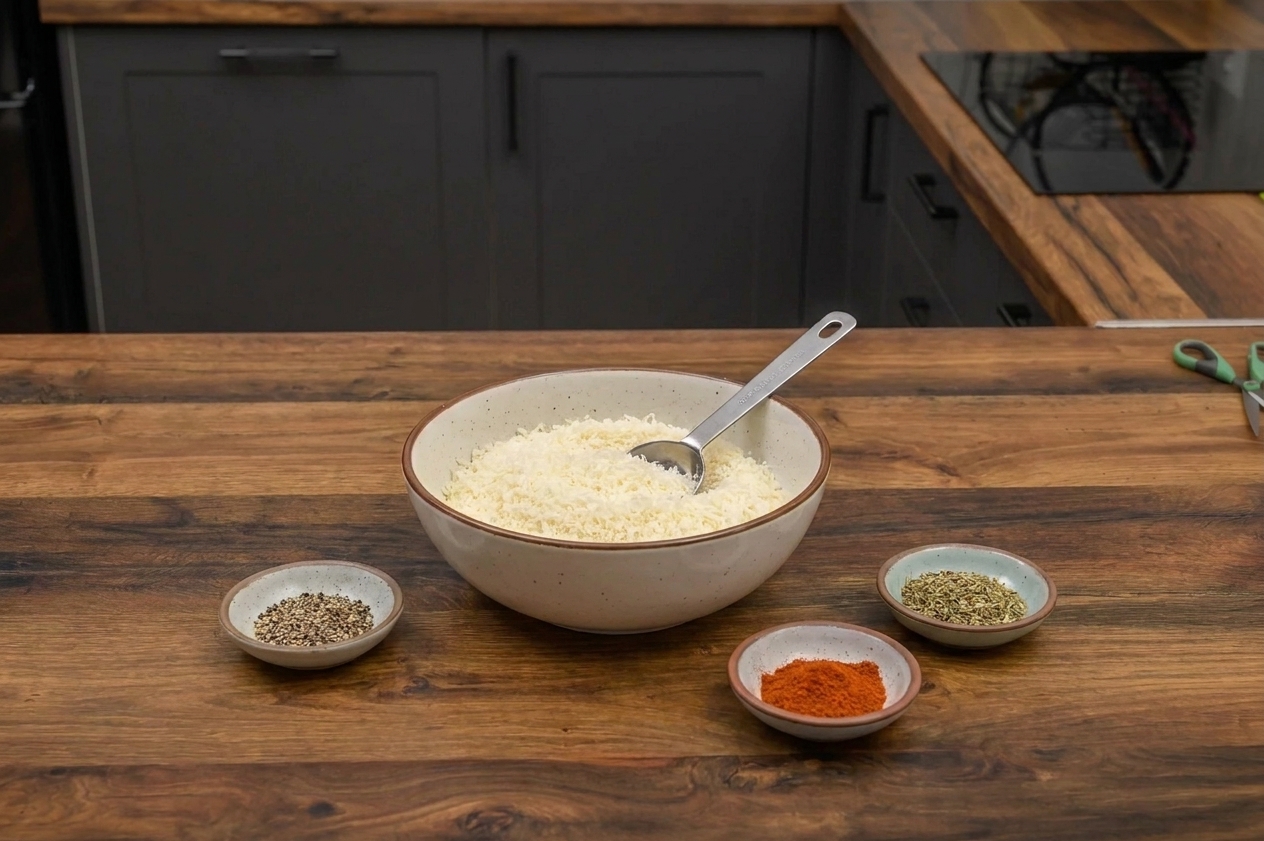
A bowl of finely grated Parmesan cheese on a kitchen counter with a measuring spoon and small bowls of seasonings nearby

Why It Works

  • Fast, reliable crunch: The oven melts and browns the cheese into a crisp in minutes.
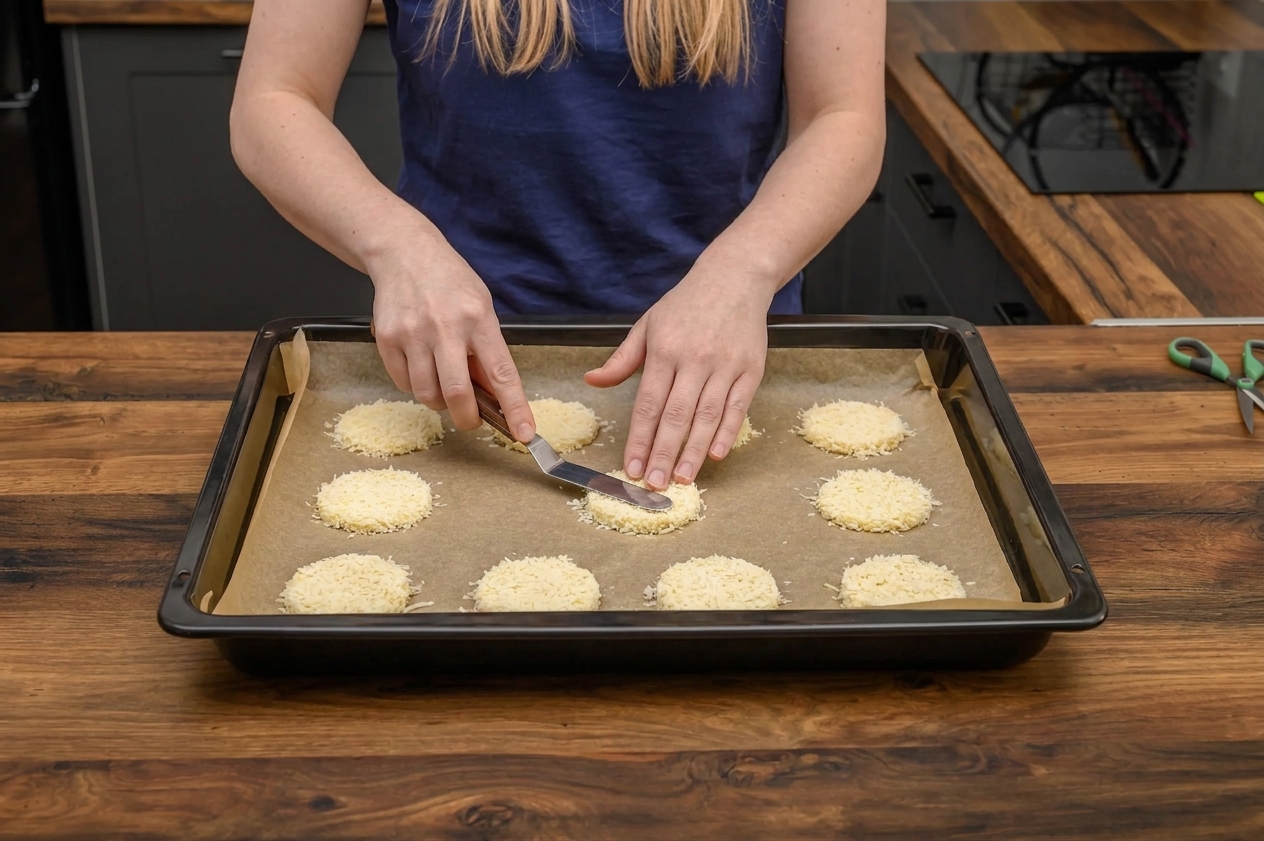
  • Lacy edges, not greasy puddles: Finely grated Parmesan and thinner circles encourage frilly edges and even browning.
  • Easy to customize: Add pepper, herbs, or seeds without changing the method.
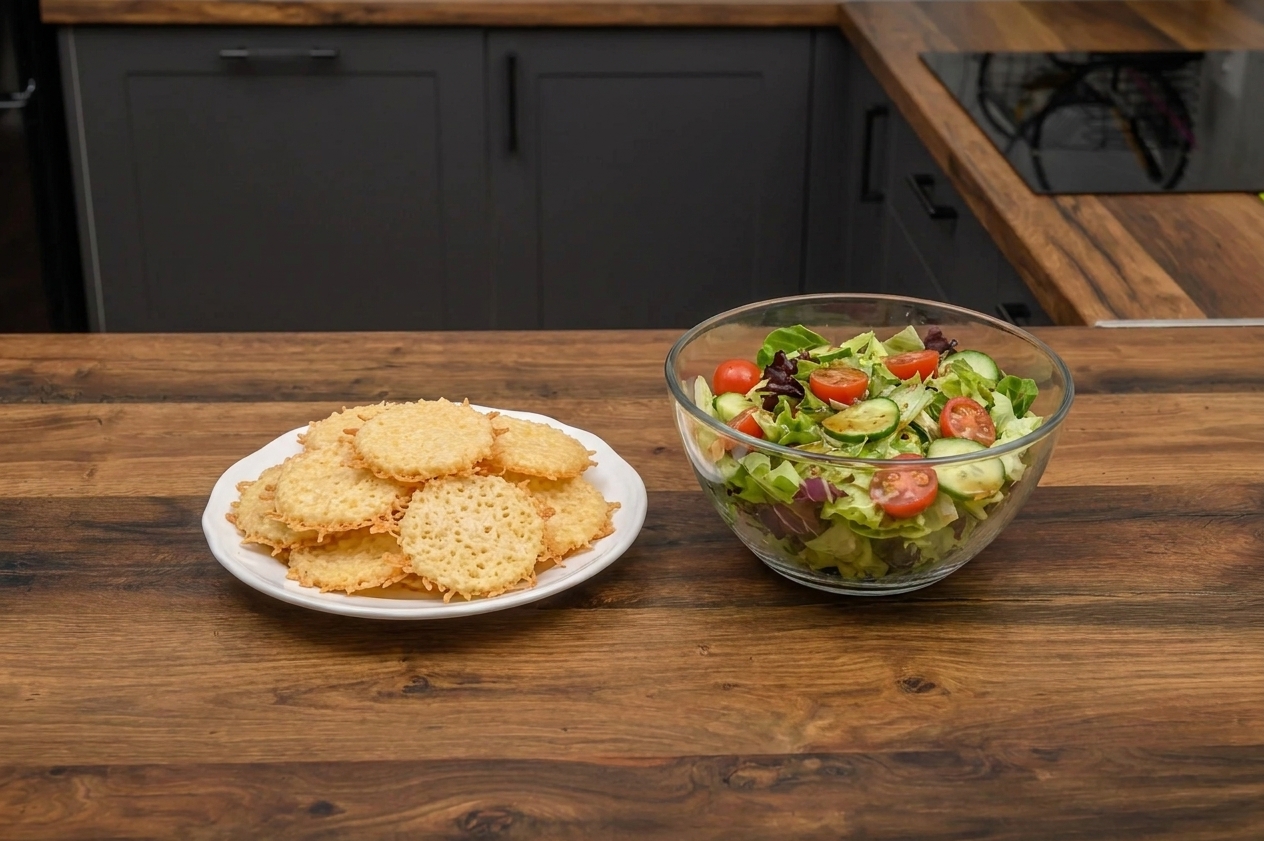
  • They level up everything: Think salad topper, soup “crouton,” snack-board star, or a crunchy bite next to eggs.

Pairs Well With

Storage Tips

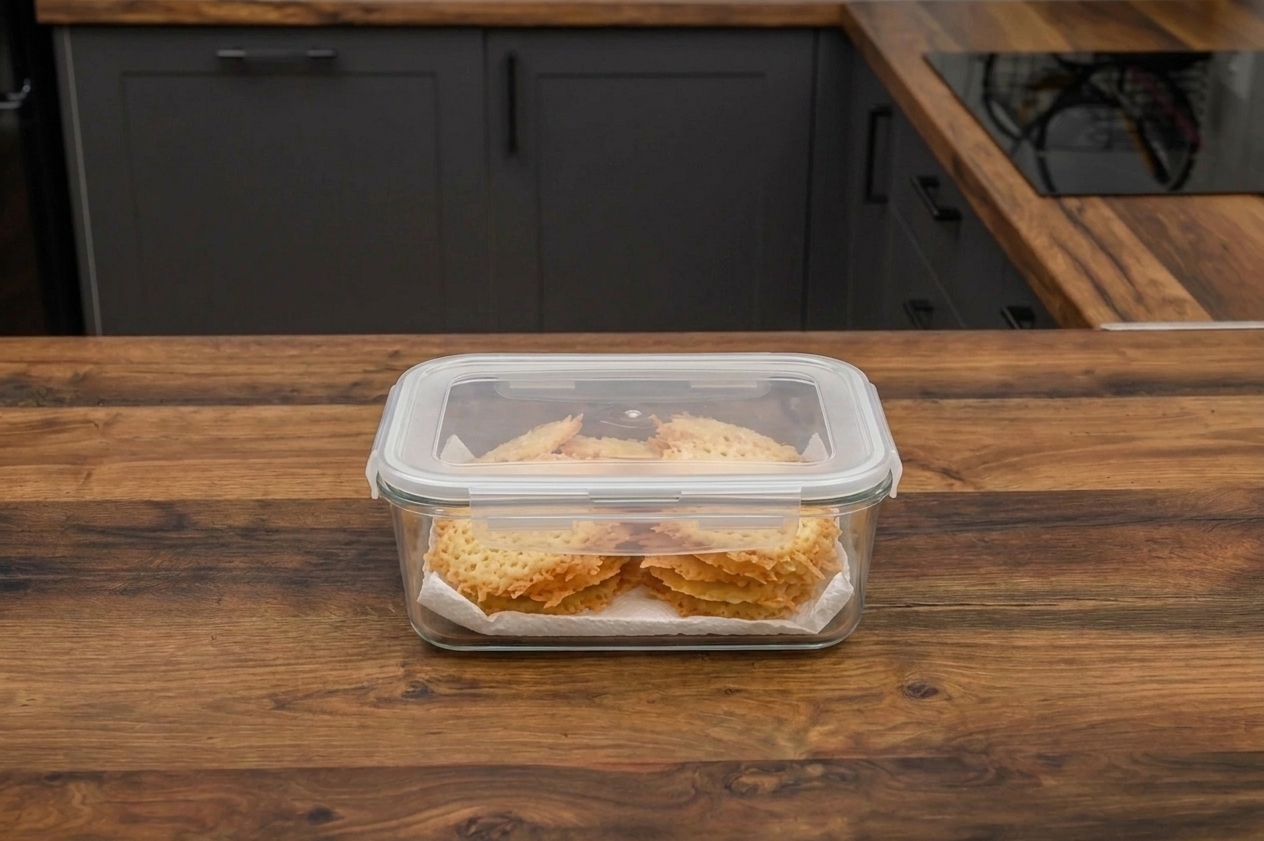
Let them cool completely before storing. Do not seal them while warm. Warm crisps trap steam and go soft.

  • Room temp (best): Store in an airtight container with a paper towel in the bottom for up to 3 days. Keep them dry and away from the stove steam zone.
  • Re-crisp: If they soften, bake at 350°F for 2 to 3 minutes on a sheet pan, then cool again.
  • Freezing: Not my favorite. They can get a little weird and brittle. If you must, freeze flat and re-crisp in the oven.
Parmesan crisps stacked in an airtight glass container lined with a paper towel

Common Questions

Do I need parchment paper?

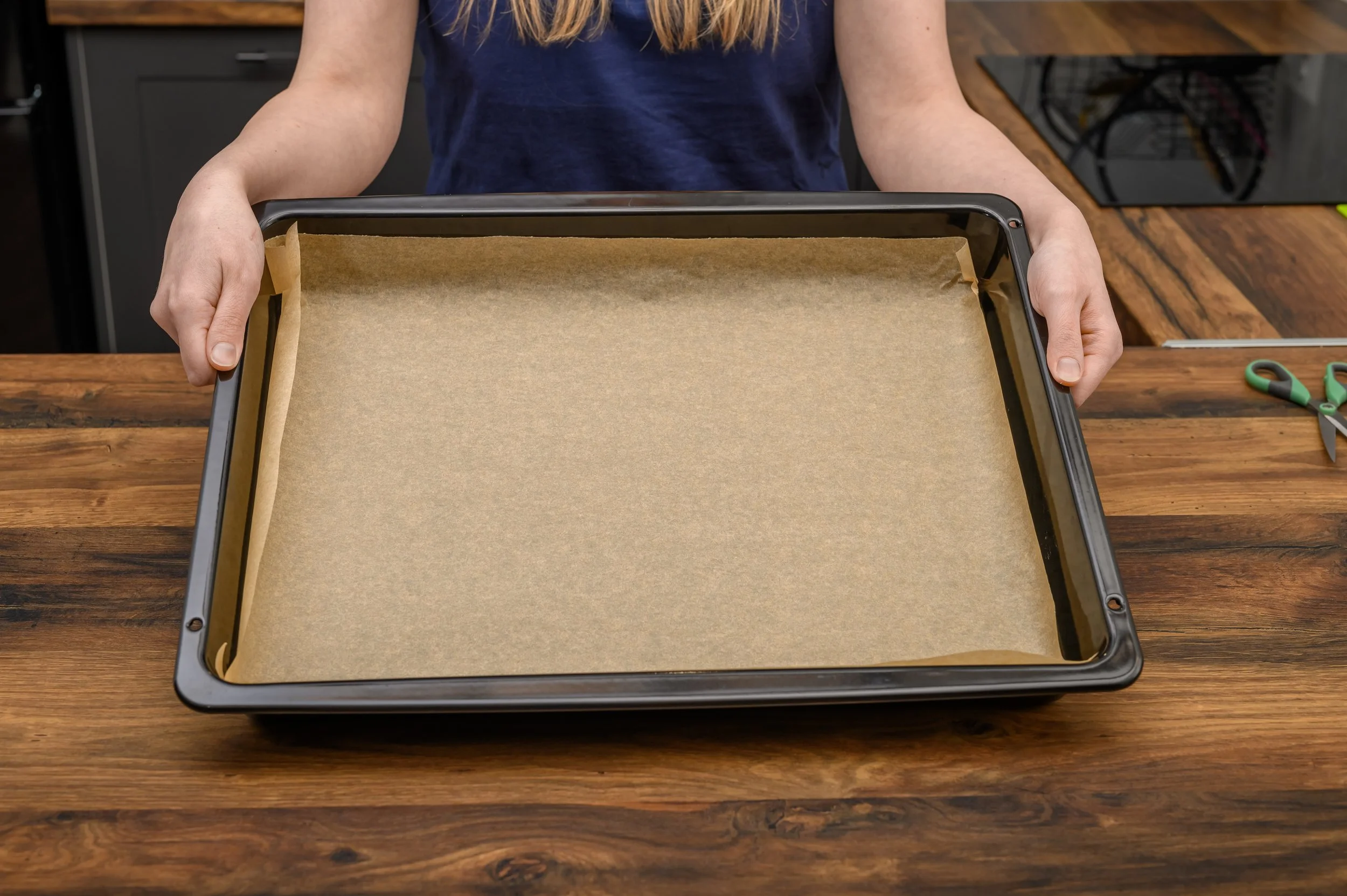
It makes your life easier, yes. Parchment helps prevent sticking and makes cleanup basically a victory lap. A silicone baking mat also works well. Foil is risky because the cheese can fuse to it.

Why did my crisps turn out chewy instead of crispy?

Usually one of three things: (1) they needed another 1 to 2 minutes in the oven, (2) they were made too thick in the center, or (3) they got stored before fully cooled. Bake until the edges are deep golden and the bubbling slows down, then let them cool on the pan so they finish crisping.

Can I use pre-shredded Parmesan?

You can, but results vary. Pre-shredded often has anti-caking agents and thicker shreds, which can melt less evenly. For the crispiest, laciest edges, use finely grated Parmesan (the fluffy snow from a microplane or the small holes on a box grater).

If you mean the shelf-stable grated Parmesan in the green can, it will work in a pinch, but it tends to melt a little drier and less lacy. Still crunchy, just different.

What cheese works besides Parmesan?

Hard, aged cheeses are your friends: Pecorino Romano, Asiago, or a Parmesan-Pecorino mix. Higher-moisture, young cheeses often spread into greasier puddles and stay more flexible (not wrong, just a different vibe).

How do I make them into shapes for bowls or garnishes?

Bake as usual, then while they are still warm and pliable, drape over a rolling pin for a taco shape, or press into a small inverted bowl. Work fast, they set in about a minute.

I started making Parmesan crisps as a “use what you have” move when the croutons ran out and I still wanted that crunchy, salty bite on salad. Now I make them on purpose. They are my favorite kind of kitchen chaos: you pile up cheese, it melts into something dramatic, and suddenly your Tuesday soup looks like it came from a place with cloth napkins.